
There is a reason terracotta keeps coming back. It is one of those rare colors that feels simultaneously ancient and completely modern — like it has been part of beautiful homes for thousands of years because it just works. And right now, it is having its biggest moment yet.
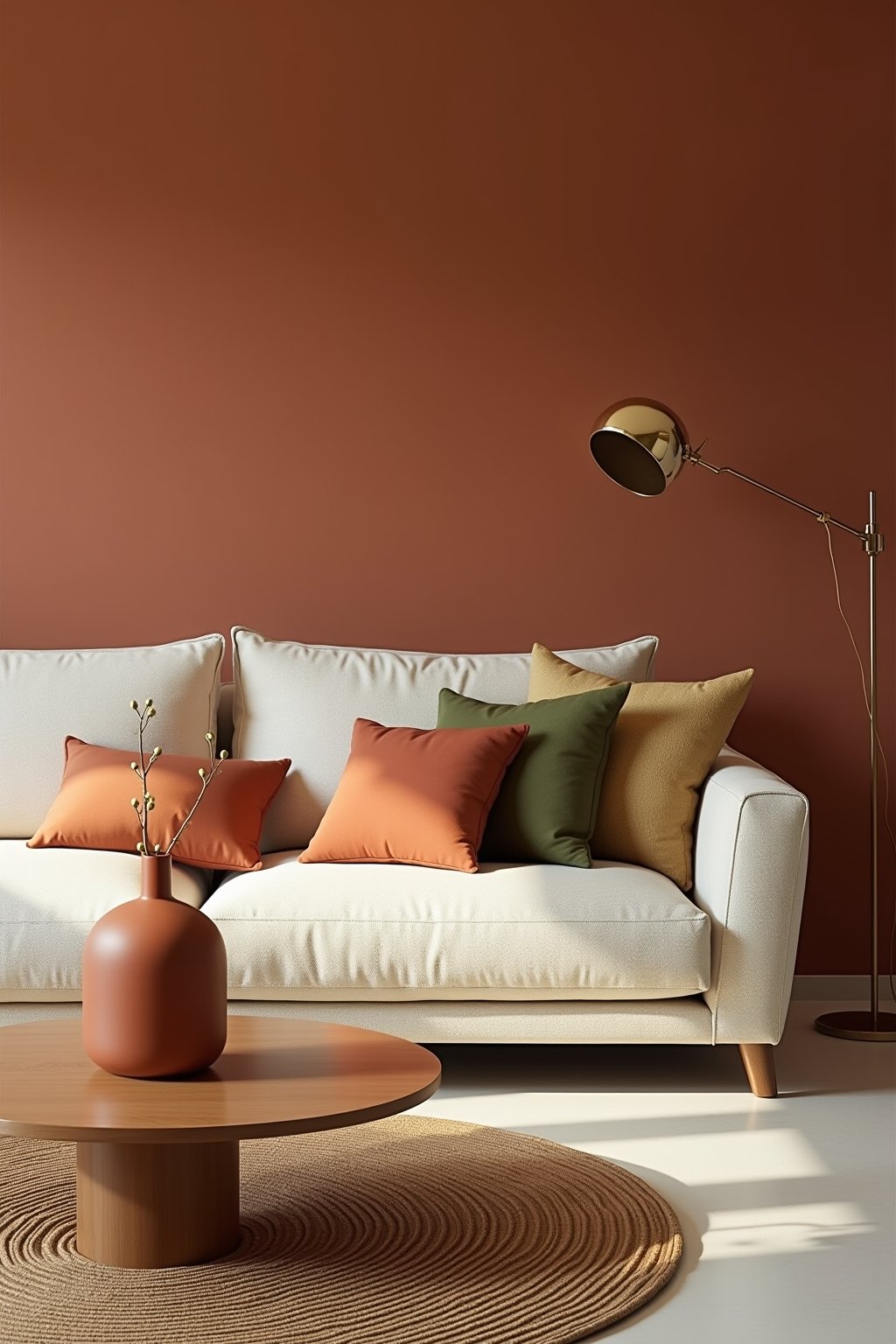
I introduced terracotta into my living room last fall with a single large ceramic vase and a set of linen throw pillow covers, and the shift was immediate. The room went from feeling like a nice neutral space to feeling like a sun-warmed villa somewhere on the Amalfi coast. Terracotta adds warmth without weight, earthiness without dullness, and it pairs with almost everything you already own. This is the color that makes minimalist rooms feel alive.
The Detail That Matters
- Universally warm — terracotta adds warmth to cool-toned rooms without making warm-toned rooms feel heavy. It is one of the most balanced earth tones in the entire spectrum
- Pairs with every neutral — white, cream, beige, warm gray, black, and every shade of wood tone looks beautiful next to terracotta. It is practically impossible to clash
- Top spring 2026 color — terracotta and warm earth tones are dominating Pinterest searches, designer showrooms, and retail collections this spring with no signs of slowing down
- Natural and grounding — in a world of screens and artificial everything, terracotta connects a room to the earth. It literally is earth — fired clay — and that organic quality resonates deeply
- Works at every scale — from a single terracotta pot on a shelf to an entire accent wall, this color scales beautifully without ever feeling overwhelming
- Budget-friendly entry point — terracotta pots, vases, and textiles are some of the most affordable decor items available. You can transform a room for under thirty dollars
What You’ll Need
Choose your terracotta commitment level:
- For accents: Terracotta ceramic vases, plant pots, candle holders, and decorative bowls
- For textiles: Linen throw pillow covers, a lightweight throw blanket, or curtain panels in warm terracotta tones
- For walls: Terracotta paint (try Benjamin Moore Potters Clay or Sherwin-Williams Cavern Clay), painter’s tape, roller, drop cloth
- For tile: Terracotta floor tiles, terracotta-look porcelain tiles, or peel-and-stick terracotta tile for a renter-friendly option
- For pairing: Cream and white linens, warm wood accents, olive green or sage textiles, brass and matte black hardware
How I Do It
Start With Ceramics and Vessels
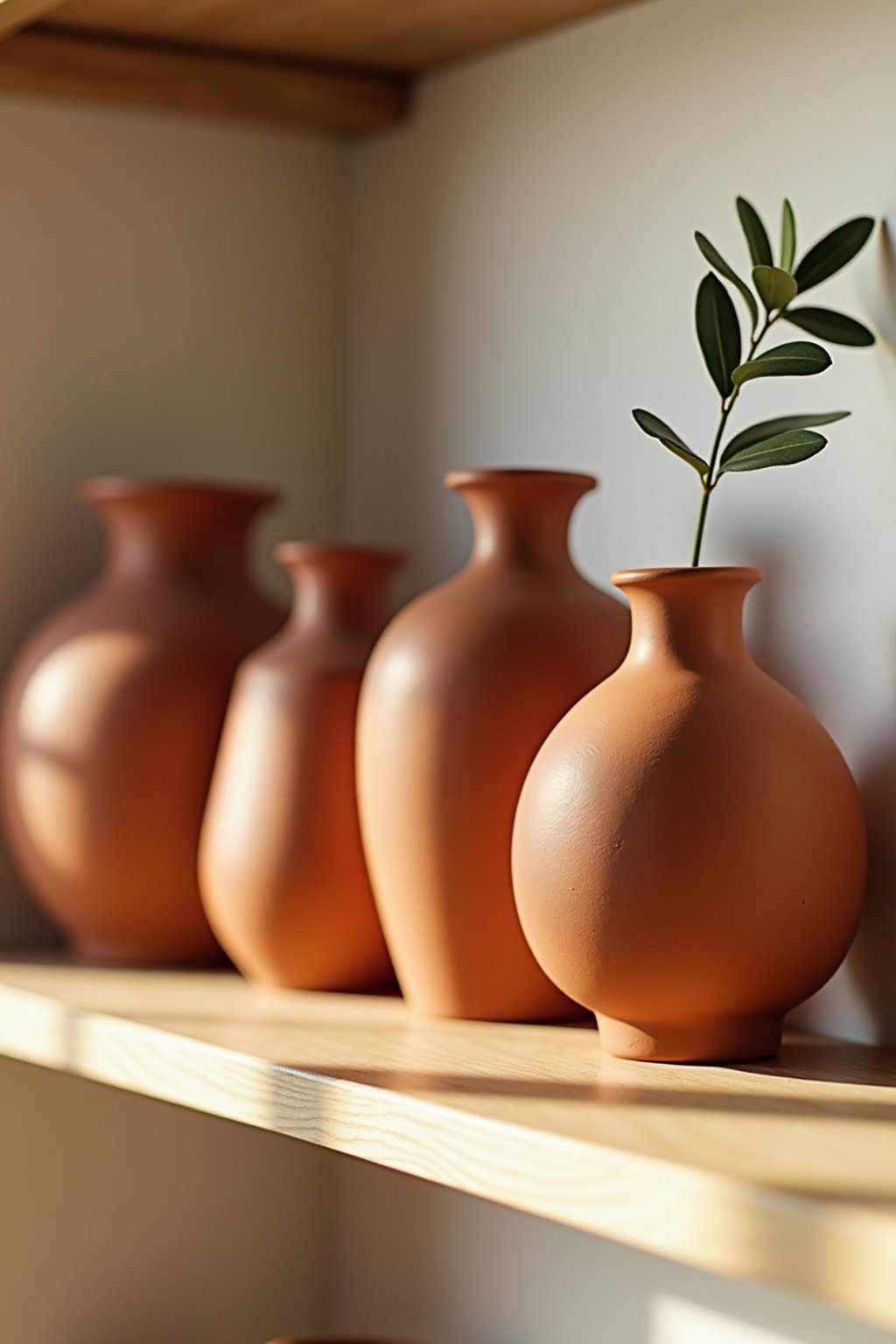
The easiest entry point into terracotta decor is ceramic vessels. A large terracotta vase on a coffee table, a cluster of small terracotta pots on a shelf, or a terracotta bowl on a console table instantly warms up any space. The beauty of terracotta ceramics is their imperfection — the natural variation in color and texture is what makes them look expensive and artisanal.
Group vessels in odd numbers and varying heights for a collected, intentional look. Three pots of different sizes on a shelf or five small terracotta objects clustered on a tray creates visual interest that a single piece cannot achieve on its own.
Layer in Textiles for Depth
Once you have your ceramic anchor pieces, bring in terracotta-toned textiles to spread the warmth around the room. Linen throw pillow covers in a warm clay tone on your sofa, a terracotta throw draped over an armchair, or terracotta linen curtains filtering afternoon light all deepen the Mediterranean feel.
The key is mixing textures within the same color family. A nubby linen pillow next to a smooth cotton throw next to a woven jute basket in similar warm tones creates richness without introducing new colors. This tonal layering is what makes designer rooms feel so effortlessly warm and pulled together.
Introduce Terracotta on a Feature Wall
If you love the color and want more impact, a terracotta accent wall is absolutely stunning. The wall behind your bed, behind your sofa, or in a dining area are ideal candidates. Terracotta paint has a depth and warmth that photographs beautifully and feels like being wrapped in sunshine.
Choose a muted, earthy terracotta rather than a bright orange — the difference between gorgeous and overwhelming is in the undertone. True terracotta leans slightly brown and dusty, not neon. Paint a large swatch and check it at different times of day before committing to the full wall.
Pair With the Right Color Partners
Terracotta’s best companions are cream, olive green, warm white, and natural wood. The cream-and-terracotta combination feels Mediterranean and timeless. Olive green and terracotta together evoke a Tuscan countryside. Warm white keeps things fresh and modern, and natural wood grounds the whole palette.
For contrast, matte black accents — a black frame, black hardware, or a black lamp — add graphic punch that prevents the terracotta palette from feeling too soft. Navy blue also works beautifully as a contrasting accent, especially in throw pillows or art prints.
Add Terracotta Tile for a Permanent Statement
For the fully committed, terracotta floor tiles in an entryway, kitchen, or bathroom create a stunning, timeless foundation. Real terracotta tiles are porous and need sealing, but porcelain tiles that replicate the terracotta look give you the aesthetic without the maintenance.
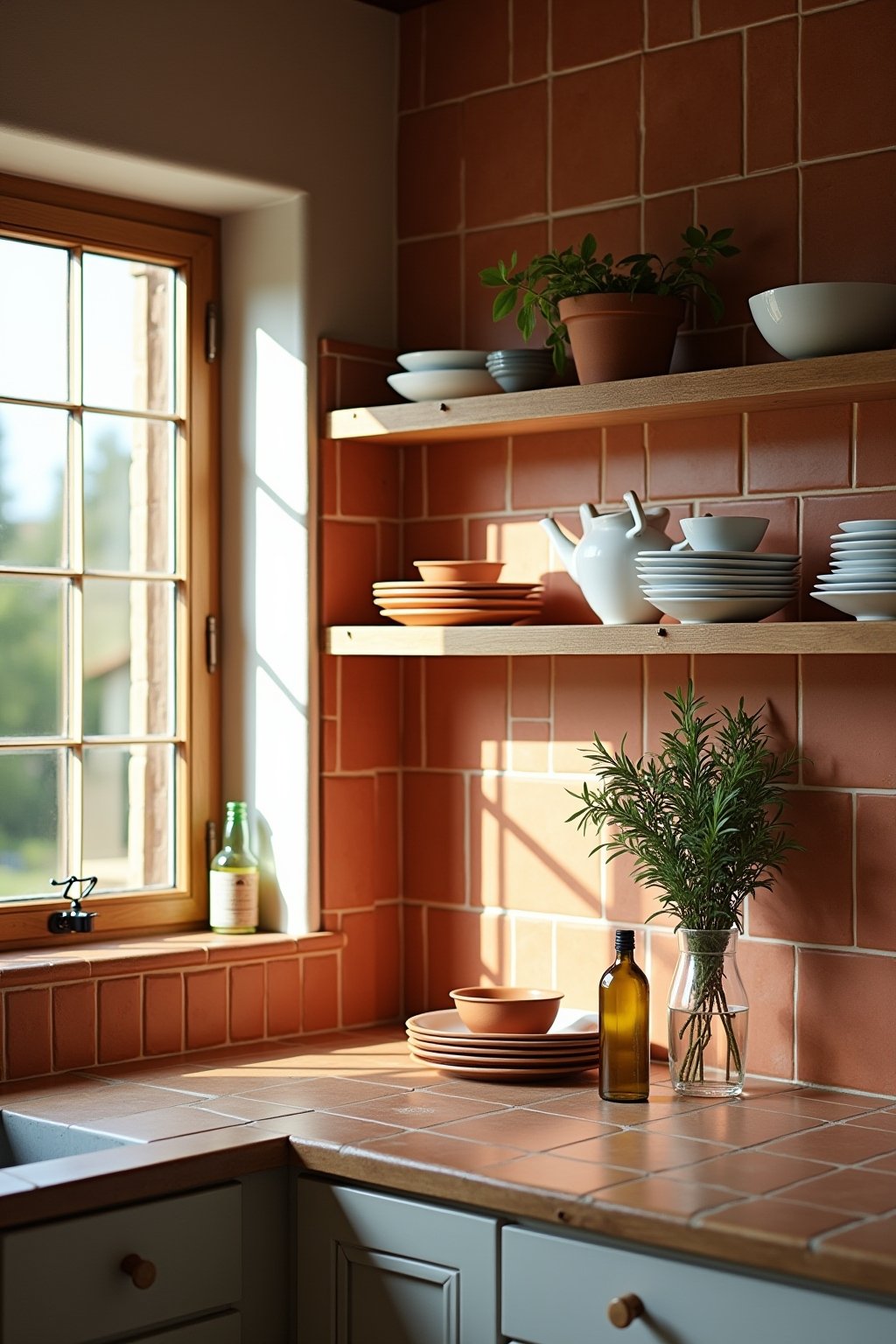
If you rent or do not want a permanent change, peel-and-stick terracotta tiles are a game-changer. Apply them to a small bathroom floor, a kitchen backsplash, or even a fireplace surround for the look of authentic terracotta tile that peels off cleanly when you are ready for a change.
Working Backwards From a Problem
- Confusing terracotta with orange — true terracotta is muted, earthy, and slightly brown. If your paint swatch looks like a traffic cone, it is the wrong shade. Always lean dusty and warm, not bright and saturated
- Going all terracotta everything — this color needs breathing room. Balance it with generous amounts of white, cream, and natural wood so the terracotta pops rather than overwhelms
- Pairing with cool tones — icy blue, cool gray, and lavender clash with terracotta’s warm undertones. Stick with warm and neutral companions for a cohesive look
- Using cheap plastic terracotta — the entire appeal of terracotta is its natural, organic quality. Cheap plastic replicas look obviously fake. Real terracotta pots are inexpensive — invest in the real thing
- Ignoring lighting — terracotta looks dramatically different in warm versus cool light. Always check how your terracotta pieces look under your actual room lighting, not just store lighting
Going Cheaper
Garden center pots indoors: Large terracotta garden pots from Home Depot or Lowe’s cost a fraction of decorative ones and look identical once you bring them inside. Use them as plant pots, catch-all bowls, or decorative vessels on the floor.
DIY terracotta paint effect: Mix two or three shades of terracotta-toned paint and apply them in layers with a sponge for a textured, authentic-looking finish that resembles real terracotta plaster walls. Total cost: about forty dollars for a feature wall.
Terracotta linen on Etsy: Search for terracotta linen pillow covers on Etsy — handmade options from Eastern European sellers often cost eight to twelve dollars each with gorgeous quality. Buy three or four to scatter across your sofa and bed.
Thrift store ceramics: Terracotta and clay-toned pottery is one of the most common thrift store finds. A two-dollar vase from Goodwill looks exactly like a forty-dollar piece from West Elm on your shelf.
Bringing the Pieces Into Conversation
- Use the rule of three — group terracotta pieces in clusters of three varying heights for instant visual interest on shelves, tables, and mantels
- Mix matte and glazed finishes — combining a matte terracotta pot with a glazed terracotta vase adds dimension and prevents the look from feeling flat
- Add green plants — terracotta and greenery is a timeless combination. The warm clay tones make green leaves look more vibrant, and vice versa
- Layer different textures — pair smooth terracotta ceramics with rough linen textiles, woven jute, and natural wood for a rich, tactile experience
- Use white as a palate cleanser — white walls, white bedding, or white shelving gives the terracotta room to breathe and prevents it from feeling heavy
- Extend to outdoor spaces — terracotta pots and planters on a patio or balcony create a seamless indoor-outdoor flow, especially in spring and summer
Rooms It Suits
Living Room
A terracotta accent wall behind a cream linen sofa with terracotta and olive green throw pillows. A large terracotta vase on a warm oak coffee table, a jute rug underfoot, and brass accents scattered throughout. The combination feels like a Mediterranean living room that has been collecting warmth and character for decades.
Bedroom
Terracotta linen bedding on a warm wood bed frame with white walls and cream curtains. Two terracotta ceramic lamps on the nightstands, a few terracotta pots with trailing plants on the dresser, and a woven throw at the foot of the bed. This palette turns an ordinary bedroom into a sun-drenched retreat.
Kitchen
Terracotta peel-and-stick tiles on the backsplash behind the stove, open wooden shelving with terracotta bowls and white ceramic dishes, a terracotta fruit bowl on the counter, and olive oil in a beautiful ceramic dispenser. Simple changes that make the kitchen feel like it belongs in a Provencal farmhouse.
FAQ
Is terracotta a warm or cool color?
Terracotta is a warm color with orange and brown undertones. It pairs best with other warm tones like cream, olive green, warm wood, and brass. Avoid pairing with cool blues, grays, or lavender.
Will terracotta decor look dated in a few years?
Terracotta has been a staple in Mediterranean, Southwestern, and European design for thousands of years. The current trend may peak, but muted terracotta earth tones are timeless when used as accents alongside neutrals.
What wall color goes best with terracotta decor?
White, warm white, cream, and soft beige walls all let terracotta accents pop beautifully. Sage green walls also pair surprisingly well with terracotta for a nature-inspired palette.
Can I mix terracotta with other earth tones?
Absolutely. Terracotta layers beautifully with rust, sienna, ochre, olive, and sand tones. The key is varying the shades and textures so the palette feels dimensional rather than flat.
How do I add terracotta to a modern minimalist room?
Keep it restrained — one or two statement pieces like a large terracotta vase or a set of clay-toned throw pillows. The contrast between clean modern lines and organic terracotta warmth is what makes the combination work.
What is the difference between terracotta and rust?
Terracotta is lighter and more orange-brown with an earthy, clay-like quality. Rust is deeper and more red-brown with a richer, moodier feel. Both are beautiful earth tones that can work together in the same space.