
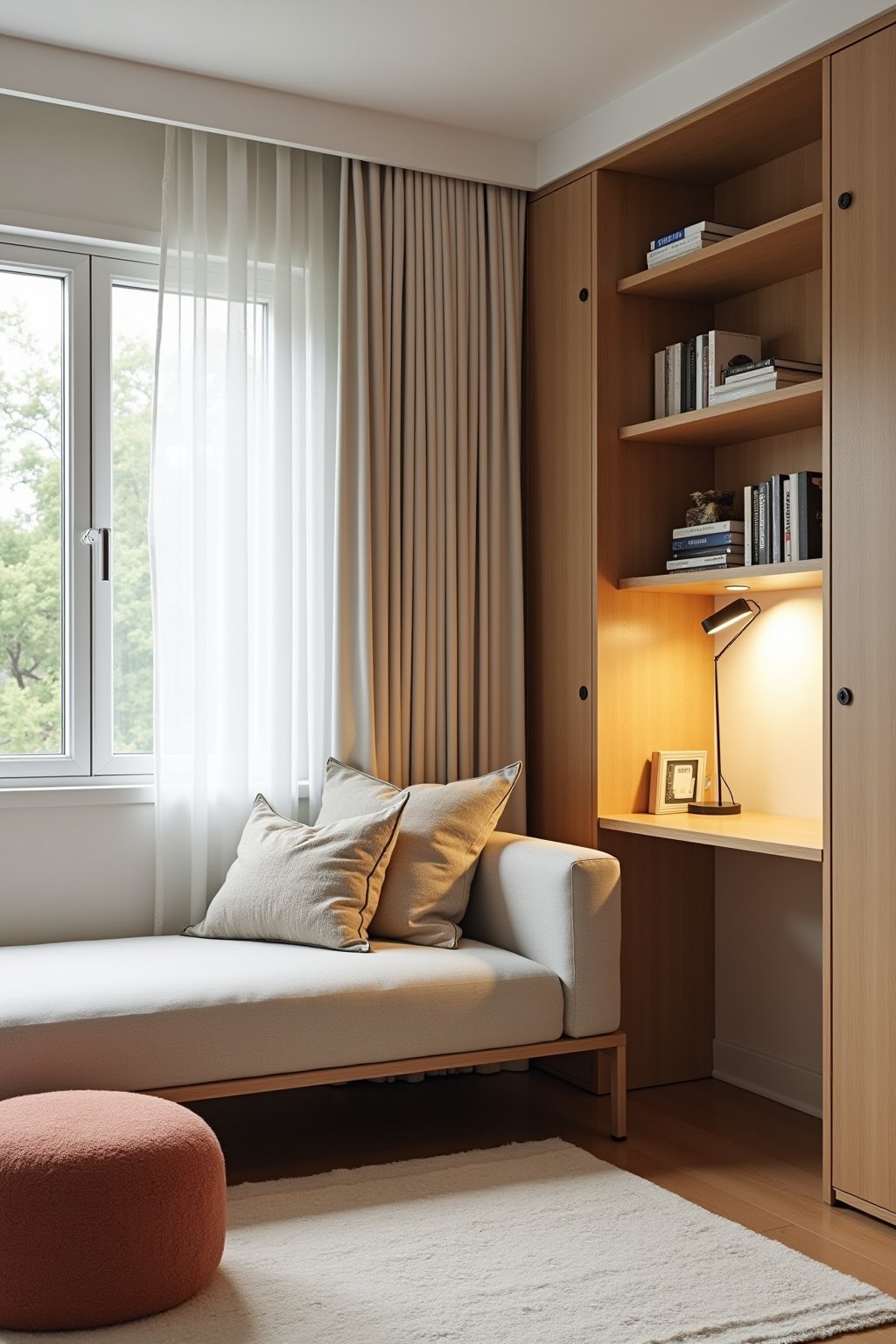
Not everyone has the luxury of a dedicated home office, a formal living room, and a guest bedroom. In a lot of homes and apartments, one room has to do all three jobs — and if you set it up right, it can actually do all of them well.
I have been working from home in my living room for over a year now, and it also doubles as our guest room when family visits. It took some trial and error, but I finally figured out how to zone the space so it does not feel like a cluttered mess or a dorm room compromise. The trick is not buying more stuff — it is choosing the right stuff, putting it in the right place, and making each zone feel intentional instead of accidental.
The Detail Worth Knowing
- Solves a real problem — remote work, smaller living spaces, and rising housing costs mean most people need their rooms to multitask. This is practical design for real life
- Reduces clutter, not function — smart multifunctional furniture replaces three separate pieces with one, actually reducing visual clutter while increasing what the room can do
- Makes small spaces feel bigger — a well-zoned room with clear purposes feels larger and more organized than a room with no defined areas
- Saves money — furnishing one smart room costs less than furnishing three single-purpose rooms
- Keeps guests comfortable — a dedicated guest zone with a quality sleeper sofa or murphy bed shows thoughtfulness without sacrificing a room you use every day
- Works in any size — from a studio apartment to a suburban spare bedroom, the zoning principles work at any scale
The Lineup
The essentials for a room that does triple duty:
- Sleeper sofa, daybed, or murphy bed — the key piece that converts between living and sleeping
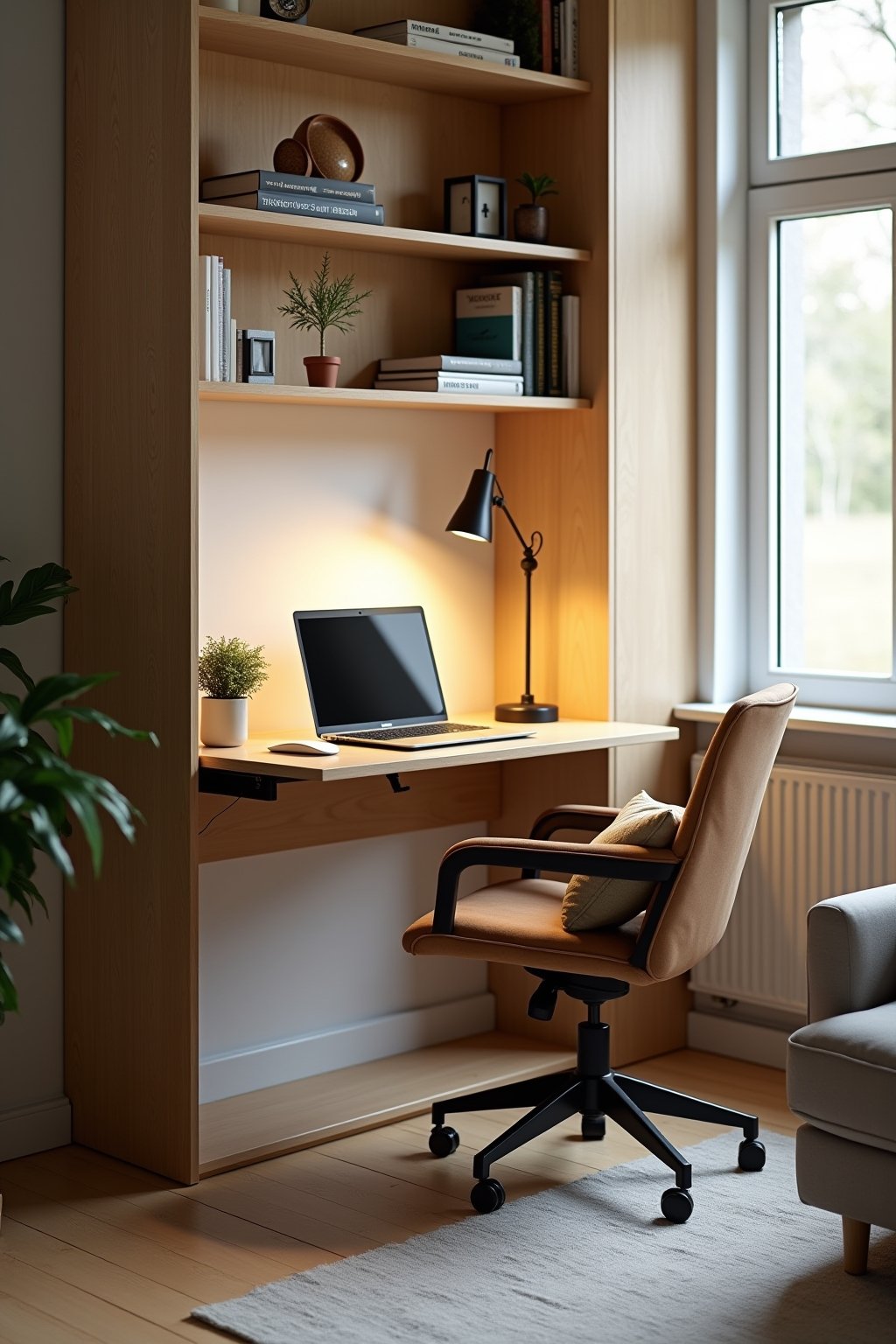
- Compact desk or secretary desk that closes up when not in use
- Room divider, bookshelf, or curtain to visually separate zones
- Good task lighting for the desk area (that does not disturb the rest of the room)
- Storage ottomans or baskets for hiding work materials and guest bedding
- A rug to define the living area and anchor the furniture
Going in Order
Define Your Three Zones
Before buying anything, sketch out where each function will live. The living zone gets the most space — a sofa (that converts for guests), a coffee table, and the TV or focal point. The office zone goes against a wall or in a corner with a desk, chair, and task lighting. The guest zone shares space with the living area via a sleeper sofa or daybed.
Think about sight lines. When you are on a video call, what is behind you? When a guest sleeps over, can they have some privacy? When you are watching TV, is the desk visual clutter? Position zones to minimize these conflicts.
Choose Furniture That Converts
The right furniture makes triple-duty rooms seamless. A quality sleeper sofa that is genuinely comfortable for both sitting and sleeping is the foundation. Skip flimsy futons — invest in a real sleeper with a good mattress.
For the office, a secretary desk or fold-down wall desk that closes completely when work is done is a game-changer. When it is closed, the room looks like a living room, not an office. A storage ottoman can hold guest pillows and blankets during the day and serve as extra seating or a footrest.
Use Visual Dividers to Create Separation
Even in one room, your brain needs cues to switch between modes. A bookshelf placed perpendicular to the wall can separate the desk area from the living area while providing storage on both sides. A curtain on a ceiling track can close off the sleeping area when guests visit.
Rugs are invisible dividers — a rug under the sofa and coffee table defines the living zone. The desk on bare floor (or a separate small rug) reads as a different area. Different lighting in each zone reinforces the separation.
Control the Clutter at Every Transition
The biggest challenge of a multifunctional room is stuff from one function leaking into another. Work papers on the sofa. Guest pillows on the desk chair. Laptop on the coffee table.
Solve this with dedicated storage for each zone. A closed desk for work materials. A storage ottoman or basket for guest bedding. A drawer or tray on the coffee table for remotes and coasters. Everything should have a home so the room can reset quickly between modes.
Make Each Zone Feel Intentional
The difference between a messy multipurpose room and a well-designed one is intentionality. Each zone should look like it was planned, not like you ran out of rooms. The desk area gets a nice lamp and a piece of art above it. The sofa gets styled throw pillows and a blanket. The guest zone gets a nightstand-height side table with a lamp.
When every zone is styled with care, the room reads as versatile and smart rather than cramped and compromise-y. Guests feel welcomed, not like they are sleeping in your office.
Common Hiccups
- Buying a terrible sleeper sofa — guests will not sleep on a metal bar under a thin mattress. Invest in a comfortable sleeper or consider a daybed with a trundle instead
- Leaving the desk setup visible 24/7 — monitors, cables, and sticky notes on display makes the room always feel like an office. A closable desk or a screen solves this
- No storage for transitions — if guest bedding has nowhere to go during the day, it ends up piled on a chair. Storage ottomans, closet bins, or a trunk solve this
- Identical lighting everywhere — each zone needs its own lighting so you can light the desk brightly while keeping the living area dim, or vice versa
- Trying to make it look like three separate rooms — the room should feel cohesive. Use one color palette and one design style across all zones so it reads as one well-designed room with multiple functions
Lighter on the Wallet
IKEA hack desks: A wall-mounted fold-down desk takes up zero floor space and closes flat against the wall when not in use. Pair with a compact task chair that slides under it.
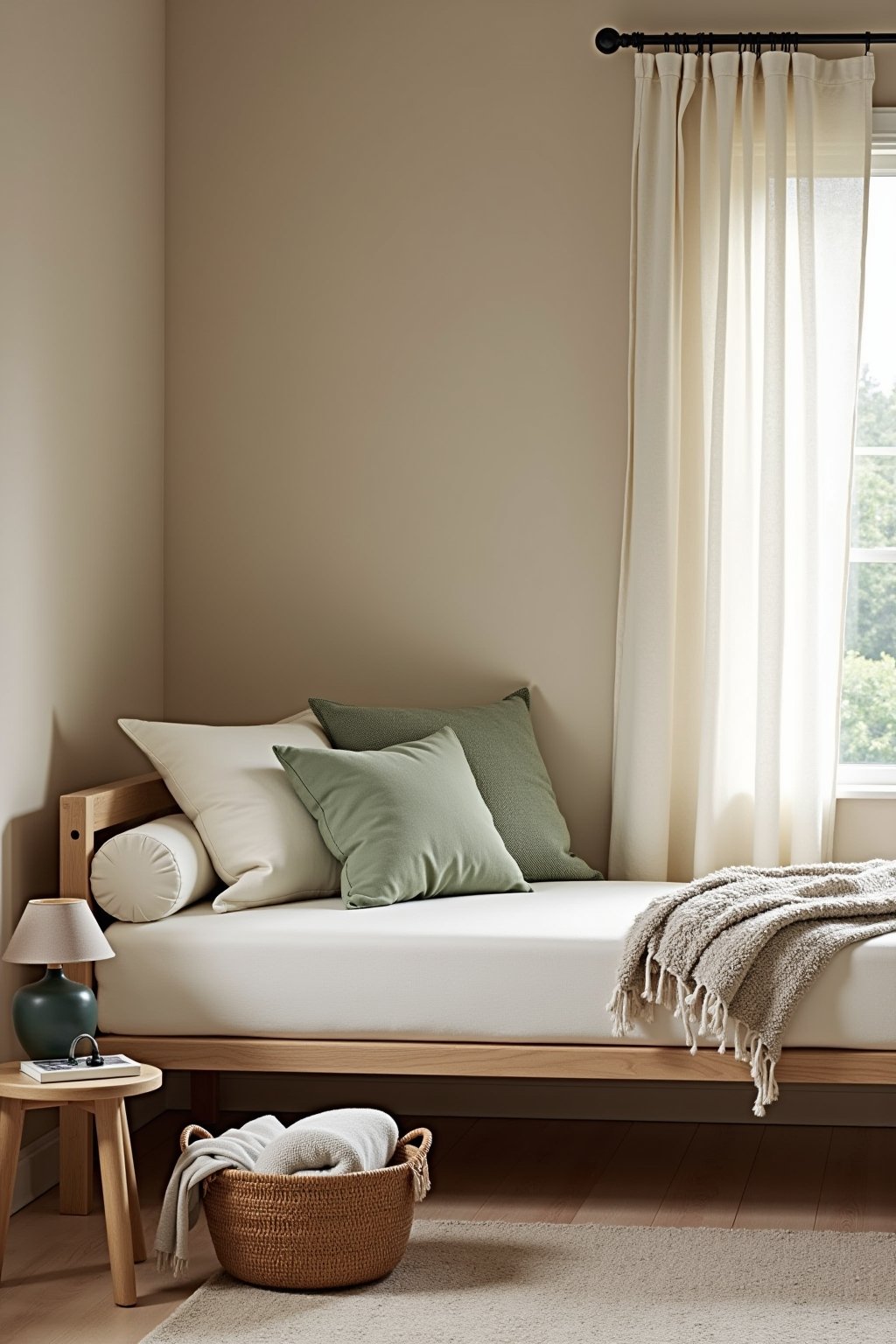
Daybed instead of sleeper sofa: A daybed with a trundle is often cheaper than a quality sleeper sofa, takes up less space, and looks like a stylish sofa during the day with the right pillows.
Curtain divider instead of furniture: A ceiling-mounted curtain track with a linen panel costs very little and creates a flexible privacy screen that can open or close as needed.
Storage baskets as decor: Woven baskets that hold guest blankets and work supplies double as attractive room accessories. Form and function for the cost of a basket.
The Finish Line
- One color palette for the whole room — this is what makes it look intentional. Warm neutrals, soft greens, or muted blues work across all three functions
- Style the sofa for living, not sleeping — throw pillows and a blanket make it a living room during the day. Store them in an ottoman when it converts to a bed
- Art above the desk doubles as a video call backdrop — choose something simple and professional-looking
- A single large rug under the living area anchors that zone and makes the room feel bigger than separate small rugs would
- Add a small nightstand or C-table beside the sofa for the guest function — a place for a phone, water, and a lamp makes overnight guests feel considered
- Keep surfaces clear — the room has to reset between functions, so minimalism is not just aesthetic, it is practical
Spot Suggestions
Studio Apartment
A daybed with a trundle against one wall, styled with throw pillows to look like a sofa during the day. A wall-mounted fold-down desk in the corner with a task lamp and a small shelf above it. A rug under the daybed and coffee table defines the living area. A curtain on a ceiling track separates the sleeping area from the kitchenette. Warm neutrals throughout with one sage green accent wall.
Spare Bedroom
A compact desk in front of the window with a comfortable task chair, a quality sleeper sofa against the opposite wall with styled pillows, and a bookshelf perpendicular to the wall between them creating a natural divider. Storage ottoman at the foot of the sofa holds guest bedding. Warm wood tones and cream textiles keep it cohesive.
Large Open Room
A full L-shaped desk setup in one corner with a bookshelf wall behind it creating a defined office nook. A full-sized sleeper sectional in the center facing the TV wall. A side table with lamp and charging station for the guest function. Large area rug anchoring the living zone. The size allows each function real space without crowding.
Quick Answers
What is the best sofa for a room that doubles as a guest room?
A sleeper sofa with a real innerspring or memory foam mattress, or a daybed with a pull-out trundle. Avoid thin futon mattresses. Your guests will thank you, and so will your back when you sit on it daily.
How do I hide my desk setup when I am not working?
A secretary desk that folds closed, a fold-down wall desk, or a desk inside a closet with doors are all great options. When the desk closes, the office disappears.
Can this work in a very small room?
Yes. A small room actually benefits most from multifunctional design because you are maximizing every square foot. Use a daybed, a wall desk, and vertical storage to fit all three functions in a compact space.
How do I make the room feel private for guests?
A ceiling-mounted curtain track with a linen or cotton panel gives guests visual privacy. Add a white noise machine and a dim lamp on a nearby surface for comfort.
What about storage for all three functions?
Storage ottomans, baskets, a closet with labeled bins, and a desk with drawers cover all three. The key is everything having a designated home so the room can transition quickly.
Should I buy a murphy bed?
Murphy beds are fantastic for this purpose but are a bigger investment. They free up the most floor space and provide a real mattress. Consider one if you have guests frequently and the room is on the smaller side.