
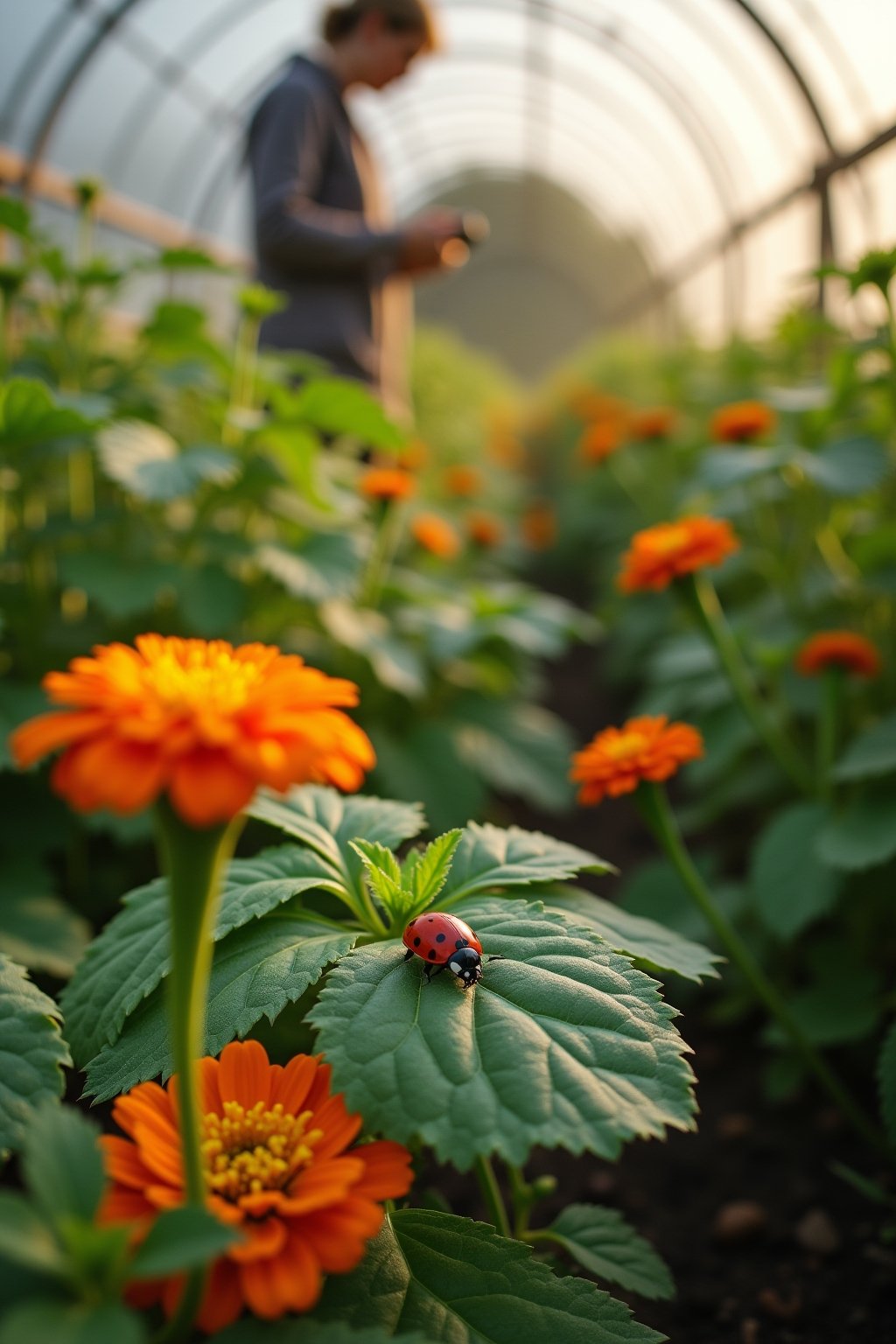
The moment your garden starts producing food, the bugs find it. Aphids on the tomatoes, cabbage worms in the broccoli, squash bugs lurking under leaves, and cucumber beetles demolishing your seedlings overnight. Your first instinct is to reach for a chemical spray — and that is where most gardeners make the biggest mistake.
Chemical pesticides kill the bad bugs and the good bugs together. The ladybugs that eat aphids. The parasitic wasps that destroy hornworms. The ground beetles that control slugs. When you kill the beneficial predators, pest populations actually get worse over time because there is nothing left to keep them in check. I switched to natural pest management four years ago and my gardens have had fewer pest problems every year since — because I am growing an ecosystem, not fighting one.
Quick Facts
| Sun | N/A (pest management applies to all garden types) |
| Difficulty | Beginner |
| Season | Prevention starts before planting, management is ongoing |
| Zone | Works in all USDA zones 5-9 |
| Time to Harvest | Healthier plants = bigger harvests all season |
What You’ll Need
- Row cover / insect netting (10-foot by 12-foot piece)
- Neem oil concentrate
- Castile soap (pure, unscented like Dr. Bronner’s)
- Spray bottle for homemade pest sprays
- Diatomaceous earth (food grade)
- Companion plants: marigolds, basil, nasturtiums
- Yellow sticky traps
- Hand-picking jar with soapy water
- Garden hose with spray nozzle (for aphid blasting)
- Mulch (straw or shredded leaves for habitat)
Row cover is the single most effective pest prevention tool: Lightweight insect netting draped over crops physically blocks pests from reaching your plants while letting in light, water, and air. It prevents 90% of pest damage without any sprays at all. Remove it when plants flower so pollinators can access the blooms (or hand-pollinate).
Neem oil is your best organic spray option: Cold-pressed neem oil disrupts pest feeding and reproduction without harming bees (when applied in evening), ladybugs, or earthworms. Mix 1 tablespoon neem oil + 1 teaspoon castile soap per quart of water. Shake well and spray in the evening.
Step 1: Build a Healthy Ecosystem (Prevention Is 80% of Pest Control)
The most powerful pest control is not a spray — it is a diverse, healthy garden ecosystem. Gardens with many different plant species attract predator insects that keep pest populations naturally balanced. A monoculture (one type of crop covering a large area) is an all-you-can-eat buffet for pests. A diverse garden is a complex ecosystem where pests are constantly in check.
How to build ecosystem diversity: Mix flowers, herbs, and vegetables together instead of separating them. Plant marigolds, nasturtiums, and alyssum throughout vegetable beds. Leave a small patch of your yard unmowed for beneficial insect habitat. Avoid perfectly tidy gardens — a little messiness (a few weeds, some leaf litter) provides shelter for predator insects like ground beetles, spiders, and lacewings that eat pests all night long.
Step 2: Use Physical Barriers (The 90% Solution)
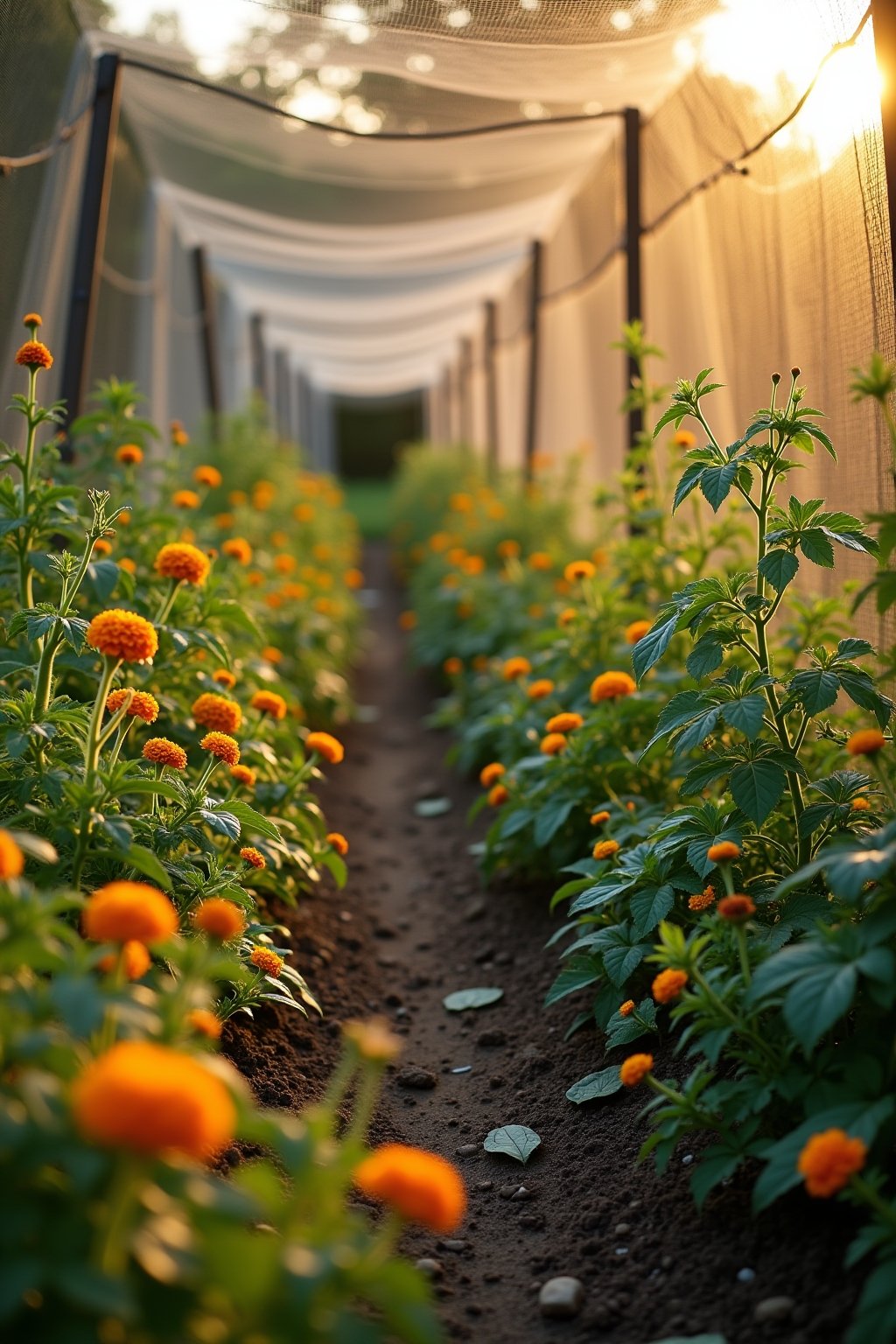
Row cover / insect netting is the most effective organic pest control tool in existence. A lightweight fabric draped over your crops blocks aphids, cabbage moths, flea beetles, squash vine borers, and cucumber beetles from ever reaching your plants. No spray can match this level of prevention.
Drape row cover over hoops or stakes to create a tunnel. Secure edges with rocks, soil, or landscape staples. Use it on: brassicas (broccoli, kale, cabbage) from planting to harvest, squash and cucumbers until they flower (then remove for pollination), and any seedlings in the first 3-4 weeks when they are most vulnerable. In zones 5-6, row cover also protects against late spring frosts.
Step 3: Attract Beneficial Predator Insects
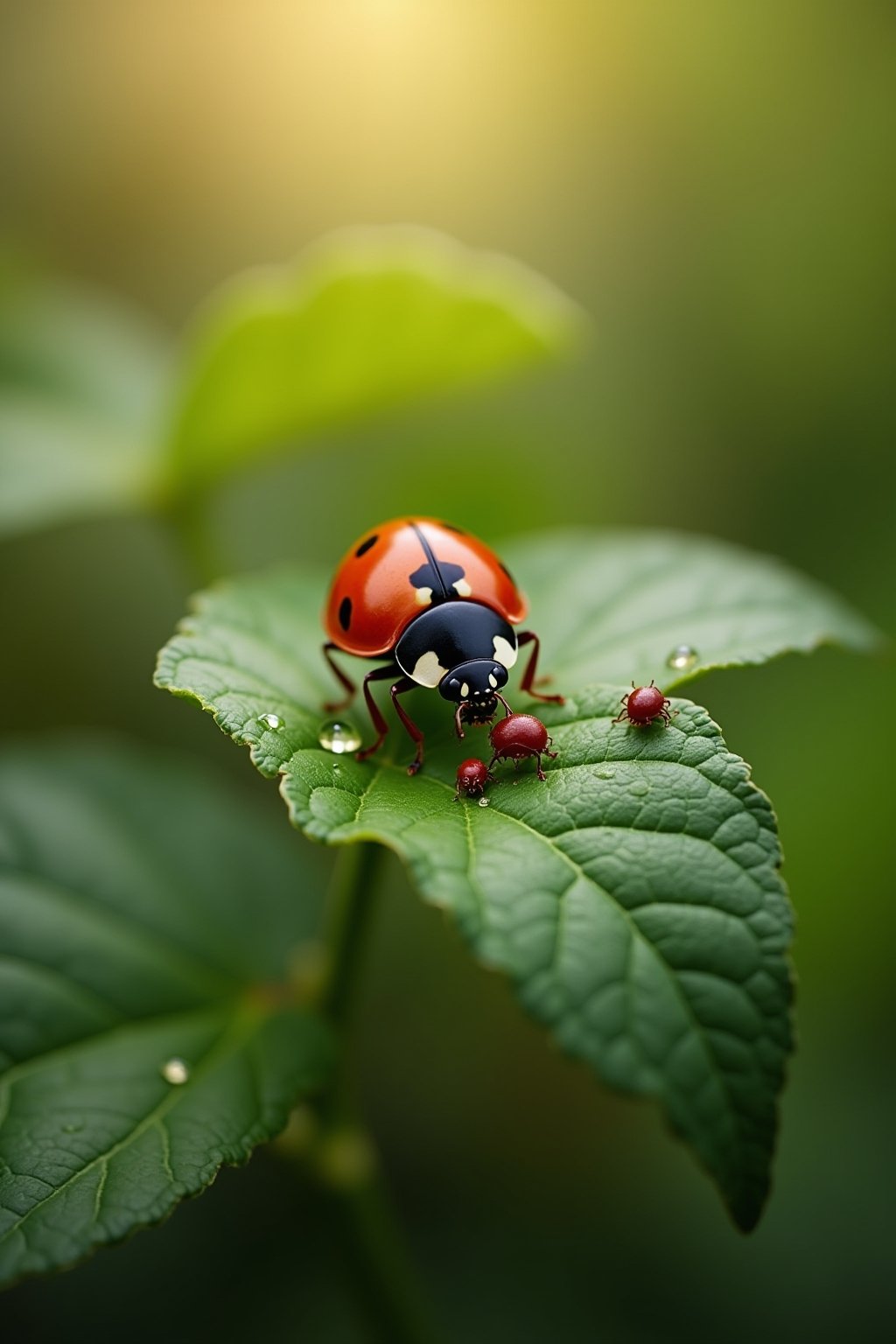
One ladybug eats up to 50 aphids per day. A single parasitic wasp can destroy 200 hornworm eggs in a season. Green lacewing larvae eat aphids, mealybugs, and small caterpillars. These are your allies — the more you attract, the fewer pest problems you have.
How to attract beneficial insects:
- Plant dill, fennel, cilantro, and parsley and let some flower — their umbrella-shaped blooms attract parasitic wasps and hoverflies
- Plant alyssum as a ground cover in vegetable beds — it attracts hoverflies whose larvae are voracious aphid predators
- Plant sunflowers and zinnias — they attract ladybugs and lacewings
- Provide a shallow water dish with pebbles for beneficial insects to drink from
- Never use broad-spectrum insecticides — they kill predators and prey alike, creating a pest vacuum that fills with even more pests
Step 4: Homemade Organic Pest Sprays That Actually Work
When prevention is not enough and pests are actively damaging plants, these targeted sprays help without nuking your beneficial insect population:
Soapy water spray (for aphids, whiteflies, mealybugs): Mix 2 tablespoons pure castile soap (like Dr. Bronner’s) in 1 quart of water. Spray directly on soft-bodied insects. The soap dissolves their protective coating. Spray in the evening to avoid harming bees and let it dry before morning. Rinse plants with clean water the next day.
Neem oil spray (broad-spectrum organic): Mix 1 tablespoon cold-pressed neem oil + 1 teaspoon castile soap in 1 quart warm water. Shake vigorously. Spray on affected plants in the evening. Neem disrupts pest feeding and reproduction without harming beneficial insects when applied correctly. Effective against aphids, whiteflies, spider mites, and fungal diseases.
Garlic spray (general repellent): Mince 4 cloves of garlic, steep in 1 tablespoon mineral oil overnight, strain, and add to 1 pint of water with 1 teaspoon castile soap. Spray on plants. The strong scent repels many common garden pests.
Step 5: Hand-Picking and Targeted Removal
Sometimes the simplest method is the most effective. Hand-picking large pests is faster and more targeted than any spray. Check your garden in the early morning when slugs, hornworms, and squash bugs are sluggish and easy to spot.
For slugs and snails: Handpick in the morning or set out a shallow dish of beer — slugs are attracted to the yeast, crawl in, and drown. Copper tape around pots gives slugs a mild shock that deters them. Diatomaceous earth (food grade) sprinkled around plants damages the soft bodies of slugs and many crawling insects.
For larger insects (hornworms, squash bugs, potato beetles): Drop them into a jar of soapy water. Check the undersides of leaves for egg clusters — scrape them off before they hatch. A daily 5-minute garden inspection catches infestations early when they are still manageable.
For aphids: A strong blast of water from a hose knocks aphids off plants and they rarely find their way back. This works better than any spray for mild to moderate infestations.
If Yours Doesn’t Look Right
Beneficial insects not showing up: It takes time to build a balanced ecosystem. Plant a variety of flowers that bloom at different times through the season. Avoid all chemical sprays including organic ones if possible — even organic sprays can reduce beneficial populations. Give it 1-2 seasons.
Pests keep coming back after spraying: Sprays treat symptoms, not causes. Focus on prevention: row covers, companion planting, crop rotation, and attracting predators. A healthy ecosystem is self-regulating.
Neem oil burning leaves: Applied in direct sunlight or at too high a concentration. Always spray neem in the evening and use the recommended dilution (1 tablespoon per quart). Test on a few leaves first and wait 24 hours before spraying the entire plant.
Caterpillars destroying brassicas: Use row cover from the moment you plant. Once cabbage moths have laid eggs, BT (Bacillus thuringiensis) is a naturally occurring bacteria that kills only caterpillars and is safe for all other insects, pets, and humans.
Timing Across the Year
Early Spring (before planting): Set up row cover hoops and have netting ready. Plant companion flowers like alyssum and marigolds alongside vegetables. Check stored row cover for holes.
Spring (planting time): Apply row cover to brassicas, squash, and cucumbers immediately after planting. Interplant basil with tomatoes. Plant nasturtiums at garden edges as trap crops.
Summer (peak pest season): Do a 5-minute garden check every morning. Hand-pick large pests. Blast aphids with water. Remove row cover from squash and cucumbers when they flower. Let herbs bolt and flower to attract beneficials.
Fall: Clean up garden debris that harbors overwintering pests. Rotate crop locations for next year. Plant a cover crop to build soil health and break pest cycles.
What the First Time Showed Me
- Row cover prevents 90% of pest damage without any sprays — it is the single most cost-effective organic pest control tool. A 10-dollar piece of row cover protects an entire bed for the season.
- A diverse garden is a pest-resistant garden — mix flowers, herbs, and vegetables together. Monocultures attract pests. Diversity attracts the predators that eat them.
- One ladybug eats 50 aphids per day — attract them with sunflowers, marigolds, and dill. Never use broad-spectrum sprays that kill your best allies.
- Check the undersides of leaves every morning — this is where eggs are laid and where infestations start. Catching 20 eggs is easier than fighting 200 caterpillars.
- A strong hose spray is the best aphid treatment — blast them off plants with water. They rarely find their way back. No spray needed.
- Healthy plants resist pests naturally — proper sunlight, watering, soil nutrition, and spacing create strong plants that bounce back from pest damage. Stressed, weak plants attract more pests and recover less.
A Few More on This
- Spring Garden Pest Prevention: 9 Natural Ways to Protect Your Plants Without Chemicals
- Companion Planting Guide: What to Grow Together (and What to Keep Apart)
Inbox Highlights
What is the best natural pest control for gardens?
Row cover (insect netting) is the most effective. It physically blocks pests from reaching plants and prevents 90 percent of damage without any sprays. For active infestations, a soapy water spray (2 tablespoons castile soap per quart of water) kills soft-bodied insects like aphids on contact.
How do I get rid of aphids without chemicals?
Three methods work well: blast them off with a strong stream of water from a hose (they rarely return), spray with soapy water (2 tablespoons castile soap per quart), or attract ladybugs by planting marigolds, sunflowers, and dill. Plant nasturtiums as trap crops to lure aphids away from vegetables.
Is neem oil safe for vegetable gardens?
Yes, neem oil is safe for food gardens when used correctly. Mix 1 tablespoon cold-pressed neem oil with 1 teaspoon castile soap per quart of warm water. Always spray in the evening when bees are not active. Neem is effective against aphids, whiteflies, spider mites, and fungal diseases without harming beneficial insects.
How do I keep slugs out of my garden naturally?
Hand-pick in early morning when they are visible and sluggish. Set out shallow dishes of beer as traps. Sprinkle food-grade diatomaceous earth around plants. Place copper tape around pots. Encourage natural slug predators like ground beetles and birds by maintaining some garden diversity and leaf litter.
What plants repel garden pests naturally?
Marigolds repel nematodes, whiteflies, and aphids. Basil repels mosquitoes and tomato pests. Rosemary and sage repel cabbage moths. Nasturtiums act as trap crops for aphids. Chives and garlic repel aphids and spider mites. Plant these throughout your vegetable beds for the best effect.
Why do I have more pests after using chemical pesticides?
Chemical pesticides kill both pest insects and the beneficial predator insects that naturally keep pest populations in check. Once the predators are gone, pest populations rebound faster because nothing is eating them. This creates a cycle of increasing pesticide dependency. Natural pest management builds a balanced ecosystem where predators keep pests at manageable levels.