Every new gardener makes the same five mistakes. I know because I made all five in my first spring and watched a garden full of potential turn into a frustrating mess by June. The tomatoes went in too early and sat there doing nothing. The lettuce all ripened the same week and bolted before I could eat it. I planted twice as much as I could maintain and spent the summer pulling weeds instead of harvesting food.
The good news is that these mistakes are predictable, completely fixable, and once you know what they are you never make them again. Whether you are in zone 5 with a short spring window or zone 9 with an early heat wave approaching, avoiding these five traps is the difference between a garden that feeds you all summer and one that frustrates you into quitting by July.
Quick Facts
| Sun | Full Sun (6-8 hours for most food crops) |
| Difficulty | Beginner |
| Season | Spring planting season (March-May depending on zone) |
| Zone | Zones 5, 6, 7, 8, and 9 |
| Time to Harvest | Varies by crop (21-80+ days) |
What to Have Ready
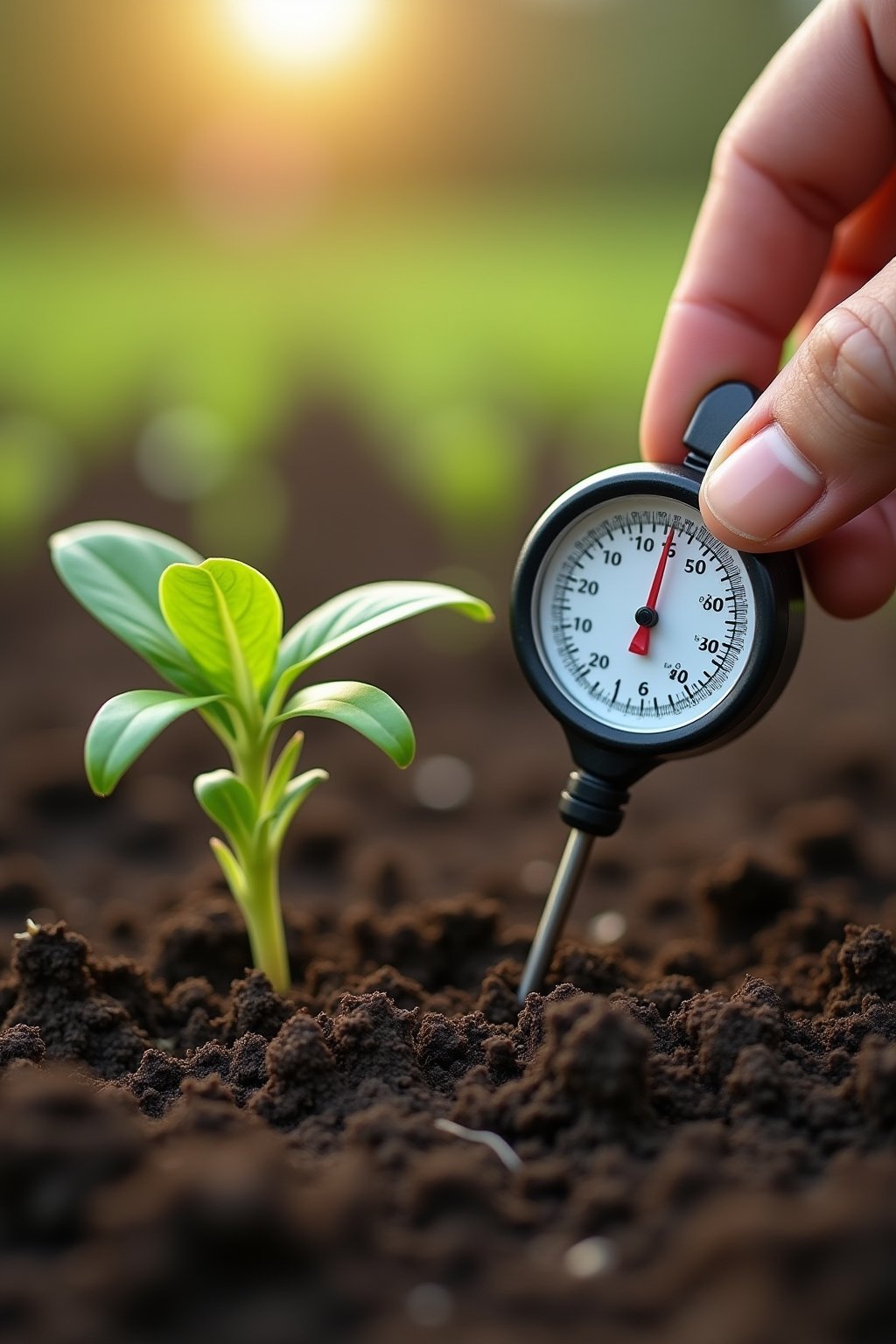
- Soil thermometer (prevents mistake #1)
- Garden journal or planting calendar app
- Seed starting supplies (if starting indoors)
- Compost for soil preparation
- Mulch (straw or shredded leaves)
- Row cover or frost cloth for late-frost protection
- Drip irrigation or soaker hose
- Basic garden tools (trowel, hand fork, pruners)
- Plant labels and permanent marker
- One reliable gardening reference (not social media)
The most important tool is information, not equipment: You do not need expensive gadgets or a shed full of tools to start a garden. A trowel, a watering can, a soil thermometer, and a basic understanding of your zone’s frost dates will take you further than any amount of equipment.
Keep a garden journal: Write down what you plant, when you plant it, and what happens. This single habit will teach you more about gardening in your specific yard than any book or website. After one season of notes, you will know exactly what works in your microclimate.
Mistake 1: Planting Too Early (The Number One Killer)
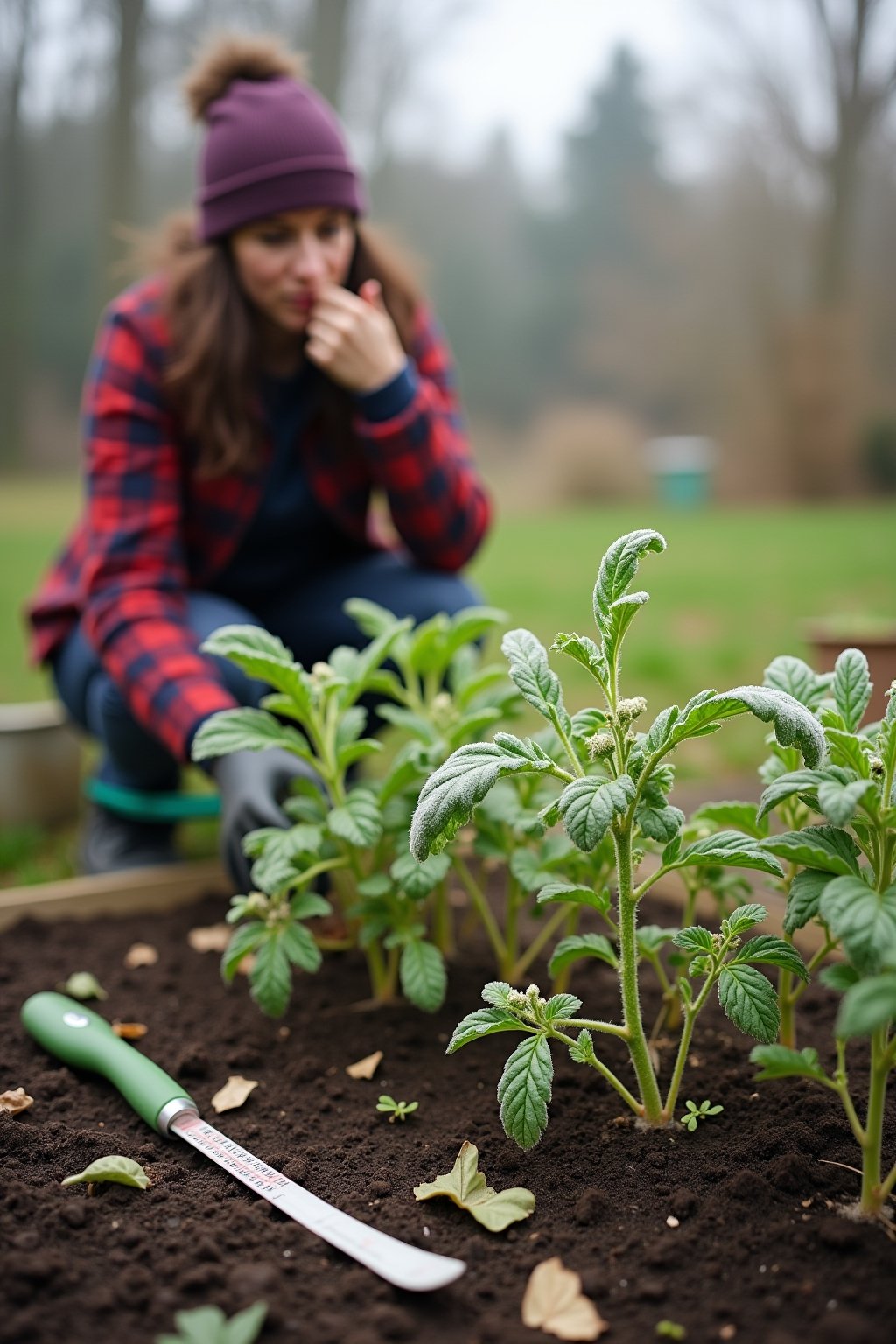
A warm week in March makes every new gardener want to rush outside and plant everything. Then a frost hits and kills the tomato transplants you just paid twelve dollars for. Or the bean seeds sit in cold soil and rot instead of germinating. Planting by the calendar instead of by soil temperature is the most expensive mistake beginners make.
The fix: Buy a soil thermometer and check your soil 4 inches deep in the morning. Cool-season crops (lettuce, peas, radishes) germinate at 40-50°F. Warm-season crops (tomatoes, beans, squash) need 60°F or higher. Check the 10-day forecast before planting anything tender. A late frost in zone 5 can hit as late as late May. In zone 7, a surprise frost can strike in mid-April. Patience costs nothing but replanting costs time and money.
Mistake 2: Planting Too Much (The Overwhelm Trap)
Seed catalogs are dangerous. Everything looks amazing and before you know it you have ordered 20 varieties and planned a garden that would take a full-time farmer to maintain. By July the weeds have taken over, half the plants are stressed from neglect, and you are too exhausted to enjoy any of it.
The fix: Start with 3-5 crops you actually eat regularly. A 4×8 foot raised bed or four large containers is the perfect first garden. Master those crops for one season before expanding. A small garden that you maintain well produces more food than a large garden you abandon by midsummer. If you eat salad daily, grow lettuce. If you love salsa, grow tomatoes and peppers. Skip the eggplant if nobody in your house eats eggplant.
Mistake 3: Ignoring Your Soil (Building a House on Sand)
New gardeners focus on plants but the real magic happens underground. Planting in compacted clay, depleted sandy soil, or straight out of the bag potting mix without amendments leads to weak plants, poor harvests, and endless frustration. Your soil is the foundation of everything.
The fix: Spend one afternoon preparing your soil before planting a single seed. Work a 3-4 inch layer of compost into the top 8-12 inches of your garden bed. Test your pH with a 5-dollar kit from the garden center (most vegetables prefer 6.0-7.0). If using containers, blend 2/3 potting mix with 1/3 compost. Good soil makes everything easier — less watering, fewer pests, stronger plants, and bigger harvests. It is the single highest-return investment in gardening.
Mistake 4: Watering Wrong (Too Little, Too Often, or at the Wrong Time)
Most beginners either underwater (plants wilt and die) or overwater (roots rot and plants die). And almost everyone waters at the wrong time. Sprinkling the garden for five minutes every evening creates shallow roots, fungal disease, and wasted water.
The fix: Water deeply and less frequently. Give plants a long, slow drink 2-3 times per week rather than a quick sprinkle every day. Deep watering pushes roots downward where moisture is more stable, creating drought-resistant plants. Water in the morning so leaves dry before evening — wet leaves overnight invite fungal diseases like blight and powdery mildew. Direct water at the base of plants, not over the top. A soaker hose or drip irrigation line solves all three problems at once.
Mistake 5: Skipping Mulch (The Free Cheat Code Nobody Uses)
Bare soil is an invitation for weeds, evaporation, and temperature swings. I spent my first summer pulling weeds every weekend and watering every day because I skipped this one simple step. Mulch is the closest thing to a cheat code in gardening.
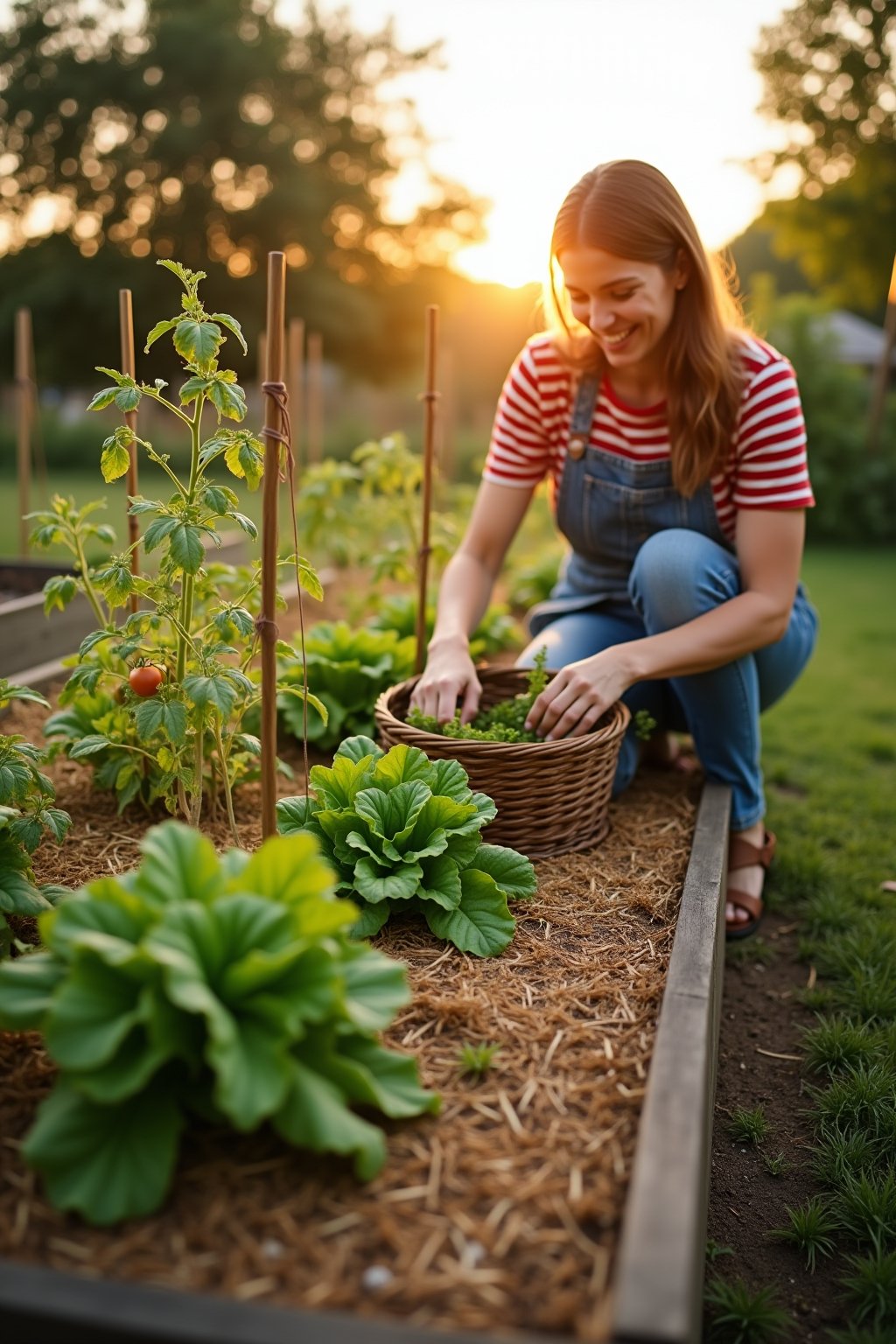
The fix: After planting, cover all bare soil with 2-3 inches of straw, shredded leaves, or grass clippings. Mulch blocks weed seeds from germinating, retains soil moisture so you water less, keeps soil temperature stable so roots are happier, and breaks down into organic matter that feeds the soil. One hour of mulching in spring saves 20+ hours of weeding and watering over the summer. The garden centers that sell mulch never tell you that free materials like shredded leaves and straw work better than expensive bark mulch for vegetable gardens.
Where I See It Break
Already planted too early and frost is coming: Cover plants with buckets, frost cloth, or old bedsheets tonight. Remove covers in the morning when temperatures rise above 35°F. Most plants can survive one cold night with protection. If plants were killed, replant and note the date to avoid this next year.
Garden is already too big and you are overwhelmed: Triage. Choose the 3-4 crops that are doing best and focus all your energy on those. Let the rest go or cover with thick mulch to suppress weeds until you have bandwidth. Next year, start smaller.
Soil is hard and compacted: Do not try to rototill hardpan soil — it makes it worse. Instead, layer 4-6 inches of compost on top and let worms and microbes work it in over a season. Or build a raised bed on top of the compacted soil.
Plants look wilted even though soil is wet: Overwatering. Roots need oxygen and waterlogged soil suffocates them. Let the soil dry out before watering again. Improve drainage with compost and avoid watering on a fixed schedule — check the soil first.
Timing Across the Year
February-March (Planning): Plan what to grow based on what you eat. Order seeds or locate transplant sources. Prepare garden beds by adding compost. Test soil pH. Know your zone’s last frost date.
April (Cool-Season Planting): Plant cool-season crops when soil reaches 40-50°F. Start hardening off indoor transplants. Resist the urge to plant warm-season crops until soil hits 60°F.
May (Warm-Season Planting): After last frost, plant tomatoes, peppers, beans, and squash. Mulch everything. Set up irrigation. Apply the first round of fertilizer 2-3 weeks after planting.
June-September (Maintenance): Water deeply 2-3 times per week. Fertilize monthly. Harvest regularly. Keep a journal of what works. Pull weeds before they go to seed. Enjoy the food you grew.
On the Margin
- Your frost date is not a planting date — it is the earliest possible date for warm-season crops. The 10-day forecast is more reliable than any calendar. Many experienced gardeners wait 2 weeks past the average last frost date before planting tomatoes and peppers.
- Three crops done well beats ten crops done poorly — a small, well-maintained garden produces more food per square foot than a large neglected one. Focus on your family’s favorite vegetables and expand only when those are under control.
- Compost fixes almost every soil problem — heavy clay, sandy soil, poor fertility, low biological activity. A 3-inch layer of compost worked into the top 12 inches is the single most impactful thing you can do for your garden.
- Morning watering prevents 80% of fungal diseases — wet leaves overnight create the perfect environment for blight, powdery mildew, and other diseases. Water at the base of plants before 10 AM and your disease pressure drops dramatically.
- Free mulch is everywhere — shredded fall leaves, straw from a farm store, grass clippings from a neighbor who does not use herbicides. These work better than expensive bark mulch for vegetable gardens because they break down and feed the soil.
- Take one photo of your garden every week from the same spot — by fall you will have an incredible time-lapse and a visual record of what grew well, what struggled, and how the garden changed. This is better than any written journal for understanding your space.
Up Next
- How to Prepare Your Garden Soil for Spring Planting (Step-by-Step)
- How to Start a Vegetable Garden From Scratch (Even If You Have Never Grown Anything)
- 10 Beginner Gardening Mistakes (And Exactly How to Fix Them)
Common Questions
What is the biggest mistake beginner gardeners make?
Planting too early before the soil is warm enough. A warm day does not mean warm soil. Using a soil thermometer to check 4 inches deep prevents the most common and expensive spring gardening failure. Cool-season crops need 40-50 degree soil, warm-season crops need 60 degrees or higher.
How many vegetables should a beginner grow?
Start with 3-5 crops you eat regularly. A 4×8 foot raised bed can comfortably grow tomatoes, lettuce, herbs, peppers, and beans. Master these for one season before expanding. The number one reason new gardeners quit is taking on too much and getting overwhelmed by maintenance.
Why did my tomato transplants die after planting?
Most likely planted too early. Tomatoes cannot survive any frost and they stall when nighttime temperatures drop below 50 degrees Fahrenheit. Soil that is too cold causes roots to shut down. Wait until your soil thermometer reads 60 degrees at 4 inches deep and nighttime temps stay consistently above 50 degrees.
How do I know when to water my garden?
Stick your finger 2 inches into the soil. If it feels dry, water. If it feels moist, wait. Most gardens need deep watering 2-3 times per week, not light sprinkling every day. Water in the morning at the base of plants. This simple finger test prevents both overwatering and underwatering.
Is it too late to start a garden if I missed the spring planting window?
It is almost never too late. You can plant fast-growing crops like lettuce, radishes, beans, and cucumbers well into May and June in most zones. Even in zone 5 with a short season, bush beans planted in June produce a full harvest by August. Start with what you can plant now and plan a bigger spring garden for next year.
Do I need to test my soil before planting?
A pH test is worth the 5-dollar investment. Most vegetables grow best in soil with a pH of 6.0 to 7.0. If your pH is wildly off, no amount of fertilizer will help because the plants cannot absorb nutrients at the wrong pH. You do not need an expensive lab test — a simple home kit from the garden center gives you enough information.