
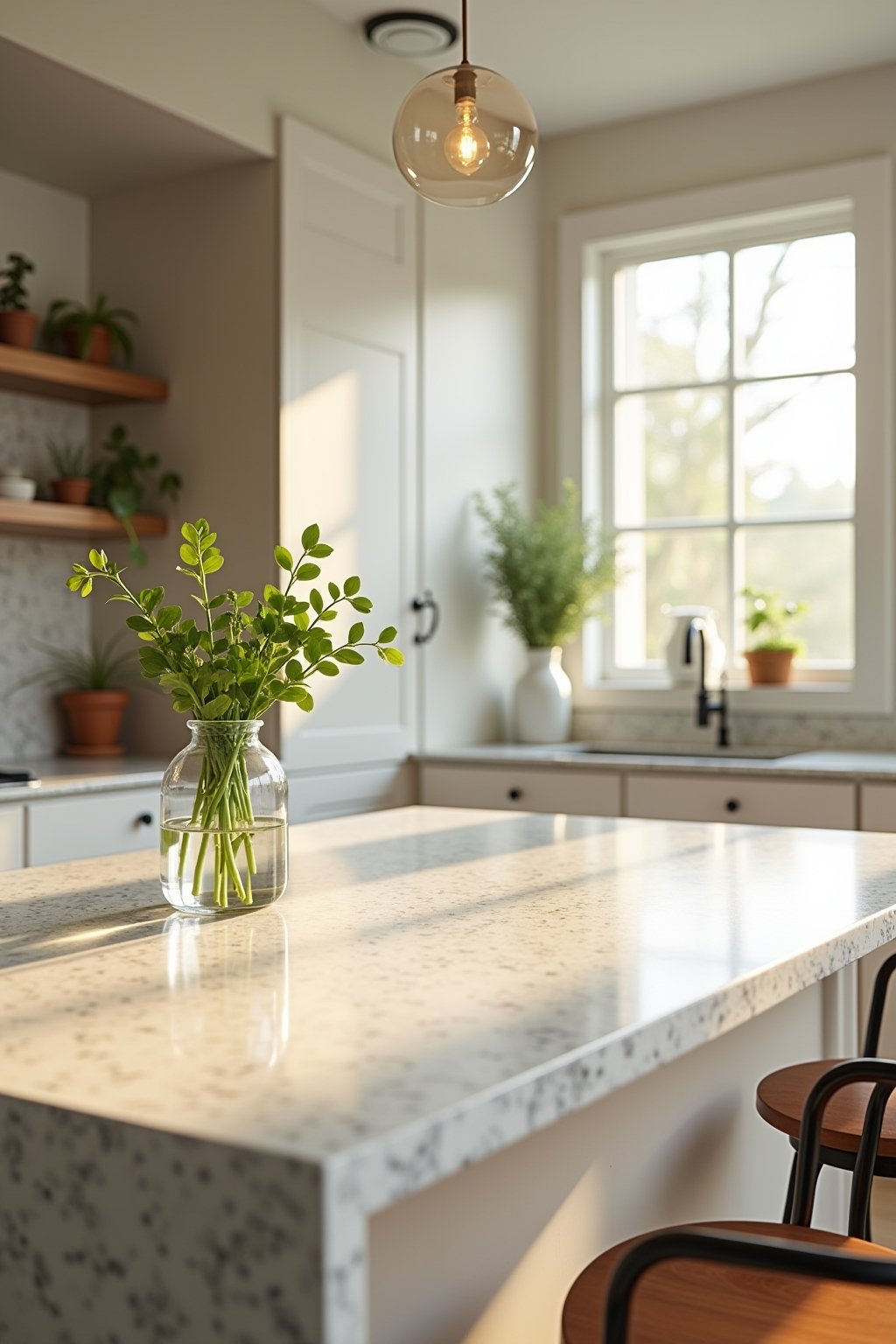
I once watched a well-meaning house guest “help” me clean up after dinner by wiping down my marble countertop with a lemon-scented all-purpose cleaner. She was being kind. She was also etching permanent dull spots into the stone with every swipe. I didn’t have the heart to say anything in the moment, and those etch marks cost me $200 in professional polishing to remove.
That experience taught me something important: the cleaning method that works perfectly on one countertop material can permanently damage another. Granite, quartz, marble, laminate, and butcher block all look like solid surfaces, but they have completely different chemical compositions and react differently to cleaners. Using the wrong product — even a “natural” one like lemon juice or vinegar — can cause etching, staining, discoloration, or finish damage that’s expensive or impossible to reverse. This guide gives you the exact cleaning protocol for each surface so you never make that mistake.
| ⏱ Time Required: | 15-30 min per surface |
| 📈 Difficulty: | Some patience required |
| 💰 Supplies Cost: | $12-25 |
| 🔄 How Often: | Weekly (deep monthly) |
Why This One Lands
- Material-specific cleaning prevents damage — every surface type has different pH tolerance, porosity, and seal requirements; one-size-fits-all cleaning causes problems
- Covers both daily maintenance and deep cleaning — knowing the difference between a quick daily wipe and a monthly deep clean extends countertop life by decades
- Addresses sealing schedules for natural stone — granite and marble require periodic sealing that most homeowners forget, leading to stains that penetrate the surface
- Identifies what damages each surface — the most useful information is often what NOT to use, which prevents expensive mistakes
- Saves money on specialty cleaners — most countertop types clean beautifully with dish soap and water once you understand the material
- Reference guide you’ll return to — bookmark this for quick lookups when you encounter a stain or spill you’re unsure how to handle on your specific surface
Two Things Before You Begin
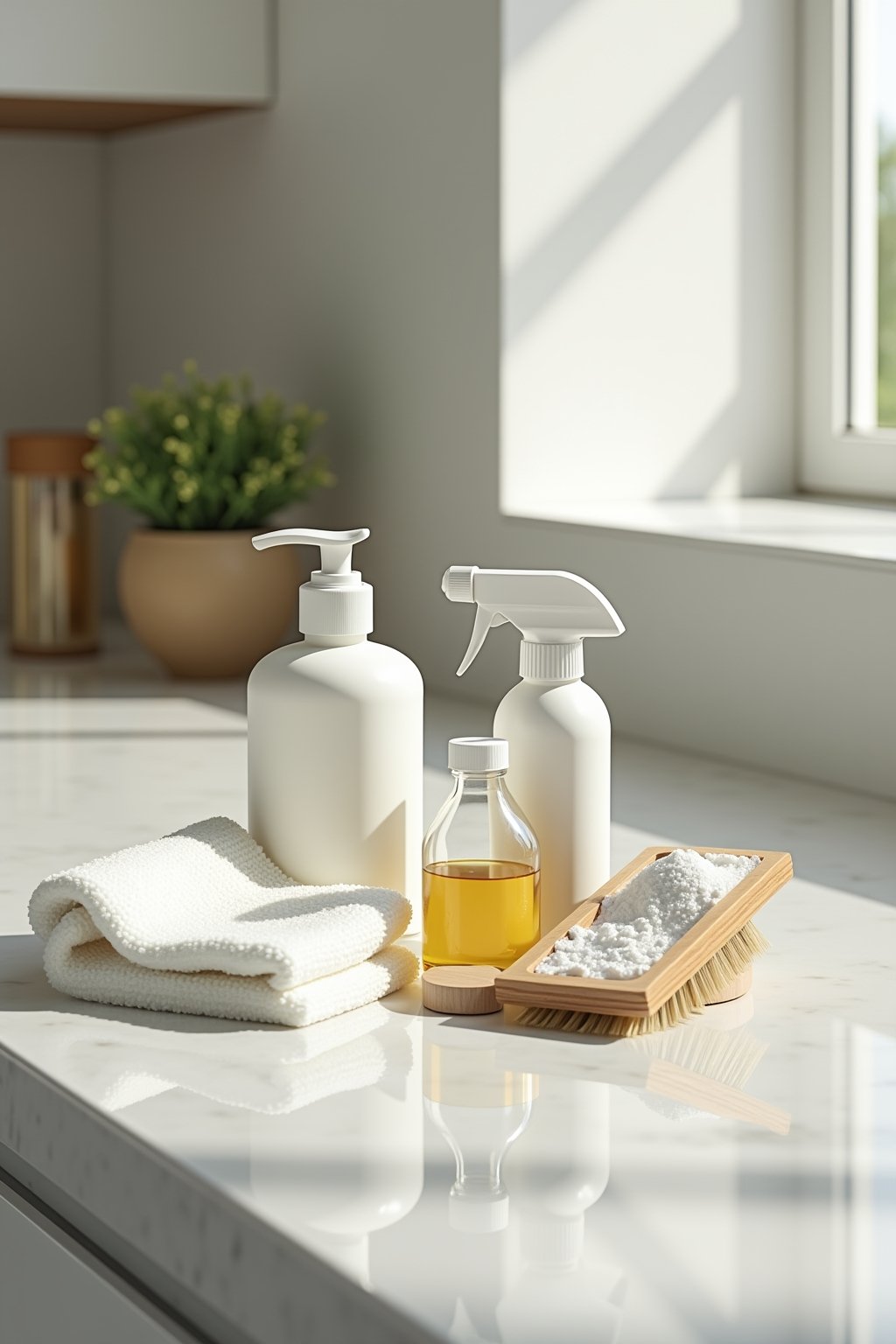
A surprisingly short list covers all five countertop types:
- Dish soap (mild, pH-neutral) — the safest universal countertop cleaner for daily use on every surface type
- Microfiber cloths — lint-free and non-abrasive, safe for all countertop materials including polished stone
- Baking soda — a gentle abrasive for stain removal on granite, quartz, and laminate
- Hydrogen peroxide (3%) — for organic stains on light-colored stone surfaces
- Rubbing alcohol — effective for disinfecting quartz and laminate without damage
- Food-grade mineral oil — essential for conditioning and protecting butcher block surfaces
- Stone sealer — for annual resealing of granite and marble; available at any hardware store
The Order That Works
Granite: Daily Care and Deep Cleaning
Granite is the most common natural stone countertop and is relatively durable, but it’s porous — meaning liquids can seep into the surface if the seal is compromised. For daily cleaning, use a few drops of dish soap in warm water with a soft microfiber cloth. Wipe down the entire surface, rinse the cloth, and wipe again to remove soap residue. Dry with a clean cloth to prevent water spots, especially on dark granite where spots show more visibly.
For deep cleaning and stain removal, make a paste of baking soda and water (for oil-based stains) or baking soda and hydrogen peroxide (for organic stains like wine, coffee, or juice). Apply the paste to the stain, cover it with plastic wrap, and let it sit overnight. The paste draws the stain out of the stone as it dries — this is called a poultice. Wipe clean the next morning and rinse. Never use vinegar, lemon juice, or any acidic cleaner on granite — the acid attacks the stone’s calcite content and creates dull etch marks. Never use abrasive pads that can scratch the polished surface. Reseal granite annually — to test if it’s time, sprinkle water on the surface. If it beads up, the seal is good. If it absorbs into the stone, it’s time to reseal.
Quartz: The Low-Maintenance Powerhouse
Quartz is engineered stone (ground quartz mixed with resin), which makes it non-porous and stain-resistant — it never needs sealing. Daily cleaning is simple: dish soap and warm water with a microfiber cloth. For disinfecting, rubbing alcohol on a cloth works well and evaporates without leaving residue. Quartz is the most forgiving countertop material for everyday use.
For stubborn stains or dried-on food, apply a paste of baking soda and water, let it sit for 10 minutes, then gently scrub with a non-abrasive sponge. For tough grease, a small amount of degreaser (like a few drops of Dawn dish soap applied directly) works without damaging the surface. The main thing to avoid with quartz is heat — resin can discolor or crack with direct heat exposure. Always use trivets for hot pans and protect the surface from prolonged direct sunlight, which can yellow lighter quartz colors over time. Also avoid harsh chemicals like oven cleaners, paint strippers, or anything with a pH above 11, as these can break down the resin that binds the quartz particles together.
Marble: Beautiful But Demanding
Marble is the most high-maintenance countertop material because it’s both porous and acid-sensitive. Even weak acids like lemon juice, tomato sauce, wine, and vinegar can etch the polished surface within seconds of contact, leaving permanent dull spots that only professional polishing can remove. For daily cleaning, use only warm water and a very mild dish soap with a soft cloth. Some marble owners skip soap entirely and use just warm water to avoid any risk.
Wipe up spills immediately — this is non-negotiable with marble. Red wine, coffee, juice, and oil all stain marble if left for even a few minutes. For existing stains, use the same baking soda poultice method as granite (baking soda paste covered with plastic wrap overnight). For etch marks that have already occurred, marble polishing powder (available at hardware stores) can restore the shine for minor damage. Seal marble every 6 to 12 months, more frequently than granite, because marble is more porous. Use cutting boards and trivets religiously — knives scratch the surface and heat can crack it. If the maintenance feels overwhelming, consider that marble develops a natural patina over time that many designers and homeowners actually come to love.
Laminate: Affordable and Easy, But Not Indestructible
Laminate countertops (Formica and similar brands) are the most affordable and lowest-maintenance option, but they have their own vulnerabilities. Daily cleaning is a breeze: any all-purpose cleaner or dish soap and water with a soft cloth. Unlike stone, laminate can handle most common household cleaners without damage, including diluted vinegar solutions.
The enemies of laminate are heat, standing water, and abrasive scrubbing. Never place hot pans directly on laminate — the heat can blister or permanently discolor the surface. Wipe up standing water quickly, especially near seams, because water can seep under the laminate layer and cause swelling and delamination. Avoid abrasive cleaners like Comet or steel wool that scratch the surface; once scratched, laminate can’t be polished or restored like stone can. For stubborn stains, apply a baking soda paste, let it sit for five minutes, then gently rub with a soft cloth. For ink or marker stains, rubbing alcohol on a cloth removes them without damaging the surface. Laminate doesn’t require sealing, which is one of its biggest practical advantages.
Butcher Block: The Living Surface That Needs Feeding
Butcher block is real wood, which means it’s alive in a sense — it expands and contracts with humidity, absorbs moisture and odors, and needs regular “feeding” with oil to stay healthy. Daily cleaning is warm water and mild dish soap with a cloth, wiping in the direction of the wood grain. Dry immediately — never let water sit on butcher block as it causes warping, cracking, and bacterial growth in the wood pores.
The unique maintenance requirement for butcher block is conditioning with food-grade mineral oil. Apply a generous coat of mineral oil to the clean, dry surface, let it absorb for 15 to 20 minutes, then wipe off the excess with a clean cloth. Do this once a week for the first month after installation, then monthly thereafter. The oil penetrates the wood fibers, creating a moisture barrier that prevents staining and bacterial penetration. For deep stain removal, sprinkle coarse salt on the stain and scrub with a cut lemon half — the salt abrades while the lemon’s acid lifts the discoloration. For odor removal, baking soda sprinkled on the surface and left for 30 minutes before wiping works effectively. Never use bleach, harsh chemicals, or excessive water on butcher block.
Universal Rules That Apply to Every Countertop
Regardless of your countertop material, these practices apply universally. Always use cutting boards — even on granite, which can technically withstand knife contact. The knife damages the stone over time and dulls your knives rapidly. Always use trivets and hot pads for anything from the oven or stovetop. Wipe up spills immediately rather than letting them sit, especially anything acidic or colored.
For daily cleaning across all countertop types, a few drops of plain dish soap in warm water is the safest, most effective universal cleaner that exists. It’s pH-neutral, non-abrasive, and rinses clean without residue. You genuinely do not need specialty stone cleaners, granite sprays, or countertop-specific products for daily maintenance. Those products are fine, but they’re not better than dish soap and water, and they cost significantly more. Save your money for the two specialty products that actually matter: stone sealer (for granite and marble) and food-grade mineral oil (for butcher block). Everything else is marketing.
Diagnosing the Issue
- Using vinegar or lemon juice on natural stone — acidic cleaners etch marble, granite, and travertine on contact, creating permanent dull spots that require professional polishing to remove
- Using bleach on butcher block — bleach dries out wood fibers, causes discoloration, and can crack the surface; use salt and lemon for sanitizing instead
- Placing hot pans directly on quartz or laminate — quartz resin can crack and discolor from heat; laminate blisters and permanently warps; always use a trivet
- Scrubbing with abrasive pads on any polished surface — steel wool, green scrubby pads, and abrasive powders scratch polished granite, quartz, and marble finishes permanently
- Forgetting to reseal natural stone — granite and marble are porous; without regular sealing, liquids penetrate the surface and cause stains that are nearly impossible to remove from within the stone
Where This Shines
Kitchen Countertops (Highest Use)
Kitchen counters get the most exposure to food acids, heat, and moisture. Wipe down after every meal prep session, not just once a day. Keep a dedicated dish soap and cloth within arm’s reach of the counter for easy access. For stone countertops near the stove, be especially vigilant about acidic splashes from cooking (tomato sauce, wine reductions, citrus) that can sit unnoticed and etch the surface.
Bathroom Vanity Countertops
Bathroom counters face different enemies: soap residue, toothpaste, hair products, and cosmetics. These can stain or etch natural stone just as effectively as food acids. Wipe down daily and be cautious with hair dye, nail polish remover, and perfume near marble or granite. For laminate bathroom counters, the main risk is standing water from sink splashes — keep the area around the faucet dry.
Bar and Entertainment Area Countertops
These surfaces see drink spills, condensation rings, and hot appetizer trays. Use coasters religiously on natural stone. Wipe up drink spills immediately, especially red wine and cocktails with citrus. If you have marble or lighter stone in a bar area, consider using a decorative stone tray to contain the spill zone and protect the counter beneath.
Frequently Asked Questions
Can I use Clorox wipes on my countertops?
On quartz and laminate, occasional use is generally safe. On granite and marble, avoid them — the citric acid in many disinfecting wipes can etch natural stone. On butcher block, absolutely not — the chemicals dry out and damage wood. For safe disinfecting on any surface, rubbing alcohol on a cloth is a better universal option.
How do I know what type of countertop I have?
Granite has a natural grain pattern with visible crystals and speckles. Marble has dramatic veining in flowing patterns. Quartz has a more uniform, consistent appearance (because it’s engineered). Laminate feels warm to the touch and has visible seams at edges. Butcher block is obviously wood with visible grain. If you’re still unsure, try the water test: natural stone absorbs water drops slowly; quartz and laminate repel them immediately.
How often should I seal my granite countertops?
Most granite needs resealing every 12 to 18 months, but the frequency depends on the specific stone. Do the water drop test: sprinkle a few drops of water on the surface. If it beads up, the seal is intact. If it absorbs within a few minutes, it’s time to reseal. High-use areas like around the sink may need resealing more frequently.
What removes hard water stains from countertops?
For quartz and laminate, a paste of baking soda and water left for 10 minutes removes most hard water marks. For granite and marble, the same baking soda paste works but never use vinegar or acidic removers. For butcher block, a light sanding of the affected area followed by mineral oil treatment restores the surface.
Is it safe to prepare food directly on granite or quartz?
Both are non-porous when properly sealed (granite) or by nature (quartz), so they are technically food-safe surfaces. However, using a cutting board protects the counter from knife scratches and protects your food from cleaning product residue. It’s always better practice to use a cutting board regardless of countertop type.
Can I repair a chip or scratch in my countertop myself?
Small chips in granite and marble can be filled with color-matched epoxy from a hardware store. Scratches in quartz may buff out with a polishing compound. Laminate scratches are difficult to repair — use a laminate repair paste for minor damage. Butcher block scratches sand out easily with fine sandpaper followed by mineral oil. For any damage larger than a small chip, consult a professional.