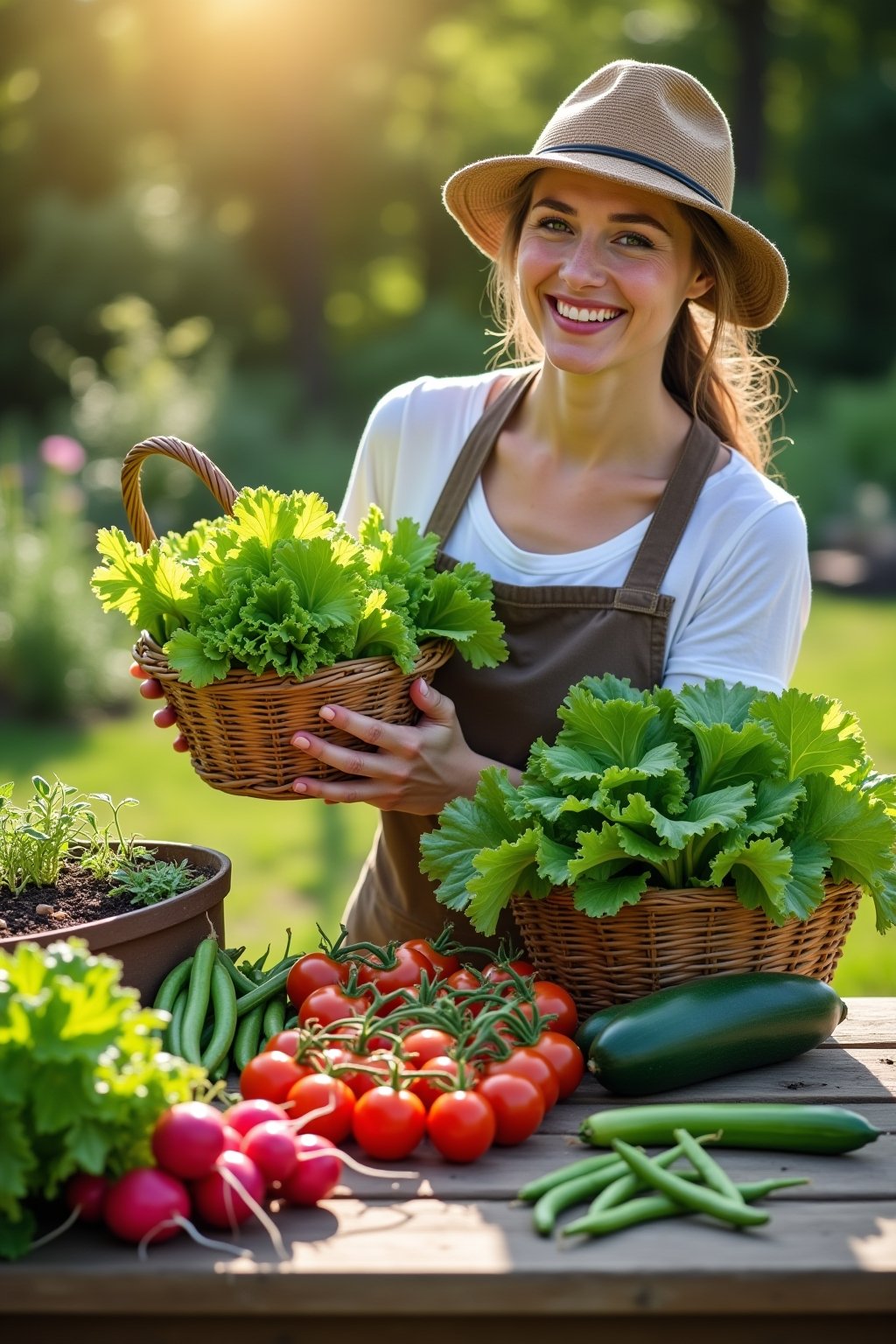
You do not need a green thumb to grow your own food. You need a sunny spot, a bag of compost, and the right vegetables. Some crops are practically bulletproof — they germinate fast, tolerate mistakes, laugh off a missed watering, and produce so much food you will be giving bags away to neighbors by August.
When I started gardening, I killed basil, overwatered a mint plant (which is nearly impossible), and managed to grow a single tiny tomato from three plants. The next year I switched to the crops on this list and suddenly I was a gardener. The difference was not skill — it was choosing plants that wanted to grow instead of fighting me the whole way. These ten vegetables succeed in zones 5 through 9, require minimal experience, and will give you the confidence boost every beginner needs.
Quick Facts
| Sun | Full Sun to Part Shade (varies by crop) |
| Difficulty | Beginner (these are the easiest of the easy) |
| Season | Spring through fall planting windows |
| Zone | Zones 5, 6, 7, 8, and 9 |
| Time to Harvest | 21 days (radishes) to 70 days (tomatoes) |
What You’ll Need
- Seeds: radish, lettuce, bush beans, zucchini, peas
- Transplants: cherry tomatoes, peppers (easier for beginners)
- Compost or aged manure for soil prep
- Mulch (straw or shredded leaves)
- Basic tools: trowel, watering can, garden fork
- Containers (at least 5 gallons) if you do not have garden space
- Potting mix (if growing in containers)
- Plant labels and permanent marker
- Garden gloves
- A small spot with 6+ hours of sun
Seeds vs. transplants for beginners: Start radishes, lettuce, beans, peas, and zucchini from seed — they germinate quickly and do not transplant well anyway. Buy tomato and pepper transplants from a garden center because they need a 6-8 week head start that most beginners have not planned for.
You can grow all of these in containers: If you do not have a yard, every vegetable on this list grows well in pots. Cherry tomatoes in a 10-gallon container, lettuce in a window box, bush beans in a 5-gallon bucket, and herbs in any pot that has a drainage hole.
Radishes — The 21-Day Confidence Builder
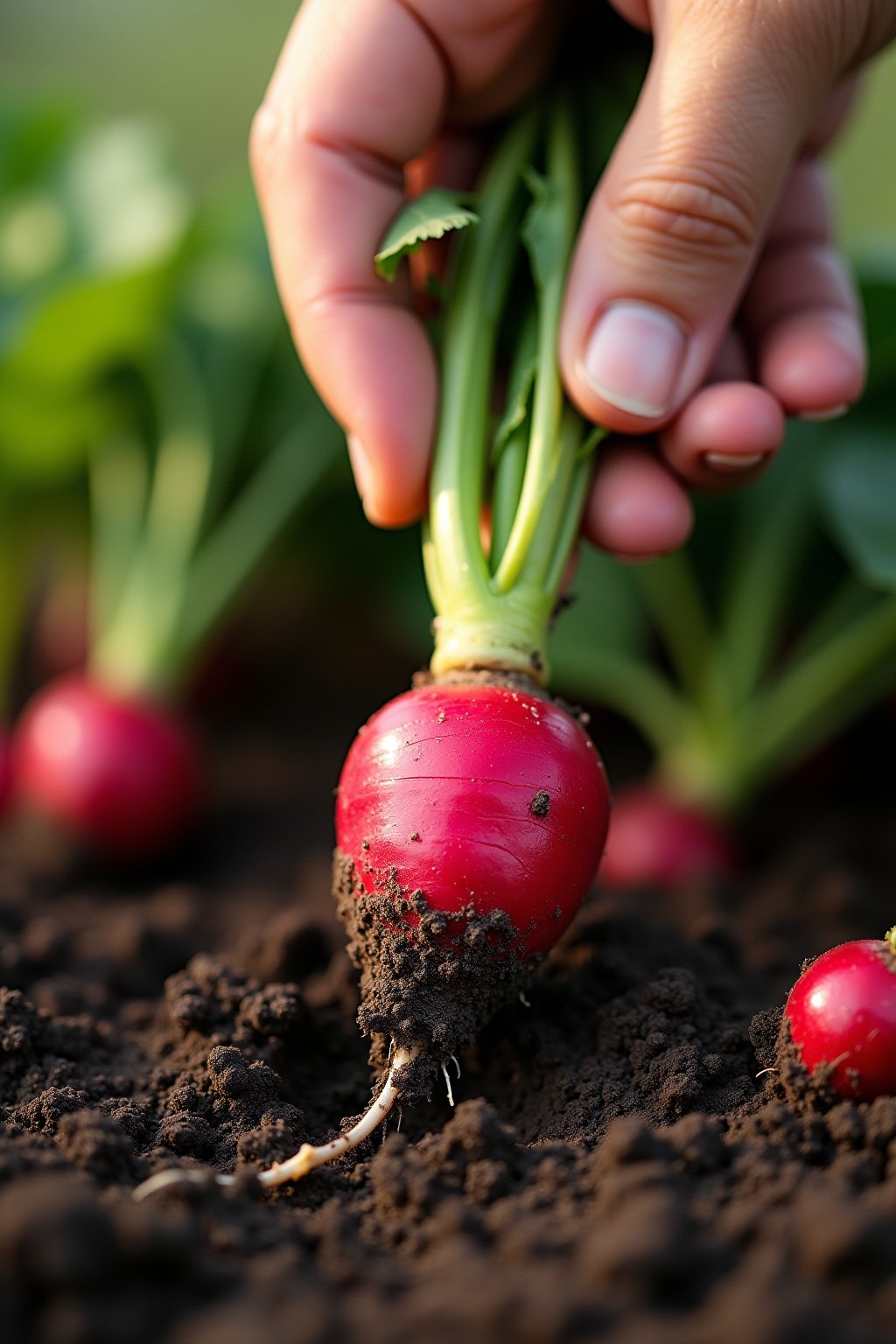
If you have never grown anything before, start here. Radishes are ready to harvest in just 21-30 days from seed, germinate in 3-5 days, and grow in soil as cool as 45°F. Sow seeds ½ inch deep and 1 inch apart, thin to 2 inches. That is the entire instruction set.
Radishes are perfect for zones 5-9 because they thrive in cool spring weather and mature before summer heat arrives. In zones 8-9, plant in early spring and again in fall when temperatures cool. Best beginner varieties: Cherry Belle (classic red, 22 days), French Breakfast (mild, 25 days), Easter Egg (colorful mix, 28 days). Plant a new short row every week for continuous harvests.
Lettuce and Salad Greens — Cut-and-Come-Again Salads
Lettuce is the second easiest vegetable to grow and one of the most satisfying because you harvest it by cutting outer leaves while the plant keeps growing. Baby lettuce is ready in 25-30 days. Sow seeds ¼ inch deep in cool weather (40-75°F soil).
Lettuce tolerates partial shade, making it ideal for spots that do not get full sun. In zones 8-9, grow lettuce in morning sun with afternoon shade to prevent bolting. The cut-and-come-again method: Harvest outer leaves when they reach 4-6 inches, leaving the center growing point intact. One planting produces 3-4 harvests over 6-8 weeks. Mix varieties like butterhead, romaine, and red leaf for beautiful and delicious salad bowls.
Bush Beans — The Easiest Warm-Season Vegetable
Bush beans are the closest thing to a guaranteed harvest. Sow seeds 1 inch deep and 3 inches apart when soil reaches 60°F. They germinate in 5-8 days, need no trellis or staking, fix their own nitrogen from the air (so they need less fertilizer than other crops), and produce heavily in 50-55 days.
One 4-foot row of bush beans feeds two people for weeks. Plant a second round 3 weeks later for continuous harvests. Best beginner varieties: Provider (cold tolerant, 53 days), Blue Lake Bush (classic flavor, 55 days), Contender (heat and cold tolerant, 50 days). Harvest when pods are pencil-thickness before seeds bulge. Picking regularly stimulates more production.
Zucchini — More Food Than You Can Handle
Zucchini has a reputation for being absurdly productive, and it is earned. One plant produces 6-10 pounds of squash per season. Two plants are enough for a family. Three plants mean you will be leaving bags of zucchini on your neighbors’ doorsteps.
Sow seeds 1 inch deep when soil hits 60°F. Space plants 24-36 inches apart. Zucchini grows fast and big — check every 2 days because a 6-inch fruit turns into a 14-inch bat in 48 hours. Harvest young and often for the best flavor. Zones 5-7 plant in May, zones 8-9 plant in April. Watch for powdery mildew in humid areas — good airflow and morning watering help prevent it.
Cherry Tomatoes — The Beginner’s Best Friend
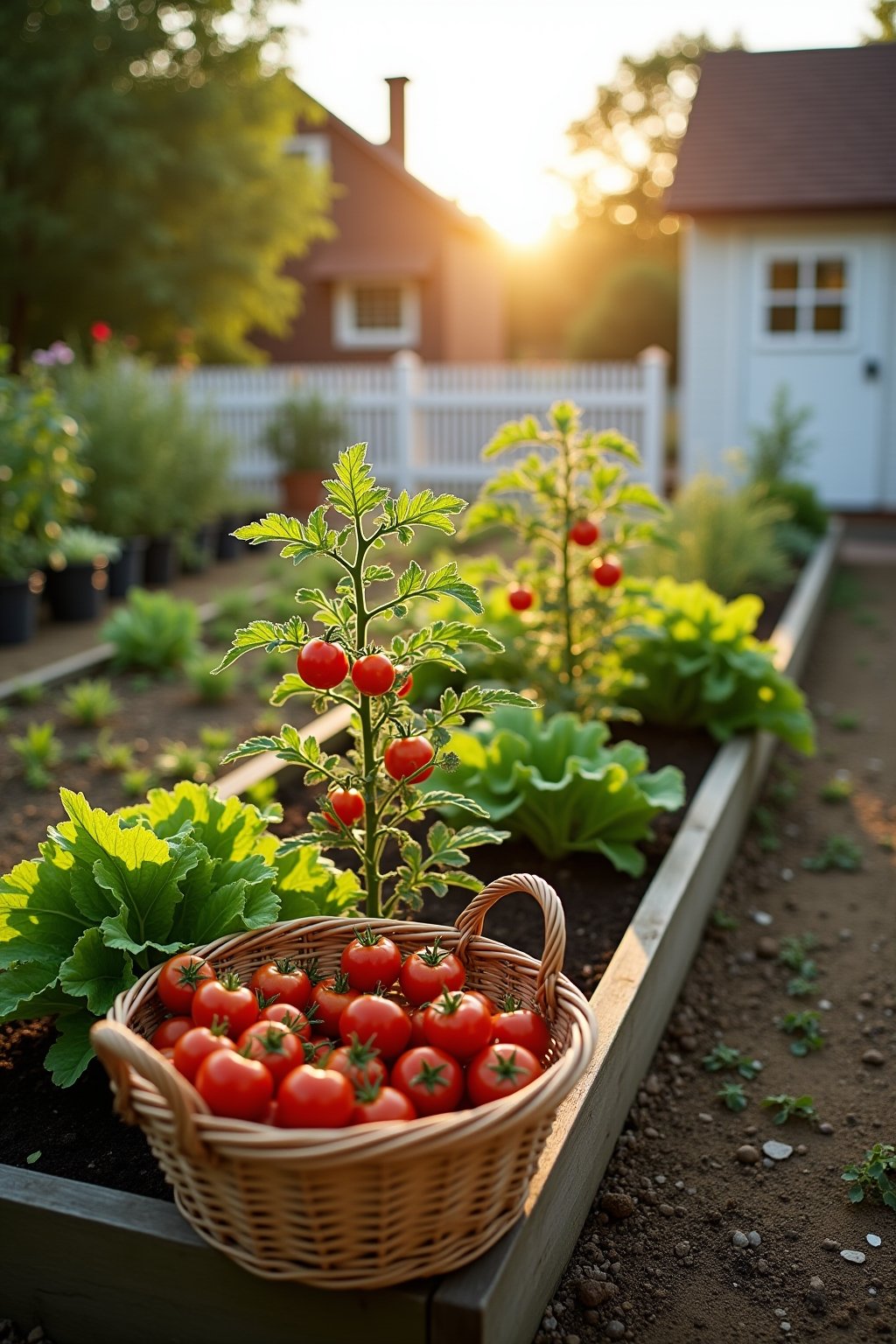
Cherry tomatoes are far easier than full-size slicing tomatoes. They resist diseases better, set fruit in wider temperature ranges, and produce insane quantities — a single plant can yield 200+ tomatoes in one season. They grow well in the ground, in raised beds, or in containers.
Plant transplants after last frost when nighttime temps stay above 50°F. Bury the stem deep (up to the top leaves) for stronger roots. Water consistently, feed every 2-3 weeks with tomato fertilizer, and provide a cage or stake. Best beginner varieties: Sungold (the sweetest tomato in existence), Sweet 100 (incredibly productive), Supersweet 100 (disease-resistant version of Sweet 100).
Five More Easy Wins: Peas, Cucumbers, Herbs, Green Onions, and Kale
Sugar snap peas: Sow in early spring as soon as soil is workable. They handle frost, produce in 60 days, and you eat the whole pod. Give them a simple trellis to climb.
Cucumbers: Direct sow after last frost. Give them a trellis and consistent water. One plant produces 10-20 cucumbers per season. Pick Marketmore or Spacemaster for reliability.
Basil and herbs: Buy transplants for instant gratification. Basil, parsley, chives, and mint grow in any pot with a drainage hole. Pinch basil flowers to keep it producing leaves all summer.
Green onions (scallions): Buy a bunch from the grocery store, eat the tops, and plant the white root ends 1 inch deep in soil. They regrow in 2-3 weeks. Infinite scallions from a one-dollar purchase.
Kale: Sow in cool weather, grows in zones 5-9, tolerates frost (actually tastes sweeter after frost), and one plant produces for months with cut-and-come-again harvesting.
What I See Trip People Up
Seeds not germinating: Soil is too cold or seeds were planted too deep. Use a soil thermometer and follow the depth instructions on the seed packet exactly. Most seeds need consistent moisture during germination — check daily and water gently if the surface is dry.
Seedlings leggy and falling over: Not enough sunlight. Move to a sunnier location or add a grow light. Leggy seedlings have stretched toward light and have weak stems. You can still save them by transplanting deeper into a pot or garden bed.
Plants being eaten by bugs: Healthy plants resist pests better than stressed ones. Ensure proper watering, sunlight, and soil fertility first. For specific pests, hand-pick large insects and use a gentle spray of water to knock off aphids. Row cover prevents most insects from reaching plants.
Nothing is growing despite doing everything right: Check your sun. Many beginners think they have full sun but actually have 3-4 hours. Track sunlight in your garden spot for one full day before planting. Most vegetables need 6-8 hours of direct sun minimum.
Timing Across the Year
Early Spring (as soon as soil is workable): Plant radishes, lettuce, peas, and kale. These cool-season crops handle frost and actually prefer temperatures between 40-70°F.
After Last Frost (soil at 60°F): Plant bush beans, zucchini, cucumbers, tomato transplants, and herb transplants. This is the main planting window for warm-season crops.
Summer (continuous planting): Succession sow lettuce and beans every 2-3 weeks for continuous harvests. Harvest regularly to encourage more production.
Late Summer / Fall (zones 5-9): Plant a second round of cool-season crops for fall harvest. Radishes, lettuce, peas, and kale grow beautifully in the cooling temperatures of September and October. Kale and lettuce actually taste better after a light frost.
Practical Add-Ons
- Start with seeds for cool-season crops, transplants for warm-season crops — radishes, lettuce, beans, and peas germinate fast from seed. Buy tomato and pepper transplants because they need a 6-8 week head start indoors.
- Grow what you eat — do not plant eggplant because the seed catalog looked pretty if nobody in your house eats eggplant. Focus on your top 3-5 most-eaten vegetables.
- Regrow green onions from grocery store scraps — plant the root ends 1 inch deep and they regrow in 2-3 weeks. This is the easiest possible gardening project and costs nothing.
- One zucchini plant is enough — beginners always plant too many. Two plants is plenty for a family of four. Three plants means you are begging people to take zucchini off your hands.
- Cherry tomatoes produce 3-5 times more fruit than large varieties — and they are more forgiving of beginner mistakes. Start with Sungold or Sweet 100 for a harvest that will make you feel like a gardening expert.
- Succession sow radishes and lettuce every 10 days — instead of one big harvest that overwhelms you, this gives a steady stream of fresh food for weeks.
Other Articles Worth Your Time
- The Beginner’s Guide to Starting a Vegetable Garden From Scratch
- Container Gardening for Beginners: Everything You Need to Know
- 10 Fast-Growing Vegetables You Can Harvest in Under 60 Days This Spring
Common Questions
What is the easiest vegetable to grow for a complete beginner?
Radishes. They germinate in 3-5 days, are ready to harvest in 21-30 days, tolerate cool soil, and require almost zero maintenance. If you have never grown anything before, plant a row of Cherry Belle radish seeds today and you will be eating fresh radishes in three weeks.
Can I grow vegetables if I only have a balcony or patio?
Absolutely. Every vegetable on this list grows well in containers. Cherry tomatoes in a 10-gallon pot, lettuce in a window box, bush beans in a 5-gallon bucket, and herbs in any pot with drainage. You just need 6 or more hours of direct sunlight.
What vegetables grow well in partial shade?
Lettuce, kale, spinach, peas, and herbs like parsley and chives grow in as little as 4-5 hours of sun. These cool-season crops actually prefer some shade, especially in zones 8-9 where full sun causes them to bolt. Root crops like radishes and carrots tolerate light shade too.
How much space do I need to grow my own food?
A 4×4 foot raised bed or four 5-gallon containers is enough to grow fresh salad, herbs, and a few tomatoes. You do not need a large yard. A single 4×8 foot bed can produce over 100 pounds of vegetables per season when managed well with succession planting.
What vegetables grow the fastest?
Radishes are ready in 21-30 days from seed. Baby lettuce and arugula are ready in 25-30 days. Green onions regrow in 2-3 weeks from grocery store scraps. Bush beans produce in 50-55 days. These fast crops give beginners quick wins and build confidence.
When should I start my first vegetable garden?
Cool-season crops like lettuce, radishes, peas, and kale can be planted in early spring as soon as soil reaches 40-50 degrees. Warm-season crops like tomatoes, beans, and zucchini go in after your last frost date when soil hits 60 degrees. In zones 5-7, April is perfect for cool-season crops and May for warm-season. In zones 8-9, start in March or even February.