
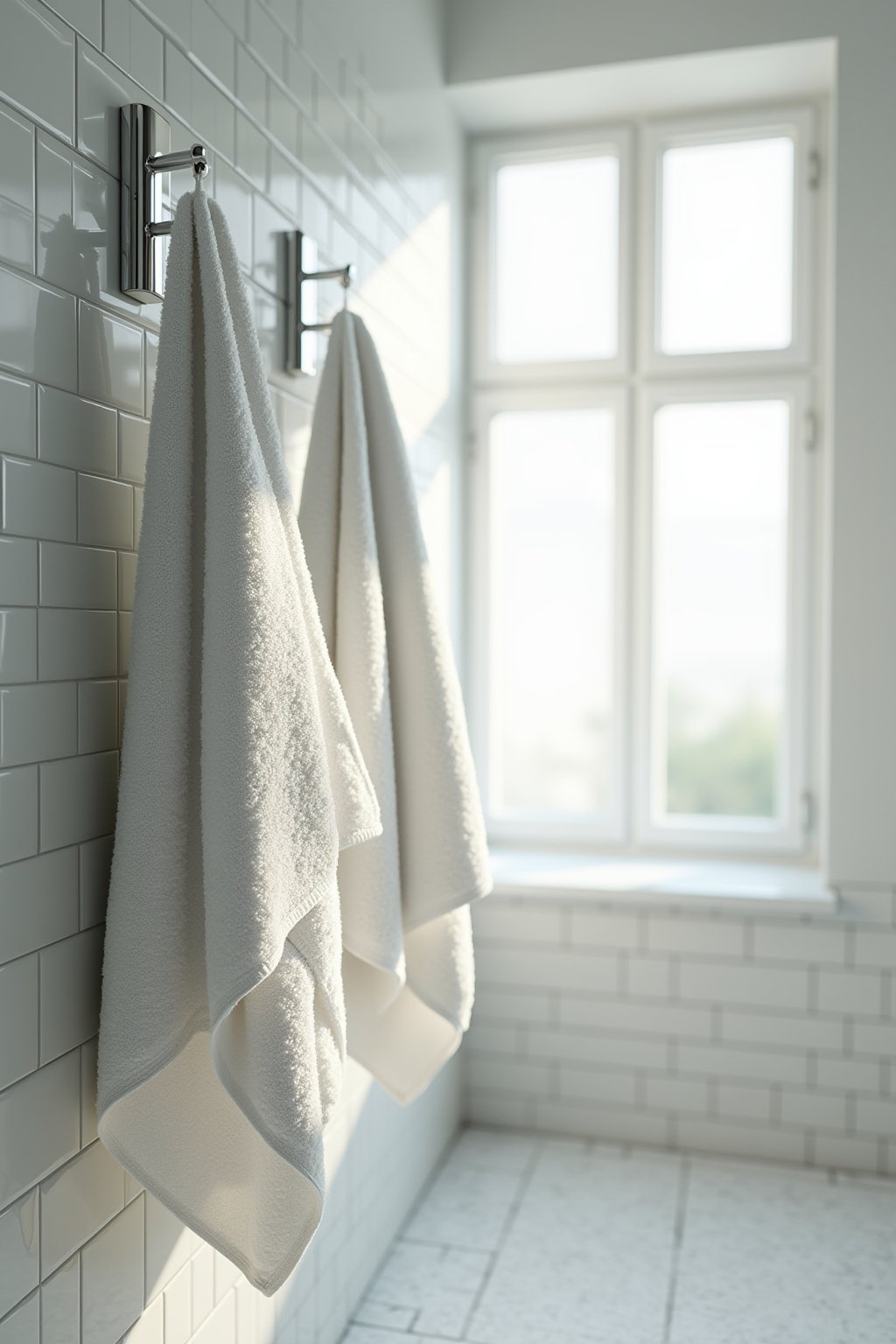
You know the smell. You pull a towel out of the linen closet or off the rack and it hits you — that damp, sour, vaguely mildewy scent that makes you wonder if it is actually clean. You washed it. You dried it. You maybe even used extra detergent thinking that would help. But the musty smell persists, and it seems to get worse every time you use the towel and it gets damp again.
I spent an embarrassing amount of time living with musty towels before I finally figured out why they smell and, more importantly, how to fix it permanently. The solution is not more detergent — in fact, detergent is probably part of the problem. Here is the method that actually eliminates the smell at its source, plus the prevention routine that keeps it from ever coming back.
| ⏱ Time Required: | 2 wash cycles |
| 📈 Difficulty: | Easy |
| 💰 Supplies Cost: | $0-3 |
| 🔄 How Often: | Monthly or as needed |
Why This One Lands
- Targets the actual cause — musty towel smell is caused by bacteria and mildew growing in detergent and fabric softener residue trapped in the fibers, not by insufficient cleaning
- Vinegar dissolves the residue — the acetic acid in white vinegar breaks down detergent buildup, fabric softener coating, and mineral deposits that bacteria feed on
- Baking soda neutralizes odor molecules — rather than masking the smell, baking soda chemically neutralizes the acidic odor compounds produced by bacteria
- Two-cycle method ensures thorough treatment — using vinegar and baking soda in separate wash cycles (not together) allows each product to work at full strength
- Prevention routine stops the cycle — once you understand why towels get musty, a few simple habit changes prevent the problem from recurring
- Works on towels that have smelled bad for months — even severely musty towels can be restored with this method, often in a single treatment
Stock Up On
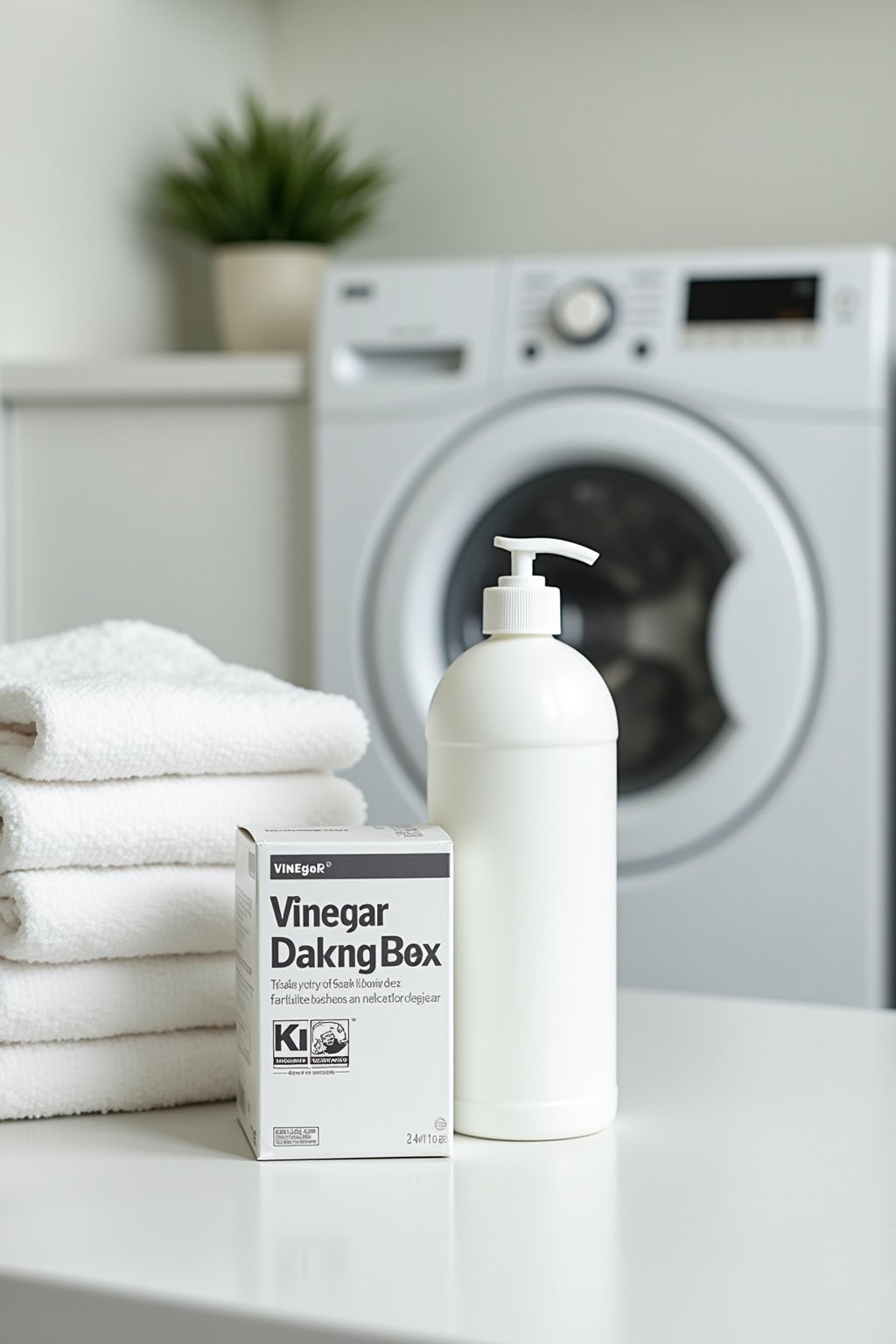
Everything you need is probably already in your kitchen. This is one of the simplest and cheapest cleaning fixes there is:
- White distilled vinegar — at least 2 cups. The standard 5% acidity concentration from any grocery store works perfectly
- Baking soda — ½ cup for the second wash cycle
- Hot water setting — your washing machine’s hottest cycle. Heat is critical for killing bacteria and dissolving buildup
- No detergent, no fabric softener — seriously, do not add any soap products during the stripping process. They are part of the problem
The Way I Lay It Out
Run the Vinegar Cycle First
Load your musty towels into the washing machine without any detergent or fabric softener. Set the machine to the hottest water temperature available and the longest cycle option. Add 2 cups of white distilled vinegar directly into the drum (for top-loaders) or the detergent dispenser (for front-loaders). Start the cycle and let it run completely.
The hot water and vinegar work together to dissolve the layers of detergent residue, fabric softener, body oil, and mineral deposits that have built up in the towel fibers over weeks or months. This buildup is what bacteria and mildew colonize — it is their food source and habitat. Stripping it away removes the environment they need to survive. Do not add baking soda during this cycle. Vinegar is acidic and baking soda is alkaline; combining them simultaneously neutralizes both and reduces their individual effectiveness.
Run the Baking Soda Cycle Second
When the vinegar cycle finishes, leave the towels in the machine. Do not dry them yet. Start a second hot water cycle and this time add ½ cup of baking soda directly into the drum. Again, no detergent, no fabric softener. Let this cycle run completely. The baking soda neutralizes any remaining vinegar, further deodorizes the fibers, and softens the towels naturally without the waxy coating that fabric softener leaves behind.
After this second cycle, pull the towels out and smell them while still damp. They should smell like nothing — not musty, not vinegary, just clean and neutral. If any musty smell remains (rare but possible with severely affected towels), repeat both cycles one more time. For towels that have been musty for many months, you may need the full double treatment to clear all the buildup.
Dry Immediately and Completely
This step is as important as the washing. Dry the towels immediately in the dryer on the highest heat setting the fabric can tolerate. Do not leave them sitting in the washer for even 30 minutes — damp towels in a closed washer drum are a perfect breeding ground for the exact bacteria you just killed. High heat drying finishes the job by killing any remaining microorganisms.
If you prefer to air-dry towels, hang them in direct sunlight if possible. Ultraviolet light from the sun is a natural antimicrobial that kills bacteria and mildew on fabric. If you must dry indoors, use a well-ventilated area with air circulation — a fan helps significantly. The towels must be completely, bone-dry before you fold and store them. Any residual dampness and the bacteria will recolonize within days.
Establish a Prevention Routine
Fixing musty towels once is satisfying, but preventing the problem from recurring is what really matters. Here are the habit changes that make the biggest difference: Hang towels fully spread out after every use so they dry as quickly as possible. A towel bunched on a hook takes three times longer to dry than one spread across a towel bar — and that extra damp time is when bacteria multiply fastest.
Wash towels every 3-4 uses, not weekly by calendar. A towel used once a day should be washed every 3 days. Use the appropriate amount of detergent — more is not better. Excess detergent leaves residue that bacteria feed on. Measure it according to your load size and water hardness. Stop using fabric softener on towels entirely. Fabric softener coats fibers with a waxy layer that traps moisture, reduces absorbency, and creates the perfect environment for musty-smell bacteria. If you want soft towels, use white vinegar in the rinse cycle instead.
Deep Maintain Monthly With Vinegar
Even with good daily habits, doing a maintenance vinegar wash once a month keeps towels fresh and prevents buildup from reaching problem levels. Simply run your regular towel load on hot with your normal (measured) amount of detergent, but add 1 cup of white vinegar to the rinse cycle. This dissolves any early-stage buildup before it becomes a bacterial habitat. The vinegar also acts as a natural fabric softener, keeping towels fluffy without the waxy residue that commercial softeners leave behind.
You can set a monthly reminder or simply do this on the first towel load of each month so you don’t forget. This single habit, combined with proper drying and no fabric softener, means you may never deal with musty towels again. Many people find that after switching to this routine, their towels stay fresher, softer, and more absorbent than they ever were with fabric softener. If you have particularly hard water in your area, consider doing the vinegar rinse every two weeks instead of monthly, as mineral deposits accelerate the buildup cycle that bacteria thrive in.
Where Things Tend to Slip
- Adding more detergent to fix the smell — this is the most common mistake and it makes the problem worse. Excess detergent leaves more residue for bacteria to feed on. Use less, not more
- Using fabric softener on towels — fabric softener coats fibers with a waxy layer that traps moisture, reduces absorbency, and provides an ideal breeding ground for the bacteria that cause musty odor
- Mixing vinegar and baking soda in the same cycle — they neutralize each other when combined, reducing the effectiveness of both. Always run them in separate back-to-back cycles
- Leaving damp towels in the washer — even 30 minutes in a closed washer drum gives bacteria a head start. Transfer to the dryer or hanging rack immediately when the cycle ends
- Washing towels in cold water — cold water does not dissolve detergent residue or kill bacteria as effectively as hot water. For towels specifically, hot water is important for both cleaning and deodorizing
Where It Earns Its Keep
Main Bathroom Towels
These get the most use and most exposure to body products, making them the most prone to musty smell. Install a towel bar (not hooks) so towels can spread fully and dry faster between uses. Wash every 3 uses and include a vinegar rinse monthly. If multiple people share a bathroom, each person should have their own towel bar position so towels aren’t overlapping while drying.
Kitchen Towels and Dish Cloths
Kitchen towels get musty fast because they are often left damp on the counter or bunched near the sink. Hang them on a towel bar or oven handle bar spread flat. Wash every 2-3 days (or daily if you cook frequently). Kitchen towels should get the vinegar treatment any time they develop even a hint of sour smell.
Guest Bathroom and Stored Towels
Towels stored in a linen closet can develop a musty smell if the closet has poor air circulation or if the towels were not completely dry when folded. Always ensure towels are bone dry before storing. Leave the closet door slightly ajar for airflow. If stored towels smell stale when you take them out for guests, run them through the vinegar cycle before use.
Common Questions
Why do my towels smell musty even after washing?
The most common cause is detergent and fabric softener residue trapped in the towel fibers. This residue creates a habitat for odor-causing bacteria that survive the wash cycle and reactivate when the towel gets damp. The vinegar and baking soda method strips this residue and eliminates the bacteria.
Can I use apple cider vinegar instead of white vinegar?
White distilled vinegar is strongly preferred because it is colorless and will not stain fabric. Apple cider vinegar can leave a slight brownish tint on white towels and has a stronger residual scent. Stick with plain white vinegar for laundry applications.
Will vinegar damage my washing machine?
No. The 5% acidity of household white vinegar is mild enough that it will not damage any washing machine components, including rubber seals and gaskets. In fact, running a monthly vinegar cycle helps clean the machine itself and prevents musty odors in the drum.
How do I prevent musty towels in a humid climate?
In humid climates, towels struggle to dry between uses, which accelerates bacterial growth. Use a bathroom dehumidifier or exhaust fan, always spread towels fully on a bar rather than bunching on a hook, and consider washing towels every 2 uses instead of 3-4. A monthly vinegar treatment is essential in high-humidity environments.
Should I use hot water for every towel wash or just the de-musking treatment?
Hot water is ideal for towels in general because it dissolves detergent more completely and kills more bacteria than warm or cold cycles. For the vinegar/baking soda treatment, hot water is essential. For regular washes, warm to hot is recommended for white towels and warm for colored towels.
Do dryer sheets cause the same problem as liquid fabric softener?
Yes. Dryer sheets coat fabric with the same waxy softening agents as liquid fabric softener, just applied during drying instead of washing. They reduce towel absorbency and contribute to buildup. Skip both dryer sheets and liquid softener for towels. Use white vinegar in the rinse cycle if you want softness.