
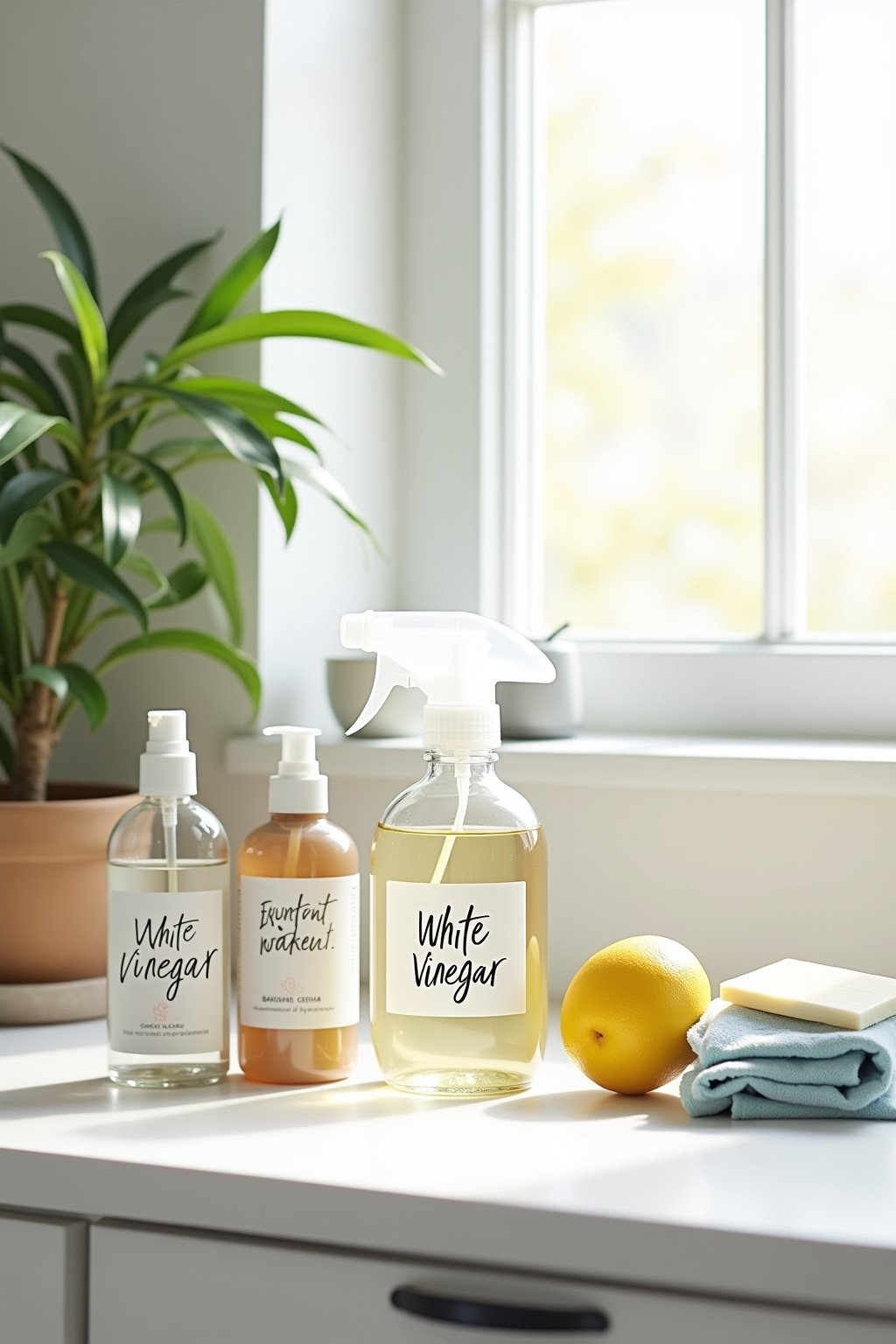
When my daughter started crawling, I suddenly noticed something I had ignored for years: how many chemical products she was putting her hands on. She would crawl across the floor I had just mopped with ammonia-based cleaner, then shove her fingers in her mouth. She would press her face against the bathtub I had scrubbed with bleach. She would grab the coffee table I had sprayed with furniture polish containing petroleum solvents.
That was my tipping point. I spent two weeks researching every product in my cleaning cabinet, and what I found genuinely alarmed me. I switched to non-toxic alternatives for every room, one room at a time, and the transition was far easier than I expected. Most non-toxic swaps cost less than the products they replace and clean just as well. Here is the complete room-by-room guide to making the switch.
| ⏱ Time Required: | 1-2 hours initial switch |
| 📈 Difficulty: | Easy |
| 💰 Supplies Cost: | $15-25 |
| 🔄 How Often: | Ongoing |
Why This One Lands
- Reduces indoor air pollution — conventional cleaning products release VOCs (volatile organic compounds) that pollute indoor air at levels two to five times higher than outdoor air, according to the EPA
- Safer for children and pets — non-toxic products eliminate the risk of poisoning, skin irritation, and respiratory issues from chemical residue on surfaces
- Pinterest searches for non-toxic cleaning are up 125% — this is one of the fastest-growing cleaning trends as awareness of chemical exposure grows
- Most swaps are cheaper than conventional products — vinegar, baking soda, and castile soap cost a fraction of specialized commercial cleaners
- Better for sensitive skin and allergies — eliminating synthetic fragrances, dyes, and harsh chemicals reduces skin reactions and respiratory irritation
- Equally effective for everyday cleaning — non-toxic products handle 95% of daily household cleaning. You only need commercial products for rare heavy-duty situations
What You’ll Want On Hand
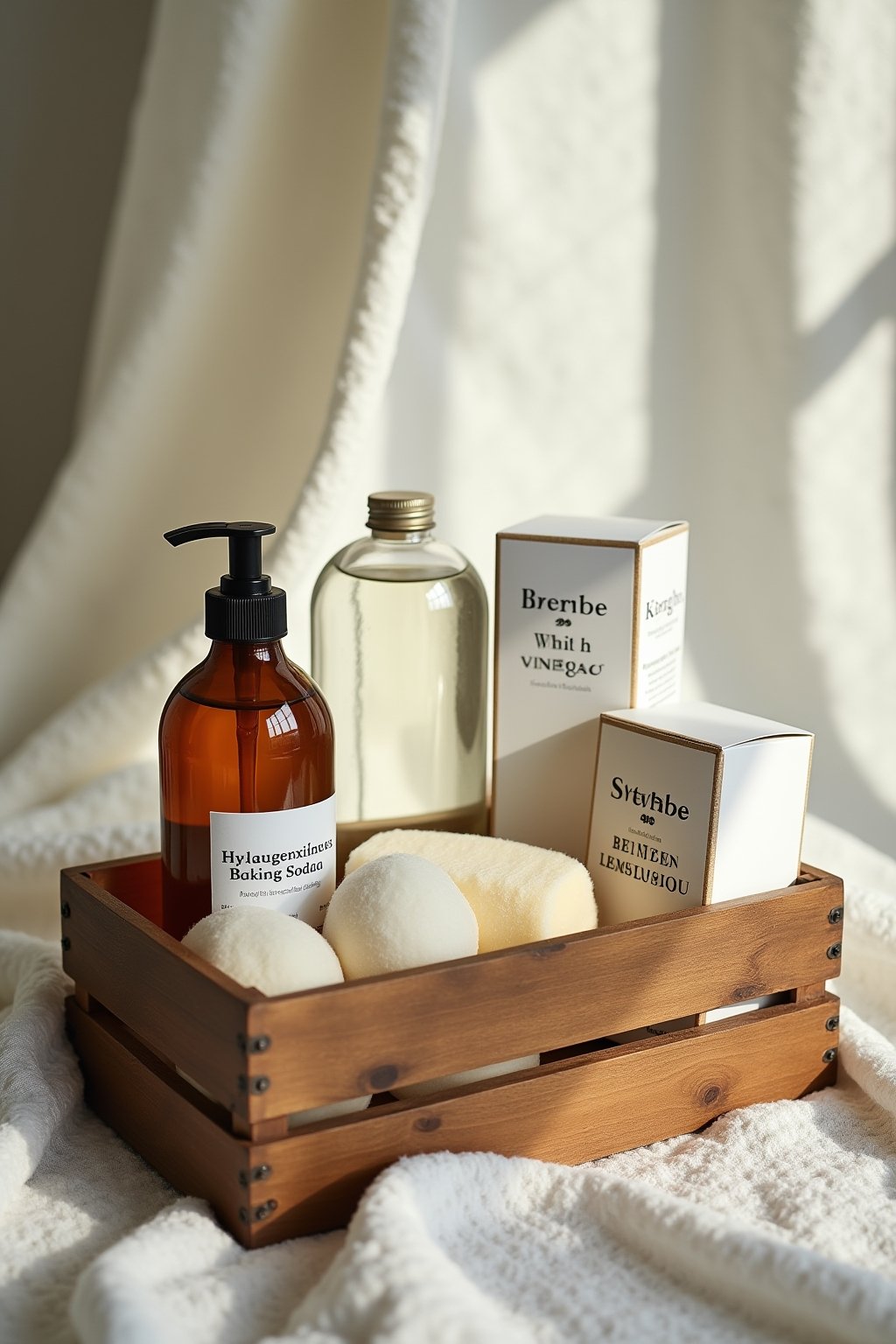
These staple ingredients cover every swap in this guide:
- White distilled vinegar (gallon jug) — your primary all-purpose cleaning agent for degreasing, descaling, and deodorizing
- Baking soda (large box) — the gentle abrasive and odor neutralizer that handles scrubbing tasks
- Liquid castile soap — a plant-based soap for floors, hands, dishes, and general cleaning
- Rubbing alcohol (70% isopropyl) — a streak-free glass cleaner and surface disinfectant
- Hydrogen peroxide (3%) — for whitening, disinfecting, and stain removal
- Microfiber cloths — replace paper towels and clean surfaces with just water better than cotton rags
- Reusable spray bottles (glass or recycled plastic) — for mixing and storing your solutions
- Wool dryer balls — replace dryer sheets and fabric softener permanently
The Build
Kitchen Swaps: Counters, Sink, and Appliances
Swap commercial kitchen spray for vinegar-based all-purpose cleaner. Mix equal parts water and white vinegar in a spray bottle with a drop of dish soap. This cuts grease, removes food residue, and deodorizes. For granite or marble countertops, replace the vinegar with rubbing alcohol to avoid acid damage. Swap scouring powder for baking soda. Sprinkle it directly on the sink, stovetop, or cutting board and scrub with a damp sponge. It is equally abrasive without the chemical bleach and fragrance found in commercial powders.
Swap oven cleaner spray for a baking soda paste. Mix three tablespoons of baking soda with water to form a spreadable paste. Apply to the inside of the oven (avoid heating elements), let it sit overnight, and wipe clean. No toxic fumes, no gloves required, and it works on even heavy grease. Swap antibacterial dish soap for plain castile soap. A few drops in warm water cuts grease just as effectively without triclosan or synthetic antibacterial agents that contribute to antibiotic resistance.
Bathroom Swaps: Toilet, Tub, Shower, and Mirrors
Swap bleach toilet bowl cleaner for baking soda and vinegar. Sprinkle half a cup of baking soda into the bowl, add half a cup of vinegar, let it fizz for 15 minutes, and scrub. For disinfecting power, follow with a spray of straight hydrogen peroxide and let it sit for 10 minutes before flushing. Swap tub and tile scrub for a baking soda and dish soap paste. Mix them to form a thick paste, apply with a sponge, scrub, and rinse. This removes soap scum and hard water deposits without harsh chemical fumes in an enclosed bathroom space.
Swap glass cleaner for a rubbing alcohol and water mix. Equal parts rubbing alcohol and water in a spray bottle cleans mirrors streak-free. The alcohol evaporates instantly, leaving zero residue. Swap air freshener with baking soda. Commercial bathroom air fresheners are among the worst VOC offenders. Instead, keep an open dish of baking soda behind the toilet to absorb odors continuously, and add a few drops of essential oil to the dish weekly for a light scent.
Living Room and Bedroom Swaps: Furniture, Floors, and Air Quality
Swap furniture polish for olive oil and vinegar. Mix one cup of olive oil with a quarter cup of vinegar. Apply a tiny amount to a soft cloth and wipe wood furniture with the grain. This conditions wood naturally and provides a beautiful low sheen without silicone, petroleum solvents, or artificial fragrance. Swap carpet freshening powder for baking soda. Sprinkle baking soda across the carpet, let it sit for 30 minutes to absorb odors, and vacuum. It works identically to commercial carpet powder without the synthetic fragrance that lingers in the air for hours.
Swap plug-in air fresheners for a diffuser with real essential oils. Plug-in fresheners release phthalates and synthetic fragrance compounds continuously. A small diffuser with actual essential oils (lavender, eucalyptus, peppermint) provides scent without synthetic chemicals. Even better, open windows regularly — nothing freshens indoor air as effectively as simple ventilation. Swap floor cleaner for diluted castile soap. One tablespoon of castile soap in a gallon of warm water cleans all sealed hard floors without chemical residue.
Laundry Room Swaps: Detergent, Fabric Softener, and Stain Treatment
Swap conventional laundry detergent for a plant-based or homemade version. Look for detergents free of synthetic fragrance, optical brighteners, and 1,4-dioxane. Or make your own: grate half a bar of castile soap, mix with one cup of washing soda and one cup of baking soda. Use two tablespoons per load. Swap fabric softener and dryer sheets for wool dryer balls. Dryer sheets are coated with quaternary ammonium compounds and synthetic fragrance. Wool dryer balls soften clothes naturally by tumbling between items, reduce drying time by 10–15%, and last for over 1,000 loads.
Swap commercial stain remover for hydrogen peroxide. For white fabrics, apply 3% hydrogen peroxide directly to the stain, let it sit for 10 minutes, and wash. For colors, test first in an inconspicuous area. For grease stains, sprinkle baking soda on the spot, let it absorb the grease for 30 minutes, brush off, and wash. Pro tip: add half a cup of white vinegar to the rinse cycle as a natural fabric softener. It removes detergent residue, softens fibers, and the smell disappears completely once the clothes dry.
Whole-House Swaps: Disinfecting, Deodorizing, and Multi-Surface Cleaning
Swap disinfectant spray for hydrogen peroxide in a dark spray bottle. Spray 3% hydrogen peroxide on doorknobs, light switches, faucet handles, and remote controls. Let it sit for at least one minute for full disinfecting action, then wipe. It kills common bacteria and viruses without leaving chemical residue. Swap air freshener spray for simmering potpourri. Simmer a small pot of water with citrus peels, cinnamon sticks, and cloves on the stove for 30 minutes. The natural steam fills your entire home with a warm, inviting scent without any synthetic chemicals.
Swap disposable cleaning wipes for reusable microfiber cloths. Disposable wipes are one of the largest sources of cleaning-related waste and contain preservatives and synthetic surfactants. A damp microfiber cloth picks up 99% of bacteria from surfaces with just water — no cleaning solution needed. Wash them weekly in hot water. Pro tip: build your non-toxic cleaning kit gradually. Replace products as they run out rather than throwing everything away at once. This makes the transition free since you were going to buy replacements anyway.
Working Backwards From a Problem
- Assuming “natural” or “green” on a label means non-toxic — these terms are unregulated marketing language. Always check the actual ingredient list. Look for specific certifications like EPA Safer Choice or EWG Verified
- Mixing vinegar with bleach during the transition — if you still have bleach products, never combine them with vinegar. This creates toxic chlorine gas. Use them on separate days and in separate rooms
- Expecting non-toxic products to work instantly like chemical ones — most non-toxic cleaners need more dwell time. Spray, wait two to five minutes, then wipe. The extra time makes up for the gentler formula
- Throwing away all your old products at once — this is wasteful and expensive. Use up what you have and replace each product with a non-toxic version as it runs out
- Using vinegar on everything — vinegar is fantastic but it damages natural stone, certain metals (like aluminum), and some types of hardwood floor finish. Know the exceptions
Best Used When
Start Here: The Bathroom
The bathroom is the best room to start your non-toxic transition because it is where you are most likely to be inhaling fumes from cleaning products in an enclosed space. Swap out bleach toilet cleaner and tub scrub first — the baking soda and hydrogen peroxide alternatives work well and the air quality difference is immediately noticeable.
Week Two: The Kitchen
Replace the counter spray and oven cleaner next. The kitchen is where food is prepared on surfaces you just cleaned, so eliminating chemical residue matters here. Vinegar-based cleaner and baking soda handle every daily kitchen task.
Week Three: Laundry and Living Areas
Finish with the laundry room swaps (detergent, fabric softener, dryer sheets) and living area products (furniture polish, carpet powder, air freshener). By this point you will have already been using your core ingredients for two weeks and will feel confident in their effectiveness.
Quick Answers
Do non-toxic cleaners actually disinfect?
Hydrogen peroxide (3%) and rubbing alcohol (70%) are both proven disinfectants that kill common household bacteria and viruses. They require adequate contact time, usually one to two minutes, to be effective. For everyday cleaning, they provide the same level of disinfection as commercial products.
Are non-toxic cleaning products safe for septic systems?
Yes. Vinegar, baking soda, castile soap, and hydrogen peroxide are all septic-safe. In fact, they are better for septic systems than bleach and antibacterial products, which kill the beneficial bacteria that break down waste in the septic tank.
What about really tough jobs like mold removal?
For small areas of surface mold, spray undiluted hydrogen peroxide and let it sit for 10 minutes before wiping. For extensive mold (more than 10 square feet), you may need a professional remediation service regardless of what products you use. Non-toxic products handle most normal mold situations effectively.
Is it safe to make cleaning products in the same containers I use for food?
Use separate, clearly labeled containers for cleaning products even if the ingredients are food-safe. This prevents confusion and accidental ingestion, especially in households with children. Glass spray bottles are ideal because they do not absorb residue.
How do I know if a commercial cleaner is truly non-toxic?
Look for third-party certifications like EPA Safer Choice, EWG Verified, or Green Seal. Check the full ingredient list rather than trusting front-label claims like natural or green. Avoid products that list fragrance as an ingredient since it can contain dozens of undisclosed chemicals.
Will non-toxic products damage my surfaces?
When used correctly, no. The main exception is vinegar on natural stone (granite, marble, travertine), which can etch the surface. Use rubbing alcohol-based solutions on stone instead. Baking soda is safe on virtually every surface including porcelain, ceramic, glass, and stainless steel.