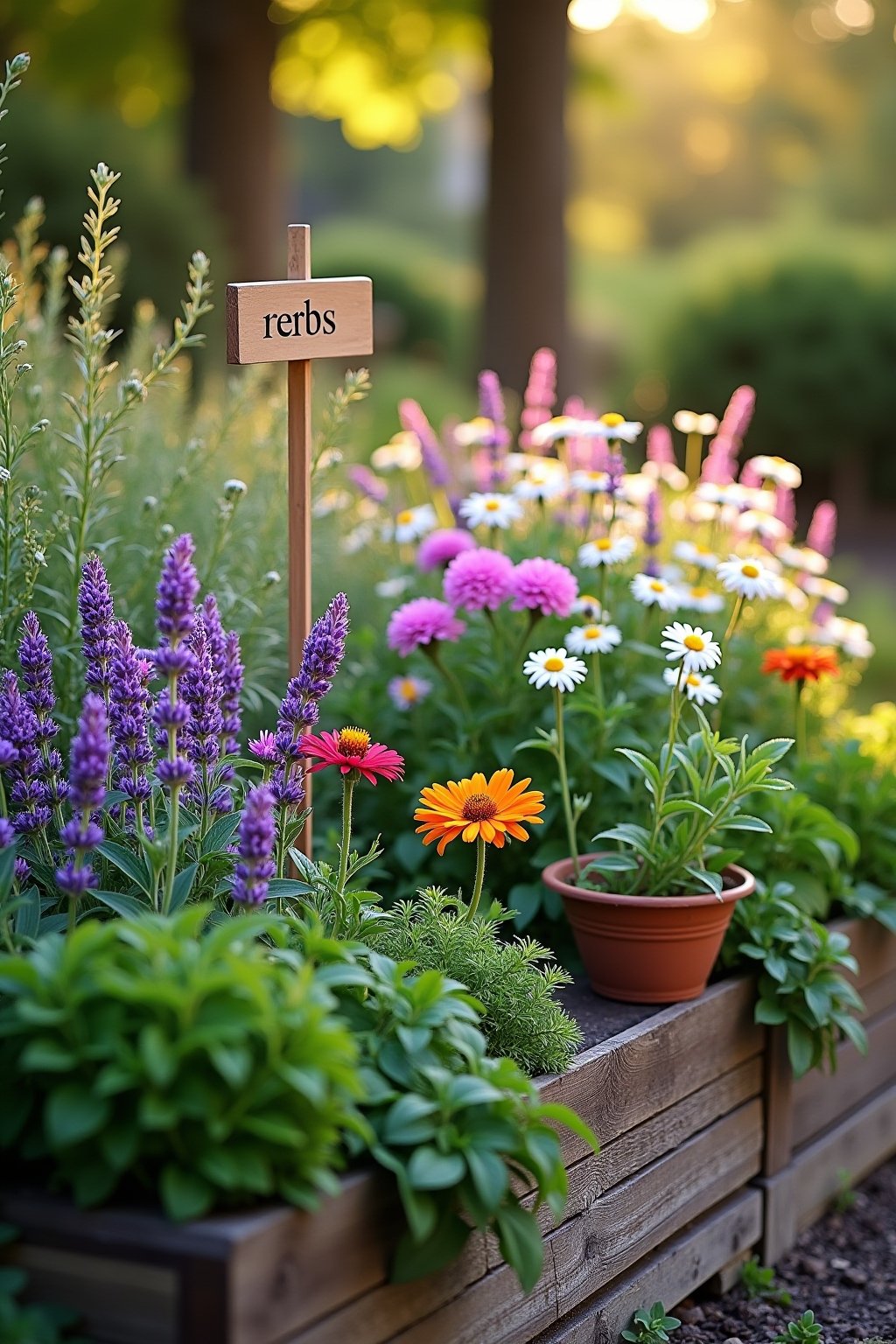
For thousands of years, people grew their own medicine. Every farmstead had a patch of chamomile for sleep, peppermint for digestion, lavender for headaches, and echinacea for immune support. Modern medicine replaced much of this, but there is a growing movement to reconnect with these plants — not as a replacement for medical care, but as a complement that puts simple, everyday wellness remedies literally at your doorstep.
A medicinal herb garden is easy to start, beautiful to look at, and surprisingly productive. Most healing herbs are tough, drought-tolerant plants that thrive with minimal care. Many of them are the same herbs you already use in cooking — the line between culinary and medicinal herbs is thin. This guide covers 10 beginner-friendly medicinal plants, how to grow them, and how to use them for simple home remedies like teas, salves, and tinctures.
Quick Facts
| Sun | Full Sun (most medicinal herbs need 6-8 hours) |
| Difficulty | Beginner |
| Season | Plant in spring after last frost (some can be fall-planted) |
| Zone | Most medicinal herbs grow in Zones 3-9 |
| Time to Harvest | Most herbs ready for first harvest 60-90 days from planting |
What You’ll Need
- Garden bed, raised bed, or large containers (many herbs grow great in pots)
- Well-draining soil amended with compost
- Herb transplants or seeds (see the 10 recommended plants below)
- Watering can or drip system
- Mulch (gravel or straw — many herbs prefer lean, dry conditions)
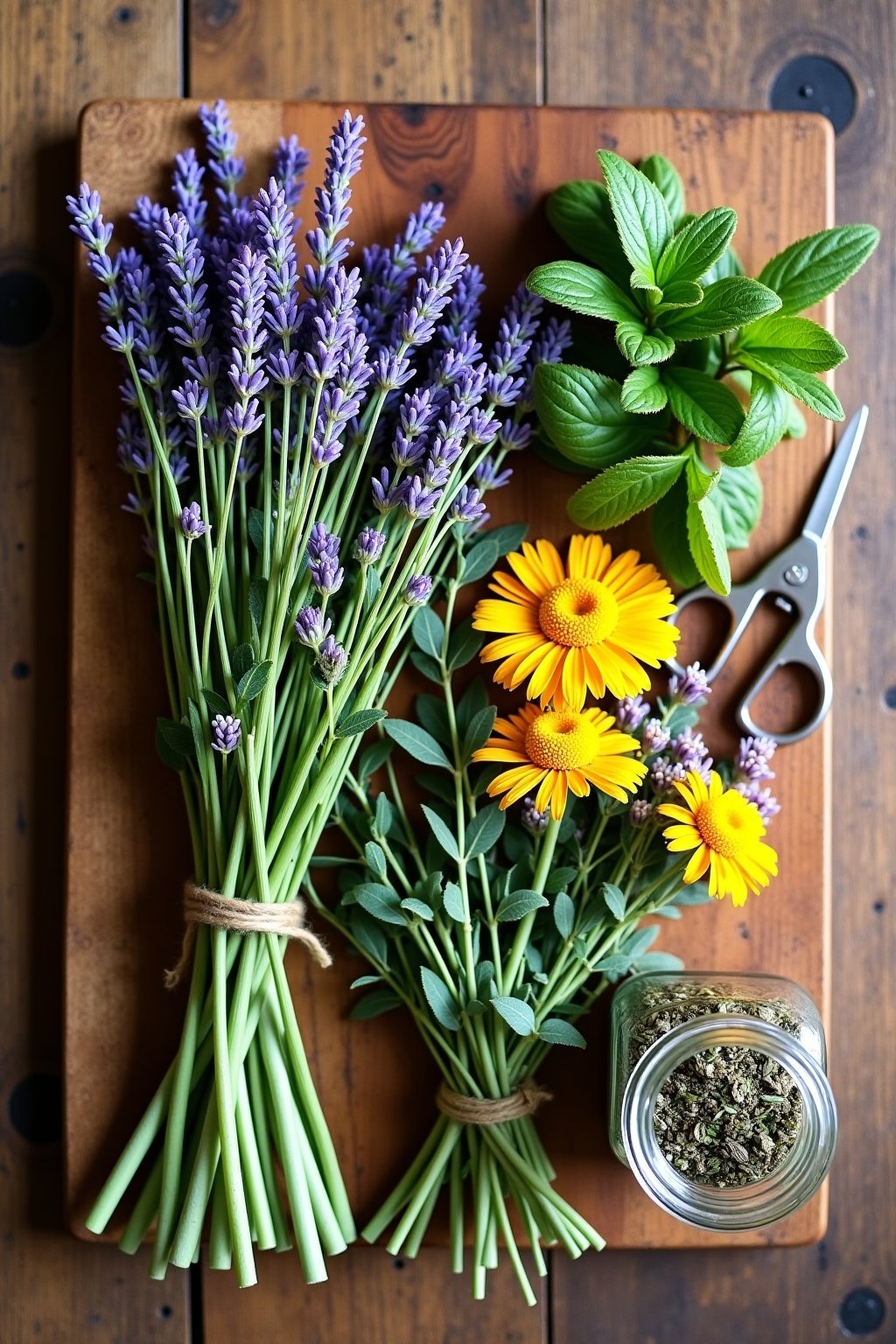
- Drying rack or screen for harvesting and drying herbs
- Mason jars for storing dried herbs
- Garden labels (herb gardens have many similar-looking plants)
The top 10 medicinal herbs for beginners:
- Chamomile — calming tea, sleep aid, digestive soother
- Peppermint — digestion, headaches, congestion relief
- Lavender — anxiety, headaches, skin irritation, sleep
- Echinacea — immune support, cold and flu prevention
- Calendula — skin healing salve, anti-inflammatory
- Lemon Balm — anxiety, sleep, cold sores, digestive calm
- Thyme — cough and sore throat remedy, antibacterial
- Sage — sore throat gargle, hot flash relief, memory support
- Rosemary — circulation, focus, anti-inflammatory, hair rinse
- Yarrow — wound healing, fever reduction, anti-inflammatory
Container-friendly: All 10 herbs grow well in containers (12 inches or larger). A few large pots on a sunny patio make a complete medicine garden.
Step 1: Choose Your Location and Growing Method
Most medicinal herbs want full sun and well-drained soil. Mediterranean herbs like lavender, rosemary, sage, and thyme actually prefer poor, lean soil — over-fertile soil makes them leggy and reduces the concentration of essential oils (which are the medicinal compounds). Mint-family herbs like peppermint and lemon balm are more flexible with soil but spread aggressively — grow them in containers to control their spread.
A raised bed is ideal because you can control drainage. A 4×4 or 4×8 foot bed holds all 10 recommended herbs comfortably. Alternatively, use a group of large containers (12+ inches) on a sunny patio — this works just as well and looks beautiful arranged as an herb garden display.
Step 2: Prepare the Soil for Medicinal Herbs
Most medicinal herbs prefer well-drained soil that is not too rich. Mix garden soil with coarse sand and a small amount of compost — the final mix should drain quickly and not stay soggy. Heavy clay soil kills most medicinal herbs; amend heavily or use raised beds.
For Mediterranean herbs (lavender, rosemary, sage, thyme), add extra sand or perlite for sharp drainage. These plants evolved in rocky, dry hillsides and rot in wet feet. For chamomile, echinacea, calendula, and yarrow, standard garden soil with good drainage works fine — they are less fussy.
Step 3: Plant With Spacing for Air Circulation
Space herbs 12-18 inches apart depending on mature size. Good air circulation prevents fungal diseases and helps essential oils concentrate in the leaves. Taller herbs (echinacea, rosemary) go in the back or center; low-growing herbs (thyme, chamomile) go at the edges.
Plant peppermint and lemon balm in containers even if they are going in a garden bed — sink the container into the soil to contain their aggressive runners. Without containment, these mint-family herbs will take over the entire garden within one season.
Step 4: Water Sparingly (Most Herbs Prefer Dry)
Once established, most medicinal herbs are remarkably drought-tolerant. Overwatering is actually the most common killer of herb gardens. Water new transplants regularly for the first 2-3 weeks, then reduce to once a week or less. Let the soil dry between waterings.
Mediterranean herbs (lavender, rosemary, sage, thyme) need very little water once established — they evolved in dry climates and their essential oil concentration actually increases with mild drought stress. Mint-family herbs (peppermint, lemon balm) and echinacea tolerate more moisture but still don’t want soggy soil.
Step 5: Harvest at Peak Potency
The medicinal compounds in herbs are most concentrated at specific times:
- Leaves (basil, mint, lemon balm, sage, thyme): Harvest in the morning after dew dries but before midday heat, just before the plant flowers. This is when essential oil concentration peaks.
- Flowers (chamomile, calendula, lavender, echinacea): Harvest when flowers are just fully open. Calendula and chamomile should be picked regularly to encourage continuous blooming.
- Roots (echinacea): Harvest in fall of the second or third year when the plant is dormant and energy is stored in the roots.
Use sharp scissors or pruning shears for clean cuts. Never harvest more than one-third of the plant at a time — this ensures it recovers quickly and keeps producing.
Step 6: Dry and Store for Year-Round Use
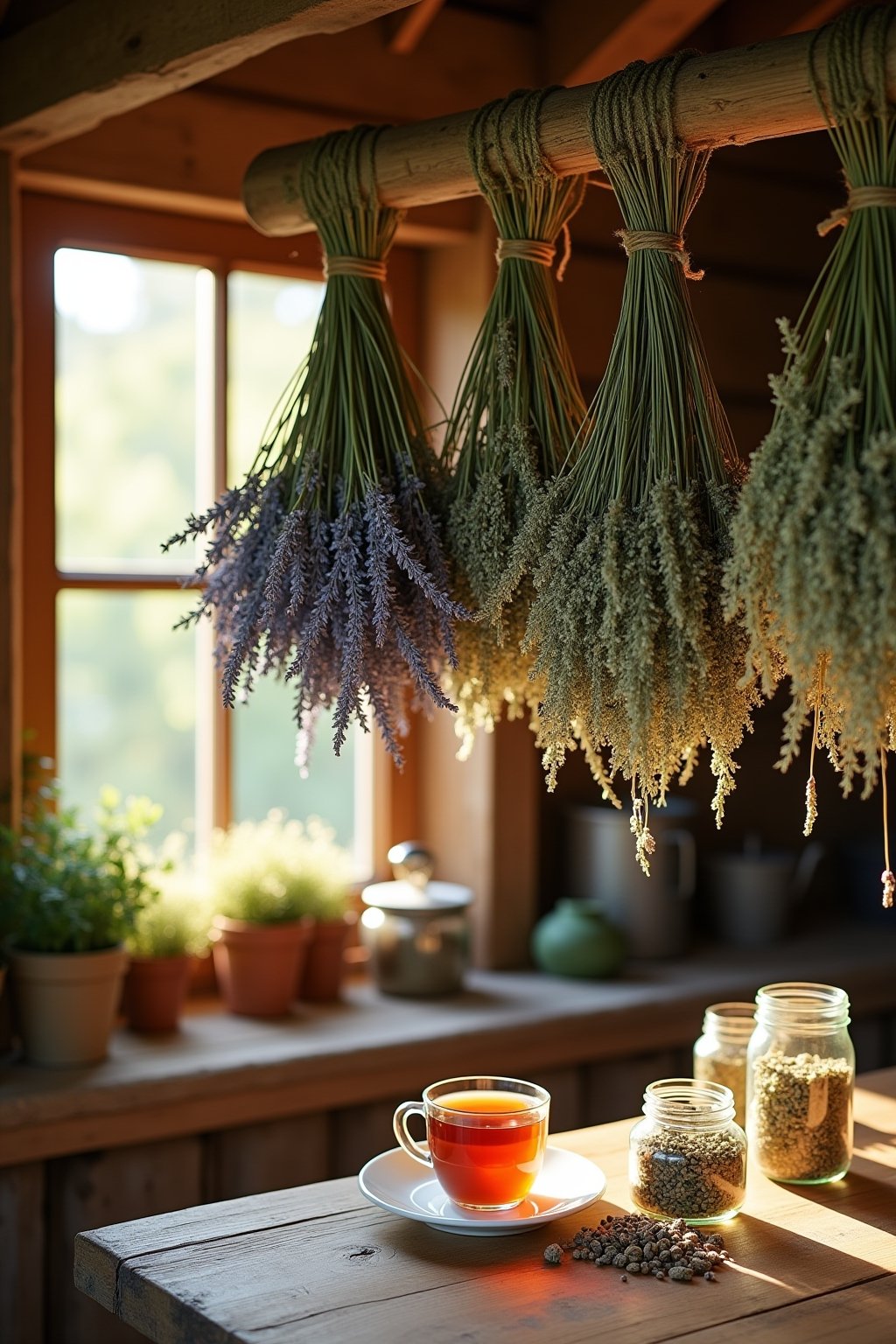
Most medicinal herbs are used dried. Tie small bundles of stems with string and hang upside down in a warm, dry, well-ventilated area out of direct sunlight. A covered porch, warm attic, or inside a paper bag with holes works well. Herbs are fully dry when they crumble easily between your fingers — usually 1-2 weeks.
Strip dried leaves and flowers from stems, crumble them gently, and store in airtight glass jars (mason jars are perfect) in a cool, dark place. Label with the herb name and harvest date. Most dried herbs retain their medicinal properties for 1-2 years when stored properly. Keep away from heat, moisture, and direct light, which degrade the active compounds.
If You’re Stuck
Herbs are leggy and pale: Not enough sun. Most medicinal herbs need 6-8 hours of direct sunlight. Move containers to a sunnier spot or thin surrounding plants that may be casting shade.
Lavender/rosemary dying despite watering: Probably overwatering or poor drainage. These Mediterranean herbs need dry conditions — let the soil dry completely between waterings. Check that drainage holes are not blocked. Root rot kills more lavender than drought ever will.
Mint taking over the garden: Mint spreads by aggressive underground runners. Dig up the runners and replant mint in a container. Even in a garden bed, grow mint in a pot sunk into the soil to contain it. This is not optional — mint WILL take over.
Chamomile not flowering: Chamomile flowers best in lean soil with moderate water. Too much fertilizer or shade encourages leaves over flowers. Also, there are two types: German chamomile (annual) and Roman chamomile (perennial) — make sure you have the right type for your climate.
Timing Across the Year
Spring: Plant transplants after the last frost. Start seeds indoors 6-8 weeks before last frost for echinacea and chamomile (slow to germinate). Most herbs are available as transplants at garden centers in spring.
Summer: Peak harvest season. Harvest leaves before flowering for maximum essential oil content. Pick chamomile and calendula flowers every few days to encourage continuous blooming. Dry herbs in batches throughout summer.
Fall: Harvest echinacea roots from 2-3 year old plants. Take last cuttings of annual herbs before frost. Mulch perennial herbs (lavender, rosemary, thyme, sage) in cold climates for winter protection.
Winter: Enjoy your dried herb teas and preparations. Plan next year’s additions. Rosemary and thyme can be grown on a bright windowsill for fresh winter harvest in cold climates.
Things I Always Do Now
- Harvest in the morning for peak potency — essential oils are most concentrated in the morning after dew dries but before midday heat evaporates them. This is true for all aromatic and medicinal herbs.
- Contain mint-family herbs — peppermint, lemon balm, and all mints spread aggressively by underground runners. Always grow them in containers, even in a garden bed (sink the pot into the soil).
- Don’t over-fertilize medicinal herbs — most healing herbs produce more potent essential oils in lean, poor soil. Too much fertilizer creates lush growth with weak medicinal properties.
- Grow chamomile from seed — it’s easy — scatter seeds on the soil surface (they need light to germinate), keep moist, and they sprout in 7-14 days. Chamomile self-seeds freely, so one planting gives you years of plants.
- Dry herbs in paper bags for convenience — put small bundles inside brown paper bags with a few holes punched for airflow. Hang the bags in a warm spot. The bag catches falling pieces and keeps herbs dust-free.
- Start with 3-4 herbs, not all 10 — begin with the ones you will actually use. Chamomile tea, peppermint tea, and lavender sachets are the easiest beginner projects with the highest reward.
FAQ
Are medicinal herbs safe to use?
Most common medicinal herbs like chamomile, peppermint, and lavender have been used safely for centuries and are generally recognized as safe for adults. However, some herbs interact with medications or are not recommended during pregnancy. Always research specific herbs before use, start with small amounts, and consult your healthcare provider if you take prescription medications.
What is the easiest medicinal herb to grow?
Peppermint is nearly indestructible — it grows in sun or shade, wet or dry conditions, and spreads vigorously. Chamomile self-seeds so freely that once planted, it comes back year after year on its own. Both are extremely beginner-friendly and have well-established uses as teas.
Can I grow a medicinal herb garden in containers?
Absolutely — all 10 recommended herbs grow well in containers of 12 inches or larger. Container growing is actually ideal for mint-family herbs that would spread aggressively in the ground. A group of herb pots on a sunny patio makes a beautiful and functional medicine garden.
How do I make herbal tea from garden herbs?
Use 1-2 tablespoons of fresh herbs (or 1 teaspoon dried) per cup of boiling water. Steep for 5-10 minutes covered (to trap volatile oils), strain, and drink. Chamomile flowers, peppermint leaves, and lemon balm are the most popular tea herbs. Honey and lemon are optional additions.
How long do dried herbs last?
Properly dried and stored herbs retain their medicinal properties for 1-2 years. Store in airtight glass jars in a cool, dark place. If herbs lose their color or aroma, they have lost most of their potency. Flowers (chamomile, calendula) lose potency faster than tough leaves (thyme, rosemary).
What is the difference between culinary and medicinal herbs?
Many herbs are both — rosemary, thyme, sage, and peppermint are used in cooking and for health purposes. The difference is mainly in how you use them: a pinch of thyme in soup is culinary; a strong thyme tea gargled for a sore throat is medicinal. Dedicated medicinal herbs like echinacea and calendula are rarely used in cooking.