
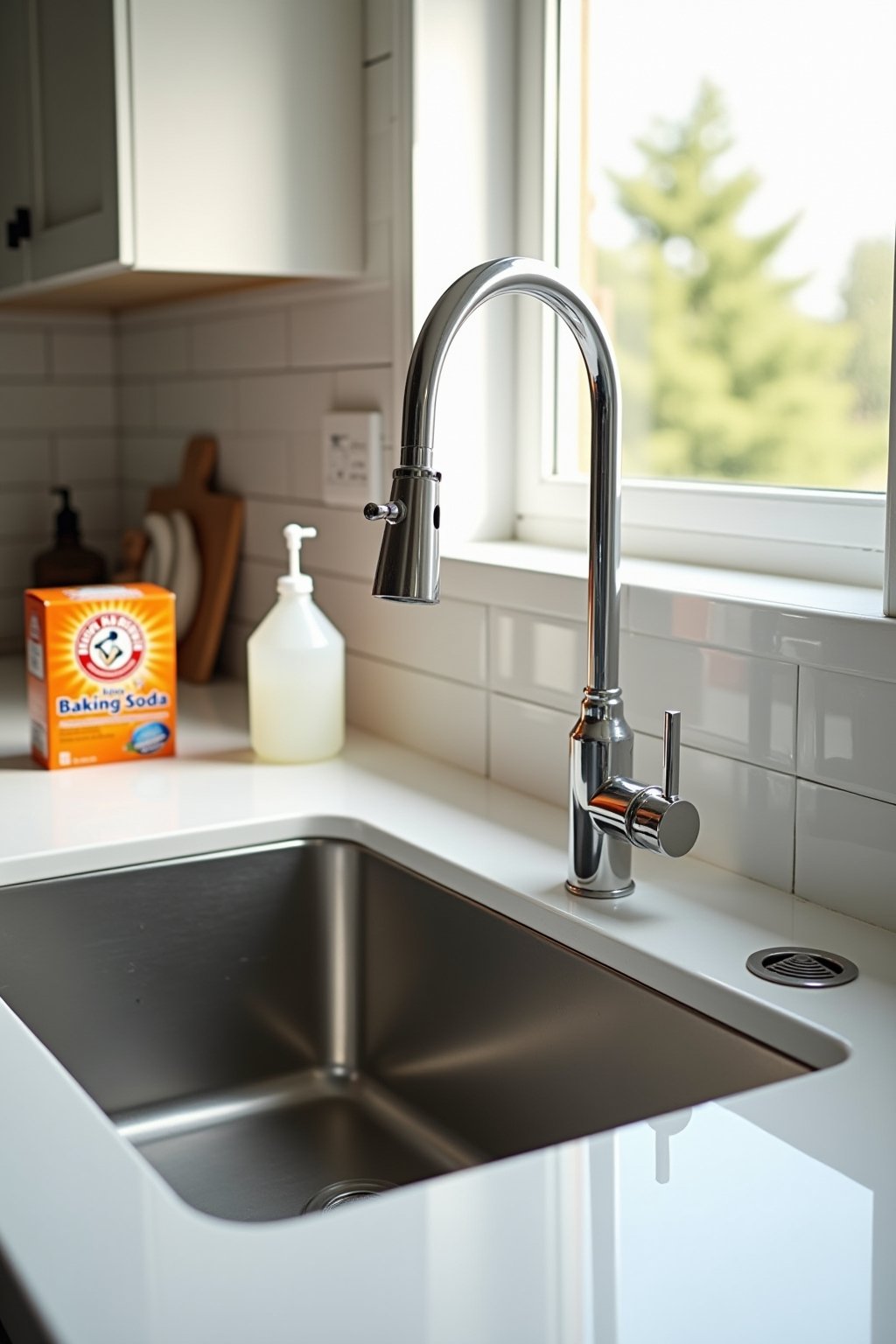
There is nothing quite like walking into your kitchen or bathroom and being hit by that unmistakable rotten-egg-meets-sewer smell coming from the drain. I dealt with this for months in my bathroom sink, trying everything — pouring bleach down there, running hot water for five minutes straight, stuffing a drain cover over it — and nothing worked for more than a day or two.
The problem is that most people treat the smell without understanding what causes it. Smelly drains are not a mystery — they have specific, identifiable causes, and each cause has a specific fix. Once I learned what was actually happening inside my pipes, I fixed the smell permanently in about twenty minutes. I have not smelled it since. This guide covers every common cause, the exact fix for each one, and a simple monthly routine that prevents the problem from ever coming back.
| ⏱ Time Required: | 30-45 minutes |
| 📈 Difficulty: | Easy with practice |
| 💰 Supplies Cost: | Free with what you have |
| 🔄 How Often: | Weekly |
Why It’s Stuck
- Addresses root causes, not just symptoms — masking a drain smell with bleach or fragrance is temporary because the source (biofilm, dried p-trap, food debris) keeps regenerating
- Different drains have different problems — a kitchen drain smells for different reasons than a bathroom drain, and each requires a different approach
- Most fixes take under 20 minutes — once you identify the cause, the solution is usually fast, inexpensive, and permanent if combined with prevention
- Prevents expensive plumber visits — the vast majority of drain odor problems are DIY-fixable and do not require professional intervention
- Uses common household ingredients — baking soda, vinegar, boiling water, and a drain brush handle 90% of smell-related drain problems
- A 5-minute monthly routine prevents recurrence — the maintenance step at the end of this guide stops smells before they start
The Lineup
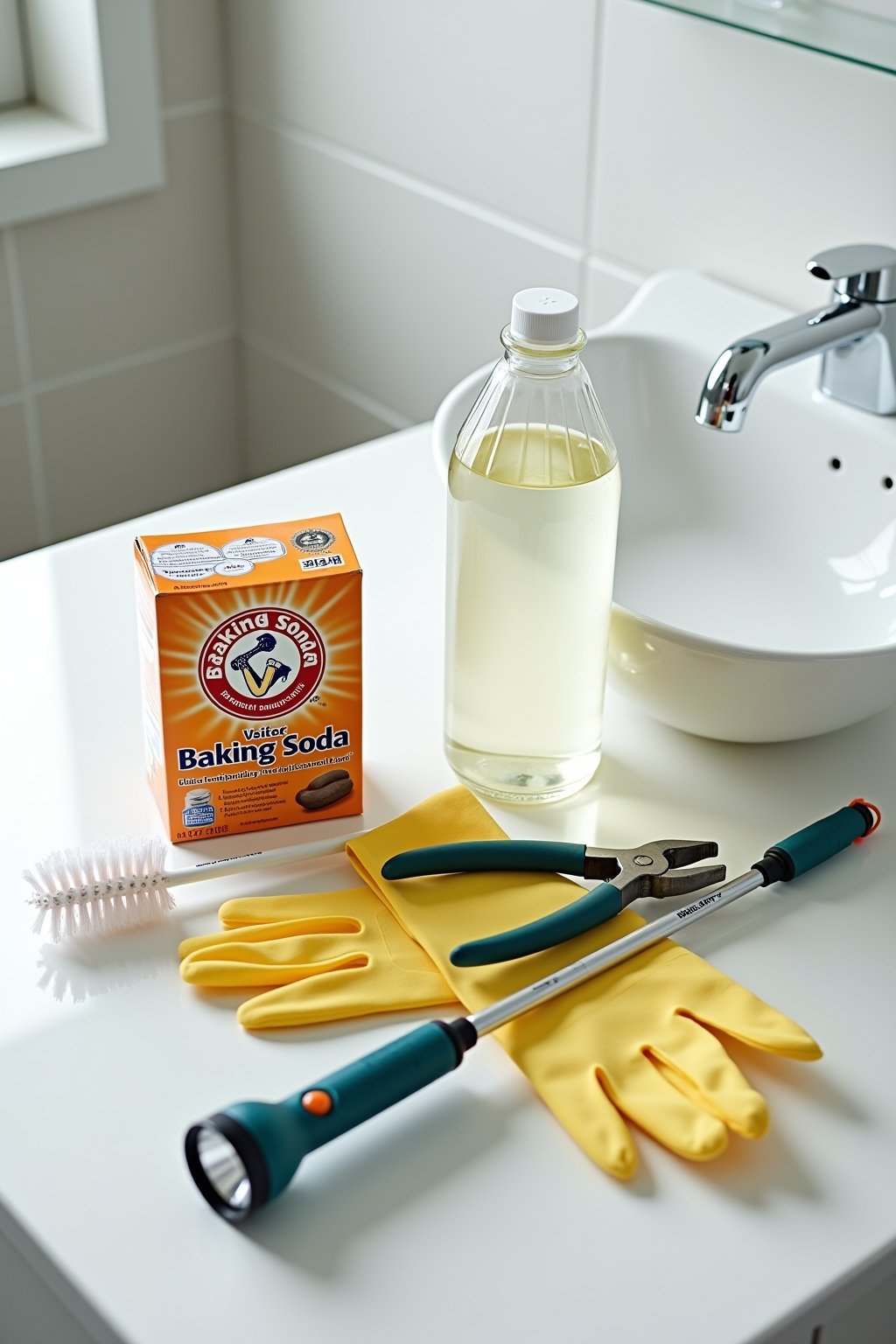
Gather these supplies before you start — you probably have most of them already:
- Baking soda (at least half a cup) — deodorizes and breaks down organic buildup inside pipes
- White distilled vinegar (at least one cup) — the fizzing reaction with baking soda scours pipe walls
- Boiling water (a full kettle) — flushes loosened debris and melts grease buildup
- Drain brush or pipe brush — a long, flexible brush designed to scrub the inside of the drain pipe manually
- Needle-nose pliers or a drain snake — for pulling out hair clogs from bathroom drains
- Rubber gloves — because pulling a hair clog out of a drain is deeply unpleasant without them
- Flashlight — to look down into the drain and identify visible buildup or blockage
- Bucket and old towels — in case you need to check the p-trap under the sink
Walk-Through
Step 1: Identify the Cause (5 Minutes)
Before you pour anything down the drain, figure out which problem you are actually dealing with. Cause 1 — Biofilm buildup: If the smell is a musty, mildew-like stench, you have biofilm — a slimy layer of bacteria, soap residue, toothpaste, and body oils coating the inside of the pipe. This is the most common cause in bathroom sinks. Cause 2 — Dried p-trap: If the smell is a strong sewer gas odor and the drain is in a guest bathroom or basement that rarely gets used, the p-trap (the U-shaped pipe under the sink) has dried out and is no longer blocking sewer gas from coming up.
Cause 3 — Food debris in the kitchen drain: If the smell is rotting food, grease or vegetable matter is stuck in the drain or garbage disposal. Cause 4 — Hair clog in the bathroom: If the drain is slow AND smelly, hair is catching other debris and creating a plug that bacteria colonize. Cause 5 — Vent pipe blockage: If multiple drains smell and you hear gurgling sounds, the vent pipe on the roof may be blocked. This is the one cause that may need a professional.
Step 2: Fix a Dried P-Trap (2 Minutes)
This is the easiest fix of all. If the smelly drain is in a room that rarely gets used, simply run water for 30 seconds. That is it. The p-trap is designed to hold a small amount of water that blocks sewer gas from entering your home. When the drain goes unused for weeks or months, the water evaporates, and raw sewer gas flows freely up through the drain. Running water refills the p-trap and seals the pipe immediately.
To prevent this from happening again, run every drain in your house for 15 seconds once a week, even drains you never use — basement floor drains, guest bathroom sinks, bathtubs in unused rooms. If you will be away from home for an extended period, pour a small amount of mineral oil into infrequently used drains before you leave. Mineral oil floats on top of the water in the p-trap and dramatically slows evaporation. Pro tip: if a floor drain in the basement smells, it almost always has a dried p-trap. A cup of water solves it instantly.
Step 3: Remove Hair and Debris Clogs (10 Minutes)
For bathroom drains, remove the drain stopper (most unscrew or pull straight up) and look inside with a flashlight. You will almost certainly see a clump of hair wrapped around the drain crossbar. Use needle-nose pliers to pull it out. It will be slimy, disgusting, and satisfying. For deeper clogs, push a drain snake or a plastic drain strip (available for a dollar) down the drain, twist slowly, and pull it back up. It will bring the clog with it.
For kitchen drains, the clog is usually grease and food particles. If you have a garbage disposal, run it while flushing with cold water (cold water solidifies grease so the disposal can chop it up). If you do not have a disposal, use a drain snake to reach and break up the blockage. Never use your fingers to reach inside a garbage disposal, even when it is off. Pro tip: install a silicone drain cover or mesh screen over every drain in your house. These catch hair and food before they enter the pipe, which prevents clogs and smells from ever developing.
Step 4: The Baking Soda and Vinegar Deep Flush
Once you have physically removed any clogs, this step scours the biofilm off the inside walls of the pipe. Pour half a cup of baking soda directly down the drain. Follow immediately with one cup of white vinegar. Quickly cover the drain opening with a plate, a drain plug, or a wet washcloth — this forces the fizzing action downward into the pipe rather than erupting upward into the sink. Let it work for 15 to 30 minutes.
After the wait, boil a full kettle of water and pour it slowly down the drain. The boiling water flushes away the loosened biofilm and melts any remaining grease coating the pipe walls. For stubborn odors, repeat the entire process once more. Pro tip: for kitchen drains specifically, follow the boiling water with a few ice cubes and a cut lemon through the garbage disposal. The ice knocks debris off the blades and the lemon deodorizes the disposal chamber.
Step 5: Use a Drain Brush for Persistent Biofilm
If the smell lingers after the baking soda treatment, the biofilm is thick enough that it needs physical scrubbing. A drain brush is a long, flexible brush specifically designed to fit down into the drain pipe. Insert it into the drain and twist while pushing it up and down. You will feel the resistance of the biofilm coating. Scrub for about 30 seconds, pull the brush out (it will be coated in black or brown slime), and rinse the drain with hot water.
Repeat the baking soda and vinegar treatment one more time after brushing to flush away anything you dislodged. Then run hot water for a full minute. The drain should smell completely neutral now. If it still smells, the issue may be in the p-trap itself — place a bucket under the p-trap, unscrew the connectors, remove the p-trap, and clean it in a separate sink with dish soap and a bottle brush. Pro tip: if the p-trap is black inside and heavily coated, replacing it is cheap (a few dollars at any hardware store) and takes about ten minutes.
Step 6: Monthly Prevention Routine (5 Minutes)
Prevention is everything. Once a month, pour half a cup of baking soda followed by half a cup of vinegar down every drain in your house. Cover, wait 15 minutes, and flush with boiling water. This prevents biofilm from rebuilding to the point where it starts smelling. Additionally, run water through every drain in the house at least once a week, including drains you rarely use, to keep all p-traps full.
In the kitchen, avoid pouring grease down the drain — wipe greasy pans with a paper towel before washing. In the bathroom, use a drain mesh or hair catcher on every shower and sink drain. These two habits prevent the two most common causes of drain odors. Pro tip: set a monthly calendar reminder for your drain maintenance. It takes five minutes for the entire house and prevents a problem that, once established, takes significantly longer to fix.
Reading What’s Wrong
- Pouring bleach down the drain as a first response — bleach kills surface bacteria temporarily but does not remove the biofilm layer, which regrows within days. It also corrodes certain pipe materials and is terrible for septic systems
- Ignoring a slow drain and only treating the smell — a slow drain means there is a physical blockage that is collecting debris and breeding bacteria. Treating the smell without removing the clog is treating a symptom, not the cause
- Using chemical drain cleaners — commercial drain cleaners like those containing sodium hydroxide are extremely corrosive and can damage PVC pipes, septic systems, and old metal plumbing. They also create dangerous fumes in enclosed bathrooms
- Not covering the drain during the baking soda and vinegar treatment — the fizzing action needs to be forced down into the pipe. If the drain is uncovered, the reaction escapes upward into the sink and barely reaches the biofilm coating below
- Forgetting about unused drains — a guest bathroom or basement drain that goes months without water use will develop a dried p-trap every time, letting sewer gas in. Running every drain for 15 seconds weekly prevents this completely
Where It Earns Its Keep
Kitchen Sink and Garbage Disposal
Kitchen drains smell because of grease, food particles, and garbage disposal residue. The baking soda and vinegar flush combined with boiling water handles grease buildup. For garbage disposals specifically, the ice-and-lemon trick cleans the blades and chamber. Never pour cooking oil or grease down the kitchen drain; let it solidify in a container and throw it in the trash.
Bathroom Sink and Shower
Bathroom drains smell because of hair, soap scum, toothpaste, and biofilm. The physical removal step (pulling out hair with pliers or a drain strip) is usually more important than any chemical treatment. A monthly baking soda flush and a drain mesh cover prevent recurrence.
Basement Floor Drains and Guest Bathrooms
These drains dry out because they are rarely used. The fix is simple: run water for 30 seconds weekly. For extended absences, pour a tablespoon of mineral oil into the drain. If a basement drain smells despite being filled with water, the problem may be a cracked or disconnected trap, which needs professional attention.
Common Asks
Why does my drain smell even though it is not clogged?
A drain that flows freely can still smell because of biofilm coating the pipe walls. Biofilm is a layer of bacteria, soap residue, and organic matter that builds up over time. The baking soda, vinegar, and boiling water treatment dissolves this biofilm. A drain brush scrubs off stubborn layers.
Is it safe to pour boiling water down PVC pipes?
Yes, boiling water is safe for PVC drain pipes in normal, brief pours. PVC softens at around 140 degrees Fahrenheit, but a quick pour of boiling water passes through too fast to cause damage. Do not let boiling water sit in PVC pipes for extended periods. For extra caution, use very hot but not boiling water.
How often should I clean my drains to prevent smells?
A monthly baking soda and vinegar treatment for every drain in the house prevents most odor problems. Weekly, run water for 15 seconds through any drain that does not get regular use. In the kitchen, a weekly boiling water flush prevents grease buildup.
Can a smelly drain be a sign of a bigger plumbing problem?
Sometimes. If multiple drains smell simultaneously, you hear gurgling sounds, or drains bubble when you flush a toilet, you may have a blocked vent pipe or a sewer line issue. These require professional diagnosis. A single smelly drain is almost always a DIY-fixable biofilm or p-trap issue.
Do drain deodorizer products work?
They mask the smell temporarily but do not address the cause. Enzyme-based drain maintainers are more effective because they digest organic buildup. However, the baking soda and vinegar method is cheaper, immediately available, and handles both deodorizing and mechanical cleaning of the pipe.
What causes the rotten egg smell specifically?
The rotten egg smell is hydrogen sulfide gas produced by bacteria feeding on organic matter in the drain. It can also come from sewer gas entering through a dried p-trap. Identifying which source is causing it determines whether you need to clean the drain or refill the p-trap.