
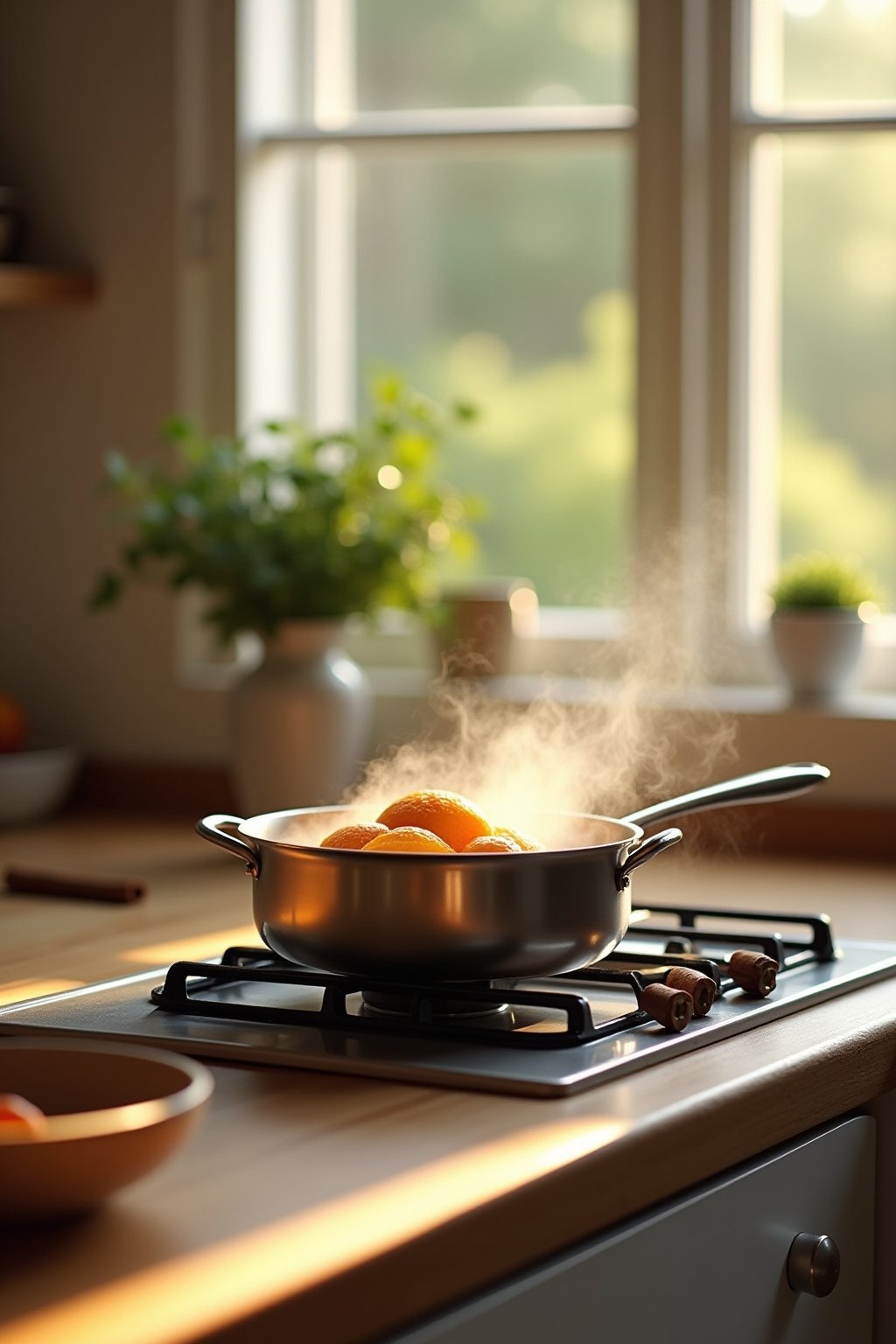
There’s a woman in my neighborhood whose house always smells incredible. Every time I walked through her front door, I’d be hit with this warm, welcoming scent that I couldn’t quite place — not overpowering, not artificial, just genuinely pleasant. For two years, I assumed she had an expensive candle addiction. When I finally asked her secret, she laughed and pointed to a small pot on her stove with orange peels, cinnamon sticks, and cloves simmering in water.
That moment changed my entire approach to home fragrance. I had been spending $30 a month on candles that gave me headaches, worried my cat, and left soot marks on the ceiling above them. There are so many better ways to make your home smell amazing that are safer, cheaper, longer-lasting, and won’t trigger allergies or harm pets. Here are 12 methods I now use in rotation, depending on the season, the room, and how much effort I feel like putting in.
| ⏱ Time Required: | 20-30 minutes |
| 📈 Difficulty: | Easy-Medium |
| 💰 Supplies Cost: | $10-20 |
| 🔄 How Often: | Monthly |
Why This One Lands
- Zero fire risk — none of these methods involve an open flame, making them safe for homes with children, pets, or forgetful adults who leave rooms unattended
- No toxic fumes or soot — many candles release paraffin wax fumes and soot particles that reduce indoor air quality; these methods use only natural ingredients
- Pet-friendly options available — several methods on this list are specifically noted as safe for cats and dogs, who are especially sensitive to essential oils and smoke
- Customizable scents for every season — mix and match ingredients to create signature scents for spring, summer, fall, and winter
- Budget-friendly at every level — from free methods using kitchen scraps to small investments in essential oils, there’s an option for every budget
- Long-lasting results — most of these methods provide continuous fragrance for hours or even days, unlike candles that only scent while burning

What You’ll Need
You won’t need everything on this list — pick the methods that appeal to you and gather supplies accordingly:
- Essential oils — lavender, eucalyptus, lemon, and peppermint are the most versatile starting scents
- Baking soda — absorbs odors actively rather than masking them; the foundation of several deodorizing methods
- Whole spices — cinnamon sticks, whole cloves, star anise, and vanilla beans for stovetop potpourri
- Fresh citrus — oranges, lemons, and limes provide bright, clean scents when simmered or dried
- Fresh herbs — rosemary, mint, eucalyptus, and lavender stems scent rooms naturally when displayed in vases
- Small mason jars or containers — for baking soda deodorizer jars and reed diffuser vessels
- Spray bottle — for homemade linen and room sprays
How I Do It
Stovetop Potpourri (The Powerhouse Method)
This is the method my neighbor used, and it’s the most effective natural home fragrance I’ve ever tried. Fill a small saucepan with water, add your choice of ingredients (my go-to combination is two cinnamon sticks, one sliced orange, five whole cloves, and a teaspoon of vanilla extract), and bring it to a low simmer. As the water gently heats, it releases the aromatic compounds into the air, filling your home with a warm, layered scent within minutes.
The key is keeping the heat on the lowest setting possible — you want a gentle simmer, not a boil. Check the water level every hour and add more as it evaporates. One pot can scent your entire home for 4 to 6 hours. Seasonal variations: in spring, try lemon slices with fresh rosemary and mint. In summer, use cucumber slices with lime and basil. In fall, go with apple peels, cinnamon, and nutmeg. In winter, try cranberries, orange peel, and cloves. You can refrigerate leftover potpourri and reuse it for 2 to 3 days before the scent fades.
Baking Soda Deodorizer Jars (Set and Forget)
This method works by absorbing bad odors rather than covering them up, which makes it perfect for chronically smelly areas like bathrooms, closets, laundry rooms, and near trash cans. Fill a small mason jar halfway with baking soda, add 10 to 15 drops of your favorite essential oil, stir to combine, and cover the jar with a piece of breathable fabric (cheesecloth, a coffee filter, or a scrap of cotton) secured with a rubber band or the jar ring.
Place the jars in problem areas and let them work passively. The baking soda absorbs odors from the air while the essential oil releases a gentle, continuous fragrance. Refresh the essential oil drops every two weeks and replace the baking soda entirely once a month. I keep one under every bathroom sink, one in each closet, and one near the kitchen trash can. They’re invisible, zero-maintenance, and genuinely effective. For pet households, use only pet-safe essential oils (lavender is generally safe for dogs; avoid tea tree, eucalyptus, and citrus oils around cats).
DIY Room and Linen Spray
Combine one cup of distilled water, two tablespoons of rubbing alcohol or vodka (this helps the essential oils disperse evenly in the water), and 20 to 30 drops of essential oils in a glass spray bottle. Shake well before each use and mist onto curtains, throw pillows, bedding, and into the air. The alcohol evaporates quickly, leaving behind a clean, natural scent that lingers for hours.
My favorite blend for linen spray is 15 drops of lavender and 10 drops of vanilla — it’s calming and makes pillows smell like a spa. For a fresh kitchen spray, try 15 drops of lemon and 10 drops of rosemary. For a bathroom spray, peppermint and eucalyptus create a clean, spa-like atmosphere. Avoid spraying directly on silk, satin, or delicate fabrics that may water-spot. This spray also works as a yoga mat refresher, car interior spray, and closet freshener. A single bottle lasts about a month of daily use and costs less than two dollars to make.
Fresh Herbs and Eucalyptus Arrangements
One of the simplest and most visually appealing methods is placing fresh herb bundles or eucalyptus stems in vases around your home. Fresh eucalyptus is particularly effective — place a bundle in a vase on your bathroom counter or hang a bundle from your shower head. The steam from hot showers activates the essential oils in the eucalyptus leaves, releasing an intense, spa-like scent that fills the entire bathroom.
Fresh rosemary stems in a kitchen vase add a savory, herbal fragrance that complements cooking smells rather than competing with them. Lavender stems in a bedroom vase promote relaxation and better sleep. Fresh mint in an entryway vase gives visitors an immediate impression of cleanliness. The bundles last about two weeks before drying out, and even dried they continue to emit a lighter scent for several more weeks. When they’ve fully dried, you can crush the leaves into sachets for dresser drawers or closets, extending their usefulness even further.
The HVAC Filter and Vent Trick
This method distributes fragrance through your entire home using the ventilation system you already have. Add three to five drops of essential oil directly onto your HVAC air filter (on the non-air-intake side, so the air passes through the filter and then over the oil). Every time the system runs, it pushes lightly scented air through every vent in your house. The scent is subtle — not overpowering — and reaches rooms that are difficult to fragrance by other methods.
Alternatively, place a cotton ball with a few drops of essential oil directly on top of a floor vent or return vent. When the system kicks on, it carries the scent into the room. This is especially useful for hallways, home offices, and guest rooms that don’t get regular attention. Refresh the oil on the filter each time you replace it (every 1-3 months) and refresh vent cotton balls weekly. Avoid using too much oil on the filter, as it can reduce airflow if it saturates the filter material. A few drops is truly all you need.
Deodorize at the Source (The Most Overlooked Step)
No amount of pleasant fragrance can overcome active odor sources. Before adding any nice scents to your home, address the root causes of bad smells. Sprinkle baking soda on carpets, let it sit for 30 minutes, and vacuum. Run your garbage disposal with ice and lemon. Clean the kitchen trash can itself (not just changing the bag) with a bleach spray once a month. Wash pet bedding weekly. Check for and address any mildew in bathrooms.
The refrigerator is another major odor source that people overlook — an open box of baking soda inside the fridge absorbs odors that would otherwise escape every time you open the door. Drains are another culprit; pour half a cup of baking soda followed by a cup of vinegar down bathroom and kitchen drains monthly to prevent odor buildup. Once your home is free of active odor sources, even the gentlest fragrance method on this list will be noticeable. It’s the difference between perfuming a clean room and trying to mask a dirty one — one works beautifully and the other never quite succeeds.
Bonus Methods: Cotton Ball Sachets, Vanilla Oven Trick, and Coffee Grounds
Three more quick methods worth keeping in your rotation. First, cotton ball sachets: add five drops of essential oil to a cotton ball, place it in a small drawstring bag or an open container, and tuck it into dresser drawers, shoes, gym bags, or closets. The scent lasts about a week per application. Second, the vanilla oven trick: place two tablespoons of vanilla extract in an oven-safe dish, put it in the oven at 300 degrees for 20 minutes, then turn off the heat. The gentle warmth volatilizes the vanilla without burning it, creating a bakery-like aroma that fills the kitchen and adjacent rooms.
Third, fresh coffee grounds. Place a small bowl of dry, unused coffee grounds in any room for a subtle, warm fragrance. Used grounds work too, but dry them first in a thin layer on a baking sheet (room temperature, not oven) to prevent mold. Coffee grounds also absorb odors like baking soda does, so they serve double duty. For a more intentional fragrance, simmer used grounds with a cinnamon stick and a few cloves in water on the stove — it creates a rich cafe-like scent that’s perfect for fall and winter mornings.
If You’re Stuck
- Using essential oils undiluted around pets — many essential oils are toxic to cats and dogs, especially tea tree, peppermint, and citrus for cats; always research pet safety before diffusing or placing oils in areas pets access
- Leaving stovetop potpourri unattended — if the water evaporates completely, the pot will scorch and the spices can burn; always set a timer to check water levels every 45-60 minutes
- Masking odors instead of eliminating them — layering fragrance over a bad smell creates a worse smell; always find and address the odor source before adding pleasant scents
- Using synthetic fragrance oils instead of essential oils — synthetic fragrance oils contain chemicals that can irritate airways and trigger headaches; true essential oils are plant-derived and generally better tolerated
- Over-scenting your home — your nose becomes desensitized to constant fragrance, so you keep adding more; guests may find the scent overwhelming; start subtle and ask a visitor for honest feedback
Where This Shines
Entryway and Living Room
First impressions matter. A eucalyptus or herb arrangement on the entry table greets guests with a fresh, natural scent. For the living room, a baking soda deodorizer jar hidden behind a decorative object provides continuous background fragrance. When hosting, start the stovetop potpourri 30 minutes before guests arrive for maximum impact.
Kitchen
The kitchen has the most competing smells, so focus on odor elimination first: clean disposal, empty trash, and fresh baking soda in the fridge. Then add fragrance with an herb arrangement on the counter or a citrus-based stovetop simmer. The vanilla oven trick is perfect for making the kitchen smell inviting before dinner guests arrive.
Bedrooms and Bathrooms
Bedrooms benefit from calming scents — lavender linen spray on pillows before bed is transformative for relaxation. Bathrooms are ideal for baking soda deodorizer jars and eucalyptus shower bundles. The combination of odor absorption and natural fragrance release keeps bathrooms smelling clean between cleanings without any sprays or plug-ins.
FAQ
Which essential oils are safe around cats?
Cats are particularly sensitive to essential oils because they lack certain liver enzymes needed to metabolize them. Generally safe options include lavender and chamomile in small, diluted amounts with good ventilation. Avoid tea tree, peppermint, eucalyptus, citrus oils, and cinnamon oil entirely around cats. When in doubt, use the baking soda jar method without essential oil — baking soda alone absorbs odors effectively.
How long does stovetop potpourri last?
A single batch can simmer for 4 to 6 hours with occasional water refills. After simmering, you can refrigerate the mixture and reuse it for 2 to 3 days before the scent fades. Each reuse is slightly less potent than the last. After the third use, compost the ingredients and start fresh for the best fragrance.
Do baking soda deodorizer jars actually work?
Yes, but they work by absorbing odors rather than projecting fragrance across a large space. They’re most effective in enclosed or small areas: closets, cabinets, bathrooms, and near specific odor sources like trash cans. For open rooms, combine a deodorizer jar with an active fragrance method like a linen spray or herb arrangement.
Are plug-in air fresheners a good candle alternative?
Plug-in air fresheners are convenient but many contain phthalates and volatile organic compounds that can irritate airways and contribute to indoor air pollution. If you prefer the convenience of a plug-in, choose one with essential oils rather than synthetic fragrance, and use it in well-ventilated areas only.
Can I use these methods if someone in my house has allergies?
Start with the fragrance-free methods: plain baking soda jars, activated charcoal bags, and good ventilation. These eliminate odors without adding any potential allergens. If you want to add scent, test one essential oil at a time in a small area and monitor for reactions. Lavender and lemon are generally well-tolerated, but everyone’s sensitivities are different.
What makes a house smell fresh and clean without any added fragrance?
Clean air circulation is the foundation. Open windows for 15 minutes daily, even in winter. Replace HVAC filters regularly. Wash bedding weekly, vacuum carpets and upholstery regularly, and address moisture sources that cause musty smells. A truly clean home has a neutral, fresh scent that needs very little enhancement.