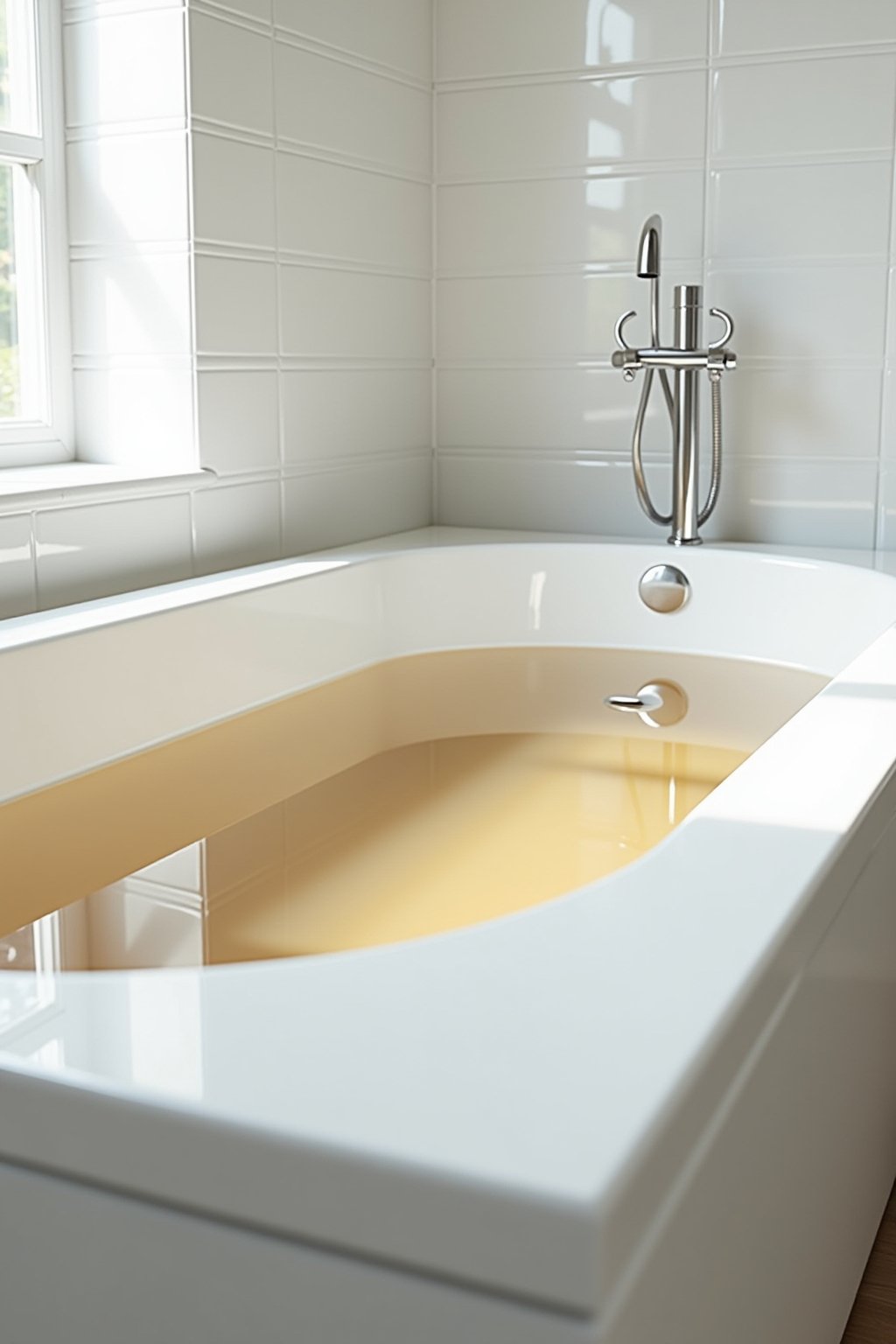
The first time I saw a laundry stripping video, I was simultaneously horrified and fascinated. Someone filled a bathtub with hot water, added sheets that looked perfectly clean, and within an hour the water had turned a revolting dark brown. My immediate thought was: are my sheets that disgusting too? So naturally, I tried it that same evening.
The water from my sheets turned a murky grayish-brown, and I was converted. But after researching the method more deeply and stripping several different types of fabric, I realized the truth is more nuanced than social media suggests. Laundry stripping works brilliantly in specific situations, but it can also damage certain fabrics and is completely unnecessary for everyday laundry. Here’s the honest breakdown of when to strip, when to skip, and how to do it right.
| ⏱ Time Required: | 4-6 hours (mostly soaking) |
| 📈 Difficulty: | Easy |
| 💰 Supplies Cost: | $5-10 |
| 🔄 How Often: | Every 3-6 months |
What Quiet Step Mattes
- Removes invisible buildup that regular washing misses — detergent residue, fabric softener, body oils, and mineral deposits accumulate in fabric fibers over months of washing and wearing
- Restores absorbency to towels — towels that have lost their absorbency almost always have fabric softener or detergent buildup coating the fibers. Stripping removes this coating completely
- Eliminates musty odors at the source — that persistent sour or musty smell in towels and gym clothes is usually trapped bacteria living in product buildup. Stripping removes both the buildup and the bacteria
- Makes whites actually white again — the gray or yellowish tinge on white sheets and towels is often product buildup rather than actual staining. Stripping restores the original brightness
- Uses three inexpensive products — borax, washing soda, and powdered detergent are all you need, and a single treatment costs about $1
- Only needed a few times per year — this is not meant to replace your regular wash routine. Stripping 2-4 times per year is sufficient for most households
Setting the Stage
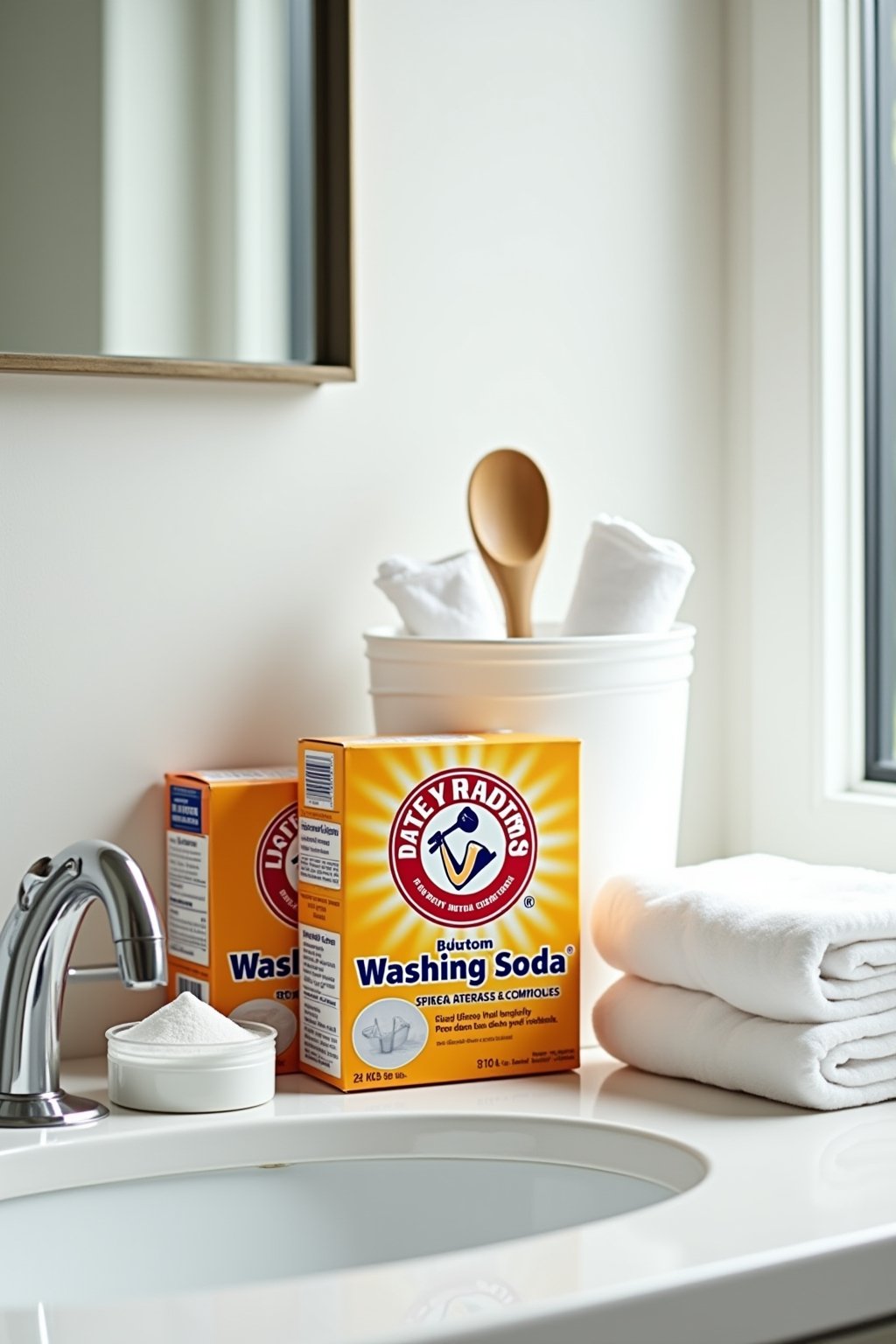
The classic laundry stripping recipe uses three products in a specific ratio. Here is everything you need:
- Borax — a mineral-based laundry booster that helps dissolve buildup and softens water
- Washing soda (sodium carbonate) — a strong alkaline cleaner that breaks down grease, oils, and detergent residue. Not the same as baking soda
- Powdered laundry detergent — use a basic powder without fabric softener or added scent beads. Tide powder or a generic equivalent works well
- Bathtub or large basin — you need enough space for the fabric to be fully submerged and spread out
- Hot water — as hot as your tap produces. The heat is critical for dissolving buildup from fibers
- Something to stir with — a long wooden spoon or broom handle for stirring the laundry periodically
The Working Pattern
Wash Your Laundry First
This seems counterintuitive, but always start with freshly washed laundry. You want to strip the invisible buildup, not surface dirt and grime. If you strip dirty laundry, the dirt in the water makes it impossible to tell how much buildup is actually being removed, and the results are less effective because the stripping agents are wasted on surface soil instead of embedded residue.
Wash your sheets, towels, or clothes as normal with your regular detergent. Skip the fabric softener on this wash. Once they come out of the dryer or off the line, they are ready for stripping. Yes, you will be getting them wet again immediately — that is the process.
Fill the Tub and Add the Stripping Solution
Fill your bathtub with the hottest water your tap produces. For a standard bathtub about half full, use this ratio: ¼ cup borax, ¼ cup washing soda, and ½ cup powdered laundry detergent. Stir until everything is dissolved. The water should look milky white. If you are using a smaller basin for a single item, halve the recipe.
Add your clean laundry to the solution. Push it down so every piece is fully submerged. Spread the items out — don’t ball them up. The stripping solution needs to make contact with every fiber. A bathtub can comfortably handle one set of king-size sheets, or 6-8 bath towels, or one small load of clothing. Do not overcrowd, or the solution cannot circulate properly.
Soak and Stir for 4-5 Hours
This is where the magic happens — and where patience is required. Let the laundry soak for 4-5 hours total, stirring every 30-60 minutes with your broom handle or wooden spoon. Stirring redistributes the solution and ensures even stripping. You will start seeing the water change color within the first hour. It may turn gray, brown, blue, or greenish depending on what products and minerals have built up in the fabric.
Do not panic at the water color. Some of what you see is dissolved dye (especially from colored items), some is mineral deposits from hard water, and some is genuine product and body oil buildup. The color change is most dramatic the first time you strip a particular set of items. Subsequent stripping sessions on the same items will produce much less discolored water, which tells you the method is working and the buildup is gone.
Drain, Rinse, and Wash Again
After 4-5 hours, drain the tub. The water will look genuinely disgusting, and that is exactly what you want to see. Wring out excess water from each item as best you can (this is the most physically demanding part of the process). Transfer the laundry to your washing machine and run a full wash cycle on hot with no detergent and no fabric softener. This rinse cycle removes any remaining stripping solution and loosened residue from the fabric.
Dry as you normally would. Tumble dry on appropriate heat for towels and sheets. Line dry if you prefer for clothing. The results are immediately noticeable: towels will feel softer and more absorbent, sheets will feel cleaner and lighter, and white items will look brighter. The first time you use freshly stripped towels, the difference in absorbency is remarkable.
Know What to Strip and What to Skip
Safe to strip: White cotton sheets, bath towels, cotton and polyester blend workout clothes, white t-shirts, dish towels, cloth diapers, and any sturdy cotton or synthetic fabric. These are the items that benefit most from stripping because they accumulate the most buildup from regular use and washing.
Do NOT strip: Wool, silk, cashmere, spandex, lycra, anything with elastic (bras, underwear with elastic waistbands), activewear with compression fibers, delicate lace, or any garment labeled dry clean only. The hot water and alkaline solution will damage or destroy these materials. Also avoid stripping brightly dyed or dark colored items more than once or twice per year — the hot water and chemicals can fade colors noticeably. When in doubt, skip it. Stripping is a heavy-duty process, not a gentle one.
Watch For These
- Stripping too frequently — laundry stripping is a deep treatment, not a regular wash method. Stripping more than 3-4 times per year on the same items can weaken fabric fibers and accelerate wear
- Using boiling water — the hottest tap water is sufficient. Boiling water can set certain stains, shrink cotton, and degrade elastic components. Hot tap water (around 120-140°F) is the right temperature
- Stripping delicate or stretchy fabrics — the combination of hot water, borax, and washing soda is too harsh for wool, silk, spandex, elastic, and compression fabrics. These materials will be damaged or ruined
- Confusing baking soda for washing soda — they are different products. Baking soda (sodium bicarbonate) is much milder. Washing soda (sodium carbonate) is the alkaline cleaner needed for stripping. Check the label carefully
- Overcrowding the tub — jamming too much laundry in prevents the solution from circulating properly, leading to uneven stripping. Keep it to one manageable load per session
Where It Earns Its Keep
Bathroom Towels and Bath Mats
Towels are the number one candidate for laundry stripping because they absorb body oil, product residue (shampoo, conditioner, body wash), and fabric softener buildup more than any other household textile. If your towels have lost absorbency, smell musty even when freshly washed, or feel stiff rather than fluffy, strip them. Most people see a dramatic improvement after a single session.
Bedroom Sheets and Pillowcases
White sheets that have developed a yellowish or grayish tinge are perfect stripping candidates. The discoloration is typically body oil and sweat buildup that regular detergent doesn’t fully dissolve. Strip sheets 2-3 times per year — once in spring, once in fall, and optionally mid-summer if you sleep hot.
Gym Clothes and Workout Gear
Synthetic workout fabrics trap sweat and bacteria in a way that cotton does not. If your gym clothes smell sour even fresh from the wash, stripping can reset them. Be selective: strip polyester and nylon items, but skip anything with significant spandex or compression features, as the hot water and chemicals can degrade the stretch fibers over time.
Common Reader Asks
What is the brown water that comes out when stripping laundry?
The discolored water is a combination of dissolved detergent residue, fabric softener buildup, body oils and sweat, mineral deposits from hard water, and sometimes dissolved fabric dye. The first time you strip an item, the water is usually the darkest. It does not mean your washing machine is broken or your laundry was dirty.
Can I strip laundry in my washing machine instead of a bathtub?
Top-loading washers with an agitator can work if you can pause the cycle and let the laundry soak for 4-5 hours. Front-loaders cannot be used because they lock and drain automatically. A bathtub remains the most reliable and effective option because you control the soak time completely.
How often should I strip my laundry?
For most households, stripping towels 2-4 times per year and sheets 2-3 times per year is sufficient. If you use fabric softener regularly or have very hard water, you may benefit from more frequent stripping. If you avoid fabric softener and have soft water, once or twice a year may be enough.
Will laundry stripping ruin my colored clothes?
Dark and brightly colored items may experience some color fading from the hot water and alkaline solution, especially if you strip them frequently. Strip colored items sparingly (once or twice a year maximum) and expect some minor color loss. For heavily dyed items like dark jeans, stripping is not recommended.
Is laundry stripping safe for a septic system?
The amounts of borax, washing soda, and detergent used in a single stripping session are small enough that they will not harm a properly functioning septic system. Drain the tub normally and run clean water through afterward to dilute any residual solution.
Can I use OxiClean instead of the borax and washing soda combo?
OxiClean is an oxygen-based bleach that works differently from the borax/washing soda stripping formula. It is better at removing stains than dissolving product and mineral buildup. For true laundry stripping, the classic three-ingredient formula is more effective. You can add OxiClean to the mix for extra stain-fighting power, but it should not replace the borax and washing soda.