
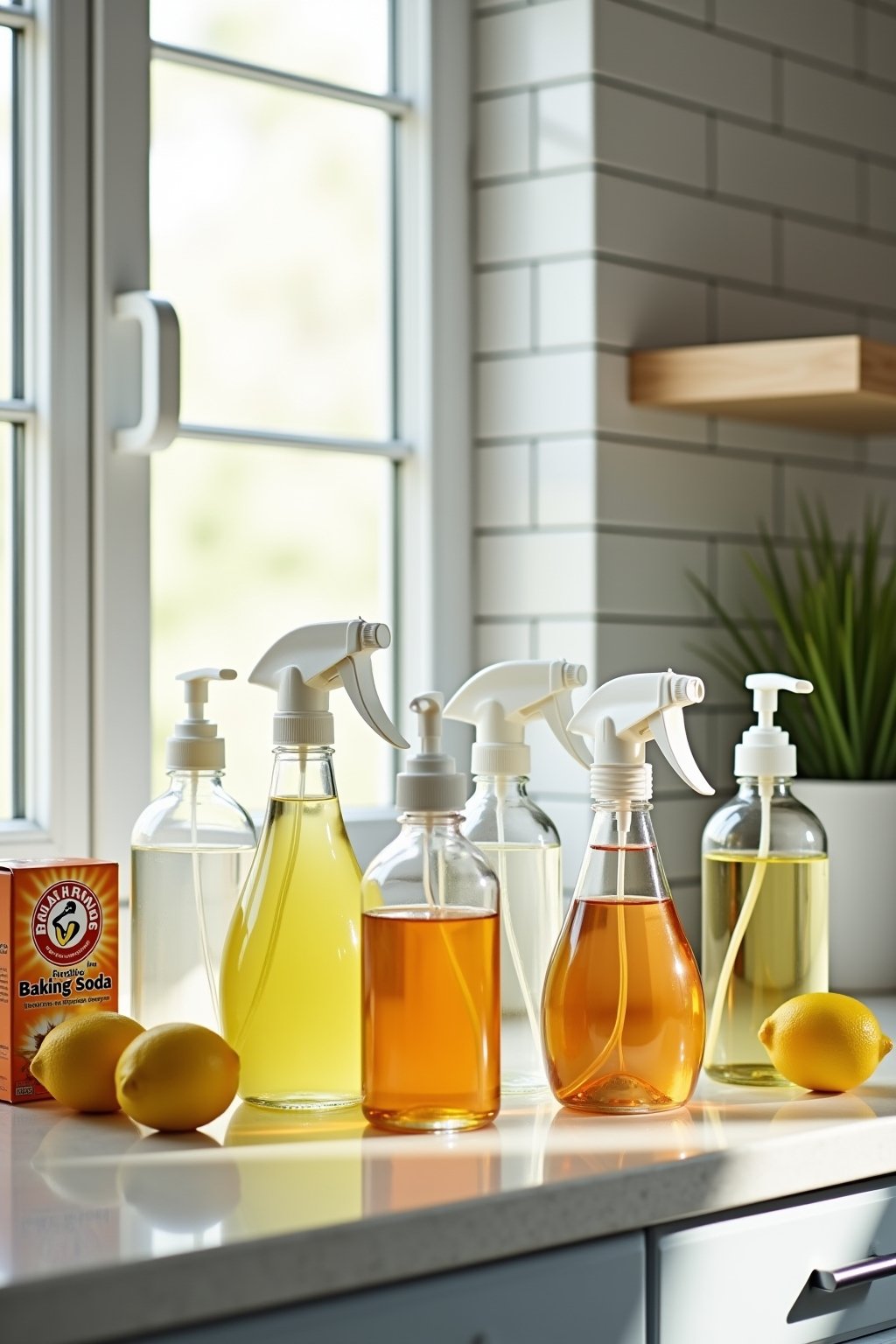
Last year I pulled everything out from under my kitchen sink and counted seventeen different cleaning products. Seventeen. A glass cleaner, a granite cleaner, a stainless steel spray, a bathroom disinfectant, a tub scrub, a tile spray, a wood polish, and about ten other bottles I honestly could not remember buying. Most of them were half-empty, some were expired, and together they probably cost over a hundred dollars.
So I tried an experiment: I replaced every single one with homemade solutions using ingredients I already had in my pantry. White vinegar, baking soda, dish soap, rubbing alcohol, and a few other basics. That was eight months ago, and I have not bought a commercial cleaning product since. These seven recipes handle every cleaning task in my home — and they work just as well as (sometimes better than) the store-bought versions. Here are the exact recipes with measurements.
| ⏱ Time Required: | 30-45 minutes |
| 📈 Difficulty: | Easy with practice |
| 💰 Supplies Cost: | $5-15 |
| 🔄 How Often: | Seasonally |
The Detail That Matters
- Saves serious money — the base ingredients for all seven recipes cost under ten dollars total and last for months of daily use
- Eliminates chemical exposure — you control exactly what goes into every bottle, with no hidden fragrances, dyes, or harsh solvents
- Massively trending — Pinterest searches for “natural cleaning” are up 545%, reflecting a major shift toward homemade cleaning products
- Reduces plastic waste — you reuse the same spray bottles indefinitely instead of buying new plastic containers every month
- Every recipe uses five ingredients or fewer — no complicated chemistry, no hard-to-find specialty ingredients
- Each solution replaces two to three commercial products — seven recipes replace everything under your sink
Stock Up On
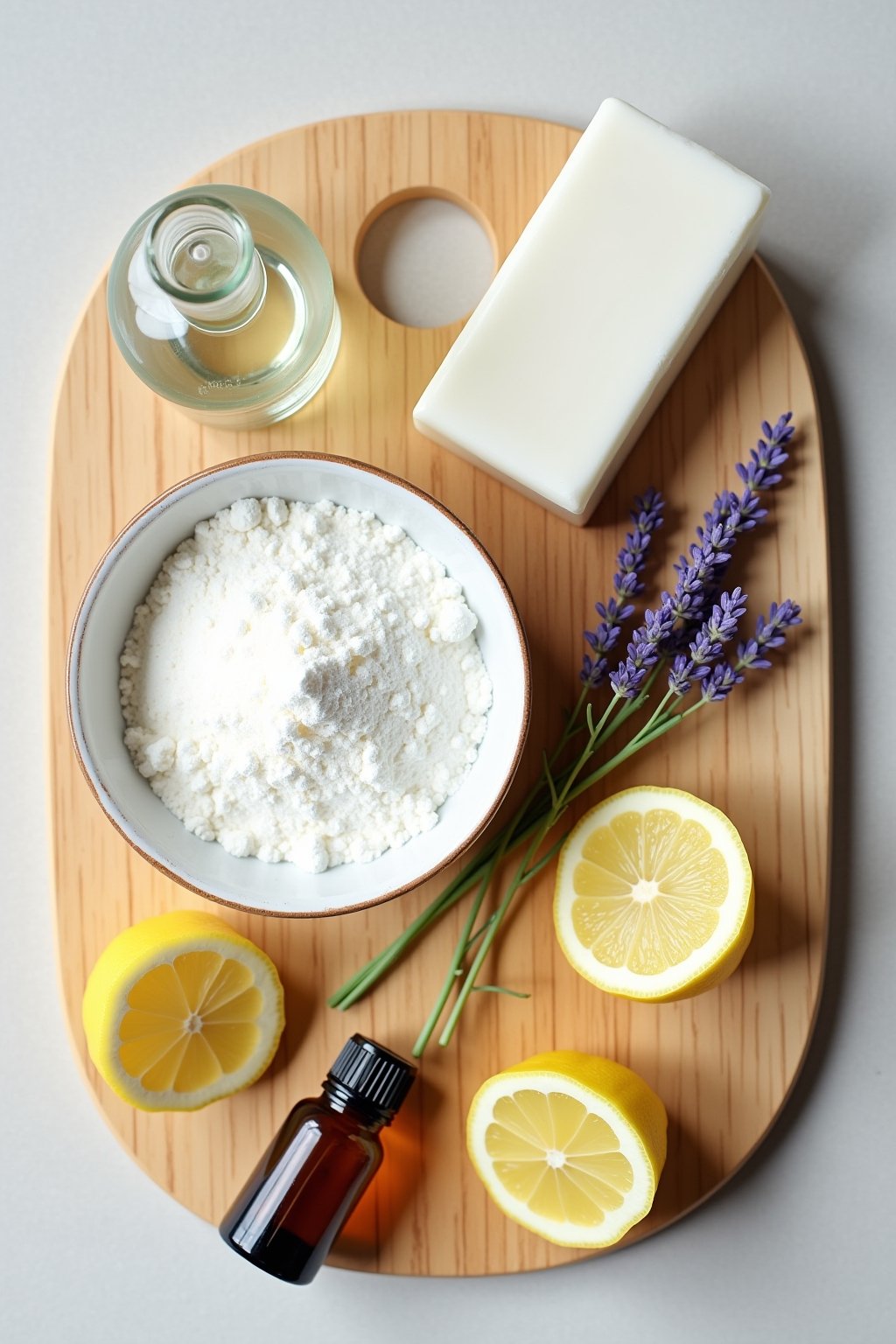
Stock these pantry staples and you will have everything you need for all seven recipes:
- White distilled vinegar — the workhorse ingredient for degreasing, deodorizing, and dissolving mineral deposits
- Baking soda — a gentle abrasive that scrubs without scratching and neutralizes odors on contact
- Liquid dish soap — choose a clear, unscented formula for the most versatile base
- Rubbing alcohol (70% isopropyl) — a powerful disinfectant and streak-free glass cleaning agent
- Hydrogen peroxide (3%) — whitens, disinfects, and removes organic stains safely on most surfaces
- Castile soap (liquid) — a plant-based soap that creates rich lather without synthetic detergents
- Essential oils (optional) — tea tree for antimicrobial properties, lemon or lavender for scent
- Empty spray bottles (4–5) — glass is ideal but clean recycled plastic bottles work fine
- Measuring cups and a funnel — for accurate mixing
Move Through It
Recipe 1: All-Purpose Surface Cleaner
This replaces your counter spray, kitchen cleaner, and general surface wipe. Mix one cup of water, one cup of white vinegar, one tablespoon of dish soap, and 10 drops of tea tree essential oil in a spray bottle. Shake gently before each use. Works on countertops (not granite or marble — vinegar etches natural stone), appliance fronts, stovetops, tables, and tile surfaces. The vinegar cuts grease, the soap lifts grime, and the tea tree adds natural antimicrobial properties.
For natural stone surfaces: replace the vinegar with rubbing alcohol. Mix one cup of water, half a cup of rubbing alcohol, and a teaspoon of dish soap. This gives you the same cutting power without any acid to damage granite, marble, or quartz. Pro tip: make a double batch and keep one bottle in the kitchen and one in the bathroom so you never have to carry it between rooms.
Recipe 2: Streak-Free Glass and Mirror Cleaner
This replaces glass cleaner, mirror spray, and stainless steel polish. Mix one cup of water, one cup of rubbing alcohol, and one tablespoon of white vinegar in a spray bottle. The alcohol is the key ingredient — it evaporates instantly, which is what prevents streaks. The vinegar cuts through fingerprints and water spots. Spray onto the surface and wipe with a lint-free microfiber cloth or crumpled newspaper in a Z-pattern from top to bottom.
This formula works beautifully on mirrors, glass shower doors, windows, stainless steel appliances, and even phone and tablet screens. Pro tip: always use a dry cloth, not a damp one. Any moisture left behind creates streaks. If your cloth is even slightly damp from a previous wipe, grab a fresh one.
Recipe 3: Heavy-Duty Bathroom and Tile Scrub
This replaces tub and tile scrub, grout cleaner, and bathroom scouring powder. Mix half a cup of baking soda with enough liquid dish soap to form a thick paste (usually about two tablespoons). Add 5 drops of tea tree oil for antimicrobial properties. The baking soda provides a gentle abrasive that scrubs without scratching porcelain, ceramic, or fiberglass. The dish soap cuts through soap scum and body oil residue.
Apply the paste with a sponge or scrub brush, let it sit for 5 minutes on tough buildup, then scrub in circular motions and rinse thoroughly. For grout, apply with an old toothbrush and work in small sections. Pro tip: for extra whitening power on grout, sprinkle baking soda on the grout lines, then spray with hydrogen peroxide. The fizzing action lifts stains from deep in the porous grout surface. Let it fizz for 10 minutes before scrubbing.
Recipe 4: Wood and Furniture Polish
This replaces commercial wood polish, dusting spray, and furniture wax. Mix one cup of olive oil (or any food-grade oil) with one quarter cup of white vinegar and 10 drops of lemon essential oil in a spray bottle. The oil conditions and protects wood, the vinegar cuts through dust and residue, and the lemon adds a fresh scent that smells like a high-end furniture polish.
Spray a small amount onto a soft cloth (never directly onto furniture) and wipe with the grain of the wood. Buff with a dry cloth for a streak-free shine. This works on wood tables, bookshelves, cabinets, and wood trim. Pro tip: shake vigorously before every use because oil and vinegar separate quickly. Use sparingly — a little goes a long way. Too much oil leaves a sticky residue that attracts dust.
Recipe 5: Disinfecting Spray for High-Touch Surfaces
This replaces disinfectant spray and antibacterial wipes. Mix one cup of water, half a cup of rubbing alcohol (must be at least 70% concentration), and one tablespoon of hydrogen peroxide in a spray bottle. The alcohol kills most common bacteria and viruses on contact, and the hydrogen peroxide adds an extra layer of disinfecting power. Use this on doorknobs, light switches, remote controls, phone cases, and any high-touch surface.
Spray the surface until visibly wet and let it sit for at least 30 seconds before wiping — contact time is essential for disinfection. Do not use on porous surfaces like unfinished wood. Pro tip: store this in an opaque or dark-colored bottle because hydrogen peroxide degrades when exposed to light. If you use a clear bottle, keep it in a cabinet between uses.
Recipe 6: Soft Scrub Floor Cleaner
This replaces mopping solution, floor cleaner, and tile floor spray. Mix one gallon of warm water with two tablespoons of liquid castile soap and 10 drops of essential oil of your choice in a bucket or directly in a spray mop reservoir. Castile soap is plant-based, rinses clean without residue, and is safe for tile, vinyl, laminate, and sealed hardwood floors. The essential oil is optional but adds a fresh scent that lasts for hours.
For a spray mop, fill the reservoir with the undiluted mixture and spray as you go. For bucket mopping, wring the mop thoroughly — excess water is the enemy of all hard floors, especially wood and laminate. Pro tip: do not use vinegar-based solutions on hardwood floors. The acid can dull the finish over time. Castile soap is pH-neutral and safe for all sealed wood floors.
Recipe 7: Garbage Disposal and Drain Freshener
This replaces drain deodorizer, garbage disposal cleaner, and drain maintenance products. Pour half a cup of baking soda directly into the drain, followed by half a cup of white vinegar. The mixture will fizz aggressively — this is normal and desirable. The fizzing action breaks down grease, food particles, and biofilm coating the inside of the pipe. Cover the drain opening with a plate or plug to force the fizz downward into the pipe instead of up into the sink.
Let it sit for 15–30 minutes, then flush with boiling water. For garbage disposals, follow up by tossing in a few ice cubes and a cut lemon, then running the disposal for 15 seconds. The ice knocks off food residue from the blades and the lemon deodorizes. Pro tip: do this once a week as preventive maintenance and you will never have a smelly drain. Monthly is the minimum to prevent buildup.
Watch For These
- Mixing vinegar and baking soda in a spray bottle — they neutralize each other and create water plus carbon dioxide, leaving you with a solution that has almost no cleaning power. Use them sequentially (sprinkle baking soda, then spray vinegar) rather than pre-mixed
- Using vinegar on natural stone — vinegar is acidic and will etch, dull, and permanently damage granite, marble, quartz, and travertine. Use the rubbing alcohol formula on stone surfaces instead
- Mixing hydrogen peroxide and vinegar in the same bottle — this creates peracetic acid, which can irritate skin, eyes, and lungs. Use them separately, never combined
- Using too much essential oil — more is not better. Essential oils can leave residue on surfaces and some (like citrus oils) can damage certain plastics. Stick to 10–15 drops per bottle maximum
- Not labeling your bottles — homemade solutions look identical. Label every bottle with the recipe name and date made. Some solutions like the hydrogen peroxide disinfectant lose effectiveness after a few weeks
Worth-It Times
Kitchen
Use Recipe 1 (all-purpose) for counters and appliance fronts, Recipe 2 (glass) for stainless steel and the window over the sink, and Recipe 7 (drain freshener) weekly for the kitchen drain and garbage disposal. These three recipes handle 100% of daily kitchen cleaning needs.
Bathroom
Use Recipe 3 (bathroom scrub) for the tub, shower, and toilet. Recipe 2 (glass) for the mirror. Recipe 5 (disinfectant) for the toilet handle, faucet, and light switch. Recipe 7 (drain freshener) monthly for the shower and sink drains.
Living Areas and Bedrooms
Recipe 1 (all-purpose) handles tables, shelves, and hard surfaces. Recipe 4 (wood polish) is for wood furniture. Recipe 2 (glass) covers mirrors, picture frame glass, and TV screens. Recipe 6 (floor cleaner) handles all hard floors in the house.
Common Questions
Are homemade cleaners as effective as store-bought?
For everyday cleaning, yes. Vinegar, rubbing alcohol, and hydrogen peroxide are proven cleaning and disinfecting agents used in laboratories and hospitals. For extremely heavy-duty jobs like removing black mold or deep oven grease, you may occasionally need a commercial product.
How long do homemade cleaning solutions last?
The vinegar-based all-purpose cleaner and glass cleaner last indefinitely since vinegar does not expire. Solutions containing hydrogen peroxide should be remade every 2 to 3 weeks because hydrogen peroxide degrades over time, especially in clear bottles exposed to light.
Can I use these recipes if I have pets?
Yes, with caution. All base ingredients are pet-safe once dried. However, some essential oils (especially tea tree oil) can be toxic to cats and dogs if ingested in large amounts. Skip the essential oils entirely if you have pets, or use lavender which is generally considered safer.
Why can I not mix vinegar and bleach?
Vinegar (acid) combined with bleach (sodium hypochlorite) produces chlorine gas, which is extremely dangerous to breathe. Never mix any acid with bleach. This includes vinegar, lemon juice, and most commercial bathroom cleaners.
Do I need distilled water for these recipes?
Tap water works fine for all seven recipes. Distilled water prevents mineral spots on glass if you have very hard water, but it is not necessary. If you notice white residue on glass after cleaning, switch to distilled water for Recipe 2 only.
Can I add fragrance without essential oils?
Yes. Steep citrus peels (lemon, orange, or grapefruit) in vinegar for two weeks, then strain. The infused vinegar smells wonderfully fresh and works identically in any recipe calling for plain white vinegar.