
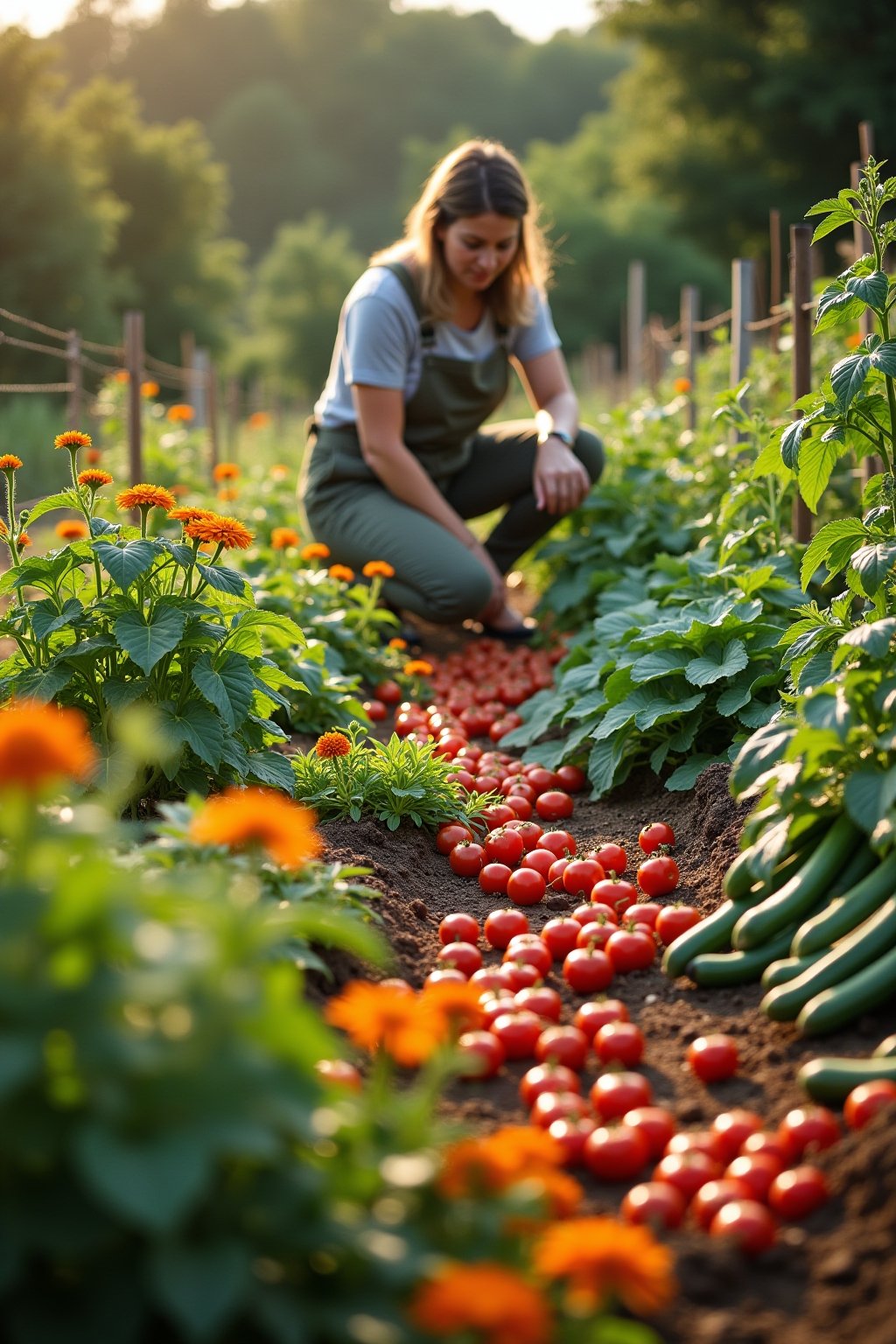
The first year I grew tomatoes, they were covered in aphids and the basil next to them was thriving. A master gardener at the farmers market told me to move the basil closer — literally touching the tomato stems. The aphids disappeared within two weeks. That was my introduction to companion planting, and it changed how I think about every garden bed I plant.
Companion planting is not magic and it is not folklore. It is putting plants together that help each other through pest deterrence, pollinator attraction, nitrogen fixation, shade regulation, and root chemistry. The right plant combinations produce bigger harvests with fewer pest problems and less work. The wrong combinations stunt growth, spread disease, and waste space. This guide covers the proven pairings that work across zones 5 through 9 for the most common garden vegetables.
Quick Facts
| Sun | Full Sun (6-8 hours for most vegetable gardens) |
| Difficulty | Beginner to Intermediate |
| Season | Plan in late winter, implement during spring planting |
| Zone | Works in all USDA zones 5-9 |
| Time to Harvest | Varies — companion planting improves yields of all crops |
A Few Notes Before You Start
- Garden plan sketch (paper or app)
- Seeds and transplants for companion combinations
- Compost for bed preparation
- Mulch (straw or shredded leaves)
- Plant labels for tracking combinations
- Marigold transplants (the ultimate companion flower)
- Basil transplants (tomato’s best friend)
- Nasturtium seeds (trap crop for aphids)
- Dill or fennel seeds (attract beneficial insects)
- Garden journal for noting which combinations worked
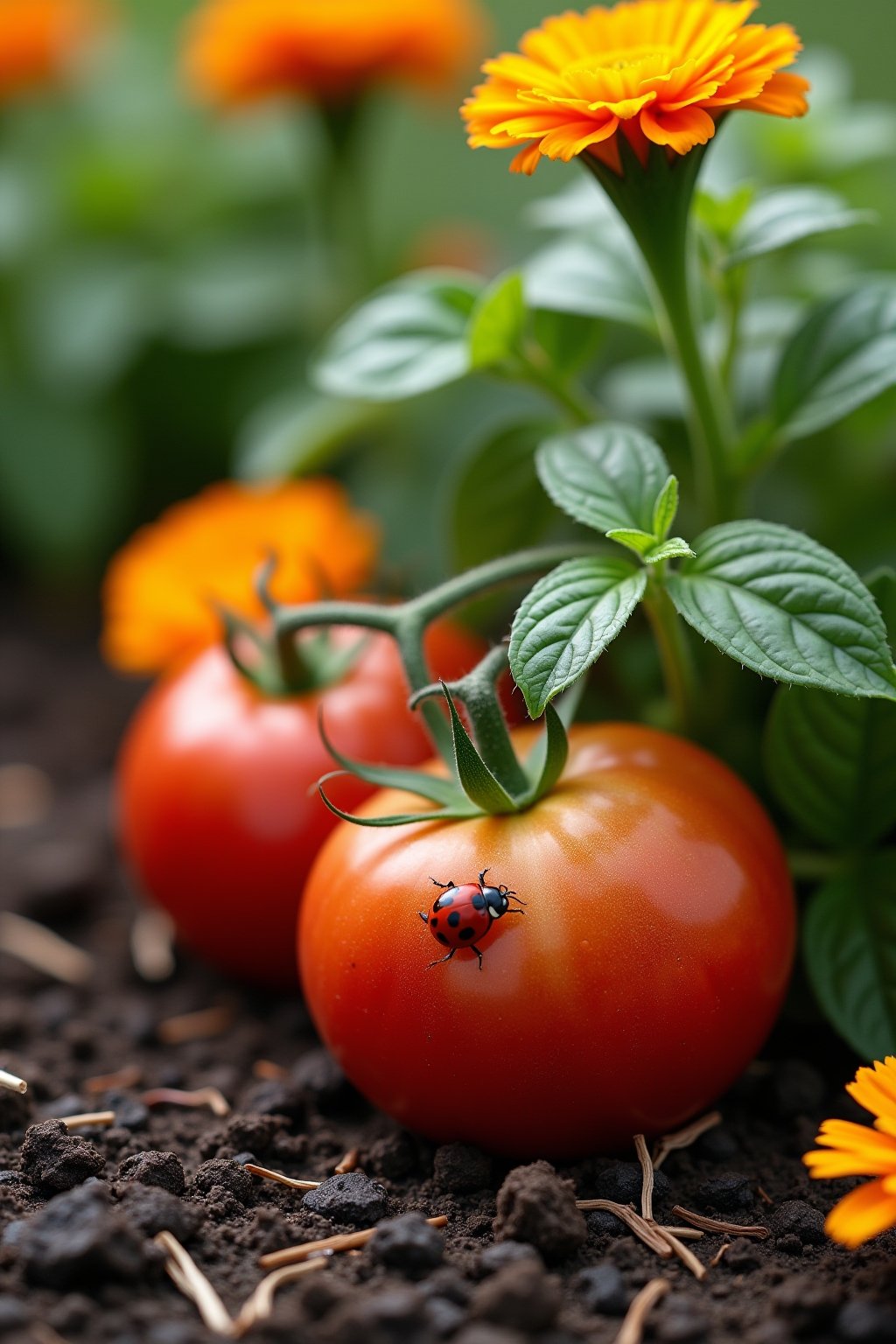
Marigolds are the most versatile companion plant in existence: French marigolds repel whiteflies, nematodes, and aphids. They attract ladybugs and lacewings that eat pest insects. Plant them as borders around every bed and between tomato plants. The smell that some people find strong is what repels pests.
Keep it simple your first year: You do not need to memorize a complex companion planting chart. Start with the three most powerful pairings: tomatoes with basil, beans with corn, and marigolds with everything. Add more combinations in year two once you see the results.
The Three Sisters — The Original Companion Planting System
The most famous companion planting combination in history was developed by Indigenous peoples of North America centuries before modern agriculture. Corn, beans, and squash grown together form a perfect symbiotic system:
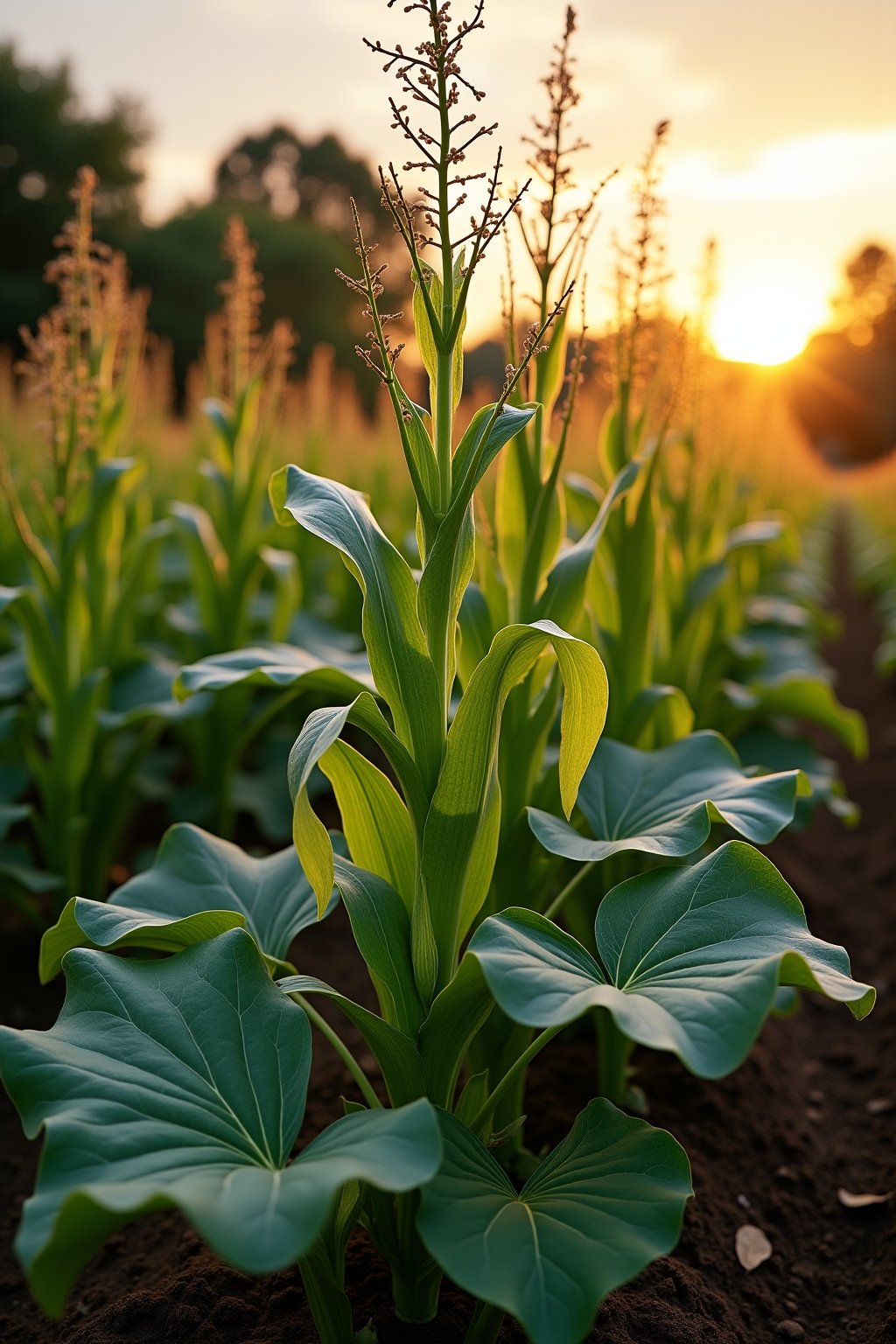
Corn provides a natural trellis for the beans to climb. Beans fix nitrogen from the air into the soil, feeding the heavy-feeding corn and squash. Squash spreads its large leaves across the ground, shading out weeds and retaining soil moisture for all three plants.
To plant the Three Sisters: Create a mound 18 inches wide and 6 inches high. Plant 4 corn seeds in a square in the center. Once corn is 6 inches tall, plant 4 bean seeds around the corn. When beans sprout, plant 2 squash seeds at the edge of the mound. This works in zones 5-9 after last frost when soil reaches 60°F.
Tomato Companion Combinations
Best friends: Basil is the number one companion for tomatoes. Research shows that basil planted within 18 inches of tomato plants can improve tomato flavor and yield while repelling aphids, whiteflies, and mosquitoes. Marigolds planted around tomato beds repel nematodes and whiteflies. Carrots planted near tomatoes loosen the soil for tomato roots.
Other good companions: Parsley attracts beneficial hoverflies that eat aphids. Lettuce grows happily in the shade under tomato plants, making use of otherwise wasted space. Garlic and chives help repel spider mites and aphids.
Keep away from tomatoes: Fennel inhibits tomato growth. Brassicas (broccoli, cabbage, cauliflower) and tomatoes compete heavily for the same nutrients. Do not plant tomatoes near corn because they share the tomato fruitworm / corn earworm pest.
Bean and Pea Combinations (Nitrogen Fixers)
Beans and peas are nitrogen fixers — bacteria on their roots convert atmospheric nitrogen into plant-available forms in the soil. This makes them ideal companions for heavy-feeding crops that need lots of nitrogen to grow.
Plant beans near: Corn (classic Three Sisters), squash, cucumbers, strawberries, and carrots. These crops all benefit from the nitrogen beans add to the soil. Interplant bush beans between rows of corn or squash for a natural fertility boost without any fertilizer.
Keep beans away from: Onions, garlic, shallots, and chives. Alliums release compounds that inhibit the nitrogen-fixing bacteria on bean roots, negating their biggest benefit. Also keep beans away from fennel, which suppresses most plants near it.
Pest-Repelling Companion Combinations
Nasturtiums as trap crops: Plant nasturtiums at the edges of your garden. Aphids prefer nasturtiums over your vegetables, so they congregate on the nasturtiums and leave your crops alone. This is one of the most effective natural pest management strategies you can use.
Herb border strategy: Plant a row of strong-smelling herbs along the border of your vegetable beds. Rosemary, sage, thyme, and lavender confuse pest insects that find host plants by smell. A border of basil, chives, and dill around any bed significantly reduces pest pressure.
Marigold power: French marigolds (Tagetes patula) release a chemical from their roots that kills soil nematodes. They also repel whiteflies and attract ladybugs. Plant marigolds around every tomato, pepper, and squash plant. Their bright colors also attract pollinators that help your vegetables set more fruit.
Space-Maximizing Companion Plantings
Companion planting is not just about pest control — it is also about using space more efficiently by combining plants with different growth habits.
Tall + short: Plant lettuce, spinach, and radishes in the shade of taller tomato and pepper plants. The tall crops provide the partial shade that cool-season crops prefer, and the short crops cover bare soil that would otherwise grow weeds.
Fast + slow: Interplant radishes (21-day harvest) between rows of carrots (80-day harvest). The radishes mark the row so you know where the slow-germinating carrots are planted, and by the time carrots need the space, radishes are already harvested.
Deep roots + shallow roots: Combine tomatoes (deep roots) with lettuce (shallow roots). They feed from different soil layers and do not compete for water or nutrients.
The First Things to Check
Plants not growing well next to companions: Check spacing. Companion planting does not mean crowding. Each plant still needs its recommended space for light and airflow. Place companion plants close enough to interact (within 12-18 inches) but not so close they shade or crowd each other.
Marigolds not repelling pests: Make sure you are using French marigolds (Tagetes patula), not African marigolds (Tagetes erecta) which are less effective. Also, pest repelling takes 2-3 weeks as the plants establish their scent. Be patient.
Herbs overwhelming neighboring plants: Mint is notorious for this. Always grow mint in its own container, even if it sits next to other plants in the garden. Its runners will take over any shared bed within one season.
Unsure what to plant together: When in doubt, plant marigolds and basil near everything. They are universally beneficial companions that help virtually every vegetable crop.
What Each Season Brings
Late Winter (Planning): Sketch your garden beds and plan companion combinations on paper. Consider which crops you want to grow and look up their best and worst companions. Order seeds for companion plants like marigolds, nasturtiums, and herbs.
Early Spring: Start marigold and herb seeds indoors 6-8 weeks before last frost so they are ready to plant alongside your vegetables. Plant cool-season companions: lettuce with radishes, peas with spinach, carrots with chives.
After Last Frost: Set out warm-season companion combinations: tomatoes with basil and marigolds, beans with corn and squash, cucumbers with nasturtiums. Interplant herbs throughout every bed.
Summer: Observe which combinations are working well and note them in your journal. Add succession plantings of lettuce in the shade of taller plants. Let some herbs flower to attract beneficial insects.
The Slow-Learning Curve
- Basil and tomatoes are the power couple of the garden — plant basil within 18 inches of every tomato plant. The science backs up what gardeners have known for centuries: basil repels tomato pests and may improve tomato flavor.
- Marigolds should be in every garden bed — they repel nematodes, whiteflies, and aphids while attracting ladybugs and pollinators. Plant French marigolds (Tagetes patula) around the border of every bed.
- Nasturtiums are the ultimate trap crop for aphids — aphids prefer nasturtiums over almost any vegetable. Plant them at the edges of your garden to lure aphids away from your food crops.
- Never grow mint in a shared bed — its aggressive runners take over any space. Grow mint in its own container, even if it sits physically inside the garden bed. Cut the bottom out of a bucket and sink it into the bed if you want mint in the ground.
- Let some herbs bolt and flower — cilantro, dill, and parsley flowers attract hoverflies, parasitic wasps, and other beneficial insects that eat garden pests. Leave a few plants to flower instead of pulling them all when they bolt.
- Interplant radishes with everything — they mark slow-germinating rows, break up soil crust for neighbors, and are harvested before they compete with anyone. They are the ideal intercrop for every garden bed.
Continued Reading
- Companion Planting Guide: What to Grow Together (and What to Keep Apart)
- The Best Companion Planting Combinations (What to Grow Together and Why)
- Spring Garden Pest Prevention: 9 Natural Ways to Protect Your Plants Without Chemicals
Common Questions
What is companion planting?
Companion planting is growing specific plants near each other to take advantage of natural relationships. Some plants repel pests that attack their neighbors, some fix nitrogen that feeds heavy-feeding crops, some attract beneficial insects, and some make efficient use of space by combining different growth habits.
What should I plant next to tomatoes?
Basil is the number one companion for tomatoes — it repels aphids and whiteflies and may improve flavor. Marigolds repel nematodes and whiteflies. Carrots loosen soil for tomato roots. Parsley and chives repel various tomato pests. Lettuce grows well in the shade under tomato plants.
What vegetables should not be planted together?
Onions and garlic should not be planted near beans or peas because alliums inhibit nitrogen-fixing bacteria. Fennel should not be planted near anything — it suppresses most neighboring plants. Tomatoes and corn attract the same worm pest. Potatoes and tomatoes share blight diseases and should be separated.
Does companion planting really work?
Yes, many companion planting relationships are backed by scientific research. Basil has been shown to repel specific tomato pests. French marigold roots produce chemicals that kill soil nematodes. Nitrogen fixation by legumes is well-established biology. Not every traditional pairing has been scientifically validated, but the most popular combinations have solid evidence.
What is the Three Sisters planting method?
The Three Sisters is a companion planting method developed by Indigenous peoples of North America. Corn, beans, and squash are planted together: corn provides a trellis for beans, beans fix nitrogen for all three plants, and squash leaves shade the ground to suppress weeds and retain moisture. It is one of the most effective and time-tested companion planting systems.
What flowers should I plant in my vegetable garden?
Marigolds are the most useful flower for vegetable gardens — they repel pests and attract beneficials. Nasturtiums act as trap crops for aphids. Sunflowers attract pollinators and provide shade for cool-season crops. Zinnias and cosmos attract butterflies and beneficial insects. Plant flowers throughout your beds, not just at the edges.