
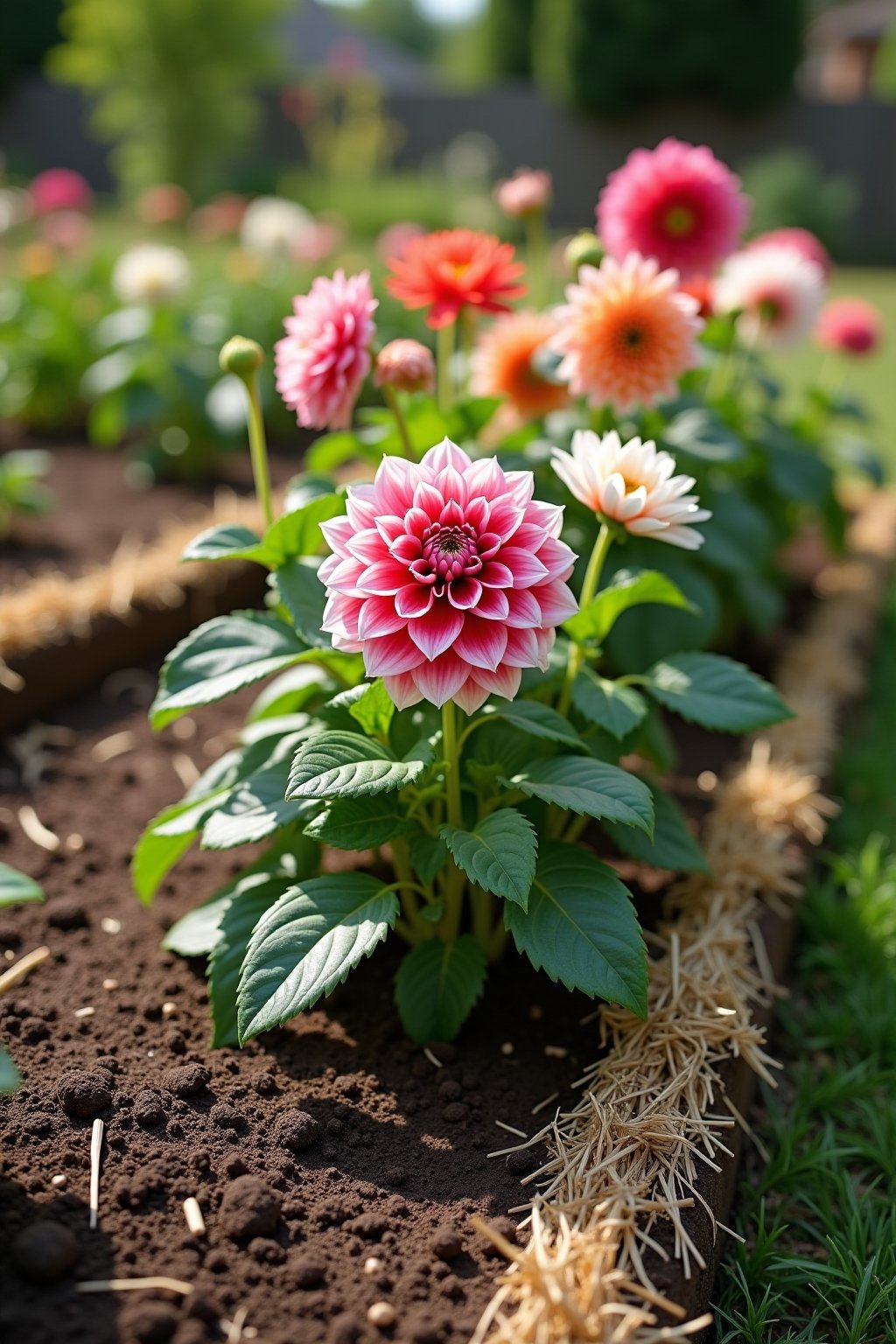
Dahlias are not fussy plants once they get going, but they are incredibly picky about what they sit in. Get the soil wrong and you will deal with rotting tubers, weak floppy stems, all leaves and no flowers, or plants that mysteriously refuse to thrive despite getting plenty of sun and water. Get the soil right and dahlias practically grow themselves.
I killed my first batch of expensive dinner plate dahlias by planting them in heavy clay soil that stayed wet for days after every rain. The tubers turned to mush within three weeks. The solution was simple once I understood what dahlias actually need from their soil — and most of the common problems I see new growers struggle with come down to a handful of easy-to-fix soil mistakes.
Quick Facts
| Sun | Full Sun (6-8 hours) |
| Difficulty | Beginner |
| Season | Prepare soil 2-4 weeks before planting |
| Zone | All USDA Zones |
| Time to Harvest | Soil prep takes one afternoon |
Gather These
- Soil pH test kit (available at any garden center)
- Compost or aged manure (the most important amendment)
- Coarse sand or perlite (for improving drainage)
- Dolomite lime (if soil pH is below 6.0)
- Elemental sulfur (if soil pH is above 7.0)
- Low-nitrogen fertilizer (5-10-10 or similar)
- Bone meal (phosphorus source for root and bloom development)
- Garden fork and shovel
- Mulch (straw or shredded leaves, not wood chips)
- Soil thermometer
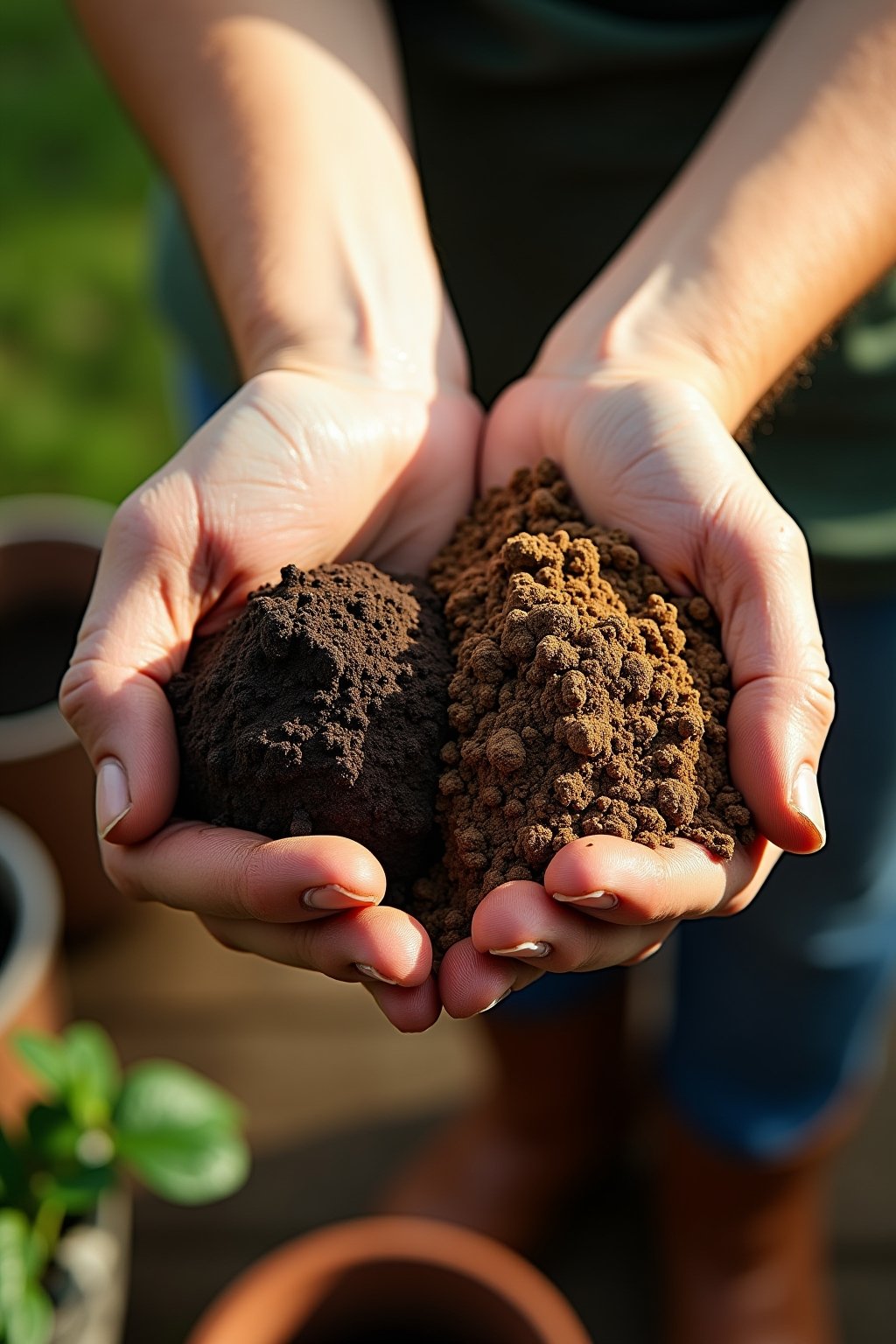
Compost is the single most important amendment: Whether your soil is heavy clay or sandy, adding compost improves it dramatically. Compost loosens clay, adds drainage, increases water retention in sandy soil, and feeds the microorganisms that make nutrients available to your dahlias. Use finished, crumbly, dark compost — not half-decomposed chunks.
Skip the Miracle-Gro potting soil: Most commercial potting mixes and garden fertilizers are loaded with nitrogen. Dahlias given too much nitrogen produce massive foliage, weak stems, and very few flowers. Always check the NPK ratio — the first number (nitrogen) should be half or less than the second and third numbers.
Step 1: Test Your Soil pH
Dahlias thrive in slightly acidic to neutral soil with a pH of 6.0 to 7.0. The ideal sweet spot is 6.5. At this pH, all the essential nutrients are available to the plant in forms it can absorb. Soil that is too acidic or too alkaline locks out nutrients even if the soil is technically fertile.
Pick up a simple pH test kit from any garden center for a few dollars. Test in multiple spots around your planting area since pH can vary. If pH is below 6.0, add dolomite lime (which also provides calcium and magnesium). If pH is above 7.0, add elemental sulfur — but note that sulfur takes 4 to 6 months to fully adjust pH, so amend in fall for spring planting.
Step 2: Fix Your Drainage (The Most Critical Step)
Poor drainage is the number one killer of dahlias. Tubers sitting in waterlogged soil rot within weeks. Test your drainage by digging a hole 12 inches wide and 12 inches deep, filling it with water, letting it drain overnight, then filling it again the next morning. The water should drain at 2 inches per hour or faster. If it sits for hours without draining, your soil is too heavy for dahlias without amendment.
To improve drainage: work a 4-inch layer of compost into the top 10 to 12 inches of native soil. Add coarse sand or perlite for additional water flow. For heavy clay, gypsum at 20 pounds per 100 square feet chemically loosens clay particles without changing pH. If your soil is severely compacted clay that pools water, raised beds are the most reliable solution — fill with a mix of topsoil, compost, and perlite.
Step 3: Amend Clay Soil or Sandy Soil
Heavy clay soil: Work 3 to 6 inches of organic matter (compost, leaf mold, peat moss) into the top 10 to 12 inches. Add gypsum at 20 pounds per 100 square feet to break up clay particles. Add coarse sand or perlite for additional drainage. Clay amendment is an ongoing process — add compost every year for continued improvement. Expect 2 to 3 years of annual additions before heavy clay transforms into workable soil.
Sandy soil: Sandy soil drains too quickly and holds almost no nutrients. Work 2 to 4 inches of compost into the top 6 to 8 inches. Add peat moss or leaf mold to increase water-holding capacity. Sandy soil requires more frequent fertilizing because nutrients leach out faster with every watering. Mulch is especially important on sandy soil to slow evaporation between waterings.
Step 4: Choose the Right Fertilizer
Dahlias need fertilizer with low nitrogen and higher phosphorus and potassium. The ideal NPK ratio is 5-10-10, but similar formulas like 4-10-7, 2-4-4, or 3-9-4 all work well. The rule of thumb: the first number should be half or less than the other two. Tomato fertilizer works excellently for dahlias since both plants have similar nutrient needs.
Do not fertilize at planting time. The tuber contains enough stored nutrients to sprout and establish roots on its own. Wait until the plant has been growing for about 30 days before the first feeding. Then feed every 3 to 4 weeks through summer. For organic options, bone meal (phosphorus), kelp meal (trace minerals), and worm castings are all excellent. Stop fertilizing in early fall to let tubers harden for storage.
Step 5: Mulch Correctly (Avoid This Common Mistake)
Apply 2 to 3 inches of mulch once plants are established and growing actively (typically mid-June). Mulch retains moisture, suppresses weeds, and keeps soil temperature even. The best mulches for dahlias are straw, shredded leaves, or compost.
Avoid wood chips and bark mulch around dahlias. This is a mistake many beginners make. As wood-based mulch decomposes, soil microbes consume nitrogen in the decomposition process, temporarily robbing your dahlias of this essential nutrient. This nitrogen tie-up can cause yellowing leaves and stunted growth. Straw and leaf mulch break down faster and actually add nutrients rather than stealing them. Keep any mulch 1 to 2 inches away from the stems to prevent moisture-related diseases.
Watch For These
Tubers rotting before sprouting: Soil holds too much water. Improve drainage with compost and sand amendments, or switch to raised beds. Never water tubers until green growth appears.
Tall plants with weak, floppy stems: Too much nitrogen in the soil. Switch to a low-nitrogen fertilizer (5-10-10) and stop using high-nitrogen products like lawn fertilizer or Miracle-Gro on your dahlias. The excess nitrogen produces soft, watery stems that cannot support blooms.
Lots of leaves but very few flowers: Same problem — excess nitrogen. Dahlias channel nitrogen into foliage production at the expense of blooms. Feed with a bloom-boosting fertilizer high in phosphorus and potassium instead.
Yellowing leaves despite regular watering: This can indicate pH problems locking out nutrients, nitrogen tie-up from wood chip mulch, or poor drainage causing root stress. Test your pH first, check your mulch type, and test drainage to identify the cause.
Year-Round Care
Late Winter / Early Spring: Test soil pH and begin amendments. Add sulfur for alkaline soil (needs 4-6 months to take effect). Work compost into beds. Order fertilizer.
Spring (2-4 Weeks Before Planting): Add a 4-inch layer of compost and work it into the top 10-12 inches. Add lime if needed for acidic soil. Add sand or perlite for heavy clay. Run a drainage test. Soil is ready when it crumbles in your hand and drains well.
Summer (Growing Season): First fertilizer application at 30 days. Feed every 3-4 weeks with low-nitrogen fertilizer. Mulch with straw or leaves once plants are established. Water deeply and less frequently rather than shallow daily watering.
Fall: Stop fertilizing to let tubers harden. After digging tubers, add a fresh layer of compost to the bed to break down over winter. This is also the best time to add sulfur for pH adjustment since it needs months to work.
Small Wins
- The squeeze test tells you everything about your soil — grab a handful of moist soil and squeeze. If it forms a hard ball that does not crumble when poked, it is too heavy with clay. If it falls apart immediately, it is too sandy. The perfect dahlia soil holds together briefly then crumbles.
- Compost is the universal fix — whether your soil is clay, sand, or something in between, a 4-inch layer of finished compost worked into the top 12 inches improves it for dahlias. Add compost every year because plants deplete it each season.
- Never use wood chip mulch on dahlias — the nitrogen tie-up from decomposing wood chips robs dahlias of nutrients and causes yellowing leaves. Straw, shredded leaves, or compost mulch are far better choices.
- Test pH before adding anything — many beginners skip this step and add random amendments. A 5-dollar pH test kit prevents wasting money on lime you do not need or sulfur that makes things worse.
- Deep watering beats frequent sprinkling — water deeply once or twice a week rather than lightly every day. Deep watering encourages roots to grow down into the soil where moisture is more stable. Shallow watering creates weak surface roots vulnerable to heat and drought.
- Worm castings are a secret weapon — they contain 5 times more nitrogen, 2 times more calcium, and 7 times more phosphorus and potassium than regular garden soil, all in plant-available forms. A handful mixed into each planting hole gives tubers an excellent start.
More Like This
- Growing Dahlias for Beginners: How to Plant Tubers This Spring for Stunning Summer Blooms
- How to Prepare Your Garden Soil for Spring Planting (Step-by-Step)
- The Complete Guide to Raised Bed Vegetable Gardening
Common Questions
What is the ideal soil pH for dahlias?
Dahlias prefer slightly acidic to neutral soil with a pH between 6.0 and 7.0, with 6.5 being the sweet spot. At this pH range, all essential nutrients are available in forms the plant can absorb. Test your soil before planting and amend with lime (to raise pH) or sulfur (to lower pH) as needed.
Can dahlias grow in clay soil?
Dahlias struggle in heavy clay because it holds too much water and causes tuber rot. However, you can grow dahlias in clay soil after amending it with compost, coarse sand, and gypsum to improve drainage. Work a 4-6 inch layer of compost into the top 12 inches. For severe clay, raised beds filled with well-draining soil mix are the best solution.
Why are my dahlia plants tall but producing no flowers?
This is almost always caused by too much nitrogen in the soil. High-nitrogen fertilizers and products like Miracle-Gro push dahlias into producing lush foliage at the expense of blooms. Switch to a low-nitrogen, high-phosphorus fertilizer with a ratio like 5-10-10 and your plants should start flowering within a few weeks.
Should I fertilize dahlias when I plant them?
No. The tuber contains enough stored nutrients to sprout and establish roots. Fertilizing at planting time can actually burn developing roots. Wait until the plant has been growing for about 30 days before the first feeding, then feed every 3-4 weeks through summer with low-nitrogen fertilizer.
Can I use Miracle-Gro on dahlias?
It is not recommended. Most Miracle-Gro products have high nitrogen content which causes dahlias to produce excessive foliage, weak stems, and very few flowers. Use a low-nitrogen fertilizer specifically designed for flowers or tomatoes, with an NPK ratio where the first number is half or less than the other two numbers.
What type of mulch should I use around dahlias?
Use straw, shredded leaves, or compost as mulch. Avoid wood chips and bark mulch because as they decompose, soil microbes consume nitrogen in the process, temporarily starving your dahlias. Apply 2-3 inches of mulch once plants are established, keeping it 1-2 inches away from the stems.