The Fear of Mixing Wood Tones Is Holding Your Home Back
There is a widespread belief among home small home decor changesators — especially those just starting out — that all the wood in a room needs to match. The result of this thinking is usually one of two outcomes: a room that feels monotonous and flat, or a decorating paralysis so severe that nothing gets purchased at all. Here is the truth: perfectly matched wood is not the goal. Intentionally mixed wood is. Rooms with two or three complementary wood tones are richer, warmer, and more interesting than rooms where everything matches exactly.
Understanding Wood Undertones: Warm vs. Cool
Wood tones are not just about darkness — they have undertones. Warm wood tones have underlying 2026 home color trendss of orange, red, yellow, or honey: golden oak, cherry, teak, and most pine. Cool wood tones lean toward gray, ash, or taupe: pale ash, whitewashed oak, ebonized finishes, and driftwood gray. Walnut sits in between, with brown undertones that can read either warm or cool depending on what it is placed next to. The single most important rule: stay within the same undertone family. Mixing a golden honey oak how to clean every type of floor with a gray-washed ash how to style a bookshelf will almost always create a clash that reads as accidental rather than designed.
The 60/30/10 Wood Rule
Your dominant wood tone covers about 60% of the wooden elements — usually your floors or largest furniture piece. Your secondary wood tone appears in roughly 30%: a dining table, a media console, a large style a bookshelf like a designer. Your accent wood shows up in approximately 10%: small side tables, a wooden lamp base, decorative trays, picture frames. This proportional spread is what prevents a room from feeling chaotic.
The Anchor Piece Rule
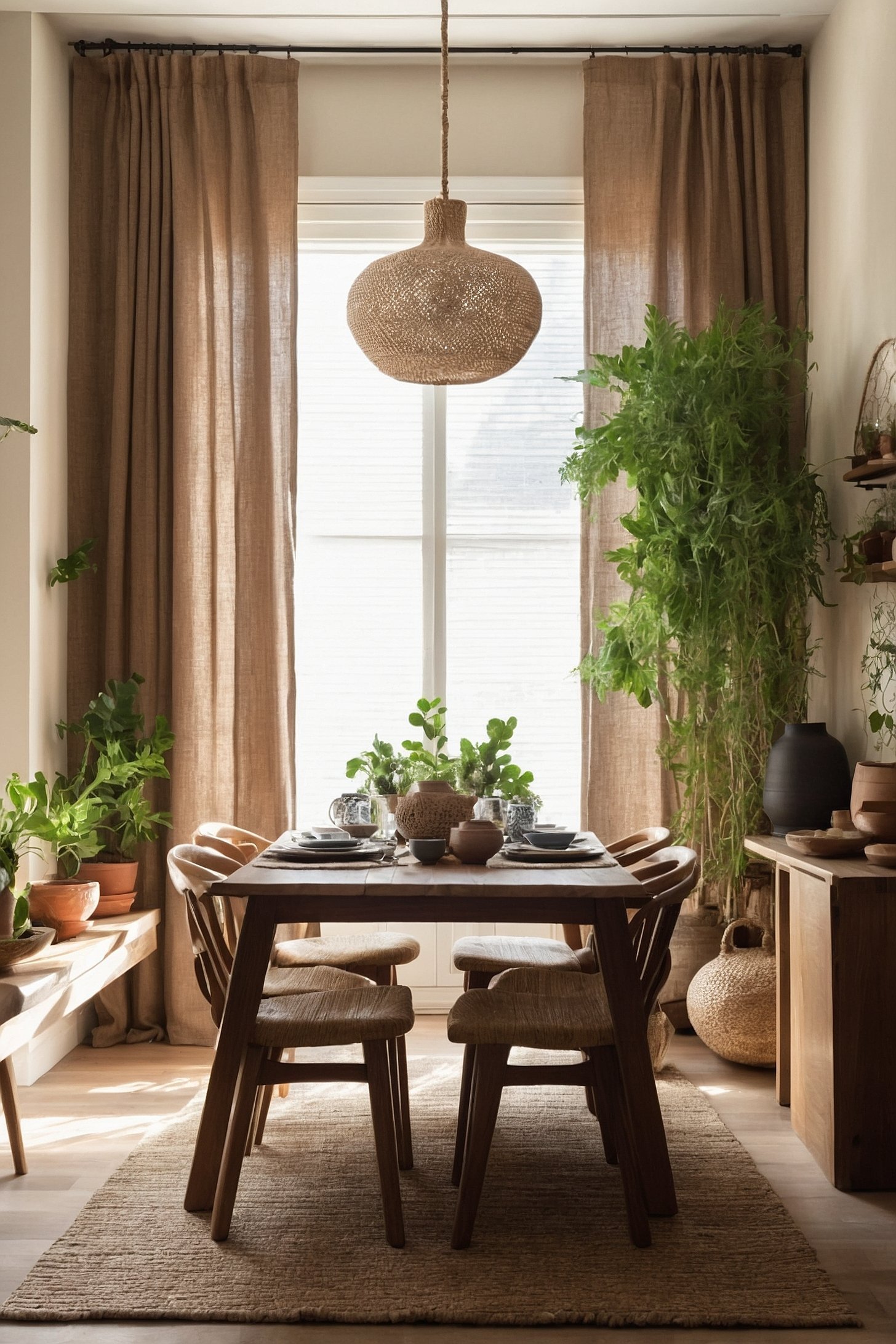
Every room that mixes wood tones needs an anchor piece — the single most dominant wooden element that establishes the primary tone. In the dining room, the Walker Edison Modern Farmhouse Dining Table in Dark Walnut is an exceptional anchor choice. Its deep, warm walnut tone is rich without being overpowering, and the slightly matte finish makes it easy to pair with both lighter and medium wood tones in surrounding chairs and accent pieces.
Room-by-Room Examples
The Kitchen: Layering Warmth
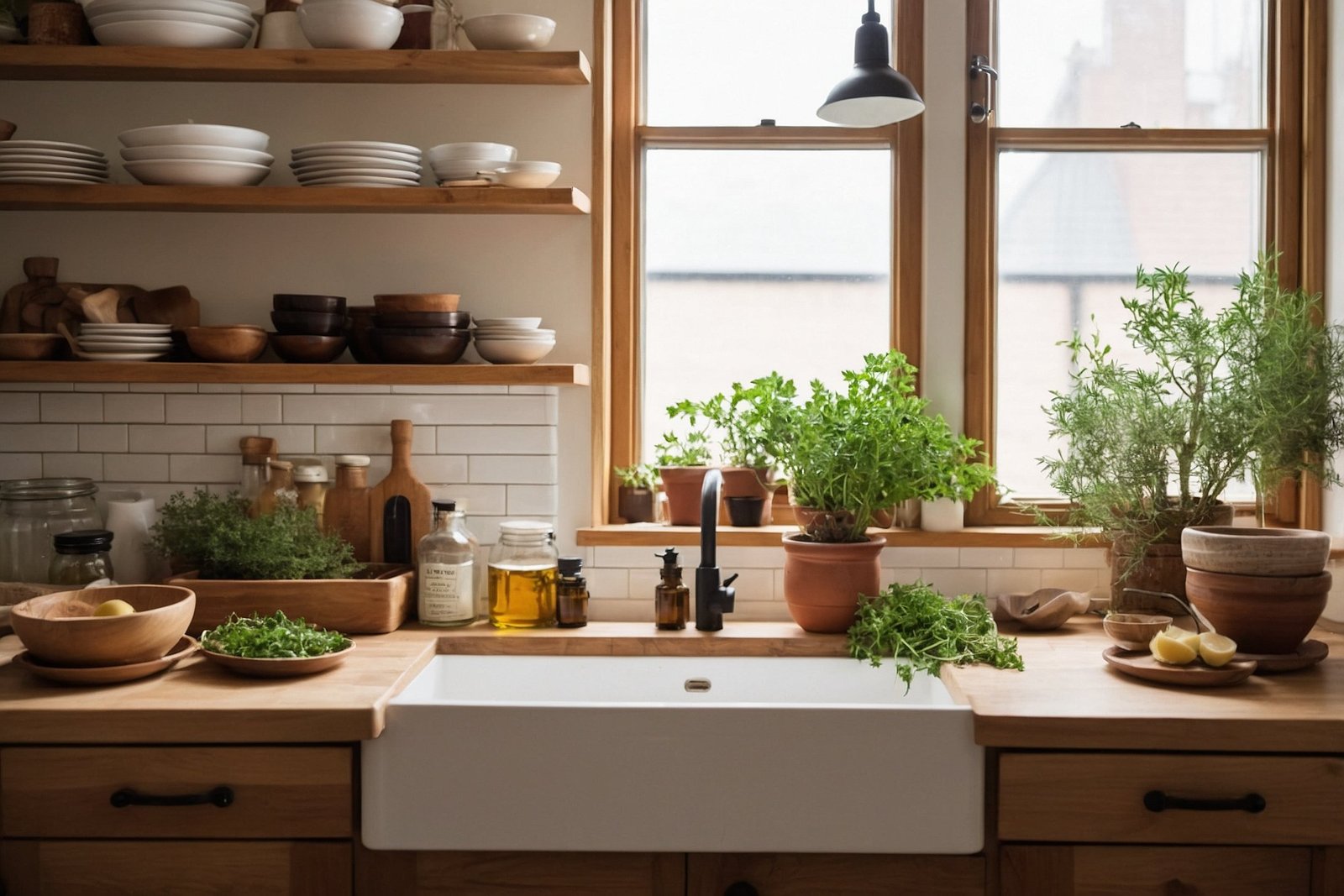
A practical and beautiful combination: medium-toned honey oak cabinets as the dominant wood, a butcher block island in a slightly darker maple or acacia as the secondary, and small accessories in a contrasting walnut as the accent. The John Boos Maple Wood Cutting Board brings a warm, lighter-grain secondary wood into a kitchen dominated by deeper tones, and its generous size makes it a functional display piece when leaned against the backsplash between uses.
The Living Room: The Floor-to-Furniture Relationship
For a warm, medium oak floor — by far the most common scenario — the most successful secondary wood is either slightly darker and richer (walnut-toned furniture) or slightly lighter and more textural (rattan, cane, or pale ash). For an accent wood element, the Neutype Full Length Wood Frame Leaning Mirror in a warm walnut finish works beautifully against pale oak floors — the darker frame creates contrast and defines the mirror’s presence in the room.
The Bedroom: Layering Without Overwhelm
Try: a bed frame in your dominant wood tone, nightstands in a slightly lighter tone, and one or two accent pieces in a contrasting texture. A wooden lamp base in a turned, natural finish — like the Pacific Coast Lighting Elan Table Lamp with Wood Base — adds a tactile, organic quality that a solid-stained piece cannot replicate.
The Entry and Hallway
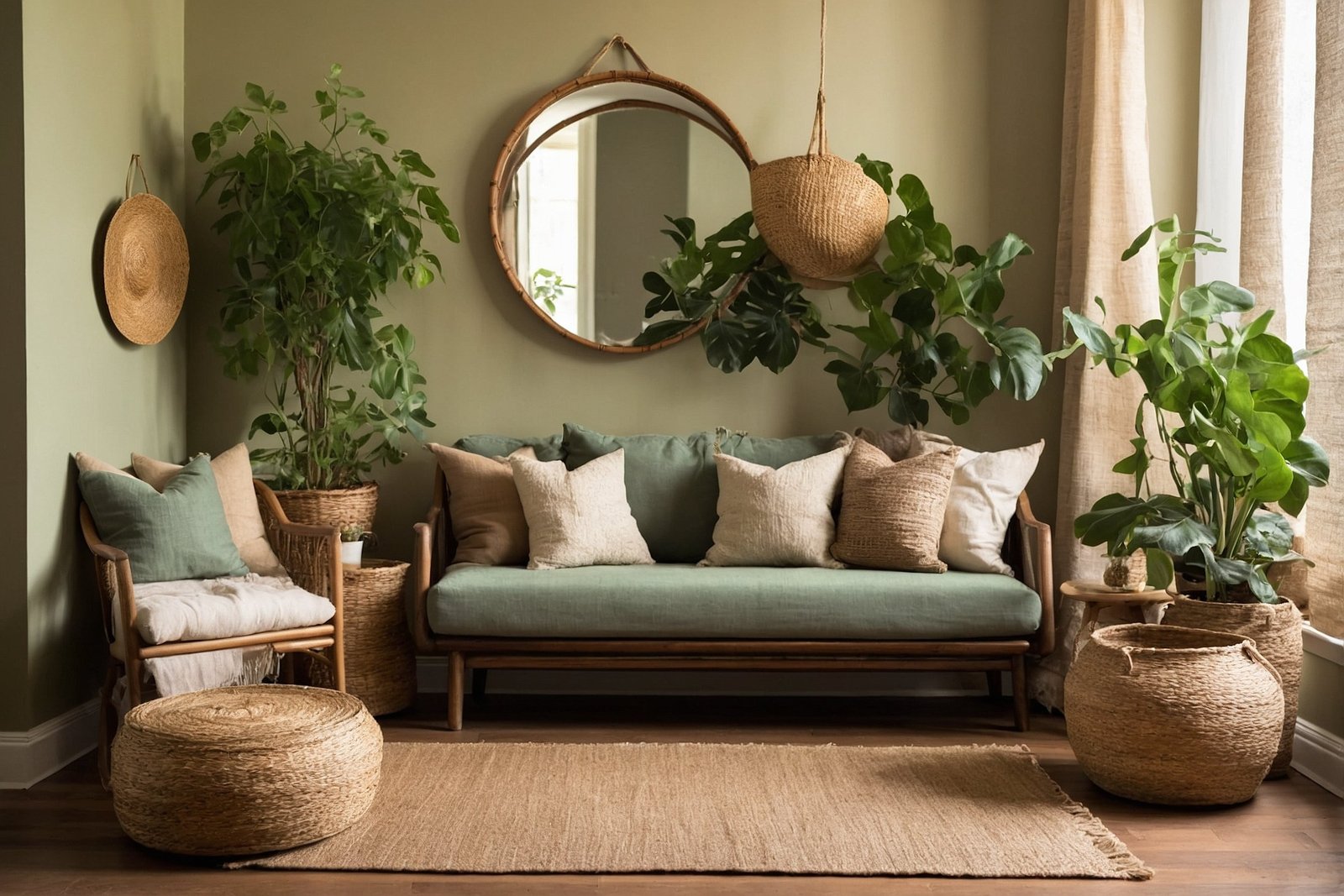
Rattan and cane furniture occupy an interesting middle ground in wood tone mixing — they read as warm and natural, complement almost any wood tone, and add lightness. The Threshold Rattan Storage Basket with Handles on a console table lower shelf adds that organic texture contrast that breaks up a room full of milled, finished wood pieces.
The Three Common Mistakes — And How to Avoid Them
Mistake 1: Mixing Warm and Cool Undertones
Identify the undertone of your largest wood piece first, then shop within that undertone family for everything else.
Mistake 2: Choosing Woods That Are Too Similar
Two wood tones that are nearly identical but not quite can look like a mistake. If you are mixing, commit to a visible, deliberate contrast. Light and medium, or medium and dark, are easier combinations than medium and medium-slightly-different.
Mistake 3: Forgetting About Grain and Texture
Wood tone mixing is about more than color. A finely grained walnut dining table paired with a dramatically grained live-edge shelf creates beautiful contrast even if both are similar in color. Think of grain as its own design element and mix these textures intentionally alongside the tones.
A Simple Starting Framework
Choose a dominant wood tone from your largest element, pair it with a secondary wood that shares the same undertone but differs in lightness or grain, and add one accent wood that introduces a different texture entirely. Keep your proportions roughly at 60/30/10, and you will always end up with a result that looks not just acceptable, but genuinely designed. Mixing wood tones is not a risk. It is an upgrade. For more ideas, explore our home decor ideas.