
I make these bowls at least once a week. Probably more. They started as a desperate Tuesday-night dinner when I had a pound of ground beef in the fridge and zero plan, and now they’ve become the meal my family asks for by name. The whole thing comes together in fifteen minutes, uses ingredients I always have, and somehow tastes like the kind of takeout I’d actually pay for.
The sauce is the whole story. Soy sauce, brown sugar, sesame oil, garlic, ginger, and a splash of rice vinegar — it caramelizes on the beef in the pan and turns into this glossy, sweet-savory glaze that coats every bite. The first time I tasted it, I genuinely stopped chewing for a second. It tastes like the Korean BBQ marinade I’d had at restaurants but was always intimidated to try at home. Turns out it’s six pantry ingredients and ten minutes.
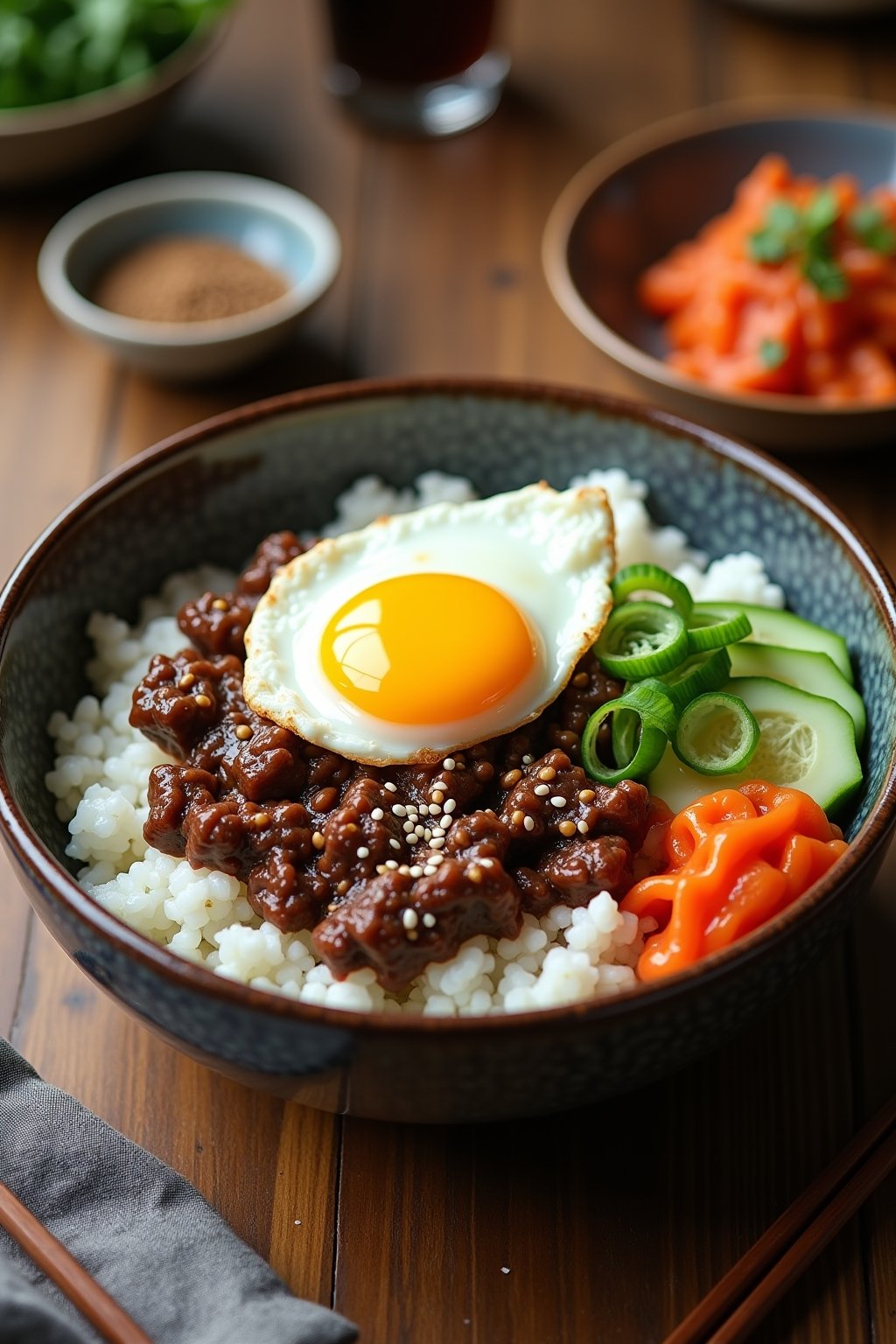
Served over hot rice with a fried egg, sliced cucumber, and a sprinkle of sesame seeds, it’s a complete meal that hits every note — savory, sweet, fresh, crunchy. My kids ask for it. My husband requests it for birthday dinners. I’ve made it for friends who claim they don’t like ground beef, and they’ve cleaned their bowls. It’s the kind of recipe that earns a permanent spot in your weekly rotation.
What Makes This One Different
- Fifteen minutes total — faster than ordering takeout, cheaper too
- Pantry-friendly ingredients — soy sauce, brown sugar, garlic, ginger. Always on hand
- Sweet-savory glaze — the sauce caramelizes on the beef into restaurant-level flavor
- Family-friendly — kids love it, picky eaters love it, even meat-skeptics love it
- Meal prep gold — make a double batch, eat it all week over rice or in lettuce wraps
- Endlessly customizable — sub in chicken, turkey, or tofu; change the toppings
Grocery List
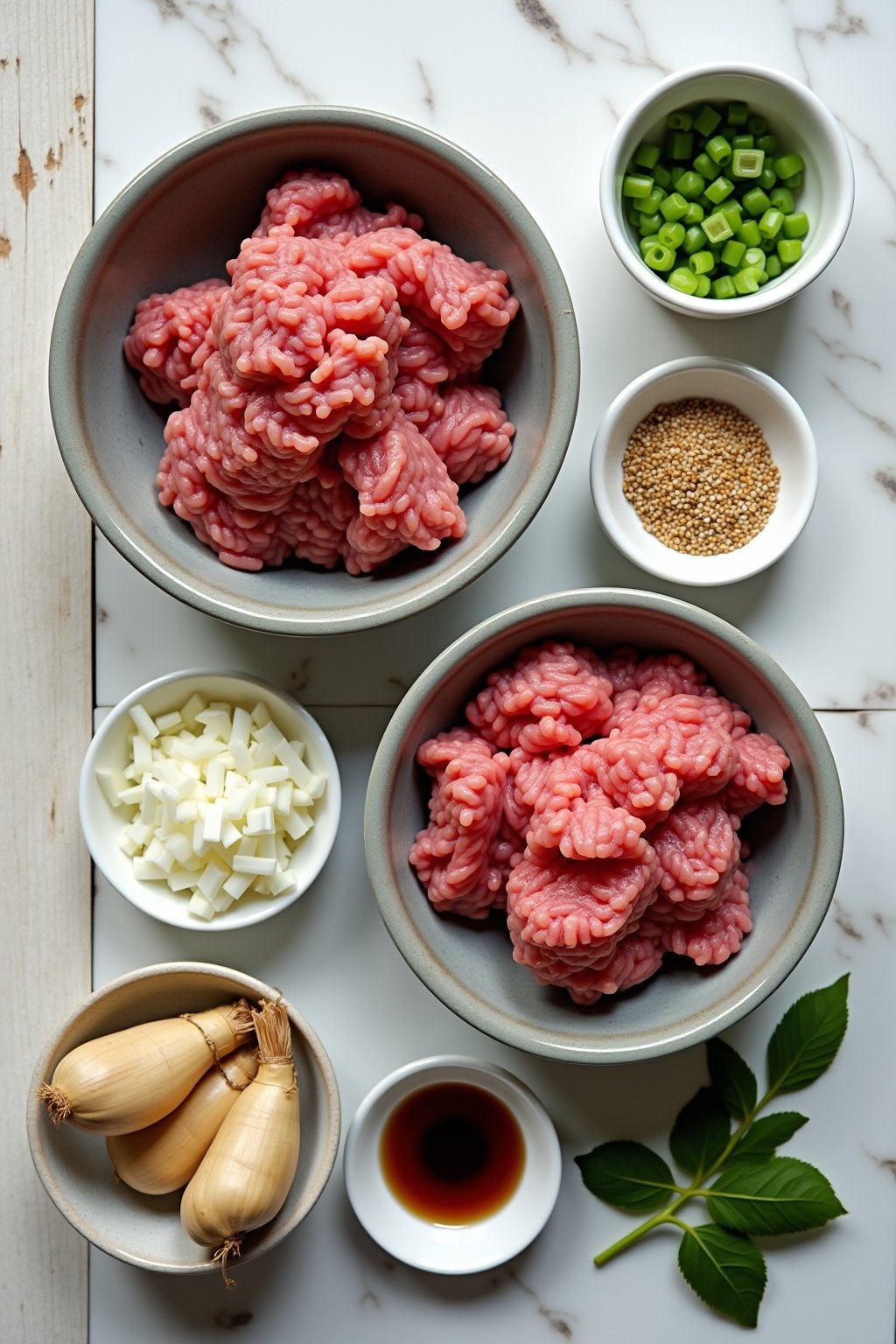
Ground beef — 85% lean is the sweet spot. 90% works too but is slightly drier. Avoid 80% — too greasy for this preparation.
Soy sauce — low-sodium is essential. Regular soy sauce overwhelms the dish. If you only have regular, dilute with 2 tablespoons of water.
Brown sugar — the caramelization depends on this. Honey or maple syrup work but the depth isn’t quite the same.
Sesame oil — toasted sesame oil only. Light sesame oil is for cooking; toasted is for flavor. A little goes a long way.
Gochujang — Korean fermented chili paste. Find it in any Asian aisle or sub with sriracha plus a touch of miso paste. Skip entirely if you don’t want heat.
Fresh garlic and ginger — non-negotiable. Powder versions don’t bloom in the oil and the dish loses depth.
Korean-Inspired Ground Beef Bowls (15-Minute Dinner)
Ingredients
Equipment
Method
-
Cook rice according to package directions. While it cooks, prep everything else.
-
Whisk all sauce ingredients in a small bowl until the brown sugar dissolves. Set aside.
-
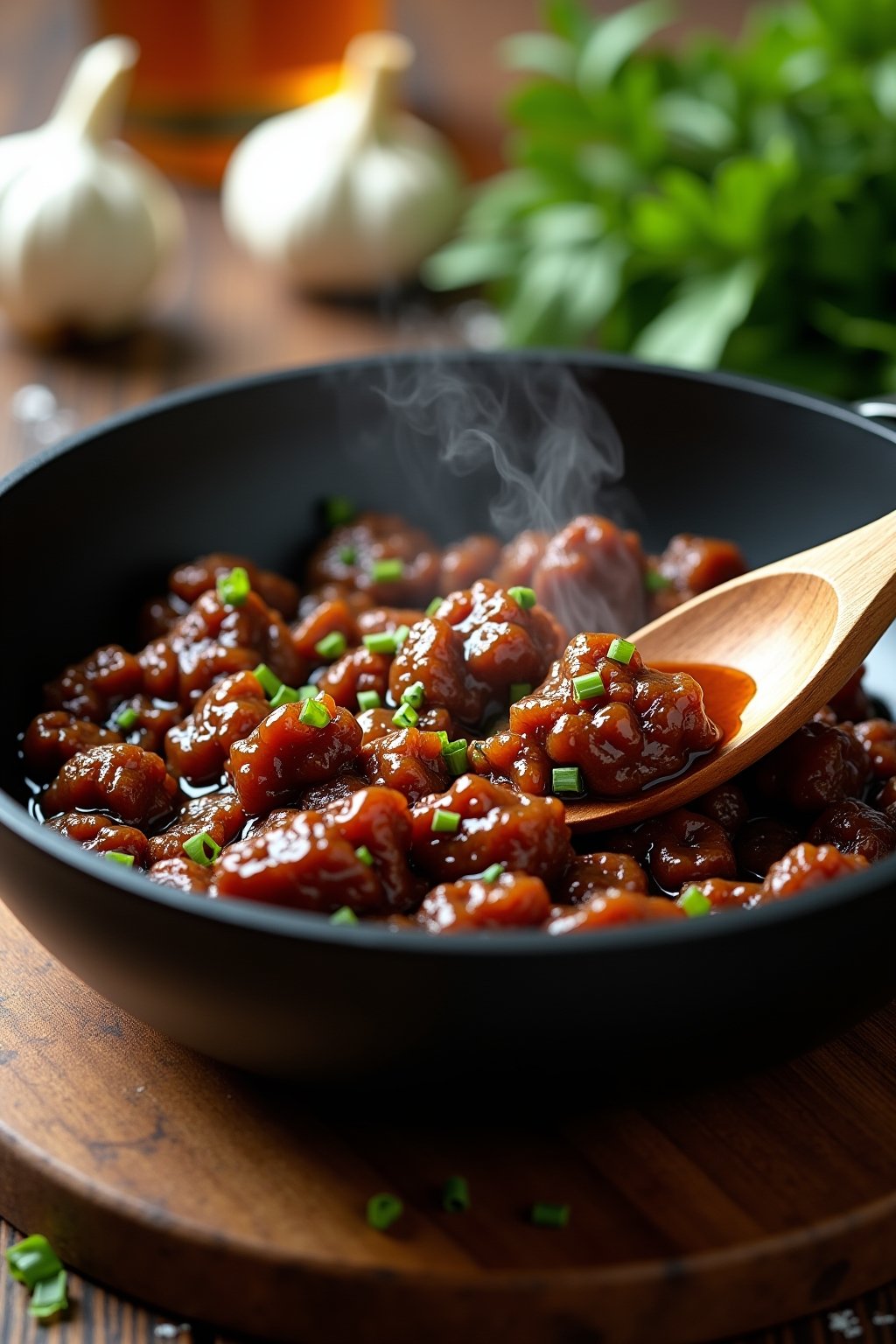
Heat vegetable oil in a large skillet over medium-high heat. Add the ground beef and break it into small pieces with a wooden spoon. Cook for 5-7 minutes until browned and no pink remains.
-
Drain off any excess fat — leave about 1 tablespoon for flavor.
-
Reduce heat to medium. Add the minced garlic, grated ginger, and red pepper flakes. Stir constantly for 30 seconds until fragrant — don’t let the garlic burn.
-
Pour in the sauce. Stir to coat the beef. Let it bubble and reduce for 3-4 minutes until the sauce thickens into a glossy glaze that clings to the beef.
-
Meanwhile, fry the eggs in a separate pan: heat a touch of oil in a nonstick skillet over medium heat, crack in the eggs, cover, and cook 3-4 minutes for runny yolks.
-
Build the bowls: scoop hot rice into bowls, top with the saucy beef, add a fried egg, cucumber slices, kimchi if using. Sprinkle with green onions and sesame seeds. Serve immediately.
Notes
Nutrition Facts
Per serving
| Calories | 510 |
| Total Fat | 18g |
| Saturated Fat | 6g |
| Carbohydrates | 55g |
| Fiber | 2g |
| Sugar | 16g |
| Protein | 32g |
| Sodium | 950mg |
| Potassium | 510mg |
| Vitamin A | 6% |
| Vitamin C | 8% |
| Calcium | 5% |
| Iron | 20% |
* Percent Daily Values are based on a 2,000 calorie diet.
Once It’s Off the Heat
Refrigerator: Cooked beef stores in an airtight container for up to 4 days. Reheat gently in a skillet with a splash of water to revive the sauce.
Freezer: The beef freezes beautifully for up to 3 months. Cool completely and transfer to freezer bags. Thaw overnight in the fridge before reheating.
Meal prep: Make a double batch on Sunday. Portion beef and rice into containers — they reheat perfectly for lunches all week. Add fresh cucumber and the egg the day you eat it.
Lunchbox tip: Skip the egg, use a hard-boiled egg instead. It travels better and adds protein.
Adaptations
- Lettuce Wraps — skip the rice and pile the beef into butter lettuce leaves with all the toppings
- Ground Turkey or Chicken — sub in 1:1; add 1 extra tablespoon of oil for browning
- Vegetarian Tofu — crumble extra-firm tofu and follow the same method; press first
- Spicy Version — double the gochujang and red pepper flakes; add sriracha on top
- Cauliflower Rice Base — sub cauliflower rice for a low-carb meal
- Loaded Bowl — add edamame, shredded carrots, avocado, and pickled onion
- Bibimbap Style — add steamed spinach, bean sprouts, and zucchini for the full Korean treatment
Add-Ons That Matter
- Brown the beef first, alone — adding garlic too early burns it. Beef goes in first, aromatics second
- Drain most of the fat — leave about a tablespoon for richness. More than that and the sauce slides off
- Whisk the sauce in advance — pouring sauce into a hot pan should be quick. Whisking wet ingredients in the heat gets messy
- Reduce until glossy — sauce should coat the back of a spoon. If it’s watery, the beef won’t be properly glazed
- Fresh garlic and ginger only — powder versions don’t have the same impact. Even 30 seconds of bloom in oil makes a huge difference
- Don’t skip the egg — the runny yolk mixes with the sauce and rice in a way that defines the dish
Easy Sides for This
- Steamed jasmine rice — classic pairing, soaks up all the sauce
- Kimchi — bright, fermented punch that cuts the richness
- Quick cucumber salad — sliced cucumber with rice vinegar and sesame oil
- Miso soup — the perfect light starter
- Edamame — quick, salty, fits the theme
- Asian slaw — shredded cabbage with sesame dressing
- Cold beer or sake — both pair beautifully with the sweet-salty beef
What You Can Do the Day Before
Sauce ahead: Whisk the sauce up to 1 week in advance and store in the fridge. Saves a step on busy nights.
Cook ahead: Brown and sauce the beef up to 4 days ahead. Reheat in a skillet with a splash of water — it tastes just as good.
Rice ahead: Cook a big batch of rice on Sunday. Stores 5 days in the fridge or 3 months in the freezer. Reheat with a splash of water in the microwave.
Full meal prep: Cook beef and rice; portion into containers with cucumber on the side. Add a hard-boiled egg in the morning. Five lunches done in 20 minutes.
Frequently Asked Questions
What’s gochujang and is it spicy?
Gochujang is a Korean fermented chili paste — savory, sweet, and mildly spicy. It’s not as hot as sriracha or hot sauce. Find it in any Asian aisle. If you can’t get it, sub 1 tsp sriracha + 1 tsp miso paste.
Can I use ground turkey or chicken instead?
Absolutely — they work great. Add an extra tablespoon of oil since these are leaner than beef. Cook time is about the same.
Is this dish actually authentic Korean?
It’s Korean-inspired, not authentic. The flavor profile borrows from bulgogi (Korean BBQ beef) but uses ground beef and pantry shortcuts. Great recipe, just don’t claim it’s traditional at a Korean dinner party.
How do I make this less sweet?
Reduce the brown sugar to 2 tablespoons and increase the rice vinegar to 1.5 tablespoons. The dish stays balanced but loses some of the sticky-sweet glaze.
Can I make this gluten-free?
Yes — use tamari or coconut aminos instead of soy sauce. Check that your gochujang is gluten-free (some brands contain wheat).
Why is my sauce too watery?
Either you didn’t reduce it enough, or the beef released too much liquid. Let the sauce bubble until it coats the back of a spoon. If still watery, mix 1 tsp cornstarch with 1 tablespoon water and stir in.