Every April I get the same text from someone: is it too late to plant berries this year? And every April I send the same answer: absolutely not, you are right on time. April is genuinely the best month to plant most backyard berries across most of the United States. The soil is waking up, the roots have time to establish before summer heat, and depending on your variety you can be picking fruit before Fourth of July.
The first year I tried to grow berries I bought random plants from a big-box garden center, stuck them in the yard, and ended up with one sad strawberry plant and a blueberry bush that died in six weeks. Then I learned the actual rules: match the variety to your zone, match the soil to the plant, and plant at the right depth. Three seasons later I have strawberries, blueberries, raspberries, blackberries, and even elderberries producing across a small suburban yard. This is the complete zone-by-zone guide to the five berries that almost anyone can plant in April, what to expect in year one, and which varieties actually perform in real backyards.
Quick Facts
| Sun | Full Sun (6-8 hours for all 5 berries) |
| Difficulty | Beginner to Intermediate (variety-dependent) |
| Season | April planting across zones 3-10 (zone-specific timing inside) |
| Zone | Zones 3, 4, 5, 6, 7, 8, 9, and 10 |
| Time to Harvest | Strawberries in 60-90 days, berry bushes in year 2-3 |
What You’ll Need
- Bare-root strawberries, blueberries, raspberries, blackberries, and elderberries (see variety list below)
- Soil test kit or probe meter (pH is critical for blueberries)
- Elemental sulfur (for blueberry soil amendment)
- Compost (2-3 inches worked into each planting hole)
- Pine needle or bark mulch for blueberries
- Straw or wood chip mulch for strawberries, raspberries, and blackberries
- Trellis wire and T-posts for brambles
- Bird netting (save yourself 30-50% of the crop)
- Balanced organic fertilizer (5-5-5) for most berries, Holly-Tone for blueberries
- A garden journal for tracking what you planted where and when
Buy from a reputable nursery, not a big-box store. Online specialty nurseries like Nourse Farms, Stark Bro’s, and Raintree ship healthier, better-labeled stock than most garden centers. Expect to pay $3-8 per strawberry plant, $18-35 per blueberry bush, $8-15 per raspberry or blackberry cane, and $15-25 per elderberry. Budget about $100-150 for a starter berry patch that will feed a family for years.
Pay attention to chill hours. Every berry variety has a chill hour requirement — the number of hours below 45°F the plant needs for proper bud set. Northern varieties often need 800+ chill hours. Southern varieties may need 200-400. Plant a variety outside its chill range and it either fails to flower (too few chill hours) or suffers winter damage (too many). Nursery descriptions always list the chill hours — read them.
Berry 1: Strawberries — The Fastest Harvest
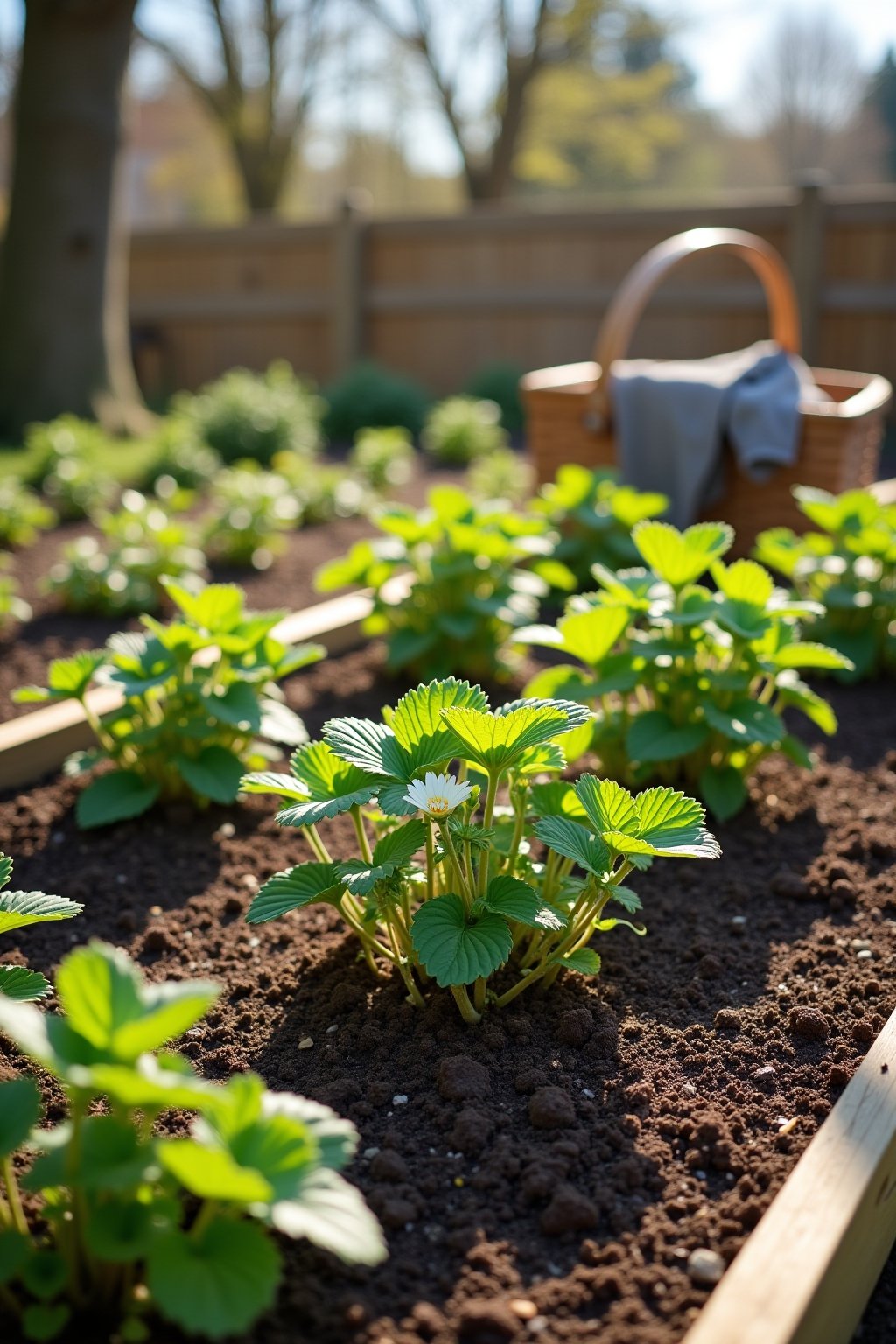
Strawberries are the first berries most gardeners try because they produce the fastest. Day-neutral varieties planted in early April can produce their first berries in as little as 60-90 days in most zones.
Best April-planted varieties:
Albion (zones 4-9): day-neutral, large sweet berries, reliable producer from May through October.
Seascape (zones 4-9): day-neutral, heat tolerant, best choice for zones 7-9.
Earliglow (zones 4-8): classic June-bearer, the best-flavored strawberry in North America in my opinion, one massive crop in June.
UC Golden Gate and UC Keystone (zones 5-9): new for 2025 from UC Davis, improved disease resistance, higher yields than older day-neutrals.
Plant bare-root plants as soon as the soil can be worked. Pinch all flowers for the first 6 weeks to force strong root development. Zone 3-5 gardeners plant mid to late April. Zone 6-7 plant early April. Zone 8-10 should have planted in February or March but late-April planting still works with consistent watering.
Berry 2: Blueberries — The Long-Term Investment
Blueberries are the most rewarding long-term berry bush for any backyard. A well-planted bush produces for 15-20 years and doubles as an ornamental plant with white spring flowers and brilliant red fall foliage. First real crop comes in year three but it is worth the wait.
Best April-planted varieties by zone:
Northland and Chippewa (zones 3-7): half-high hybrids, cold-hardy, 3-4 foot bushes.
Duke and Bluecrop (zones 4-7): classic northern highbush, full-size, reliable.
Pink Lemonade (zones 5-9): pink-fruited rabbiteye, edible landscape star, productive.
Sunshine Blue (zones 5-10): compact southern highbush, 3 feet tall, great for containers.
Tifblue and Climax (zones 7-9): rabbiteye, heat-tolerant, very productive.
Critical rule: plant two different varieties of the same type for cross-pollination. A single blueberry produces 2-3 pounds a year. Two varieties cross-pollinating produce 6-10 pounds each. Pair early-season with mid-season bloomers. Soil must be pH 4.5-5.5 — this is non-negotiable. Test before planting and amend with elemental sulfur if needed.
Berry 3: Raspberries — The Steady Producer
Raspberries outproduce almost any other backyard fruit on a per-square-foot basis. A 10-foot row of raspberry canes yields 10-15 pounds of berries per year at maturity. April is the ideal planting month in most zones.
Best April-planted varieties:
Heritage (zones 3-8): primocane (fall-fruiting), the gold standard for reliability.
Caroline (zones 4-8): primocane, larger berries than Heritage, superb flavor.
Anne (zones 4-8): primocane yellow raspberry, incredibly sweet.
Raspberry Shortcake (zones 5-9): dwarf primocane, thornless, perfect for containers and patios.
Fall Gold (zones 4-8): primocane yellow, compact, sweet.
I recommend primocane (fall-fruiting) varieties for nearly every beginner because pruning is simpler — cut everything to the ground in late winter. Floricane (summer-fruiting) varieties like Latham and Willamette are also excellent but require distinguishing between first- and second-year canes. Zone 3-5 plants April 15-30. Zone 6-8 plants April 1-20. Zone 9-10 plants in February for best establishment.
Berry 4: Blackberries — The Easy Powerhouse
Blackberries are the easiest berry bush to grow after they are established. Almost any soil, any water, any level of care. The catch is that many blackberry varieties are thorny enough to shred clothing and skin. Pick a thornless variety unless you like adventure.
Best April-planted varieties:
Triple Crown (zones 5-9): thornless, semi-erect, huge berries, incredible flavor. The one I recommend first for nearly everyone.
Natchez (zones 6-9): thornless, erect, early-ripening, very productive.
Ouachita (zones 6-9): thornless, erect, excellent flavor, disease-resistant.
Prime-Ark Freedom (zones 5-9): thornless primocane type, fruits on first-year canes so you can cut to the ground each winter.
Navaho (zones 6-10): thornless, erect, sweet, cold-hardy to zone 6.
Plant bare-root canes 3-4 feet apart along a simple two-wire trellis. Most blackberries are floricane (summer-fruiting) so plan on a light harvest year one and full production by year two. Zone 5-6 gardeners plant mid to late April. Warmer zones should have planted in late winter but April still works with extra watering.
Berry 5: Elderberries — The Forgotten Superfruit
Elderberries are the most overlooked backyard fruit in North America. Historically grown for immune-supporting syrup made from the cooked berries, they are making a big comeback among home gardeners who want something beautiful, productive, and useful that almost no one else grows.
Best April-planted varieties:
Adams (American elderberry, zones 3-9): classic, vigorous, reliable, big clusters.
York (American elderberry, zones 3-9): larger berries than Adams, great pollinator.
Bob Gordon (American elderberry, zones 3-8): Missouri cultivar, huge yields, improved disease resistance.
Black Lace (European Sambucus nigra, zones 4-7): dark purple lacy foliage, pink flowers, ornamental + edible.
Critical rule: always cook elderberries before eating. Raw berries contain mild toxins that cause stomach upset. Cooked berries make syrup, jam, wine, and pie filling. Plant two different varieties for cross-pollination — elderberries are partially self-fertile but yields double with a partner. Bushes reach 6-12 feet, so give them space. First real crop by year two, full production by year three.
How to Plant All 5 Berries by Zone (April Timeline)
Zones 3-4 (mid to late April planting): Wait until the soil can be worked and nighttime temperatures stay above 25°F. Focus on cold-hardy varieties — Northland blueberries, Heritage raspberries, Adams elderberries, Earliglow strawberries. Have frost cloth ready for late cold snaps.
Zones 5-6 (early to mid April planting): Prime window for all five berries. Plant bare-root stock as soon as soil is workable. Half-high blueberries, Triple Crown blackberries, Raspberry Shortcake, Albion strawberries, and York elderberries all thrive.
Zones 7-8 (early April planting): Plant early because summer heat comes fast. Southern highbush blueberries (Pink Lemonade, O’Neal), Ouachita blackberries, Heritage raspberries, Seascape strawberries, and Bob Gordon elderberries are ideal.
Zones 9-10 (late April still possible, but late): Ideal planting window was February to early March. Late-April planting works for rabbiteye blueberries (Tifblue, Climax), Sunshine Blue for patios, Prime-Ark Freedom blackberries, Raspberry Shortcake in containers, and Seascape strawberries. Water religiously through first summer.
If Yours Doesn’t Look Right
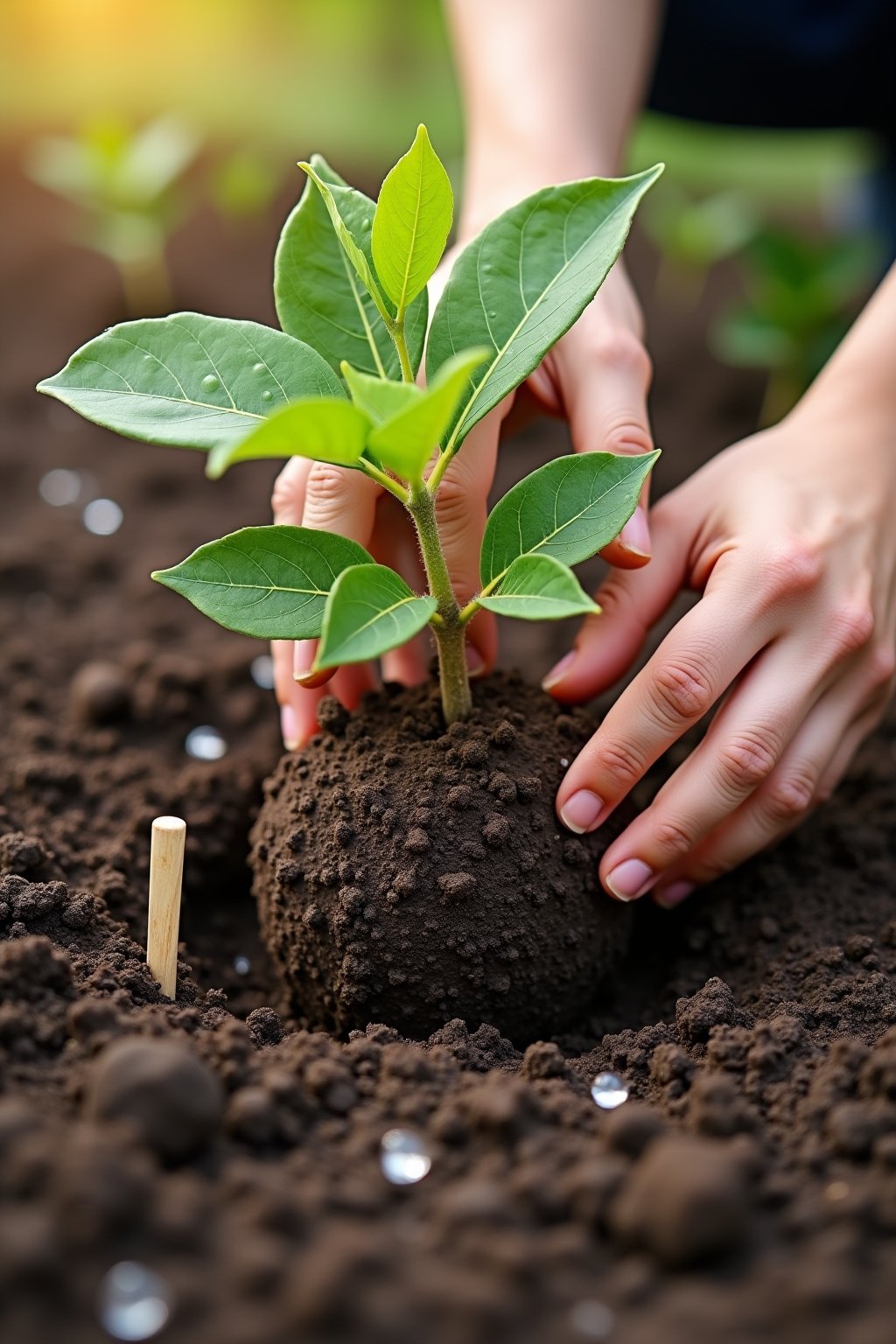
Bare-root plants that look dead for 2-3 weeks after planting: Totally normal. Bare-root strawberries, raspberries, blackberries, and blueberries all take 2-4 weeks to push their first new leaf. Keep them watered and do not dig them up to check — that kills more than dormancy does.
Blueberry leaves turning yellow with green veins: Soil pH is wrong. Blueberries need 4.5-5.5. Test immediately, apply elemental sulfur, and top-dress with pine needle mulch. This is the single most common beginner blueberry problem.
Strawberry fruit rotting before it ripens: Gray mold from wet conditions or berries sitting on wet soil. Mulch with straw so berries stay dry. Switch to soaker hose irrigation. Pick every other day.
Raspberry canes growing but no fruit year one: Normal for bare-root plants. Primocane varieties may produce a small late-summer crop in year one but full production is year two. Be patient.
Blackberry thorns that you did not expect: You got a thorny variety. Chester, Marion, and wild local types all have serious thorns. Next time look for the word “thornless” in the variety name or description. Triple Crown, Natchez, Ouachita, Prime-Ark Freedom, and Navaho are all thornless.
Elderberries flowering but no fruit: Need a second variety for pollination. Elderberries are partially self-fertile but yields drop dramatically without a cross-pollinator. Plant a second variety within 50 feet.
The Yearly Cycle
Early April (zones 5-9): Plant all bare-root berries as soon as soil is workable. This is the prime window for strawberries, raspberries, blackberries, blueberries, and elderberries. Order plants by February for April delivery.
Mid April (zones 4-7): Peak planting window. Pay attention to late frost forecasts. Cover new plantings with frost cloth if temperatures drop below 28°F.
Late April (zones 3-5): Safe window for cold zones. Soil has warmed enough for roots to establish. Focus on cold-hardy varieties and mulch heavily for moisture and temperature buffering.
May (all zones): Plant any remaining stock, especially potted (not bare-root) plants that handle later planting better. Keep watering consistent as temperatures climb.
Summer (June-August): Focus shifts to watering, mulching, netting against birds, and harvesting. Strawberries produce heavily. First small raspberry and blackberry crops begin.
Fall (September-October): Second planting window for zones 7-10. Primocane raspberries finish their main crop. Elderberries ripen. Plan next year’s additions.
Useful Adjustments
- Plant two varieties of blueberries for cross-pollination — single plants produce 2-3 pounds a year, cross-pollinated pairs produce 6-10 pounds each. Pair early-season with mid-season bloomers of the same type (highbush with highbush, rabbiteye with rabbiteye).
- Primocane raspberries and blackberries are simpler to grow — cut everything to the ground in winter, new canes grow and fruit the same year. No year-two-cane confusion like floricane varieties require.
- Pinch all strawberry flowers for the first 6 weeks — forces the plant to build strong roots instead of fruiting on stressed runners. Doubles the year-two harvest compared to plants allowed to fruit immediately.
- Test soil pH before planting blueberries — the #1 reason new blueberry bushes die is alkaline soil. Blueberries need pH 4.5-5.5. Amend with elemental sulfur and pine needle mulch. Do not skip this step.
- Pick thornless blackberry varieties unless you enjoy adventure — Triple Crown, Natchez, Ouachita, Prime-Ark Freedom, and Navaho all have clean canes that will not shred your arms. Older varieties like Marion are thorny.
- Always cook elderberries before eating — raw berries cause stomach upset. Cooked berries make syrup, jam, wine, and pie filling. Black Lace is the prettiest variety if you want edible landscaping.
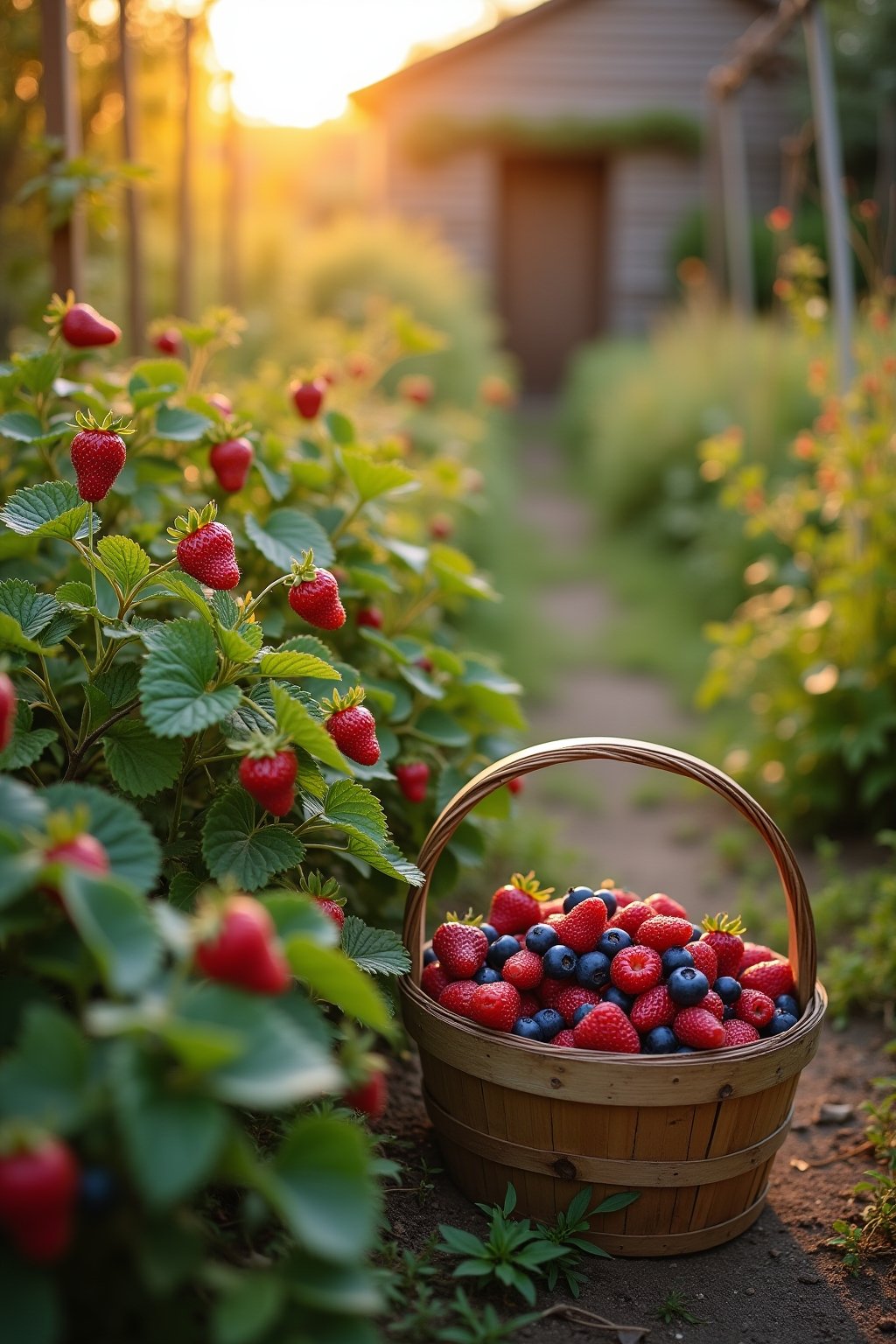
- Net all berries as soon as fruit colors up — birds find ripening fruit within days. Without netting, expect to lose 30-50% of strawberries, blueberries, and raspberries to birds in any given season.
Related Topics
- How to Grow Strawberries in a Vertical Tower (Massive Harvest, Tiny Footprint)
- How to Plant Blueberries in Containers (The pH Fix That Changes Everything)
- How to Plant Strawberries in a Raised Bed for Your Biggest Harvest Ever
Frequently Asked Questions
Is April too late to plant berries for this year?
Absolutely not. April is the best month to plant berries across most of the United States. Bare-root strawberries planted in early April can produce fruit by June or July. Blueberries, raspberries, blackberries, and elderberries all establish best in April soil. Only zones 9-10 gardeners are slightly late in April — the ideal window there is February to early March. But with consistent watering, April planting still works in warm zones.
Which berry is easiest for a beginner?
Strawberries for fastest gratification — they produce in the first season and are genuinely easy in a raised bed. Raspberries (primocane varieties like Heritage) are also very forgiving and productive by year two. Blackberries are the easiest long-term bush once established. Blueberries are the hardest for beginners because of the pH requirement, but they are the most rewarding long-term investment.
How long until berry bushes actually produce fruit?
Strawberries produce the fastest — 60-90 days after April planting for day-neutral varieties. Raspberries (primocane) produce a small late-summer crop in year one and full crops by year two. Blackberries produce lightly in year one and fully by year two. Blueberries are the patience game — small crops by year two, full production by year three, peak production by year five. Elderberries produce small crops by year two and full harvest by year three.
Can I grow all 5 berries in a small suburban yard?
Yes, easily. Dedicate one 4×8 raised bed to strawberries (25-30 plants). Add two blueberry bushes along a sunny fence line (20-24 inch containers work great). Plant a 2-foot-wide strip of raspberries along a side yard (3-4 canes). Add one thornless blackberry bush (Triple Crown) and one elderberry bush (Adams or York) for cross-pollination, plus a second elderberry variety. Total footprint: about 100 square feet. Total annual harvest once mature: 50-80 pounds of mixed berries.
What is the new UC Golden Gate strawberry I keep hearing about?
UC Golden Gate and UC Keystone are new day-neutral strawberry cultivars released by UC Davis to U.S. retailers in 2025. They were bred for improved disease resistance and higher yields compared to older standards like Albion and Seascape. Specialty nurseries carried them for about $3 per plug last spring. They are a great choice for raised beds and towers in zones 5-9 if you can find them in stock.
Do I really need to net my berry plants?
Yes, unless you are willing to lose 30-50% of the harvest to birds. Robins, catbirds, and mockingbirds find ripening berries faster than you would believe — often the same day they color up. Simple 1-inch mesh bird netting draped over stakes or a simple cage costs $12-25 and saves pounds of fruit. Unnetted bushes can be stripped in a single afternoon during peak harvest.