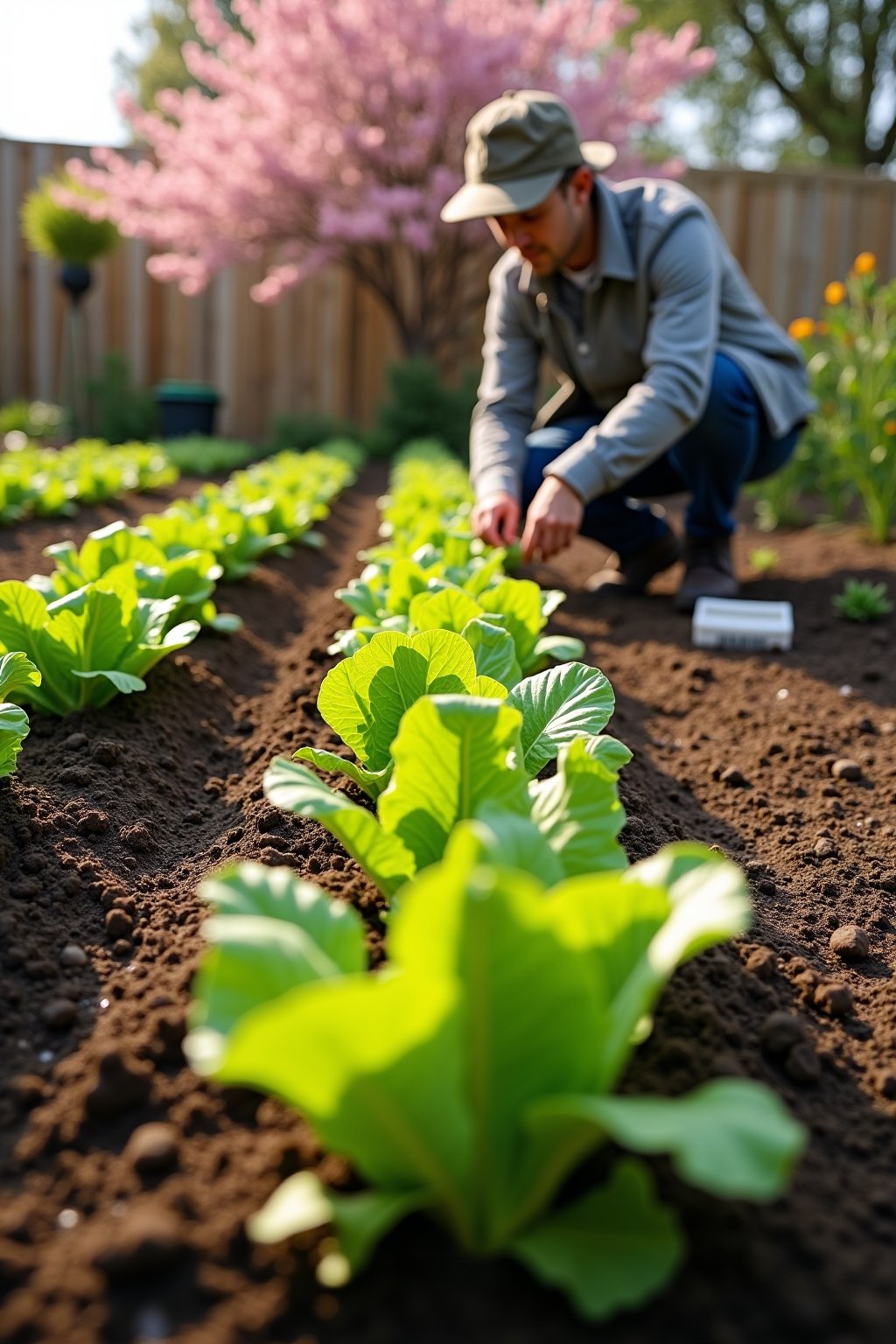
If you missed the early spring window and now it is April and you still have not planted anything, take a breath. You are not behind. April is one of the best months to start a vegetable garden across most of the United States, and depending on your USDA zone you can plant both cool-season crops that love the chill and warm-season crops that thrive as the soil heats up.
I almost skipped an entire growing season once because I convinced myself it was too late to start in mid-April. A neighbor who had been gardening for thirty years handed me a pack of bush bean seeds and said plant these right now, you will be eating beans in July. She was right. That year I harvested beans, lettuce, zucchini, and radishes all from an April start. This guide breaks down exactly what to plant in April by zone so you can stop worrying and start growing.
Quick Facts
| Sun | Full Sun (6-8 hours for most vegetables) |
| Difficulty | Beginner |
| Season | April planting — cool and warm season crops |
| Zone | Zones 5, 6, 7, 8, and 9 |
| Time to Harvest | 21 days (radishes) to 80 days (tomatoes) |
A Few Notes Before You Start
- Seeds: lettuce, radishes, peas, carrots, beans, zucchini, cucumbers
- Transplants: tomatoes, peppers (zone 7-9 in April)
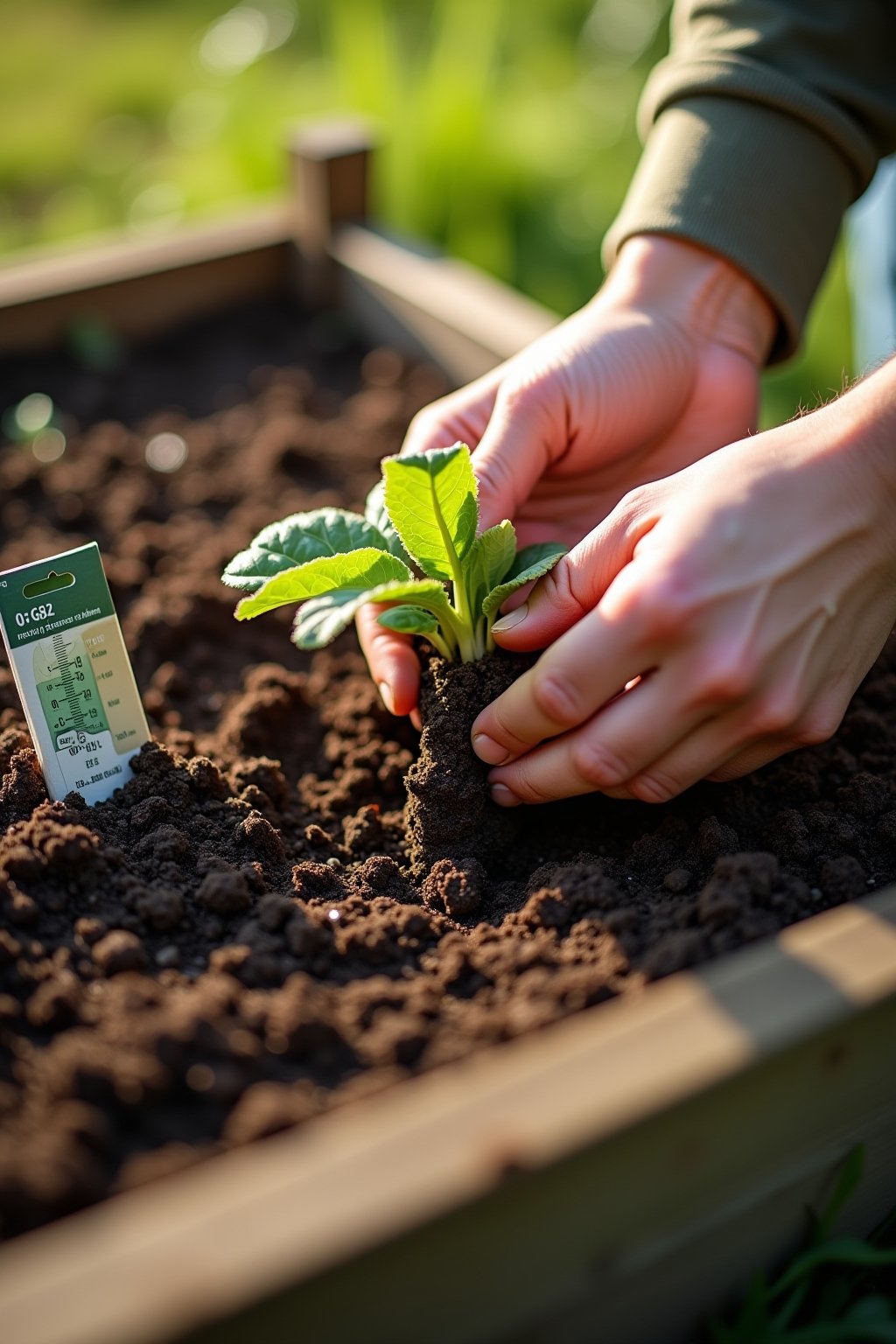
- Soil thermometer (checks if soil is warm enough)
- Compost or aged manure for soil prep
- Mulch (straw or shredded leaves)
- Garden trowel and hand fork
- Watering can or hose with gentle nozzle
- Row cover or frost cloth (zone 5-6 insurance)
- Plant labels and permanent marker
- Garden journal for tracking planting dates
A soil thermometer is your best friend in April: Forget the calendar date — your soil temperature tells you exactly what you can plant right now. Cool-season crops germinate at 40-50°F soil. Warm-season crops need 60°F or higher. Measure 4 inches deep in the morning when soil is coolest. A cheap probe thermometer from any hardware store works perfectly.
Frost cloth for zone 5-6 gardeners: Keep lightweight frost cloth on hand through April. A surprise late frost can hit zones 5-6 well into late April. Draping frost cloth over newly planted seedlings takes two minutes and can save your entire planting from a 28°F night.
Cool-Season Vegetables to Plant Now (All Zones)
These crops actually prefer cool weather and can handle a light frost. Plant them as soon as soil is workable in April, regardless of your zone.
Lettuce and salad greens: Direct sow seeds ¼ inch deep. Germinates in soil as cool as 40°F. Harvest baby leaves in 25-30 days. Succession sow every 10 days for continuous salads all spring. In zones 8-9, plant in partial shade to prevent bolting as temperatures climb.
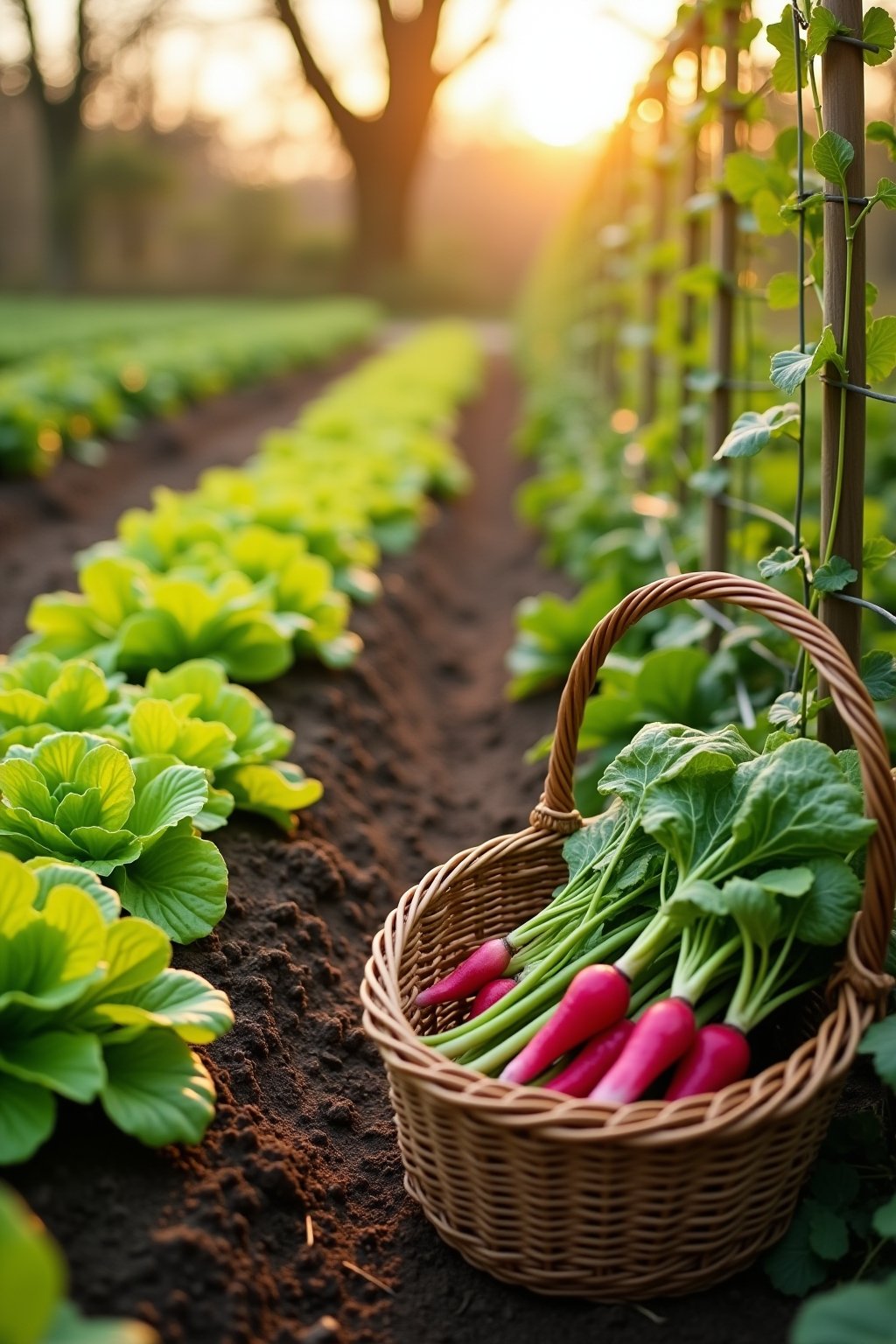
Radishes: The fastest vegetable in the garden — harvest in 21-30 days. Sow seeds ½ inch deep, 1 inch apart. Thin to 2 inches. Radishes grow in soil as cool as 45°F and are the perfect confidence builder for first-time gardeners. Try Cherry Belle for a classic red radish or French Breakfast for a milder flavor.
Peas: One of the hardiest spring crops. Sow directly in the garden 1 inch deep as soon as soil hits 40°F. Peas can handle frost and even a light freeze. Provide a trellis or stakes for climbing varieties. Sugar snap peas are the best beginner choice because you eat the whole pod — no shelling required.
Carrots: Sow ¼ inch deep when soil reaches 50°F. Carrots take 60-80 days to mature but April planting in zones 5-7 is perfectly timed for a June-July harvest. Keep soil evenly moist during germination, which takes 14-21 days. Nantes varieties are the sweetest and easiest for beginners.
Warm-Season Vegetables by Zone
These crops need warm soil and cannot survive frost. Your zone determines whether April is the right time or if you should wait.
Zone 5 (last frost mid-May): Start tomato and pepper transplants indoors if you have not already. Do not plant warm-season crops outdoors yet. Focus on cool-season crops and get your beds ready for a May transplant. You can sow bean and squash seeds indoors in peat pots for transplanting after last frost.
Zone 6 (last frost late April to early May): Start hardening off tomato and pepper transplants in late April. Wait until soil reaches 60°F before planting beans, cucumbers, and squash outdoors. Have frost cloth ready for any surprise cold snaps.
Zone 7 (last frost early to mid-April): You can plant tomato and pepper transplants outdoors in mid to late April once nighttime temperatures stay above 50°F. Direct sow beans, zucchini, and cucumbers by late April when soil hits 60°F.
Zone 8 (last frost mid-March): April is prime time for all warm-season crops. Plant everything: tomatoes, peppers, beans, squash, cucumbers, melons. Soil is warm and the growing season ahead is long. Get them in the ground early for the best harvest before summer heat peaks.
Zone 9 (last frost mid-February): Same as zone 8 but even more urgent. Summer heat arrives earlier. Plant warm-season crops in early April at the latest. Consider afternoon shade for tomatoes and peppers once temperatures regularly exceed 90°F.
Bush Beans — The Best April Crop Nobody Talks About
If you plant one thing in April, make it bush beans. They are the most rewarding vegetable for beginners: almost impossible to fail, incredibly productive, and ready to harvest in just 50-55 days from seed.
Sow seeds 1 inch deep and 3 inches apart when soil reaches 60°F (zones 7-9 in April, zones 5-6 in May). Beans need no fertilizer because they fix their own nitrogen from the air — they actually feed the soil instead of depleting it. Water regularly but avoid wetting the leaves. One 4-foot row of bush beans produces enough for two people to eat fresh beans twice a week.
Best beginner varieties: Provider (53 days, very cold tolerant), Blue Lake Bush (55 days, the classic snap bean), and Contender (50 days, heat and cold tolerant). Plant a second round 3 weeks after the first for continuous harvests through summer.
Zucchini and Summer Squash — The April Powerhouse
Zucchini is the most productive vegetable per square foot in the entire garden. One plant can produce 6-10 pounds of squash per season, and two plants will keep a family of four supplied all summer long. The running joke among gardeners is that the only time people lock their cars in August is to keep neighbors from leaving zucchini on the front seat.
Direct sow seeds 1 inch deep when soil hits 60°F. Space plants 24-36 inches apart — they need room. In zones 7-9, plant in April. In zones 5-6, start seeds indoors in early April and transplant after last frost. Harvest when fruits are 6-8 inches long. Check plants every other day once they start producing because zucchini grows shockingly fast — a 6-inch fruit becomes a 14-inch baseball bat in 48 hours.
Tomatoes — The Timing That Makes or Breaks Your Harvest
Tomatoes are the most popular vegetable in American gardens but also the one beginners mess up most often by planting too early. Tomato plants cannot survive any frost and they actually stall when nighttime temperatures drop below 50°F. A tomato planted in cold soil sits there doing nothing while a tomato planted two weeks later in warm soil catches up and passes it.
Zone 5-6: Do not plant tomatoes outdoors in April. Harden off transplants in late April by moving them outside for increasing hours, but wait until mid-May to transplant into the garden. Use black plastic mulch to warm the soil 5-8°F faster.
Zone 7: Transplant outdoors in late April once nighttime lows stay above 50°F consistently. Check the 10-day forecast first.
Zone 8-9: Plant in early to mid-April. Soil is already warm and there is plenty of growing season ahead. Determinate varieties like Roma or Celebrity are easiest for beginners. Cherry tomatoes like Sweet 100 or Sungold are the most forgiving and productive.
How to Maximize Your April Planting Success
Use the US spring planting calendar as a guide, not a rule. Every yard has microclimates — a south-facing wall can be a full zone warmer than the rest of your yard. Raised beds warm up faster than in-ground plots. Use your soil thermometer and local conditions to make the call.
Succession planting is the real secret: Do not plant all your lettuce or radish seeds at once. Sow a short row every 10-14 days through April and May. This gives you a steady stream of fresh vegetables instead of a feast-or-famine harvest where everything ripens the same week.
Water deeply, not often: April showers help, but if spring is dry in your area, water newly planted seeds gently every other day until they germinate. Once seedlings are established, switch to deep watering 2-3 times per week. Shallow daily watering creates weak surface roots.
Reading What’s Wrong
Seeds not germinating: Soil is probably too cold. Check temperature at 4-inch depth. Cool-season crops need 40-50°F, warm-season crops need 60°F or higher. Wait a week and try again if soil has not warmed up enough.
Seedlings dying after a cold night: A late frost hit tender plants. Keep frost cloth on hand in zones 5-7 through late April. Cover plants whenever overnight temps drop below 35°F. Cool-season crops like peas and lettuce usually survive light frost, but tomato and pepper transplants are killed instantly.
Lettuce bolting quickly: Temperatures got too warm too fast, especially in zones 8-9. Plant lettuce in partial shade, use heat-resistant varieties like Muir or Jericho, and harvest leaves young before the plant flowers.
Carrot seeds not coming up: Carrots have notoriously slow germination (14-21 days). The soil surface may have crusted over. Keep the top inch moist and consider covering with a thin layer of vermiculite instead of soil to prevent crusting.
A Seasonal Rhythm
Early April (all zones): Plant peas, lettuce, radishes, spinach, carrots, and beets directly in the garden. These cool-season crops thrive in the cool soil and air of early spring.
Mid-April (zones 7-9): Transplant tomatoes and peppers outdoors. Direct sow beans, zucchini, cucumbers, and squash once soil reaches 60°F. Zones 5-6 should start warm-season seeds indoors if not started already.
Late April (zones 5-6): Begin hardening off indoor transplants. Continue successive plantings of lettuce and radishes. Prepare beds for May planting of warm-season crops by adding compost and laying black plastic to warm the soil.
Late April (zones 8-9): Everything should be planted by now. Focus on watering, mulching, and monitoring for pests. Consider planting a second round of bush beans and squash for extended harvests into summer.
The Real Trick
- Check soil temperature, not the calendar — an unusually cold April can delay planting by two weeks. An unusually warm April in zone 5 can let you plant beans a month early. The soil thermometer is your single best investment as a gardener.
- Radishes are the ultimate beginner vegetable — they germinate in 3-5 days, are ready to harvest in 21-30 days, and grow in soil as cool as 45°F. Plant a row right now regardless of your zone and enjoy your first harvest before May.
- Succession sow lettuce every 10 days — instead of planting a whole packet at once, sow a 2-foot row every 10 days from April through May. This gives you fresh salad for 8 weeks instead of a single overwhelming harvest.
- Bush beans fix nitrogen in the soil — they actually leave the soil more fertile than they found it. Plant beans before or next to heavy feeders like tomatoes and squash to give them a natural fertility boost.
- Black plastic mulch warms zone 5-6 soil 5-8°F faster — lay it over garden beds 2-3 weeks before you want to plant warm-season crops. This simple trick can move your planting date forward by two weeks.
- Water seeds gently — a hard spray from a hose dislodges tiny seeds and creates soil crust. Use a watering can with a rose head or a hose on the gentlest mist setting for newly planted beds.
Related on the Site
- How to Start a Vegetable Garden From Scratch (Even If You Have Never Grown Anything)
- What to Plant in February & March: Cold-Hardy Vegetables for Early Spring Harvests
- Succession Planting: How to Harvest Fresh Vegetables All Season Long
Quick Answers
Is April too late to start a vegetable garden?
Absolutely not. April is one of the best months to start a garden in zones 5 through 9. Cool-season crops like lettuce, peas, and radishes thrive in April soil. Warm-season crops like tomatoes and beans can go in the ground in zones 7-9 by mid to late April. Even zone 5 gardeners can plant cool-season crops in April and have warm-season crops in the ground by May.
What vegetables can I plant in April in zone 5?
In zone 5 during April, focus on cool-season crops: lettuce, spinach, peas, radishes, carrots, beets, kale, and onion sets. These crops handle frost and actually prefer cooler temperatures. Hold off on tomatoes, peppers, beans, and squash until mid-May when the soil reaches 60 degrees and frost danger has passed.
Can I plant tomatoes outside in April?
It depends on your zone. In zones 8 and 9, yes — plant tomato transplants in early to mid April. In zone 7, plant in late April after nighttime temps stay above 50 degrees Fahrenheit. In zones 5 and 6, do not plant tomatoes outside in April. Start hardening off your transplants but wait until May for outdoor planting.
What is the fastest vegetable I can grow starting in April?
Radishes are the fastest at just 21-30 days from seed to harvest. Baby lettuce is a close second at 25-30 days for a cut-and-come-again harvest. Both can be planted in any zone during April since they are cool-season crops that germinate in soil as cold as 40-50 degrees Fahrenheit.
Should I use seeds or transplants for April planting?
Use seeds for cool-season crops like lettuce, radishes, peas, carrots, and beans — they germinate quickly in cool soil and transplanting actually sets them back. Use transplants for tomatoes and peppers, which need a 6-8 week head start indoors. Buying transplants from a local garden center is the easiest option for beginners.
How do I know if my soil is warm enough to plant?
Use a soil thermometer inserted 4 inches deep in the morning when the ground is coolest. Cool-season crops like peas and lettuce germinate at 40-50 degrees Fahrenheit. Warm-season crops like beans, squash, and tomatoes need 60 degrees or higher. Natural signs include active weed growth, dandelions blooming, and lilacs beginning to flower.