
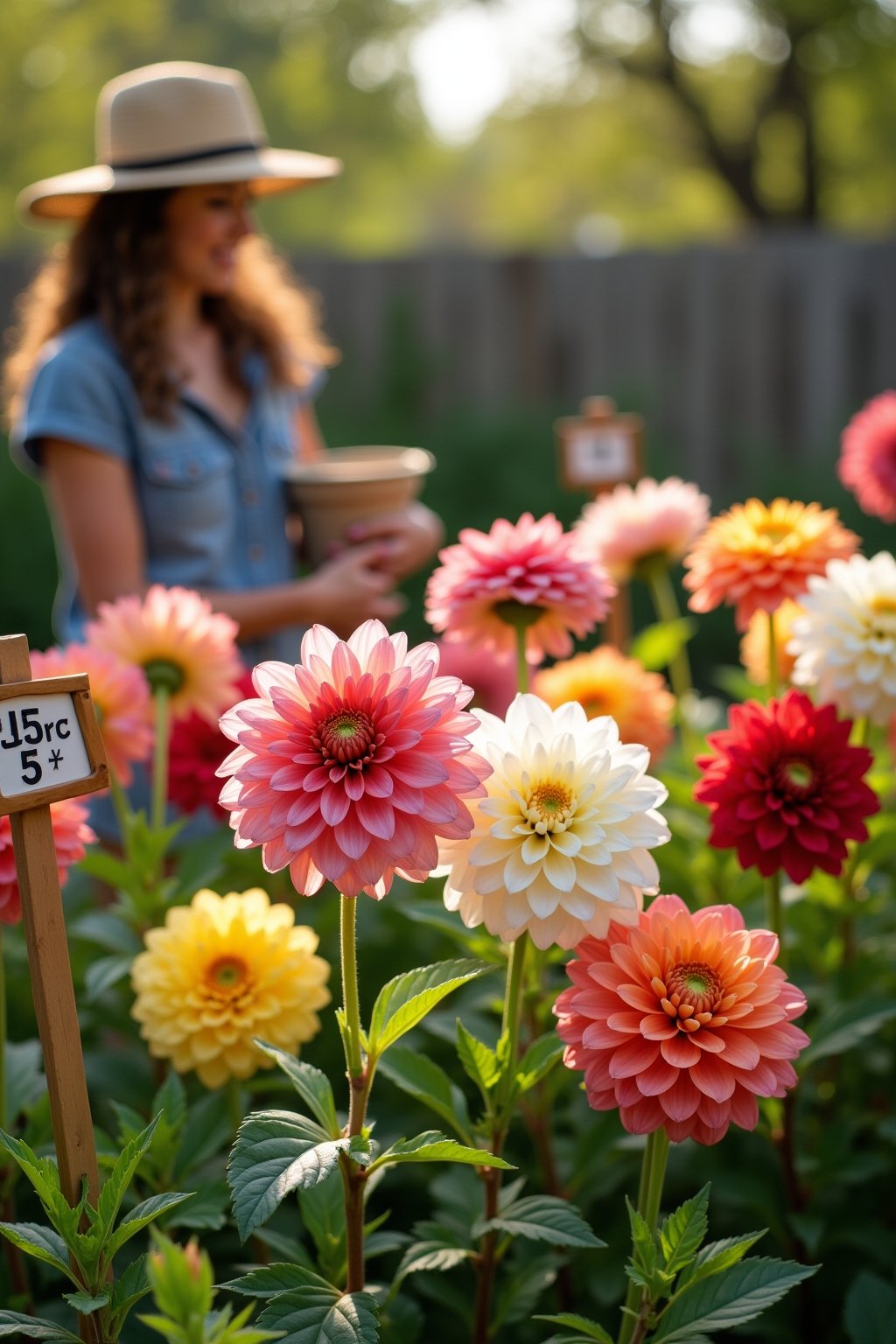
Planting dahlias at the wrong time is the fastest way to lose every single tuber you bought. Too early and the cold, wet soil rots them before they ever sprout. Too late and you run out of growing season before the first bloom appears. The tricky part is that the right planting window is completely different depending on where you live.
I learned this the hard way when I moved from zone 7 to zone 4 and planted my dahlias on the same May date that had always worked. Nothing came up. The soil was still 48 degrees and the tubers just sat there and rotted. This zone-by-zone guide gives you the exact planting windows, indoor start dates, and soil temperature targets so you never waste a tuber or miss a bloom.
Quick Facts
| Sun | Full Sun (6-8 hours minimum) |
| Difficulty | Beginner to Intermediate |
| Season | Plant after last frost when soil reaches 60°F |
| Zone | Zones 3-10 (timing varies by zone) |
| Time to Harvest | 8-12 weeks from planting to first blooms |
The Lineup
- Dahlia tubers (firm, with visible eyes on the crown)
- Soil thermometer (essential for timing)
- Potting mix and 6-inch pots (for indoor starting)
- Grow lights or bright south-facing window
- Garden fork and trowel
- Compost or aged manure
- Mulch (straw or shredded leaves)
- Stakes or dahlia support rings
- Watering can
- Plant labels and permanent marker
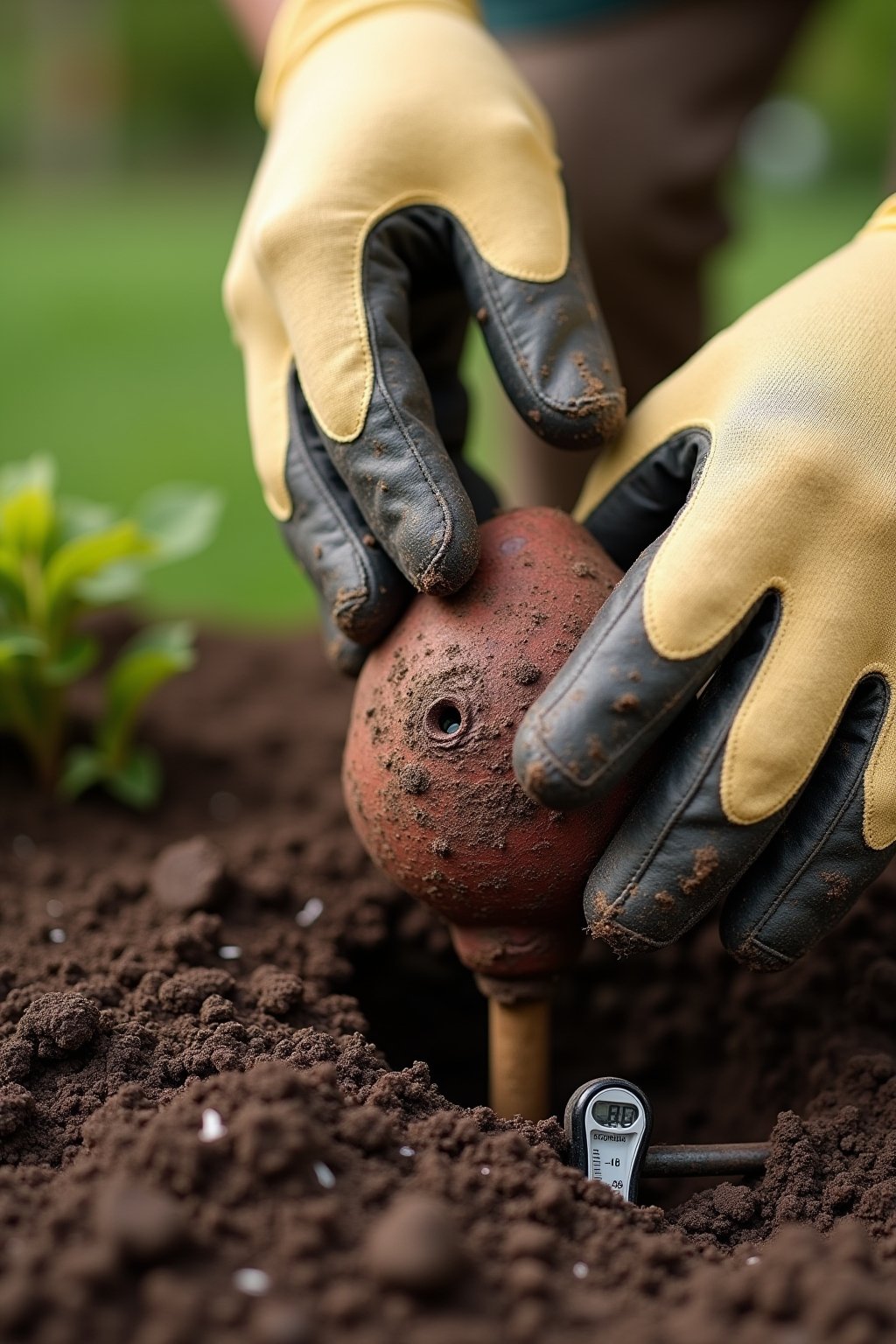
Soil thermometer is non-negotiable: A cheap probe thermometer from any garden center or hardware store tells you exactly when the soil is warm enough to plant. Measure 4 inches deep in the morning when the soil is coolest. You need a consistent 60°F (15°C) before planting tubers outdoors. Calendar dates are rough guides but soil temperature is the real answer.
Tuber quality check: Before planting, inspect every tuber. Look for at least one visible eye (a small pink or white bump near the crown where the tuber meets the old stem). Tubers without eyes will not grow. Discard any that are soft, mushy, or have a foul smell. A firm tuber with slight wrinkles is fine as long as the flesh inside is white and solid when you nick the skin.
Step 1: Find Your USDA Zone and Last Frost Date
Everything starts with your USDA hardiness zone and average last frost date. If you do not know yours, check the USDA Plant Hardiness Zone Map or enter your zip code on the Old Farmer’s Almanac frost date calculator. Your last frost date is the earliest you should even think about planting dahlias outdoors.
Keep in mind that the average last frost date is exactly that — an average. In a cold spring, your actual safe planting date might be two to three weeks later than the calendar suggests. Always check the 10-day forecast before committing tubers to the ground. A single late frost kills emerged dahlia shoots instantly.
Step 2: Zone 3-5 — Start Indoors for Best Results
Zone 3 (last frost late May to early June): Start tubers indoors in pots 6 to 8 weeks before your transplant date, around mid-March to early April. Outdoor planting happens in early to mid-June. With only 90 to 100 frost-free days, starting indoors is almost essential. Choose early-blooming varieties like Gallery, Mystic, or any variety that blooms in under 90 days.
Zone 4 (last frost mid to late May): Same indoor start schedule as zone 3. Outdoor planting by late May to early June. You get about 110 to 120 frost-free days, so indoor starting is strongly recommended but not absolutely mandatory for early varieties.
Zone 5 (last frost early to mid-May): Indoor starting is beneficial but optional. You can plant tubers directly outdoors around mid-May. With 130 to 140 frost-free days, most dahlia varieties have enough time to bloom even without a head start. This is one of the most popular dahlia-growing zones and nearly every variety performs well here.
Step 3: Zone 6-7 — Direct Plant With Confidence
Zone 6 (last frost mid-April to early May): Plant tubers directly outdoors in early to mid-May once soil hits 60°F. Indoor starting is optional and mainly useful if you want earlier blooms. With 150 to 160 frost-free days, you have plenty of time for even the largest dinner plate varieties to fully mature and bloom.
Zone 7 (last frost early to mid-April): Plant outdoors from mid to late April. This is an excellent dahlia zone with 170 to 180 frost-free days. The long season means even late-blooming varieties have time to produce spectacular displays. Some zone 7b gardeners leave tubers in the ground over winter with 4 to 6 inches of mulch, though digging is still the safer option in zone 7a.
Step 4: Zone 8-10 — Watch for Heat, Not Cold
Zone 8 (last frost mid-March to early April): Plant outdoors in late March to mid-April. With 200 or more frost-free days, there is no need to start indoors. Tubers can often overwinter in the ground with 3 to 4 inches of mulch. The challenge here is not cold but heat — dahlias may stop blooming when temperatures exceed 90°F consistently. They usually resume blooming in fall when temperatures drop.
Zone 9-10 (last frost mid-February or frost-free): Plant from late February to March for best results. Tubers reliably overwinter in the ground. Heat is your main enemy — provide morning sun and afternoon shade. In zone 10, dahlias may never go fully dormant, which can weaken them over time. Many growers in the warmest zones voluntarily dig and rest tubers for 2 to 3 months to simulate dormancy. Coastal zone 10 areas with mild temperatures can be exceptional for year-round dahlias.
Step 5: How to Start Tubers Indoors
Plant each tuber in a 6-inch pot with moist potting mix, 2 to 3 inches deep with the eye facing up. Keep pots at 60 to 70°F in a bright spot. Here is the critical rule: do not water until you see green growth emerging from the soil. This can take 2 to 5 weeks. Watering a dormant tuber before it sprouts is the number one cause of indoor rot.
Once sprouted, provide strong light — a south-facing window or grow lights for 12 to 14 hours daily. When the outdoor soil temperature reaches 60°F and all frost danger has passed, harden off your plants by moving them outdoors for increasing periods over 7 to 10 days. Start with 2 hours of filtered light and work up to full-day sun exposure before transplanting to their permanent spot.
Step 6: Plant at the Right Depth and Spacing
Plant tubers 4 to 6 inches deep with the eye pointing up. If you cannot tell which end is up, plant horizontally — the sprout will find its way. Space tubers 18 to 24 inches apart for standard varieties and 12 inches for compact types. Install your stake or support ring at planting time to avoid damaging roots later.
Do not water after planting until green shoots appear above the soil. This is counterintuitive but critical — the moisture already in the ground is enough. Adding extra water to a dormant tuber sitting in cool soil is an invitation for rot. Once you see 2 to 3 inches of green growth, begin watering regularly and deeply. Apply 2 to 3 inches of mulch to retain moisture and suppress weeds.
Reading the Signs
Tubers rotting before sprouting: Almost always caused by planting too early in cold, wet soil or watering before sprouts emerge. Wait for 60°F soil temperature and keep the soil barely moist until you see green growth. Avoid heavy clay soil that holds water around the tuber.
Sprouts emerging then dying back: A late frost likely killed the new shoots. Dahlia shoots have zero frost tolerance. Cover emerging plants with a bucket or frost cloth whenever overnight temperatures drop below 35°F. The tuber underground usually survives and sends up new shoots within a week or two.
Plants growing tall but not blooming: You either planted too late and ran out of season, or the variety needs more days to bloom than your frost-free window allows. In short-season zones, always start indoors and choose early-blooming varieties (under 90 days to bloom).
Indoor-started plants wilting after transplant: Transplant shock from skipping the hardening-off process. Always transition plants gradually over 7 to 10 days. Start with a few hours of filtered light and build up to full sun before planting in the garden.
A Seasonal Rhythm
Late Winter (February-March): Order tubers early — popular varieties sell out fast. Start tubers indoors in zones 3-5. Inspect stored tubers for rot or shriveling and discard any that are not viable.
Spring (April-May): Plant outdoors once soil reaches 60°F. This is the main planting window for zones 5-8. Harden off indoor-started plants before transplanting. Install stakes at planting time.
Summer (June-September): Dahlias are growing and blooming. Water deeply and regularly, fertilize every 3-4 weeks with low-nitrogen fertilizer (5-10-10), and deadhead spent flowers to encourage continuous blooming. Pinch the center shoot at 12 inches for bushier plants with more flowers.
Fall (October-November): After the first killing frost blackens the foliage, dig tubers in zones 3-7. Let them cure for 24-48 hours, then store in a cool, dark spot at 40-50°F. In zones 8-10, cut stems to 4 inches and mulch heavily for in-ground overwintering.
Practical Add-Ons
- Soil temperature beats calendar date every time — a cold spring can delay safe planting by 2-3 weeks past your average last frost date. Invest in a soil thermometer and check at 4-inch depth in the morning.
- Black plastic mulch warms soil faster in cold zones — lay black plastic over the bed 2-3 weeks before planting. It absorbs solar heat and can raise soil temperature by 5-8°F, giving you an earlier start.
- Never water a dormant tuber — the single most common mistake across all zones. The tuber has enough stored moisture and nutrients to sprout on its own. Water only after green growth appears above soil.
- Label everything with variety and planting date — write directly on the stake with permanent marker. By fall when you dig tubers, you will have no idea which is which if you skip this step.
- Afternoon shade helps in zones 8-10 — dahlias love sun but struggle when temperatures consistently exceed 90°F. Morning sun with afternoon shade produces the best results in hot climates.
- Start with small collections in your first year — plant 5-10 tubers of different varieties to learn which types thrive in your specific microclimate before investing in a larger collection.
Articles in the Same Theme
- Growing Dahlias for Beginners: How to Plant Tubers This Spring for Stunning Summer Blooms
- How to Prepare Your Garden Soil for Spring Planting (Step-by-Step)
- How to Start Seeds Indoors Under Lights (Step-by-Step)
Common Questions
What happens if I plant dahlias too early?
The tubers sit in cold, wet soil and rot before they ever sprout. Soil below 60 degrees Fahrenheit is too cold for dahlia root development, and the combination of cold and moisture creates ideal conditions for fungal rot. Waiting an extra week or two is always safer than planting too early.
Can I plant dahlia tubers directly outdoors in zone 3?
You can, but results are much better if you start them indoors first. Zone 3 has only about 90 frost-free days, and many dahlia varieties need 90-120 days to bloom. Starting indoors 6-8 weeks before your transplant date gives the plants a critical head start so they actually have time to flower before fall frost.
How do I know when the soil is warm enough?
Use a soil thermometer inserted 4 inches deep in the morning when the ground is coolest. You need a consistent reading of 60 degrees Fahrenheit or above for several days in a row. Other signs include lilacs blooming, tomato transplants going out, and active weed growth in garden beds.
Should I water dahlia tubers right after planting?
No. This is the most common mistake new dahlia growers make. The tuber has enough stored moisture and nutrients to sprout on its own. Do not water until you see green growth 2-3 inches above the soil line, which typically takes 2-5 weeks. Watering a dormant tuber encourages rot.
What is the best dahlia variety for short growing seasons?
Look for compact and early-blooming varieties like the Gallery series, Mystic series, or Bishop varieties. These bloom in under 90 days and grow only 12-24 inches tall, making them perfect for zones 3-5 where the frost-free window is tight. Avoid dinner plate varieties in short-season zones unless you start indoors.
Can dahlias survive winter in the ground in zone 7?
Sometimes. In zone 7b with well-drained soil and 4-6 inches of heavy mulch, many gardeners report success leaving tubers in the ground over winter. In zone 7a the risk is higher. The critical factor is drainage — wet soil kills tubers faster than cold. Digging and storing is always the safer option in zone 7.