
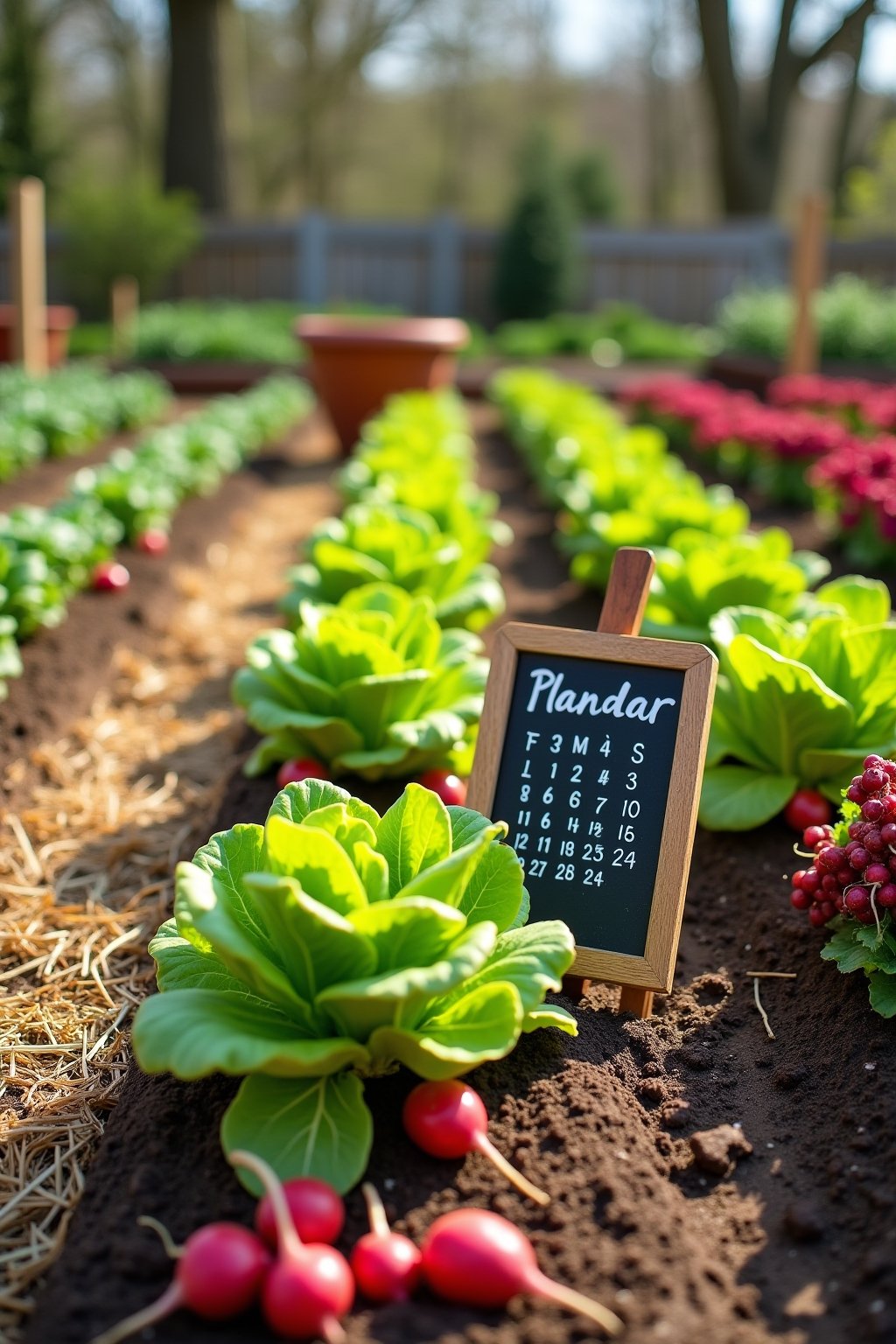
The first year I grew lettuce, I planted forty seedlings on the same Saturday in April. Three weeks later I had more salad than my entire street could eat. Two weeks after that, every single head had bolted and turned bitter in the heat. I had gone from drowning in lettuce to having none at all — and the growing season was barely half over.
That experience taught me the most important lesson in vegetable gardening: timing is not just about when you plant, it is about when you plant again. Succession planting is the simple practice of sowing small batches of the same crop every two to three weeks so you get a steady, manageable harvest instead of one overwhelming glut followed by empty beds. Once you understand the concept, you will wonder how you ever gardened without it.
Quick Facts
| Sun | Full Sun (6-8 hours) |
| Difficulty | Beginner |
| Season | Spring through Fall |
| Zone | All USDA Zones (adjust timing to your frost dates) |
| Time to Harvest | Varies by crop (21-75 days per succession) |
Pull Out
- Seeds for fast-maturing crops (lettuce, radishes, beans, spinach, cilantro)
- Garden calendar or planting journal
- Seed starting trays (optional, for getting a head start indoors)
- Seed starting mix
- Row cover fabric (for extending the season on both ends)
- Mulch (straw, shredded leaves)
- Watering can or drip irrigation
- Plant labels and markers
- Compost for refreshing beds between plantings
- Shade cloth (for summer successions of cool-season crops)
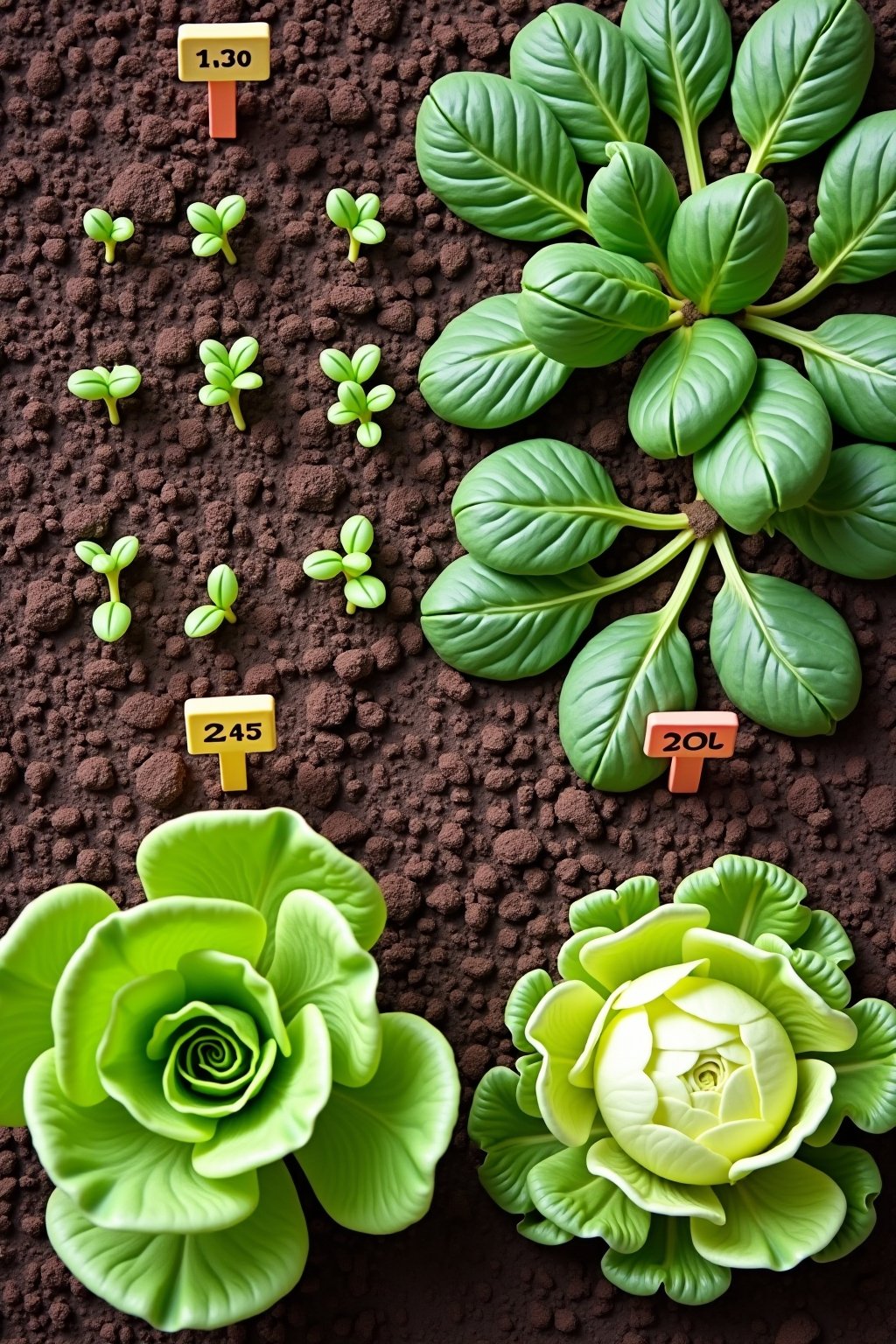
The beauty of succession planting is that it does not require any special equipment — just seeds, soil, and a plan. The most important tool is a garden calendar where you mark your sowing dates every two to three weeks. Choose fast-maturing varieties whenever possible — a lettuce that matures in 30 days gives you far more successions than one that takes 60. Row covers and shade cloth are the two accessories that extend your season dramatically: row covers protect early and late plantings from frost, while shade cloth keeps cool-season crops from bolting in summer heat.
Step 1: Choose Crops That Respond Well to Succession Planting
Not every vegetable benefits from succession planting. The best candidates are fast-maturing crops that you harvest all at once rather than over time. Lettuce, spinach, radishes, arugula, cilantro, bush beans, and peas are perfect. These crops go from seed to harvest in 21 to 60 days, which means you can fit many rounds into a single growing season.
Crops like tomatoes, peppers, and squash are poor candidates because they produce continuously once they start bearing. You only need one planting of those — succession planting would just waste garden space. Carrots, beets, and turnips fall in the middle: they benefit from 2-3 successions but not weekly sowings.
Step 2: Calculate Your Planting Windows
Start with your last spring frost date and first fall frost date. The gap between them is your growing season. Now look at the days to maturity for your chosen crops and count backwards from each frost date to figure out your first and last possible sowing dates.
For example, if your last frost is April 15 and lettuce takes 30 days, you can direct sow lettuce starting around April 1 (with row cover protection). If your first fall frost is October 15, your last lettuce sowing should be around September 15. Between those dates, plant a new round every 2-3 weeks. Write every sowing date on your calendar before the season starts so you do not forget mid-summer rounds.
Step 3: Stagger Your First Spring Plantings
In early spring, plant your first succession of cool-season crops as soon as the soil can be worked — usually 4-6 weeks before your last frost date. Start with radishes, spinach, peas, and arugula, which tolerate cold soil and light frosts. Two weeks later, sow the second round in a different spot or the next section of the same bed.
Staggering your first plantings by just two weeks makes a dramatic difference. Instead of harvesting everything in one overwhelming week, you get a steady flow of fresh vegetables over a month or more. Use row covers on your earliest plantings to protect them from late cold snaps and speed up germination in cool soil.
Step 4: Bridge the Gap Between Cool and Warm Seasons
The trickiest part of succession planting is the transition from cool-season to warm-season crops in late spring and early summer. As your spring lettuce and spinach bolt in the heat, you need warm-season successors ready to take their place. Start bush bean and cucumber seeds indoors 2-3 weeks before you pull out the last spring crops.
You can also extend cool-season harvests into early summer by using shade cloth (30-50 percent shade rating) draped over hoops above lettuce and spinach beds. This can buy you an extra 2-3 weeks before they bolt. Meanwhile, keep sowing heat-tolerant crops like beans, summer squash, and basil every 3 weeks through midsummer.
Step 5: Refresh Your Beds Between Plantings
Each time you clear a spent crop, take five minutes to refresh the soil before planting the next round. Pull all old plant material, loosen the top few inches of soil with a hand fork, and work in a 1-inch layer of compost. This replenishes nutrients that the previous crop used and keeps the soil structure loose for new roots.
Avoid leaving beds empty between successions. Bare soil loses moisture quickly, grows weeds, and bakes in the sun. If you have a gap of more than a week between pulling one crop and planting the next, lay down a thin layer of straw mulch to protect the soil until you are ready to sow again.
Step 6: Plan Your Fall Successions
Fall is the secret weapon of succession planting. As summer crops wind down in August and September, you can sow a new round of all those cool-season favorites: lettuce, spinach, radishes, kale, and peas. These crops actually taste sweeter after a light frost because cold temperatures trigger them to produce extra sugars.
Count backwards from your first fall frost date to figure out your last sowing dates. Start fall successions about 8-10 weeks before the first frost for most crops. Use row covers to extend the harvest well past the first frost — many gardeners harvest fresh lettuce and kale into November and December with nothing more than a simple fabric cover.
Reading the Signs
Everything ripens at the same time: You probably planted too many seeds on the same date. Next time, plant smaller batches every 2-3 weeks. Mark sowing dates on your calendar in advance so you stick to the schedule even when life gets busy.
Seeds will not germinate in summer heat: Many cool-season crops refuse to germinate when soil temperatures exceed 80°F. Start summer successions of lettuce and spinach indoors in a cool spot and transplant seedlings into shaded garden beds. Alternatively, use shade cloth and pre-soak seeds overnight before sowing.
Fall plantings grow too slowly: Shortening daylight in fall slows plant growth significantly. Choose the fastest-maturing varieties for fall plantings and start them earlier than you think — mid-August is often the right time for crops that need 60 days to maturity before hard frost arrives.
Beds are too full for new successions: If your garden is packed, try interplanting fast crops between slow ones. Sow radishes between tomato transplants — the radishes will be harvested before the tomatoes need the space.
Timing Across the Year
Here is a succession planting schedule for common vegetables:
| Crop | Start | Interval | Last Sowing |
|---|---|---|---|
| Lettuce | 4 weeks before last frost | Every 2 weeks | 8 weeks before first fall frost |
| Radishes | 4 weeks before last frost | Every 10 days | 4 weeks before first fall frost |
| Spinach | 6 weeks before last frost | Every 3 weeks | 6 weeks before first fall frost |
| Bush beans | After last frost | Every 3 weeks | 8 weeks before first fall frost |
| Cilantro | 2 weeks before last frost | Every 2 weeks | 6 weeks before first fall frost |
| Peas | 6 weeks before last frost | Every 2 weeks (spring only) | 10 weeks before first fall frost |
| Carrots | 2 weeks before last frost | Every 3-4 weeks | 10 weeks before first fall frost |
Adjust all dates based on your specific USDA zone and local frost dates. Keep a garden journal each year and note what worked — your schedule will get better with experience.
Useful Adjustments
- Plant half as much twice as often — This is the golden rule of succession planting. If you normally plant 20 lettuce seeds, plant 10 now and 10 in two weeks. You will have fresh lettuce twice as long with zero extra effort.
- Use days to maturity as your guide — The number on the seed packet tells you how many days from sowing (or transplant) to harvest. Divide your growing season by this number to find how many successions you can fit.
- Start fall successions in midsummer — Most gardeners forget about fall planting until it is too late. Set a calendar reminder for mid-July to start sowing cool-season crops for a fall harvest.
- Interplant to save space — Sow fast radishes between slow-growing broccoli or carrots. The radishes harvest in 25 days, long before the main crop needs the space.
- Keep a seed starting station running all season — A simple tray on a bright windowsill lets you start the next succession indoors while the current one is still growing in the garden.
- Label every planting with the sow date — When you have four successions of the same crop, labels are the only way to track which batch is which and when each one should be harvested.
Keep Going
Quick Answers
What vegetables are best for succession planting?
The best crops for succession planting are fast-maturing vegetables that you harvest all at once: lettuce, radishes, spinach, arugula, cilantro, bush beans, and peas. Root crops like carrots and beets also benefit from 2-3 successions per season. Avoid succession planting with long-season crops like tomatoes and peppers that produce continuously from a single planting.
How often should I succession plant lettuce?
Plant a new batch of lettuce every 2 weeks from early spring through late summer. This gives you continuous fresh lettuce for 4-5 months. In summer heat, use shade cloth or start seeds indoors to prevent bolting. Resume outdoor sowing in late summer for a fall harvest.
Can I succession plant in raised beds?
Absolutely. Raised beds are actually ideal for succession planting because the soil warms up faster in spring, drains better, and is easy to amend between plantings. Divide your raised bed into sections and rotate through them so each section gets replanted every few weeks.
What is the difference between succession planting and relay planting?
Succession planting means planting the same crop multiple times at intervals for a continuous harvest. Relay planting (or interplanting) means planting a new crop in between or alongside a maturing crop, so the second crop takes over as the first finishes. Both techniques maximize your harvest, and many gardeners use them together.
How do I succession plant if I have a short growing season?
Focus on the fastest-maturing varieties (look for 30-day lettuce, 25-day radishes, 50-day bush beans). Use row covers to start 2-3 weeks earlier in spring and extend 2-3 weeks later in fall. Start seedlings indoors for transplanting instead of direct sowing. Even a 90-day season can fit 3-4 successions of fast crops.
Do I need to add fertilizer between successions?
Yes, but it does not have to be complicated. Work a 1-inch layer of compost into the top few inches of soil each time you clear a spent crop and replant. This replenishes nutrients and keeps the soil biologically active. A light application of balanced organic fertilizer every other succession is also helpful for heavy feeders.