
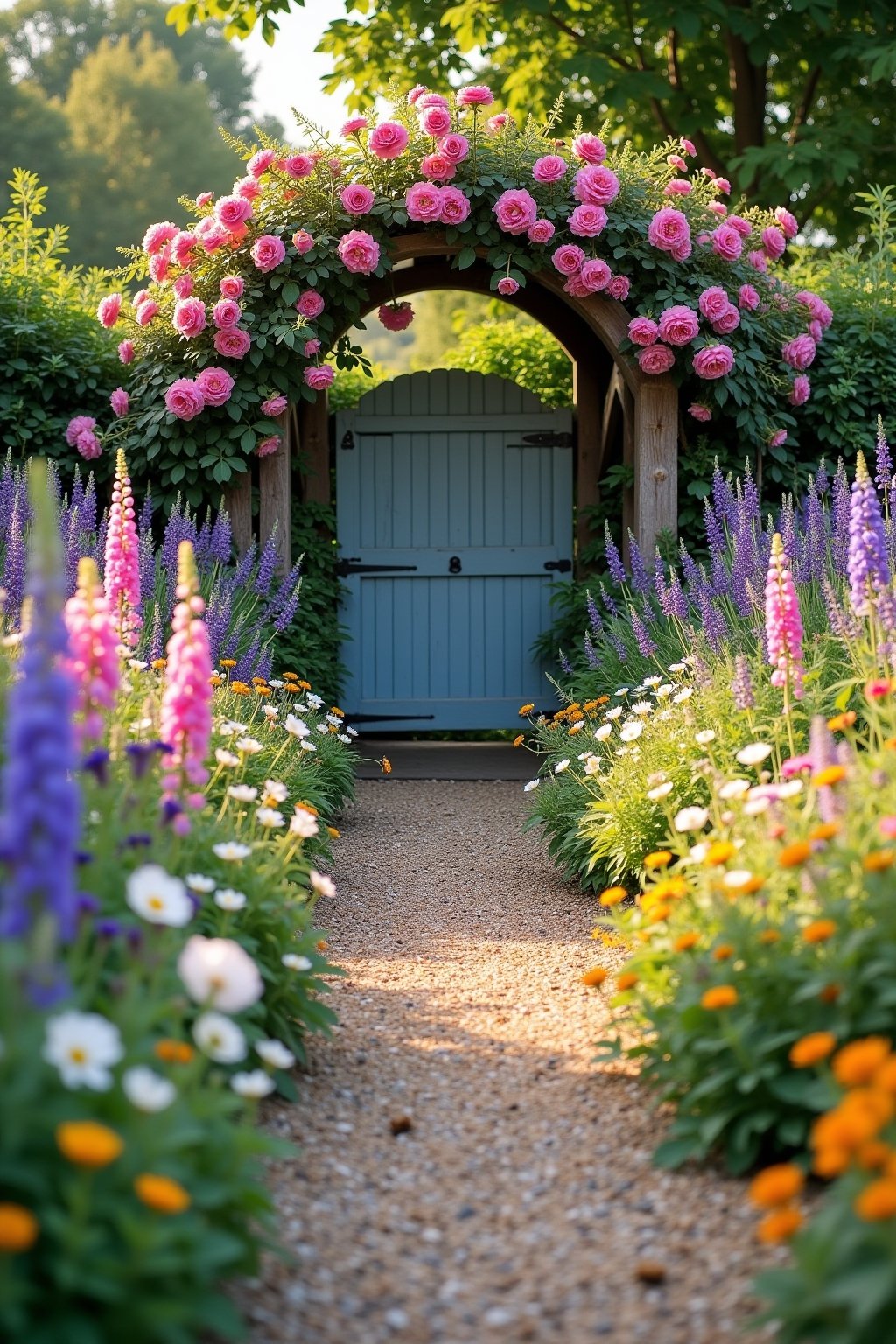
A cottage garden is the kind of garden that looks like it has been there forever — overflowing with flowers, slightly wild, impossibly romantic, and full of happy surprises around every corner. It is the antidote to rigid, perfectly manicured landscaping, and I genuinely believe it is the most joyful style of garden you can create. I fell in love with cottage gardening on a trip to the English countryside, and I have been recreating that feeling in my own yard ever since.
The irony of cottage gardens is that all that effortless abundance actually takes some planning to achieve. The ‘wild’ look comes from understanding layered planting, choosing the right mix of plants, and knowing how to create structure within the chaos. The good news is that cottage gardens are incredibly forgiving — they thrive on imperfection, and a few ‘mistakes’ just add to the charm. This guide will walk you through creating a cottage garden from a completely blank slate this spring, even if you have never grown anything more romantic than a tomato plant.
Quick Facts
| Sun | Full Sun to Partial Shade |
| Difficulty | Beginner to Intermediate |
| Season | Spring (best planting time) |
| Zone | USDA Zones 3-9 (plant selection varies) |
| Time to Harvest | N/A (ornamental, though many cottage plants are edible) |
What You’ll Need
- Perennial plants: roses, lavender, delphiniums, peonies, foxglove, catmint
- Annual seeds: cosmos, sweet peas, zinnias, sunflowers, nasturtiums
- Biennial seeds or plants: hollyhocks, foxglove, sweet William
- Climbing plants: clematis, climbing roses, or honeysuckle
- Compost and aged manure for soil amendment
- Mulch (shredded bark or leaf mold)
- Garden arch or trellis (wood or metal)
- Stepping stones or informal pathway materials
- Edging materials: low boxwood, lavender, or catmint
- Support stakes and twine for tall perennials
The beauty of a cottage garden is that it does not require expensive hardscape — the plants are the star. Your biggest investment should be in perennial plants that come back year after year: roses, peonies, lavender, and catmint are the backbone. Fill the gaps cheaply with annual seeds — cosmos, zinnias, and sweet peas cost almost nothing and provide spectacular first-year color while your perennials establish. Every cottage garden needs at least one vertical element: a garden arch with climbing roses, a trellis with clematis, or a rustic obelisk for sweet peas. This adds the height and romance that defines the style. For pathways, informal stepping stones set into gravel or grass work perfectly — avoid anything too modern or geometric.
Step 1: Choose Your Location and Define the Borders
Cottage gardens look best when they have a clear boundary and entry point. A picket fence, low stone wall, or even a clipped hedge of boxwood or lavender defines where the garden begins and gives all that abundance something to spill over. Choose an area that gets at least 6 hours of sun — most classic cottage plants are sun lovers. The garden can be any size, from a small 4×8-foot bed to an entire front yard. Start with a manageable size you can maintain; you can always expand later. Use a garden hose laid on the ground to experiment with curved borders — cottage gardens look best with gentle curves rather than rigid straight lines. Mark your borders with landscape spray paint or flour once you are happy with the shape.
Step 2: Create the Structure — Paths, Arches, and Focal Points
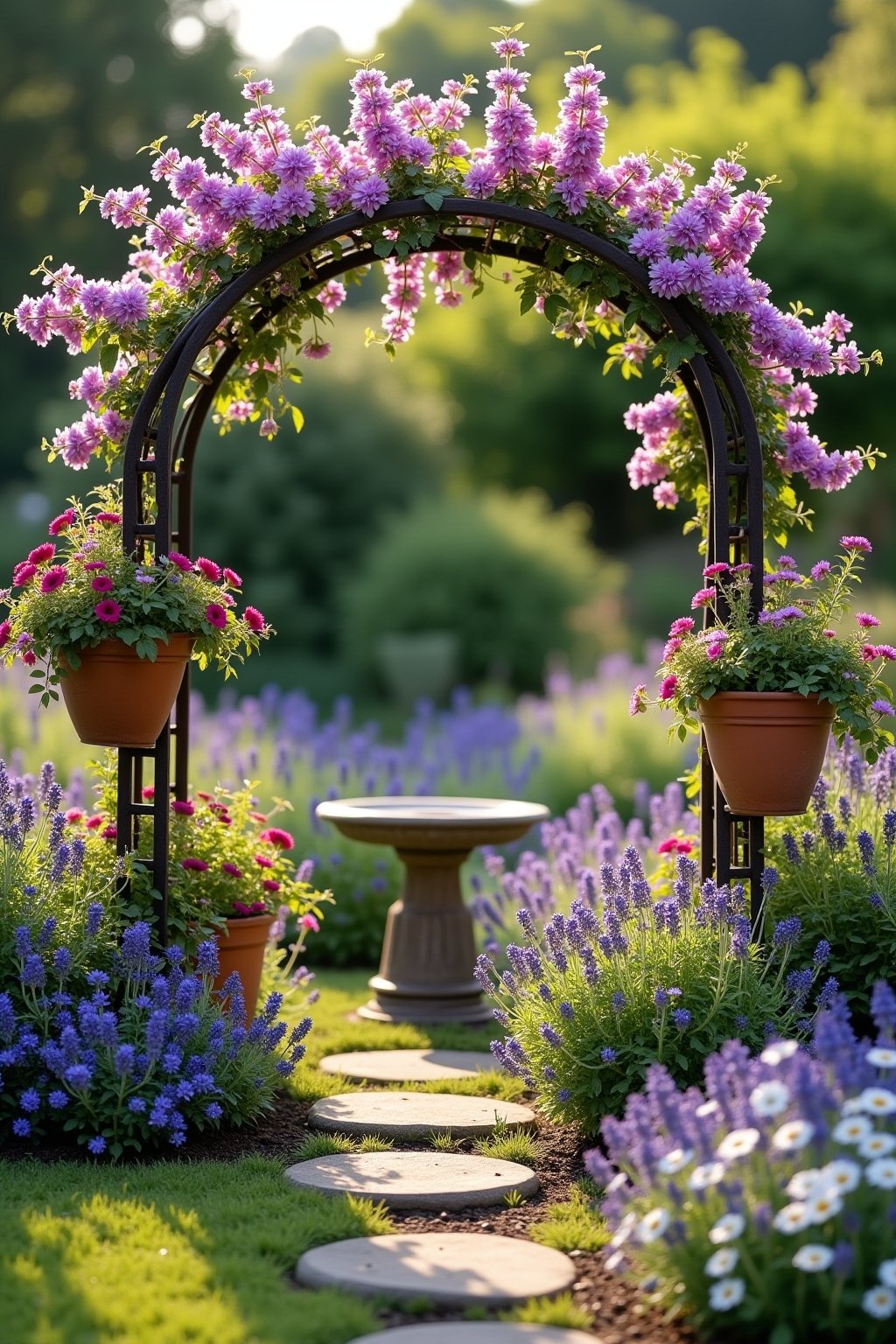
Before planting a single flower, set up the structural elements that give a cottage garden its charm. Every cottage garden needs a pathway. An informal gravel path or stepping stones winding through the beds invites you to stroll and explore. Place a garden arch at the entrance or along the path — this is the single most transformative element. A simple metal or wooden arch covered in climbing roses or clematis creates the iconic cottage garden moment. Add at least one focal point: a vintage birdbath, a rustic bench, a sundial, or an ornamental obelisk. These anchor the eye and provide visual rest amid the abundance of flowers. If you have a wall or fence, plan to cover it with climbing plants — bare vertical surfaces are missed opportunities in a cottage garden.
Step 3: Prepare the Soil Generously
Cottage gardens are packed with plants competing for nutrients and water, so rich, well-amended soil is essential. Remove any existing sod or weeds. Work 4-6 inches of compost or aged manure into the top 12 inches of soil — this is more amendment than most gardens need, but the dense planting style demands it. If your soil is heavy clay, also add some coarse sand or perlite to improve drainage. If it is very sandy, extra compost is your best friend. The goal is soil that is loose, dark, crumbly, and moisture-retentive but not waterlogged. This is a one-time investment that pays off for years, so do not skimp on the compost. A cottage garden planted in poor soil will look sparse and sad rather than lush and full.
Step 4: Plan Your Planting in Three Layers
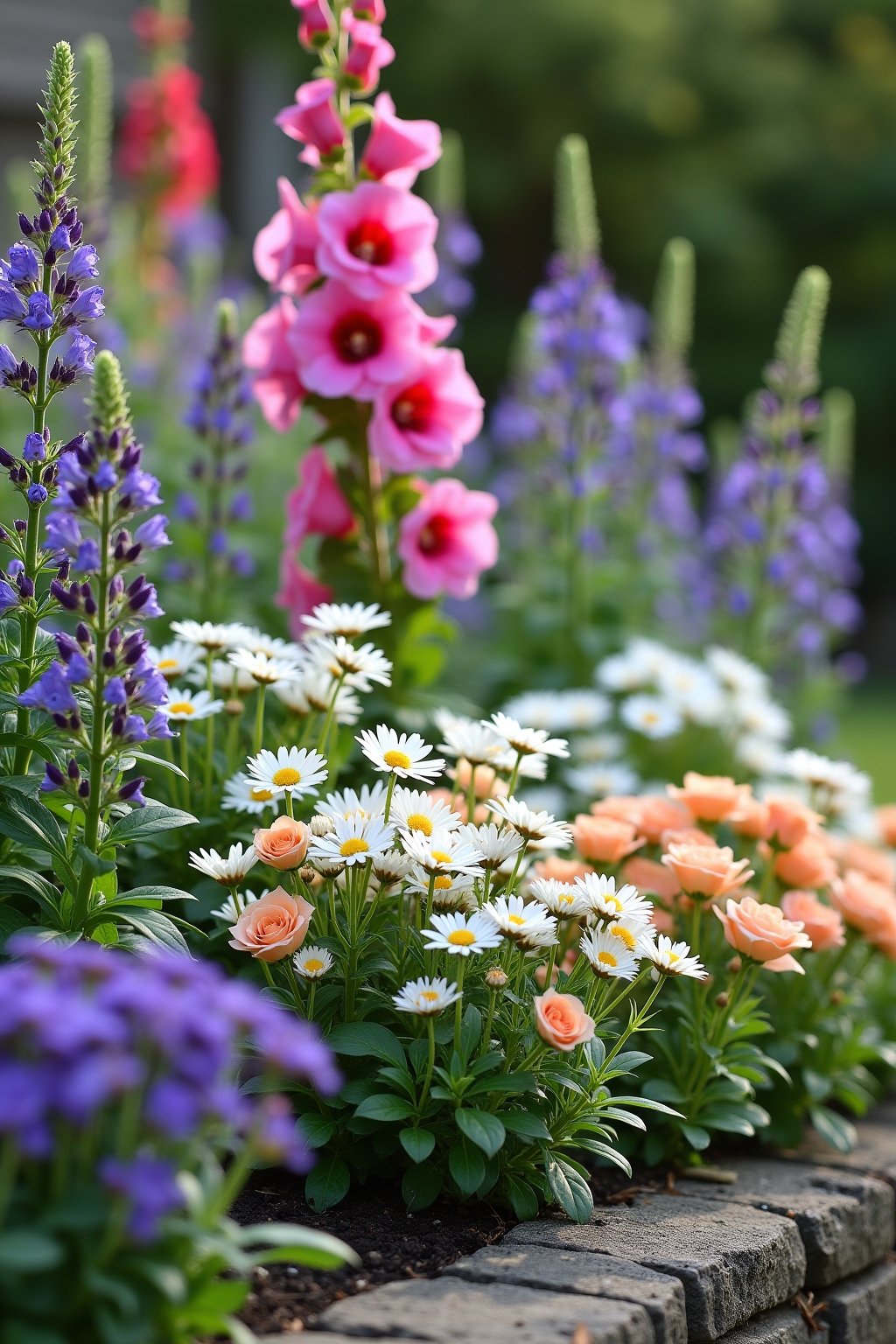
The secret to the overflowing, abundant look of a cottage garden is layered planting — tall plants in the back, medium in the middle, and low spillers in the front, with no bare soil visible.
Back layer (3-6 feet tall): Hollyhocks, delphiniums, foxglove, tall phlox, Joe Pye weed, climbing roses on arches, and tall ornamental grasses.
Middle layer (1-3 feet): Roses (shrub types), peonies, lavender, echinacea, black-eyed Susans, salvia, bee balm, yarrow, and Shasta daisies.
Front layer and spillers (under 1 foot): Catmint, alchemilla (lady’s mantle), creeping thyme, low geraniums, sweet alyssum, violas, and dianthus.
Plant in drifts of 3-5 of the same plant rather than single specimens — this creates a natural, flowing look rather than a polka-dot effect. Repeat key plants throughout the garden for rhythm and cohesion. Catmint along every edge, roses at regular intervals, and one consistent color running through the design ties everything together.
Step 5: Choose a Color Palette (Yes, Even for a ‘Wild’ Garden)
The most beautiful cottage gardens are not random — they follow a loose color palette that gives all that abundance a sense of harmony. Classic cottage garden palettes include:
Romantic pastels: Pink roses, purple lavender, blue delphiniums, white peonies, and soft yellow foxglove. This is the most traditional and always looks gorgeous.
Hot and vibrant: Red roses, orange zinnias, deep purple salvia, yellow rudbeckia, and magenta cosmos. Bold and joyful.
Cool blues and purples: Lavender, catmint, blue salvia, purple clematis, white Shasta daisies, and silver lamb’s ear. Serene and elegant.
Sunset warmth: Peach roses, apricot foxglove, golden yarrow, bronze fennel, and warm-toned dahlias.
Pick one palette and stick to it, with white flowers as the unifier — white works with every color scheme and makes the garden glow in evening light.
Step 6: Plant Your Perennial Backbone First
Start by placing your perennials, which are the long-term structure of your cottage garden. These include roses, peonies, lavender, catmint, echinacea, delphiniums, and ornamental grasses. Lay the pots out on the soil surface before digging any holes — this lets you see the spacing and make adjustments. Plant perennials slightly closer together than the tag suggests for a cottage garden — the goal is fullness, not perfect spacing. Where the tag says 18 inches apart, try 14-15 inches. Roses should be the most prominent feature. Shrub roses like ‘David Austin’ varieties are the quintessential cottage garden roses — they bloom repeatedly, have old-fashioned flower forms, and are far tougher than they look. Plant climbing roses or clematis at the base of your arch or trellis. Water everything in deeply after planting.
Step 7: Fill Every Gap With Annual Seeds and Biennials
Perennials take 1-2 years to fill in fully, so your first-year cottage garden needs annuals to bridge the gap. Direct-sow these easy annual seeds in every bare spot: cosmos, zinnias, sweet peas, calendula, larkspur, love-in-a-mist (nigella), and sunflowers. Scatter the seeds generously — a thin scattering looks sparse while a generous one looks lush. Also sow biennial seeds this spring for flowers next year: hollyhocks, foxglove, and sweet William are essential cottage garden plants that take two years from seed to bloom. For instant impact, buy a few six-packs of annual transplants from the garden center: snapdragons, stock, and dahlias are classic cottage choices. The annuals will put on a show this year, the biennials will bloom next year, and by year two your perennials will be established — layer by layer, the garden fills in.
Step 8: Add the Finishing Touches That Make It Magical
The difference between a nice flower garden and a true cottage garden is in the details and accessories. Let plants spill over edges — catmint and lady’s mantle softening a pathway, roses arching over a gate, sweet peas scrambling up an unexpected support. Controlled messiness is the goal. Add fragrant plants near walkways and seating areas: lavender, roses, sweet peas, jasmine, and herbs like rosemary and thyme. A cottage garden should smell as good as it looks. Include a few edible plants mixed in — this is historically authentic, as original cottage gardens were working gardens. Strawberries as ground cover, herbs as edging, and a few scattered vegetable plants (artichokes, rainbow chard, purple cabbage) add texture and function. Finally, let some plants self-seed. Foxglove, hollyhocks, cosmos, nigella, and calendula all self-sow freely, and next year’s seedlings popping up in unexpected places is exactly the delightful surprise a cottage garden should provide.
Reading the Signs
Garden looks sparse the first year: This is completely normal. Perennials take 1-2 years to reach full size. Fill gaps aggressively with annual seeds and transplants in the first and second year. By the third spring, most cottage gardens hit their stride and start looking properly lush.
Plants flopping over: Tall plants like delphiniums, hollyhocks, and tall phlox need staking. Use grow-through supports (wire grids on legs) installed early in the season so plants grow through them naturally. For a more cottage-appropriate solution, let neighboring plants lean on each other — this is part of the charm, and planting closely helps plants support their neighbors.
Color clashes: If your garden looks chaotic rather than charming, you probably have too many competing colors. Add more white flowers (white cosmos, white phlox, Shasta daisies) — white calms down any color scheme. Also increase the green foliage between blooming plants with ornamental grasses or ferns.
Weeds taking over: In a cottage garden, dense planting is the best weed suppression. But in the early years when plants are small, apply 2-3 inches of mulch between plants and hand-weed regularly. Once the garden fills in, the plants themselves shade out most weeds.
Powdery mildew on roses or phlox: Ensure good air circulation by not overcrowding beyond reason, water at the base rather than overhead, and choose disease-resistant varieties. Prune out any heavily affected stems promptly.
Year-Round Care
Here is a year-round guide to building and maintaining your cottage garden:
| Month | Task |
|---|---|
| February-March | Plan your layout and color palette. Order seeds and plants. Start sweet peas and larkspur indoors 6-8 weeks before last frost. Prepare and amend soil as soon as it is workable. |
| April | Plant perennials, shrub roses, and climbing plants. Install arches, trellises, and pathway materials. Direct-sow hardy annuals (calendula, nigella, larkspur) if frost is past. |
| May | Direct-sow tender annuals (cosmos, zinnias, sunflowers) after last frost. Set out annual transplants. Mulch all bare soil. Begin watering schedule. |
| June-July | Deadhead spent flowers to encourage reblooming. Stake tall perennials as they grow. Water deeply during dry spells. Sow biennial seeds for next year’s flowers. |
| August-September | Continue deadheading. Take cuttings of favorite plants to propagate. Save seeds from open-pollinated annuals. Plant fall-blooming bulbs (autumn crocus, colchicum). |
| October-November | Plant spring bulbs (tulips, daffodils, alliums) throughout the garden. Cut back spent perennials or leave seed heads for winter interest and birds. Apply a fresh layer of compost as mulch. |
| December-January | Review the year’s photos and plan improvements. Order seeds from catalogs. Dream and sketch — this is when next year’s garden takes shape. |
Helpful Pointers
- Plant in odd-numbered drifts — Groups of 3, 5, or 7 of the same plant look natural and flowing. A single specimen of everything creates a disconnected, polka-dot effect that never looks cottagelike.
- Include something blooming in every season — Spring bulbs give way to early summer roses and foxglove, then mid-summer delphiniums and phlox, then late summer dahlias and asters. Layer bloom times so there is never a gap.
- Let imperfection be part of the charm — A cottage garden should look generous, slightly untamed, and lived-in. Deadhead for reblooming, but do not obsess over every spent petal or leaning stem. The casual look is the whole point.
- Use repetition to create unity — Pick one edging plant (catmint is perfect) and use it along every border. Repeat one rose variety throughout the garden. This creates cohesion without rigidity.
- Invest in David Austin roses — Their old-fashioned, many-petaled blooms are the heart of the cottage garden look. ‘Gertrude Jekyll,’ ‘Olivia Rose Austin,’ and ‘The Generous Gardener’ are all exceptional performers with incredible fragrance.
- Add spring bulbs in fall for early magic — Tulips, daffodils, alliums, and grape hyacinths planted among perennials give the garden color weeks before anything else wakes up. Plant them deeply so perennials can grow over them.
Frequently Asked Questions
How long does it take for a cottage garden to look full?
Most cottage gardens start looking genuinely full and lush by the second or third year. Perennials need 1-2 years to reach mature size, roses need 2-3 years, and self-seeding annuals spread more each season. Fill gaps with annual seeds in the early years for instant color while the permanent plants establish.
Can you create a cottage garden in a small space?
Absolutely. Some of the most charming cottage gardens are tiny — even a 4×8-foot bed can look wonderful with layered planting. Focus on a few key plants (one climbing rose on a small obelisk, catmint edging, a drift of cosmos, and some lavender), pack them in closely, and the small space will feel abundant. Container groupings by a front door can also create a cottage garden feel.
What are the must-have plants for a cottage garden?
The essential cottage garden plants are roses (especially David Austin or old garden varieties), lavender, foxglove, delphiniums, catmint, peonies, hollyhocks, sweet peas, and cosmos. Add Shasta daisies, echinacea, and clematis on an arch for a complete look. These plants give you the classic cottage garden silhouette and romantic colors.
Is a cottage garden high maintenance?
It is moderate maintenance — less than a formal garden but more than a wildflower meadow. The main tasks are deadheading for continued blooming, staking tall plants, watering during dry spells, and seasonal pruning of roses and perennials. Once established (year 3+), a cottage garden largely takes care of itself through self-seeding and naturalized plantings. Plan on 2-3 hours per week during peak growing season.
Can you have a cottage garden in shade?
You can create a cottage-style garden in partial shade, but you will need to adjust your plant choices. Use shade-loving plants like foxglove, astilbe, hostas, bleeding heart, hellebores, ferns, and hydrangeas instead of sun-loving roses and lavender. The layered, abundant planting style works in shade — you just use different plants to achieve it.
How do you prevent a cottage garden from looking messy?
The key is structure within the abundance. Use a clear boundary (fence, hedge, or edge), a defined pathway, and repeat one or two plants throughout for cohesion. Deadhead regularly, stake tall plants, and keep pathways tidy. A cottage garden should look generous and slightly wild, not neglected. The difference is intentional abundance versus actual mess.