
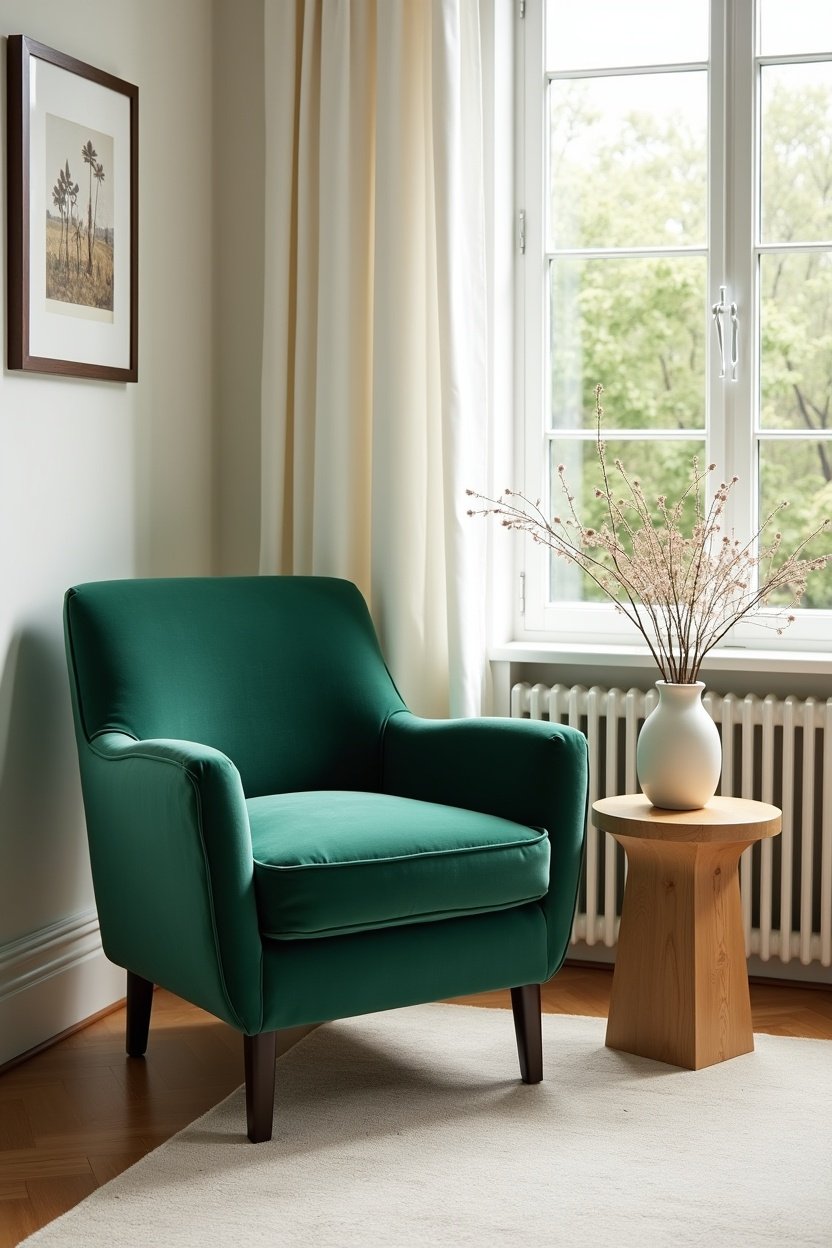
Why the Right Accent Chair Changes Everything
An accent chair is one of the few pieces of furniture that can completely transform a room without requiring you to move anything else. It adds color, texture, personality, and — most importantly — a place to sit that isn’t the sofa. Whether you tuck one into a bedroom corner, pull it up to a living room conversation area, or use it to anchor a reading nook, the right accent chair makes a room feel finished in a way that nothing else quite can.
But choosing the wrong one? That’s how you end up with an expensive piece of furniture that looks awkward, feels uncomfortable, and eventually gets piled with laundry. The key is understanding how to match a chair’s style, scale, and function to your specific room — and that’s exactly what this guide will help you do.
Start With the Room’s Purpose
Before you even think about color or style, ask yourself one question: what will this chair actually be used for? The answer determines almost everything about your choice.
In a living room, an accent chair typically serves as extra seating for conversations and entertaining. It needs to be comfortable enough for extended sitting and positioned at a height that works with your sofa and coffee table. A Mid-Century Modern Upholstered Accent Chair with a supportive back and armrests is ideal here — it’s stylish enough to stand on its own but comfortable enough for movie nights.
In a bedroom, the chair is usually a personal retreat — a place to read, put on shoes, or just have a quiet moment. Here you can go softer and more enveloping. A Velvet Wingback Chair with Ottoman creates an instant cozy corner that feels like a private sanctuary.
In an entryway or hallway, the chair is often more decorative than functional. It might get used for tying shoes or setting down bags, but it’s primarily a style statement. A sculptural chair with clean lines works beautifully here, even if it’s not the most comfortable seat in the house.
How to Get the Scale Right Every Time
Scale is where most people go wrong with accent chairs. A chair that’s too large overwhelms a small room. One that’s too small gets lost in a large space. And one that’s the wrong height next to your sofa creates an awkward visual mismatch that’s hard to ignore.
Here’s the rule: measure your space before you shop. Seriously. Measure the exact spot where the chair will go, including clearance for walking paths (leave at least 30 inches for comfortable foot traffic). Then compare those measurements to any chair you’re considering.
For scale relative to other furniture, your accent chair’s seat height should be within 2 inches of your sofa’s seat height. If your sofa seat is 18 inches high, look for chairs in the 16-20 inch range. This keeps the seating area cohesive and ensures conversation flows naturally between the two pieces.
In a smaller room, opt for chairs with visible legs — they create a sense of openness by letting you see the floor beneath. Skirted or fully upholstered chairs that go to the floor can make a small room feel heavier. A Slim Profile Accent Chair with Tapered Legs is perfect for tight spaces because it provides full seating comfort without visual bulk.
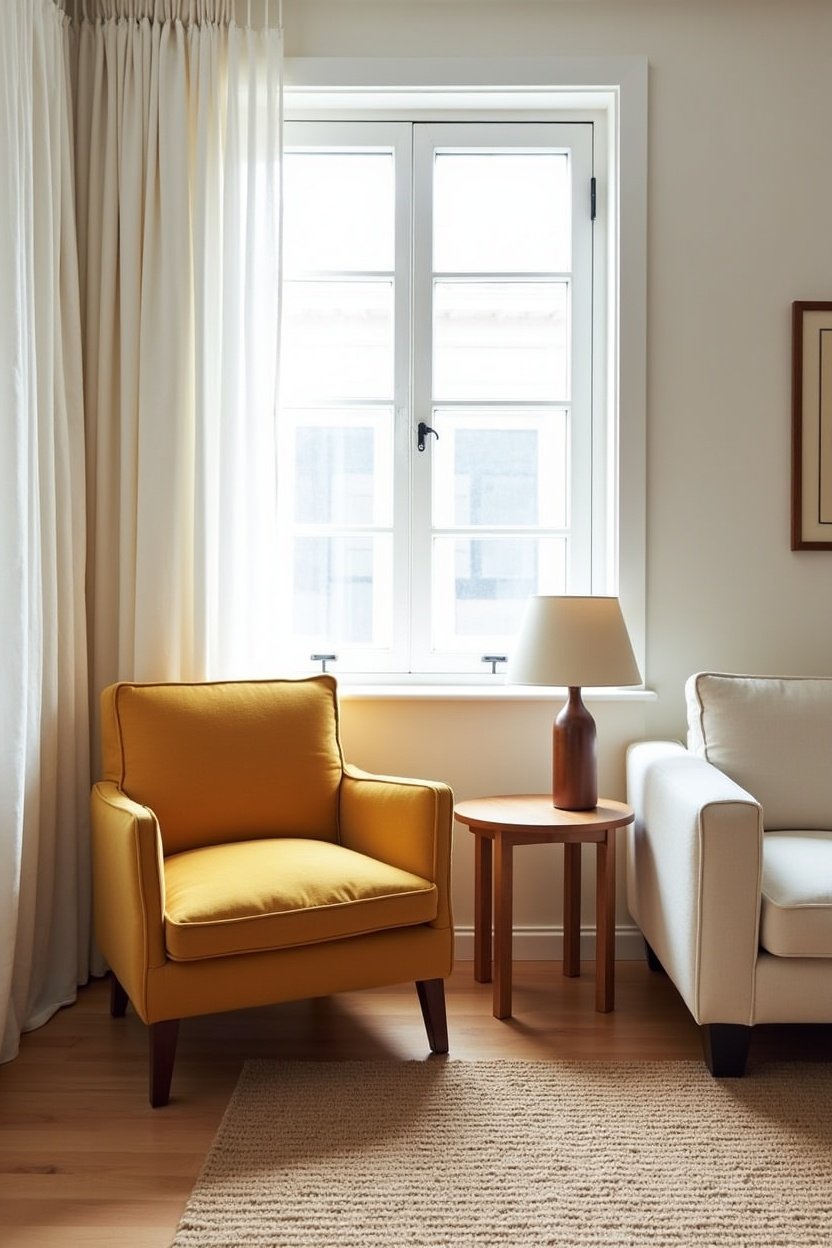
Choosing the Right Style for Your Space
Your accent chair doesn’t need to match your sofa — in fact, it shouldn’t. The whole point of an accent chair is to add visual interest, and that means intentional contrast. But contrast isn’t the same as chaos. The chair should feel like it belongs in the same room, even if it’s a different style, color, or material.
If your room leans traditional or classic, look for chairs with gentle curves, rolled arms, and rich fabrics like velvet or linen. Wingback chairs, club chairs, and tufted barrel chairs all work beautifully in traditional settings.
If your space is more modern or minimalist, go for clean lines, geometric shapes, and streamlined silhouettes. Look for chairs with angular legs, minimal tufting, and structured cushions. Materials like leather, boucle, and tightly woven performance fabrics keep things contemporary.
For eclectic or bohemian spaces, this is your chance to get creative. A rattan accent chair, a bold printed fabric, or a vintage piece from a flea market can add exactly the right dose of personality. The key in eclectic rooms is repetition — if the chair introduces a new color, echo that color somewhere else in the room with a pillow, a vase, or a piece of art.
Color: Go Bold or Stay Neutral?
This is the million-dollar question, and the answer depends on what you want the chair to do in the room. A neutral chair blends in and adds texture without demanding attention. A colorful chair becomes a focal point and instantly draws the eye.
If you love the idea of a bold accent chair but feel nervous about committing, here’s a safe approach: choose a color that already exists in your room in small doses. Look at your throw pillows, artwork, curtains, or rug. If there’s a teal thread in your rug or a mustard accent in your artwork, a chair in that same tone will feel intentional and cohesive, not random.
Some of the most timeless accent chair colors include deep emerald green, dusty rose, warm mustard, navy blue, and rich terracotta. These shades work across multiple design styles and are easy to build a room around.
If you’re going neutral, add interest through texture instead. A cream boucle, a camel leather, or a grey linen all read as neutral but feel far more interesting than plain beige. A Boucle Upholstered Barrel Chair in ivory or oatmeal is a designer favorite because it adds warmth and tactile interest while staying completely versatile.
Fabric and Material: What Works Where
The fabric you choose affects comfort, durability, and maintenance — so it’s worth thinking through.
- Velvet: Luxurious and surprisingly durable. Modern performance velvets resist stains and wear better than you’d expect. Best for living rooms and bedrooms where you want a touch of elegance.
- Linen: Relaxed, breathable, and naturally beautiful. Wrinkles easily, which adds to its casual charm. Best for light-use areas or if you embrace the lived-in aesthetic.
- Leather: Ages beautifully and gets better with time. Easy to clean and incredibly durable. Best for high-traffic rooms, home offices, and anywhere kids or pets roam.
- Boucle: The texture trend that refuses to quit. Cozy, visually interesting, and surprisingly resilient. Best for bedrooms, reading corners, and living rooms where you want softness.
- Performance fabric: Engineered to resist stains, fading, and wear. Looks and feels like natural fabric but handles life much better. Best for family rooms, playrooms, and any chair that will see daily use.
If you have pets, lean toward leather or performance fabrics — both resist pet hair, scratches, and the inevitable accident. If you love velvet but worry about durability, look specifically for performance velvet, which combines the look with practical toughness.
Placement Tips That Interior Designers Swear By
Where you put your accent chair matters almost as much as which chair you choose. Here are the placement strategies that designers use to make accent chairs feel natural in any room:
Angle it slightly. Placing a chair at a 30-45 degree angle to the sofa creates a conversational grouping that feels inviting. Straight-on placement (directly across from the sofa) can feel stiff and formal. Angling opens up the room and creates a more relaxed flow.
Give it a companion. An accent chair looks best with a small side table and a floor lamp or table lamp nearby. This creates a self-contained vignette — a mini living space within the larger room. It also makes the chair more functional, because nobody wants to sit down with a cup of coffee and have nowhere to put it.
Don’t push it against the wall. Pulling your accent chair even 6-8 inches away from the wall makes the room feel more designed and less like a waiting room. Furniture floating in a room creates better flow and looks more intentional.
Use a rug to anchor the grouping. If your accent chair sits with a sofa and coffee table, make sure at least the front legs of the chair sit on the area rug. This visually connects the pieces and defines the seating area.
Budget Strategies: Where to Save and Where to Invest
Accent chairs range from under a hundred dollars to several thousand, and the price doesn’t always correlate with quality. Here’s how to spend wisely:
- Invest in frame quality. A solid hardwood frame (kiln-dried if possible) will last decades. Frames made from engineered wood or particleboard tend to creak and wobble within a few years.
- Save on trendy colors. If you’re choosing a bold, trendy color, consider spending less — your taste may change in a few years. Save the big investment for a neutral chair you’ll keep for a decade.
- Check the cushion construction. High-density foam wrapped in down or poly fiber gives the best combination of support and comfort. Pure foam is firm but not cozy. Pure down is cozy but collapses over time.
- Look at secondhand sources. Accent chairs hold up well on the resale market. Estate sales, consignment shops, and online marketplaces are excellent sources for high-quality chairs at a fraction of retail. A good reupholstery job can make a vintage frame feel brand new.
Final Thoughts: Trust Your Instincts
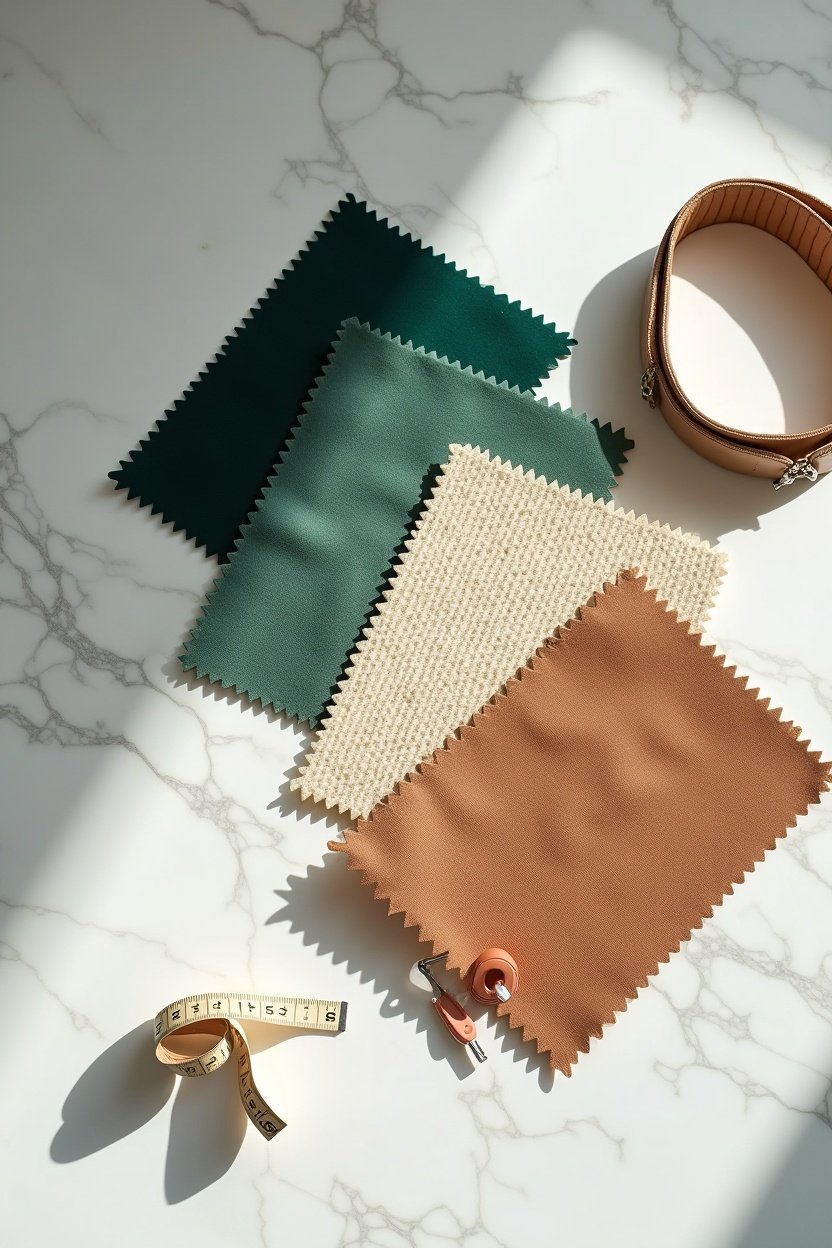
The perfect accent chair is the one that makes you want to sit in it every time you walk by. It should feel right in the room — not too big, not too small, not too loud, not too quiet. Trust your gut when something catches your eye, but verify with measurements and fabric swatches before you commit. An accent chair is one of the most personal pieces of furniture you’ll own. Choose the one that feels like you.