
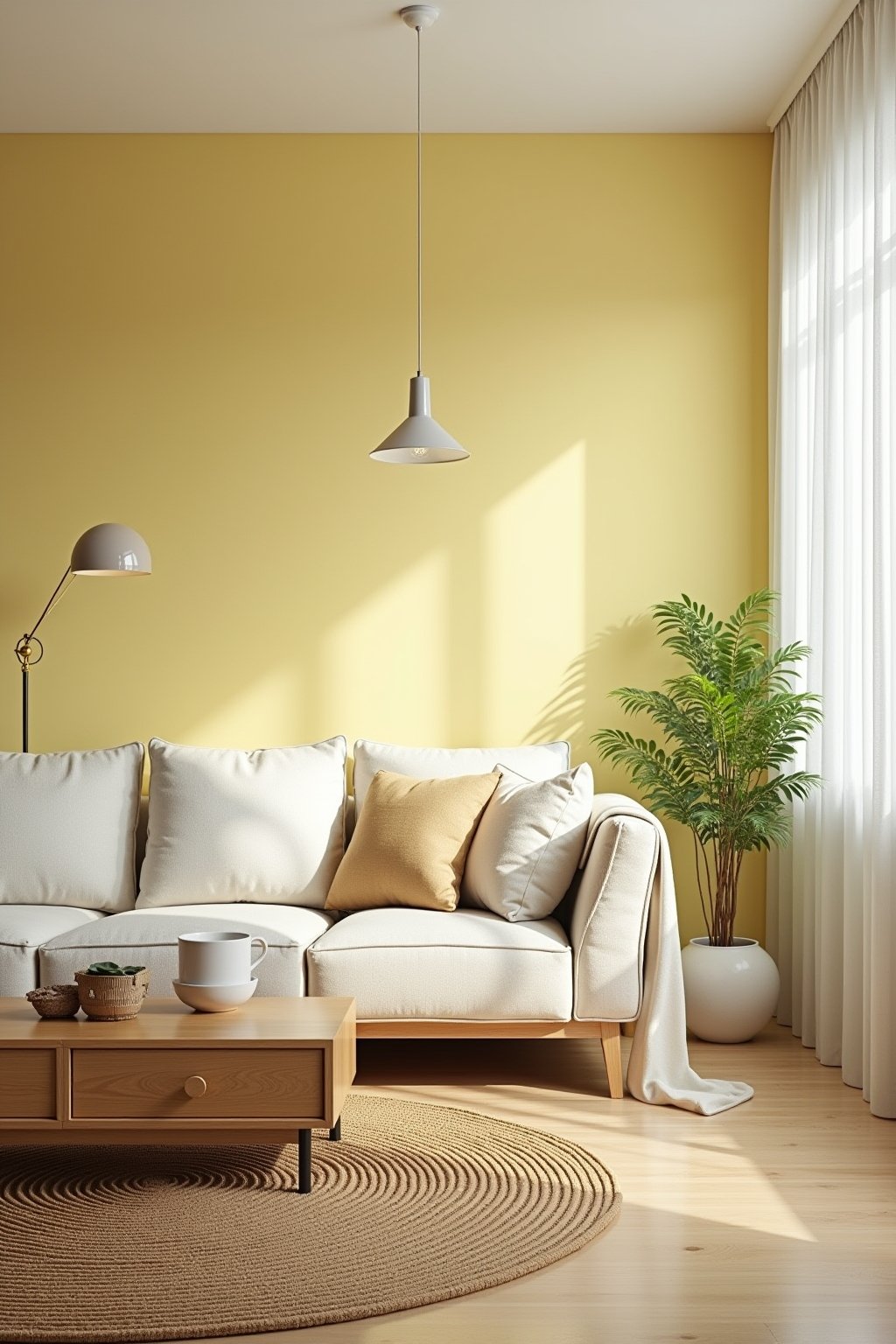
There is something about butter yellow that just makes you exhale. It is warm without being aggressive, cheerful without being loud, and it works in literally every room of your home — from the kitchen to the bedroom to a tiny powder room you thought nothing could save.
I painted my guest bedroom butter yellow on a whim last spring after seeing it everywhere on Pinterest, and honestly it transformed the entire vibe of the room. What used to feel cold and forgettable suddenly felt like a sun-drenched vacation rental. Every single person who has stayed in that room has asked me what color it is. This is the color that makes people stop scrolling and start saving — and it is surprisingly easy to pull off on any budget.
What’s Special About It
- Universally flattering — butter yellow warms up cool north-facing rooms and enhances natural light in south-facing ones without ever feeling overwhelming
- Pairs with almost everything — works beautifully with white, cream, sage green, navy, warm wood tones, brass, and even black accents
- Mood-boosting without being intense — studies show warm yellow tones trigger feelings of optimism and comfort, making rooms feel welcoming instantly
- Timeless with a modern edge — this is not your grandmother’s yellow. The muted, buttery tone reads sophisticated and editorial, not dated
- Works in every room — from a full kitchen cabinet makeover to a single accent wall in a bathroom, butter yellow scales up and down effortlessly
- Renter-friendly options everywhere — peel-and-stick wallpaper, throw pillows, curtains, and artwork let you commit without commitment
What to Have Ready
What you need depends on how bold you want to go:
- For walls: Butter yellow paint (try Benjamin Moore Hawthorne Yellow or Farrow & Ball Dayroom Yellow), painter’s tape, roller, drop cloth
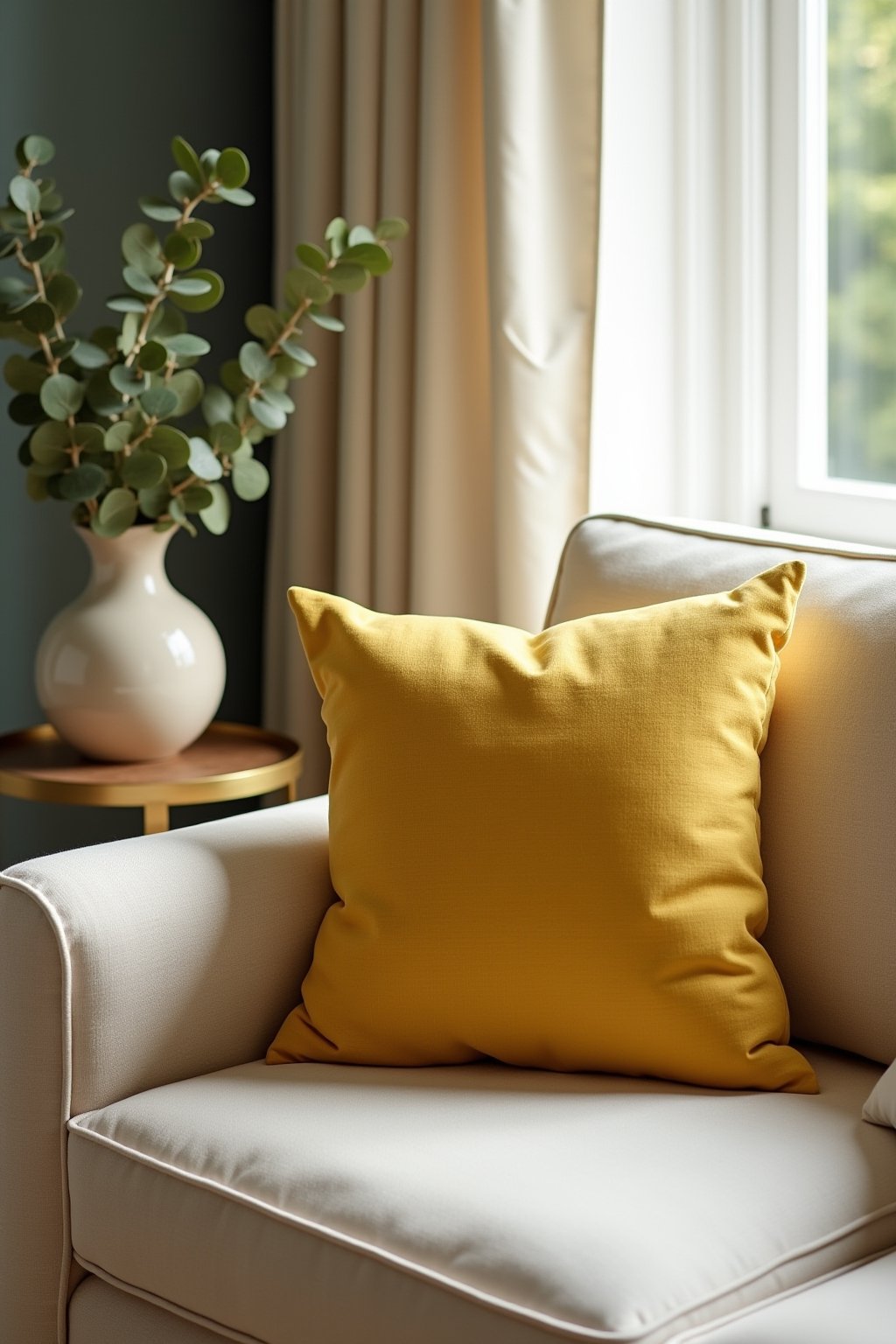
- For accents: Throw pillows in butter yellow, a cozy throw blanket, curtain panels, or a statement vase
- For furniture: An upholstered accent chair, ottoman, or dining chairs in butter yellow fabric
- For pairing: White or cream linens, warm wood accessories, brass hardware or light fixtures, sage green or navy accent pieces
Going in Order
Start Small With Textiles and Accessories
If you have never worked with yellow before, do not start by painting an entire room. Grab two or three butter yellow throw pillows and swap them onto your sofa or bed. Add a lightweight throw blanket draped over an armchair. These small touches let you test how the color feels in your specific lighting before making a bigger commitment.
Pair butter yellow textiles with white, cream, or warm gray for a soft, natural look. If your room already has a lot of warm tones, add a navy or charcoal pillow alongside the yellow to keep things grounded and prevent the space from feeling too one-note.
Choose the Right Shade for Your Lighting
Not all butter yellows are created equal. In a room with lots of natural light, you can go with a softer, more muted butter tone — it will glow beautifully without looking washed out. In a darker or north-facing room, choose a slightly richer, more saturated butter yellow that can hold its own against lower light levels.
Always paint a large swatch (at least 2 feet square) and look at it at different times of day. Morning light, afternoon sun, and evening lamplight can make the same color look completely different. The goal is a shade that feels warm and inviting at every hour, not one that only works at noon.
Paint a Feature Wall or Try Color Blocking
Once you know you love the shade, a single accent wall in butter yellow is one of the highest-impact, lowest-risk moves in home decor. The wall behind your bed, the wall behind your sofa, or the back wall of built-in shelving are all perfect candidates.
For a more modern approach, try color blocking — paint the bottom two-thirds of a wall in butter yellow and leave the top third white. This creates a grounded, intentional look that feels designer without the designer price tag. Use painter’s tape for a crisp line and take your time.
Go Bold With Cabinets or Furniture
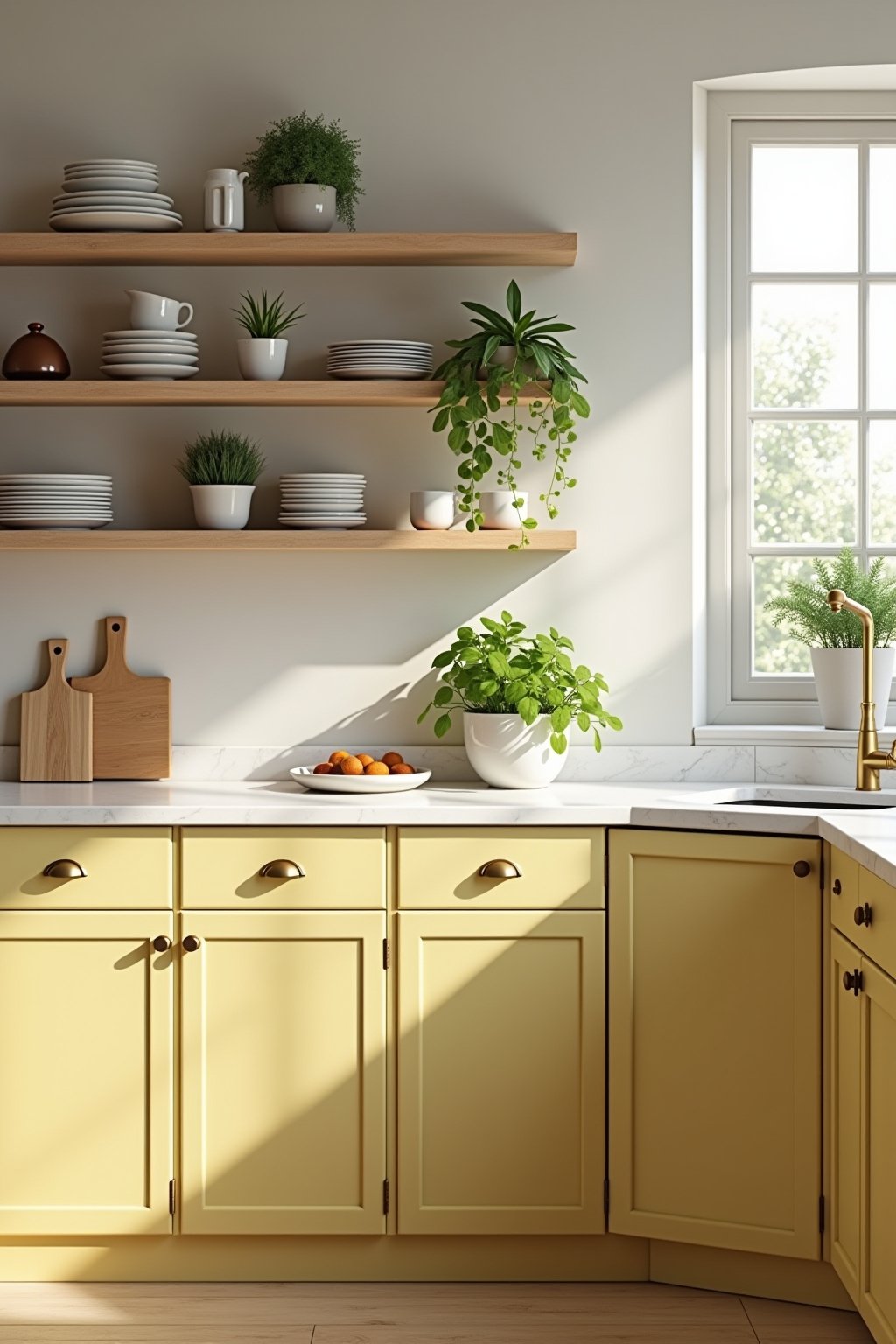
If you are ready to fully commit, butter yellow kitchen cabinets are one of the most pinned trends right now — and for good reason. They pair beautifully with white countertops, warm wood open shelving, and brass or brushed gold hardware. The result looks expensive and custom without the custom price.
In a bedroom, a butter yellow upholstered headboard or accent chair creates a stunning focal point. In a living room, a yellow velvet sofa is a statement piece that anchors the entire space. Just make sure the rest of the room stays relatively neutral so the yellow gets to shine.
Layer Textures to Keep It Interesting
The secret to butter yellow looking sophisticated instead of flat is texture. Mix a linen butter yellow curtain with a chunky knit throw in cream, a woven rattan side table, and a smooth brass lamp. The variety of textures creates depth and prevents the room from looking like a paint swatch.
Add natural materials like jute rugs, wooden trays, and ceramic vases to ground the warmth. A few green plants are the perfect finishing touch — the green and yellow combination feels fresh and alive, like sunlight filtering through leaves.
If the Texture Is Off
- Going too bright or neon — butter yellow should feel soft and warm, not electric. If your swatch looks like a highlighter, it is the wrong shade
- Pairing with cool gray — cool-toned grays make butter yellow look sickly. Stick with warm grays, creams, whites, and earth tones
- Using it in a room that already skews very warm — if everything is already beige, tan, and gold, adding yellow can make the space feel muddy. Add a contrasting cool accent like navy or sage
- Forgetting about undertones — some butter yellows have green undertones that clash with pink or coral decor. Always test your specific shade against your existing pieces
- Over-committing without testing — paint a large swatch, live with it for a few days, and look at it in both natural and artificial light before rolling the whole wall
Cheap-and-Cheerful Versions
Thrift store accent chairs: A solid wood chair with good bones can be reupholstered in butter yellow fabric for a fraction of the cost of buying new. Check Facebook Marketplace and estate sales.
DIY painted furniture: A coat of butter yellow chalk paint on a nightstand, bookshelf, or side table costs under $20 and takes an afternoon. Sand lightly, prime, paint two coats, and seal.
Affordable textiles: Target, H&M Home, and IKEA all carry butter yellow throw pillows, curtains, and blankets at budget-friendly prices. Swap seasonally without guilt.
Peel-and-stick wallpaper: For renters or commitment-phobes, a butter yellow peel-and-stick wallpaper accent wall costs around the same as a gallon of paint and peels off cleanly when you move.
The Finish Line
- Use the 60-30-10 rule — 60% neutral base (white, cream), 30% butter yellow, 10% contrasting accent (navy, sage, black)
- Brass and gold hardware are butter yellow’s best friend — they amplify the warmth without competing
- Add a contrasting cool tone — a single navy throw pillow or sage green plant pot prevents the room from feeling too sweet
- Layer different shades — mix a deeper ochre with soft butter and pale cream for a tonal, collected look
- Use white as a breathing space — white trim, white bedding, or white shelving gives the eye a rest and lets the yellow pop
- Bring in natural wood — light oak, ash, or walnut ground the yellow and keep the room feeling organic, not synthetic
Where I’d Use It
Living Room
A butter yellow accent wall behind the sofa paired with a cream linen sectional, warm wood coffee table, and brass floor lamp creates a space that feels like eternal golden hour. Add a jute rug and a few green plants for a natural, effortless finish. Keep throw pillows in a mix of white, cream, and one navy for contrast.
Bedroom
Butter yellow walls with crisp white bedding is the combination everyone is saving on Pinterest right now. Layer a cream linen duvet, a waffle-knit throw at the foot of the bed, and two butter yellow euro shams for a look that feels like a boutique hotel. Add warm wood nightstands and a rattan pendant light overhead.
Kitchen
Butter yellow lower cabinets with white uppers and a marble or butcher block countertop is the kitchen combination that stops people mid-scroll. Add open wooden shelving, brass cabinet pulls, and a few ceramic canisters in white or cream. A small herb garden on the windowsill ties everything together perfectly.
Common Asks
What colors go best with butter yellow?
White, cream, sage green, navy blue, warm gray, and natural wood tones all pair beautifully. Brass and gold metallics also complement butter yellow perfectly. Avoid pairing with cool silver or icy blue tones.
Is butter yellow too trendy to commit to?
Butter yellow has been a staple in European interiors for centuries — it is trending now but it is far from a fad. Unlike neon or electric yellow, butter yellow is a warm neutral that will age gracefully in any space.
Will butter yellow make my small room feel smaller?
No — lighter butter yellow shades actually make rooms feel bigger because they reflect light. Just keep the rest of the room light and airy with white trim and minimal clutter.
What is the best butter yellow paint color?
Benjamin Moore Hawthorne Yellow HC-4 and Farrow and Ball Dayroom Yellow No.233 are two of the most popular and versatile butter yellow shades. Always test a large swatch in your specific room before committing.
Can I use butter yellow in a modern or minimalist space?
Absolutely. Butter yellow works beautifully in modern spaces when paired with clean lines, white surfaces, and minimal accessories. It adds warmth without clutter.
Is butter yellow a good choice for north-facing rooms?
It is one of the best choices for north-facing rooms. The warm undertones compensate for the cool bluish light that north-facing rooms get, making the space feel sunny even on overcast days.