
If you had told me two years ago that two cheap pantry items could replace most of my cleaning cabinet, I would have rolled my eyes. I was a brand-loyal cleaner — specific products for specific jobs, the more specialized the better. Then my toddler started putting everything in her mouth, and I suddenly cared a lot more about what was in those bottles under the sink.
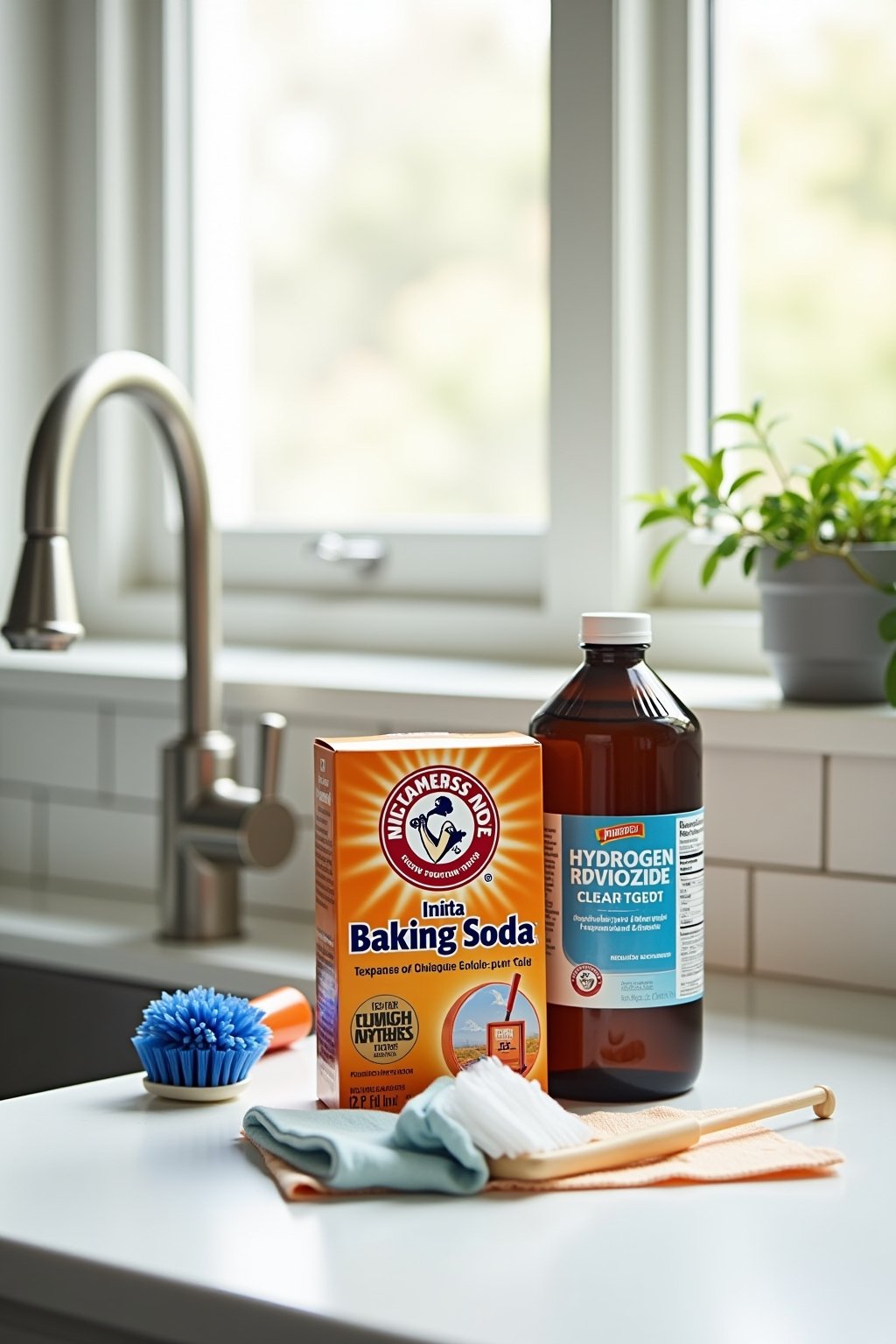
Baking soda and hydrogen peroxide became my go-to combination, and honestly, the results surprised me. Together, they remove stains that commercial products struggle with. Baking soda provides a gentle abrasive plus odor-neutralizing power, while hydrogen peroxide (the basic 3% drugstore kind) whitens, disinfects, and breaks down organic stains at a molecular level. Here are fifteen specific ways I use them around the house, with exact instructions for each one.
| ⏱ Time Required: | Under 30 minutes |
| 📈 Difficulty: | Forgiving |
| 💰 Supplies Cost: | $5-15 |
| 🔄 How Often: | Whenever you want a refresh |
Why This One Lands
- Baking soda is a mild abrasive — it scrubs without scratching porcelain, stainless steel, ceramic, or glass, making it safer than commercial scouring powders
- Hydrogen peroxide is a proven disinfectant — at 3% concentration it kills bacteria, viruses, and mold spores on contact with sufficient dwell time
- The fizzing reaction lifts embedded grime — when baking soda and hydrogen peroxide react, the oxygen bubbles physically loosen dirt trapped in porous surfaces like grout and fabric
- Both are extremely inexpensive — a box of baking soda and a bottle of hydrogen peroxide together cost about three dollars and last for weeks of cleaning
- Safe around children and pets once dry — unlike bleach-based products, these leave no toxic residues on surfaces after rinsing
- Biodegradable and environmentally neutral — baking soda is a naturally occurring mineral and hydrogen peroxide breaks down into water and oxygen
Round Up
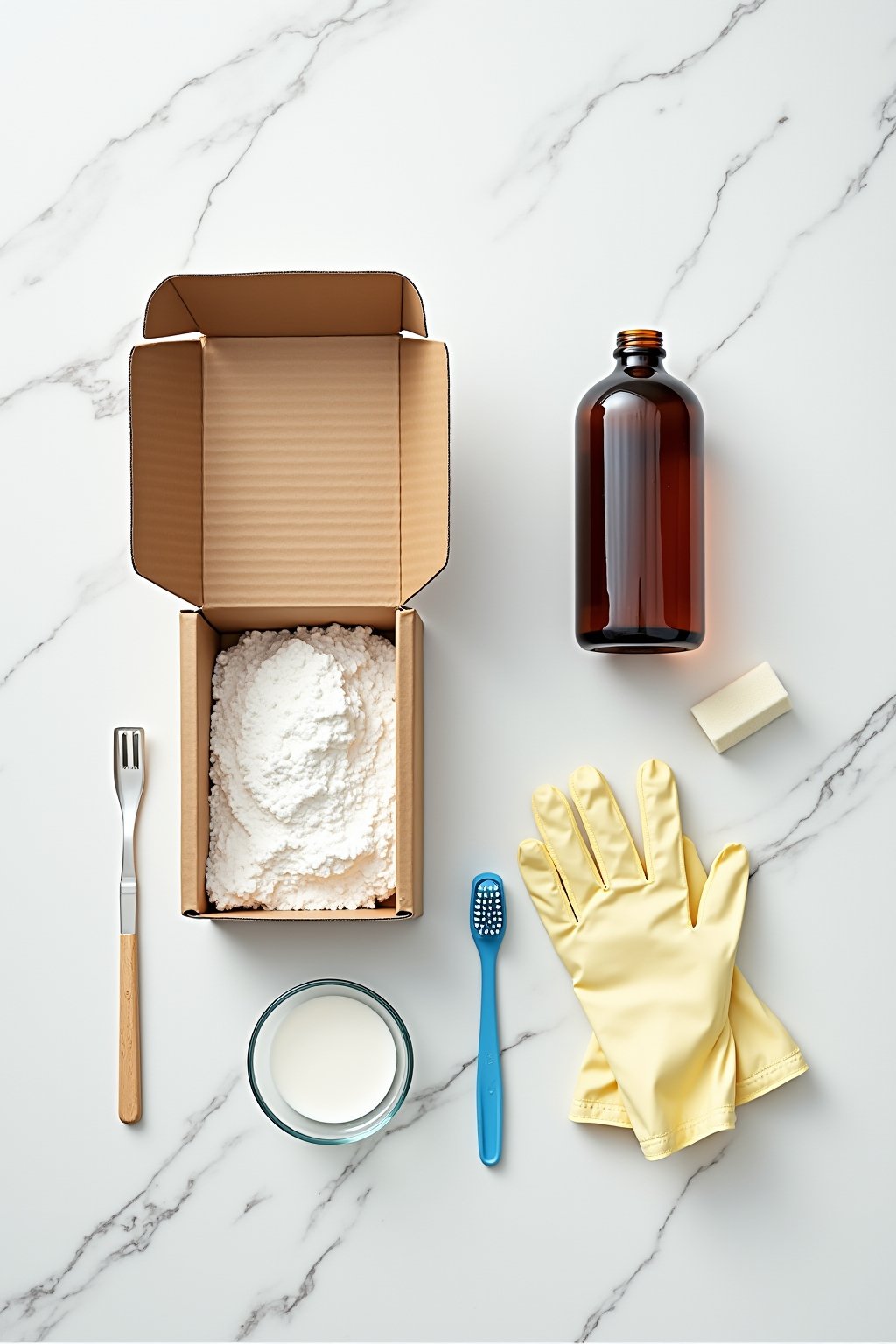
You only need a handful of supplies to tackle all fifteen uses:
- Baking soda (large box or bulk bag) — buy the big box from the baking aisle, not the small fridge deodorizer boxes
- Hydrogen peroxide (3% concentration) — the standard brown bottle from any drugstore or grocery store
- Spray bottle — for the hydrogen peroxide, since it needs to be sprayed evenly on some surfaces
- Small mixing bowl — for making paste mixtures
- Old toothbrush — for scrubbing grout, crevices, and tight spots
- Microfiber cloths — for wiping and buffing after cleaning
- Scrub sponge with a non-scratch abrasive side — for larger surface areas
- Rubber gloves (optional) — hydrogen peroxide can lighten skin with prolonged contact
Each Stage
Uses 1–3: Kitchen Cleaning Power
Use 1 — Baked-on oven grease: Make a thick paste of three tablespoons baking soda and one tablespoon hydrogen peroxide. Spread it over greasy spots inside the oven, avoiding heating elements. Let it sit for two hours (or overnight for heavy buildup), then wipe clean with a damp cloth. The paste dissolves carbonized grease without any toxic fumes.
Use 2 — Stained cutting boards: Sprinkle baking soda generously over the board, spray with hydrogen peroxide, and let it fizz for 10 minutes. Scrub with a brush, rinse, and dry. This removes food stains and eliminates odor from garlic, onion, and raw meat. Use 3 — Stainless steel sink restoration: Wet the sink, sprinkle baking soda across the entire surface, and scrub with a soft sponge in the direction of the grain. Spray hydrogen peroxide over the baking soda and let it fizz. Rinse and dry — your sink will look brand new.
Uses 4–6: Bathroom Deep Clean
Use 4 — Grout whitening: Sprinkle baking soda along the grout lines, spray hydrogen peroxide over it, and let the fizzing action work for 15 minutes. Scrub with an old toothbrush, rinse, and the grout will be visibly whiter. For severely discolored grout, repeat the process twice. Use 5 — Toilet bowl stains: Pour half a cup of baking soda into the toilet bowl, followed by half a cup of hydrogen peroxide. Let it sit for 30 minutes, scrub with a toilet brush, and flush. This removes hard water rings and rust stains without bleach.
Use 6 — Soap scum on shower doors: Make a paste with equal parts baking soda and hydrogen peroxide. Apply to the glass with a sponge, let it sit for 10 minutes, and scrub in circular motions. Rinse thoroughly. The glass will be clear and streak-free. Pro tip: for persistent soap scum, add a tablespoon of dish soap to the paste for extra cutting power.
Uses 7–9: Laundry and Fabric Rescue
Use 7 — Sweat stains on white shirts: Mix four tablespoons of baking soda with enough hydrogen peroxide to make a paste. Apply it directly to the yellow underarm stains and let it sit for one hour. Wash as normal. The stains lift because hydrogen peroxide breaks down the protein-and-aluminum compound that causes yellowing. Use 8 — Musty towel odor: Add half a cup of baking soda to the wash cycle and half a cup of hydrogen peroxide to the rinse cycle. Run on the hottest water setting. This kills the bacteria causing the musty smell and removes residue buildup in the towel fibers.
Use 9 — Mattress freshening: Strip the bed, sprinkle baking soda over the entire mattress surface, and spray lightly with hydrogen peroxide. Let it sit for two hours (the longer the better). Vacuum up the baking soda thoroughly. This deodorizes, removes surface stains, and kills dust mites. Pro tip: do this on a sunny day and open the bedroom windows for maximum freshness.
Uses 10–12: Kitchen Deep Clean Challenges
Use 10 — Burned pots and pans: Cover the burned area with a thick layer of baking soda, then pour enough hydrogen peroxide to create a fizzy slurry. Let it sit for 30 minutes to an hour, then scrub with the rough side of a sponge. Even carbon-crusted pans come clean with this method. Use 11 — Coffee and tea mug stains: Sprinkle a teaspoon of baking soda into the stained mug, add a splash of hydrogen peroxide, and scrub with a sponge. The stains disappear in under a minute.
Use 12 — Refrigerator odor and spill cleanup: Mix two tablespoons of baking soda with one cup of hydrogen peroxide and one cup of water in a spray bottle. Spray every shelf, drawer, and the interior walls. Wipe clean with a cloth. This removes food odors, disinfects surfaces, and lifts sticky spill residue. Pro tip: leave an open box of baking soda on the top shelf after cleaning to continuously absorb odors between cleanings.
Uses 13–15: Tough Household Challenges
Use 13 — Trash can deodorizer: Sprinkle two tablespoons of baking soda in the bottom of the empty trash can. Spray with hydrogen peroxide and let it fizz. Wipe clean and let it dry before inserting a new bag. The baking soda neutralizes odor and the peroxide kills bacteria. Use 14 — Pet accident cleanup on carpet: Blot the area thoroughly, then sprinkle baking soda over the spot. Spray hydrogen peroxide over the baking soda until damp. Let it sit for 30 minutes, then blot and vacuum. This neutralizes both the stain and the odor.
Use 15 — Tile and linoleum floor deep clean: Add half a cup of baking soda and half a cup of hydrogen peroxide to a gallon of warm water. Mop the floor with this solution for a deep clean that whitens grout lines and disinfects tile simultaneously. Rinse with plain water afterward. Pro tip: always test hydrogen peroxide on an inconspicuous spot first when using it on colored fabrics, painted surfaces, or dark grout — it can lighten or bleach some materials.
Backing Out of a Mistake
- Pre-mixing large batches in a sealed bottle — the fizzing reaction produces gas which builds pressure in a sealed container. Mix small batches right before use and never seal a bottle containing both ingredients
- Using hydrogen peroxide on dark-colored fabrics — even 3% peroxide can bleach or lighten colored clothing, curtains, and upholstery. Always test on a hidden area first and use it primarily on whites and light colors
- Expecting instant results on heavy buildup — baking soda and hydrogen peroxide need dwell time to work. Spraying and immediately wiping skips the chemical reaction that does the actual cleaning
- Using high-concentration hydrogen peroxide — only use 3% household grade. Higher concentrations (10% or more) can burn skin and damage surfaces. The 3% version from the drugstore is all you need
- Storing hydrogen peroxide in a clear spray bottle in sunlight — light degrades hydrogen peroxide rapidly. Use a dark or opaque bottle and store it in a cabinet between uses
The Right Day For It
Kitchen
Uses 1, 2, 3, 10, 11, and 12 cover everything from daily sink cleaning to heavy oven degreasing. Keep a box of baking soda and a spray bottle of hydrogen peroxide under the kitchen sink for instant access. The stainless steel sink scrub (Use 3) is especially impressive — even an old, stained sink looks nearly new.
Bathroom
Uses 4, 5, and 6 handle the three biggest bathroom cleaning challenges: grout discoloration, toilet stains, and soap scum. The grout whitening technique alone saves you from buying expensive grout-specific products. For weekly maintenance, a quick baking soda sprinkle in the toilet bowl keeps it white between deep cleans.
Laundry Room and Bedrooms
Uses 7, 8, and 9 tackle laundry and mattress problems that regular detergent cannot fix. The sweat stain removal technique is a game-changer for white shirts, and the mattress freshening routine is something most people never do but should be doing at least twice a year.
Quick Answers
Is it safe to mix baking soda and hydrogen peroxide?
Yes, mixing baking soda with 3% hydrogen peroxide is safe. The reaction produces oxygen gas, water, and sodium carbonate, none of which are harmful. The fizzing is just oxygen being released. However, never mix hydrogen peroxide with vinegar in the same container as that creates peracetic acid.
Can I use baking soda and hydrogen peroxide on colored fabrics?
Use caution. Baking soda is safe on all colors, but hydrogen peroxide can lighten or bleach colored fabrics. Always spot-test on a hidden area first. For colored items, use baking soda alone as the primary cleaning agent and skip the peroxide.
How long does hydrogen peroxide stay effective?
An unopened bottle lasts about three years. Once opened, hydrogen peroxide gradually loses potency over one to two months, faster if exposed to light or heat. Test it by pouring a small amount into the sink. If it still fizzes, it is still active.
Can I use baking soda and hydrogen peroxide on marble or granite?
Baking soda is safe on natural stone because it is pH-neutral. Hydrogen peroxide is generally safe on light-colored stone but can etch or bleach darker stones. For natural stone, use baking soda with water as the paste liquid instead of hydrogen peroxide.
Why does baking soda work as a deodorizer?
Baking soda is amphoteric, meaning it neutralizes both acids and bases. Most household odors are either acidic (sour milk, body odor) or basic (fish, ammonia). Baking soda reacts with and neutralizes both types rather than just masking them with fragrance.
How much baking soda and hydrogen peroxide do I need per month?
For regular household cleaning, one large box of baking soda and two bottles of hydrogen peroxide last about a month. Total cost is roughly three to four dollars, which is dramatically less than even the cheapest commercial cleaning products.