Every gardener has killed plants they shouldn’t have and been baffled by problems that turned out to have simple solutions. Whether you’re starting your first container gardening for beginners or troubleshooting a vegetable bed that never quite performs, these are the mistakes that trip up beginners most often — and exactly how to get past them.
1. Overwatering (The #1 Killer)
More plants die from too much water than too little. Overwatered plants look wilted and sad — exactly like underwatered plants — so people respond by watering more. The tell: stick your finger 2 inches into the soil. If it’s still moist, don’t water. Most plants want to dry out slightly between waterings.
2. Wrong Pot Size
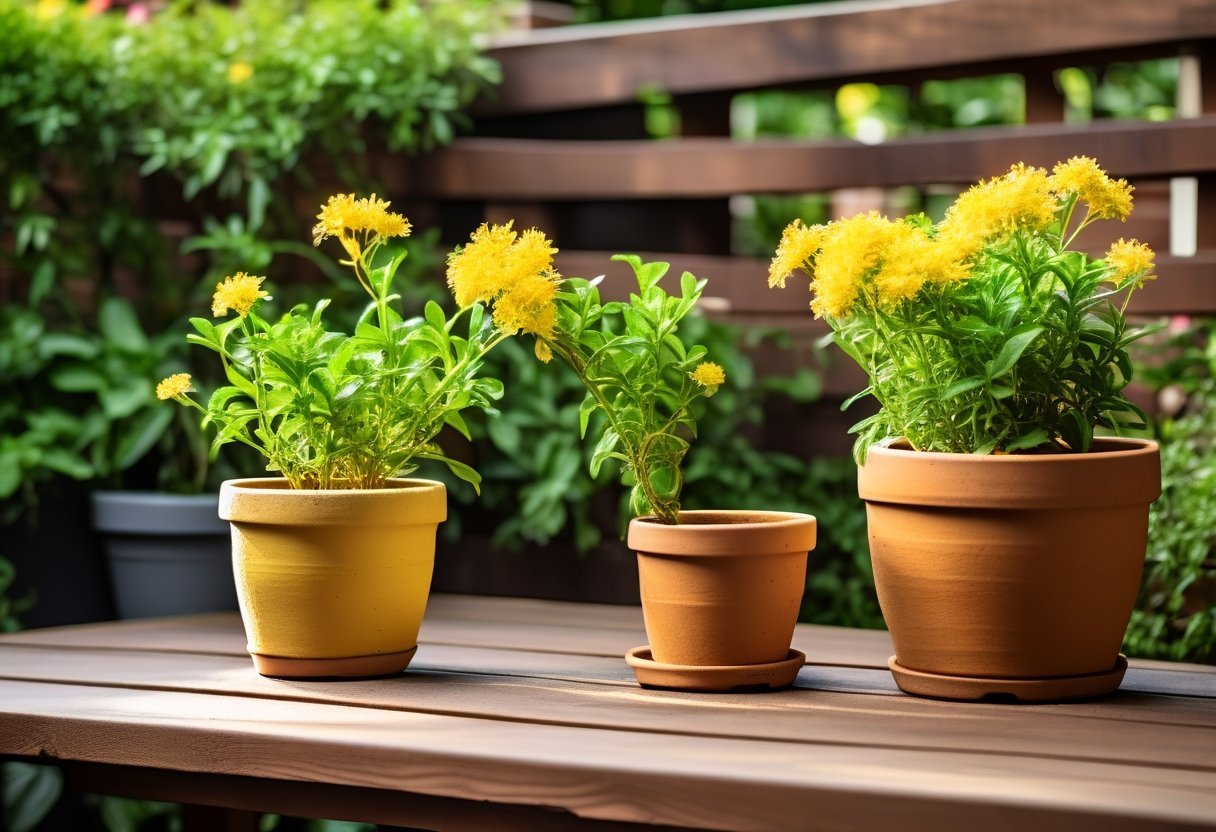
Too small and roots get crowded. Too large and the excess soil stays wet too long, inviting root rot. When repotting, go up just one or two pot sizes at a time — about 1–2 inches larger in diameter. A grow tomatoes that actually taste good doesn’t need a barrel on day one.
3. Ignoring Drainage
A pot without drainage holes is a drowning trap. Pebbles at the bottom don’t fix this — they actually raise the water table inside the pot, making it worse. Every pot needs a drainage hole. Non-negotiable.
4. Planting in the Wrong Light
“Full sun” means 6+ hours of direct sunlight daily. “Partial shade” means 3–6 hours. Most beginners overestimate how much sun their garden gets. Track your garden’s sun exposure for a full day before planting anything. Putting a sun-loving tomato in a spot that gets 3 hours of light is a recipe for disappointment.
5. Skipping Soil Amendment
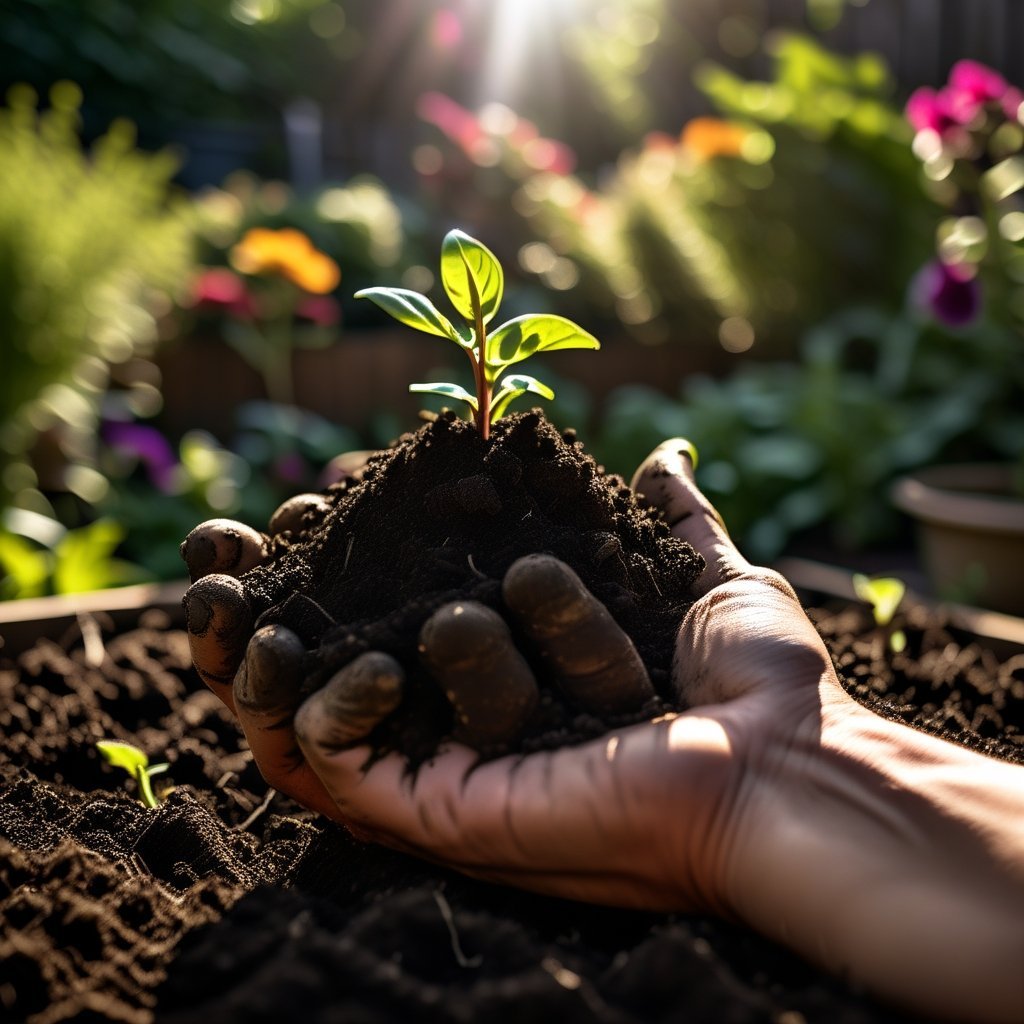
Garden soil from a bag is not garden soil — it’s often mostly peat or wood chips with little nutrition. Mix in start composting at home (at least 30% by volume) before planting anything. Compost is the single most impactful thing you can add to any garden. It improves drainage in clay soil and water retention in sandy soil.
6. Planting Too Early (or Too Late)
Seed packets list planting times relative to your “last frost date” — this is the average date after which frost is unlikely in your area. Plant warm-season crops (tomatoes, peppers, squash) too early and one cold night destroys weeks of work. Find your last frost date at the Old Farmer’s Almanac and count backward from there.
7. Forgetting to Harden Off Seedlings
Seedlings started indoors are accustomed to still air, consistent temperature, and filtered light. Transplanting them directly outside is a shock that often kills them. “Hardening off” means spending one to two weeks gradually introducing them to create an outdoor living space conditions — starting with one hour outside in shade and building to a full day.
8. Not Feeding Plants Consistently
Potted plants exhaust their soil nutrients within 4–6 weeks. In-ground plants in amended soil last longer, but heavy feeders like tomatoes, roses, and leafy greens need regular fertilizing throughout the growing season. A balanced slow-release fertilizer applied monthly does most of the work.
9. Ignoring Pests Until It’s Too Late
Check the undersides of leaves weekly. Aphids, spider mites, and whiteflies colonize fast and are much easier to manage when caught early. A strong spray of water knocks aphids off most plants. Neem oil spray handles a wide range of pest and fungal issues organically.
10. Giving Up After One Bad Season
Every experienced gardener has had seasons where almost nothing worked — unusual weather, a pest outbreak, soil problems they didn’t catch in time. Gardening knowledge compounds over years, not months. The gardeners with beautiful plots in year five usually had pretty rough patches in year one.
Keep notes on what you planted, when you planted it, what worked, and what didn’t. A garden journal is worth more than any book or YouTube video because it’s your garden’s specific history. Use it. For more inspiration, browse our gardening guides. For more ideas, explore our gardening tips.
You may also like:
What I’d Tell My First-Year-Gardener Self
I made every single one of these mistakes my first two seasons. The overwatering one took me an embarrassingly long time to figure out — I’d see drooping leaves and assume the plant was thirsty, when actually I was drowning the roots. The plant looks the same when it’s overwatered as when it’s underwatered. The only way to tell is to stick your finger in the soil before you reach for the watering can. Sounds obvious; I didn’t do it for a year.
The mistake nobody warned me about: starting too many things at once. Year one I planted tomatoes, peppers, cucumbers, squash, three kinds of herbs, lettuce, kale, beans, and flowers because I had a Pinterest board and ambitions. Most of it failed because I couldn’t pay attention to nine different plants’ needs simultaneously. Year two I planted tomatoes, basil, and one bed of lettuce, and everything thrived. The smaller you start, the more you actually learn.
One last thing on the harden-off step (#7 above): people skip this because the seedlings look fine indoors and they’re excited to plant. Then those same seedlings get sun-scorched on day one outside and die within 48 hours. The harden-off process is unsexy but it’s the difference between transplant success and transplant heartbreak. Set a phone reminder if you have to.
If you’re working through your first season and hitting a wall on something that isn’t covered above, the comments section is the right place. I check it every few days during growing season.