What Is Companion Planting and Why Does It Actually Work?
Companion planting is the practice of growing different plants in close proximity for mutual benefit. Plants interact through their root systems, through volatile compounds released into the air, and by attracting or repelling specific insects. Some combinations improve soil fertility. Others confuse or physically block the pests that would otherwise devastate a single-species planting. If you are serious about planning a layered, productive garden, Carrots Love grow tomatoes that actually taste goodes: Secrets of Companion Planting by Louise Riotte is the classic reference that gardeners have trusted for decades — organized in a way that makes it easy to plan combinations around whatever you are already growing.
1. Tomatoes and Basil
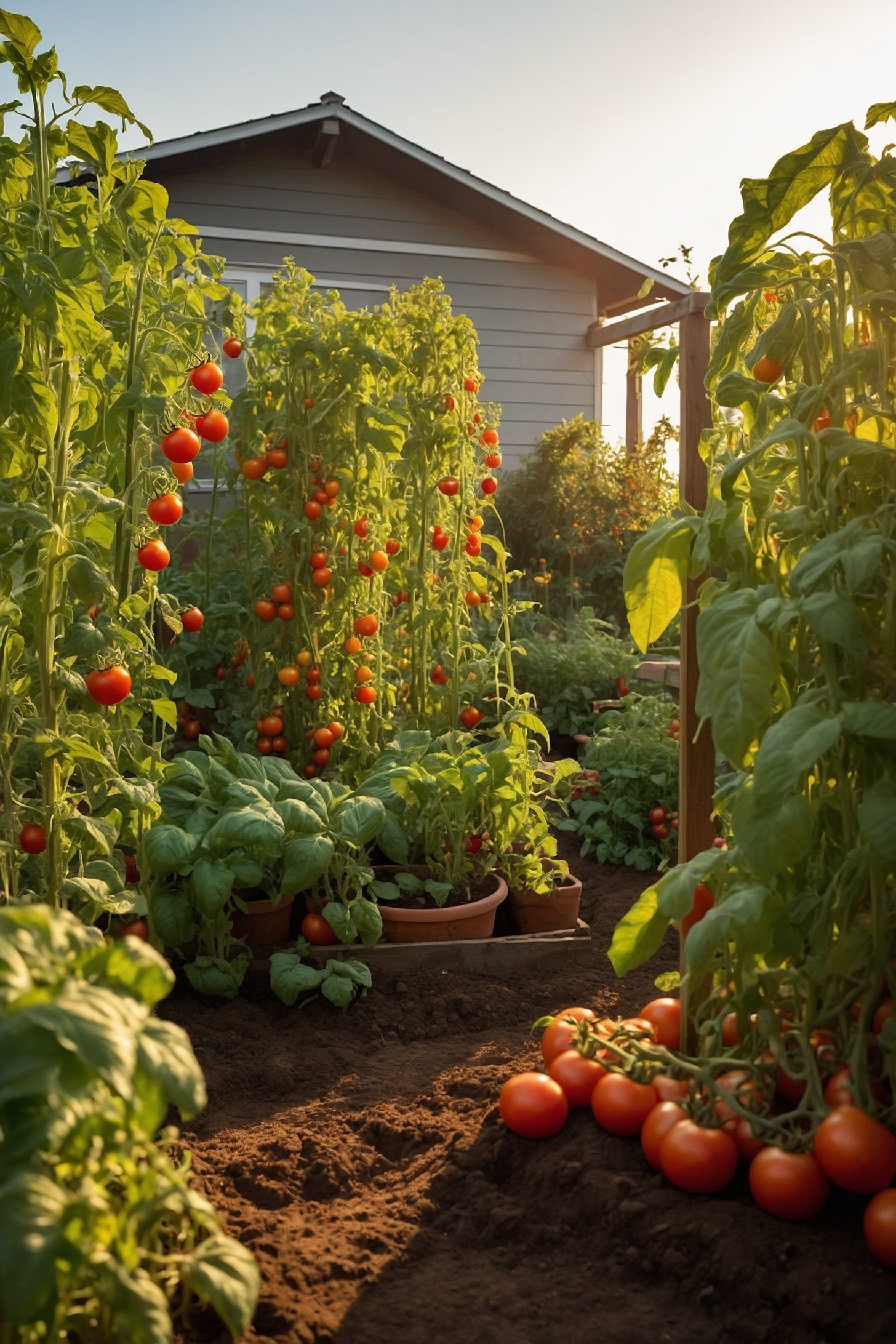
This is the most famous companion pairing for good reason. Basil’s strong aromatic oils are believed to repel aphids, whiteflies, and tomato hornworm moths. Basil grown at the base of tomato plants makes use of otherwise wasted ground space, attracts beneficial pollinators, and gives you a built-in harvest pairing every time you cook. Plant basil within 12 inches of tomato stems and keep it from bolting by pinching flower heads regularly.
2. The Three Sisters: Beans, Corn, and Squash
This combination has been used by Indigenous agricultural communities in North America for centuries. Corn provides a natural trellis for beans to climb. Beans fix atmospheric nitrogen back into the soil. Squash spreads across the ground acting as a living mulch that suppresses weeds and retains soil moisture. A good Terrain Garden Planner Journal helps you map out the timing and spacing of layered plantings like this so nothing gets crowded out.
3. Roses and Garlic
Garlic planted at the base of rose bushes repels aphids through sulfur compounds and reportedly reduces black spot fungal disease. Plant individual garlic cloves four to six inches from rose stems in early autumn for spring benefit. The harvest bonus of fresh garlic bulbs each summer is a genuinely welcome side effect.
4. Carrots and Onions
Carrot fly is repelled by the strong scent of onions. Onion fly is repelled by the feathery foliage of carrots. Planted together in alternating rows, they create a scent barrier that confuses and deters both pests through chemical signaling. Leeks, chives, and shallots all work in place of standard onions.
5. Cabbage and Dill
The brassica family is notoriously vulnerable to caterpillars. Dill planted nearby attracts predatory wasps and hoverflies that prey on these larvae. Allow dill to flower rather than harvesting it all — the umbrella-shaped flower heads are precisely what attract beneficial insects. Dill also helps repel spider mites, earning its space in a garden three or four times over.
6. Cucumbers and Nasturtiums
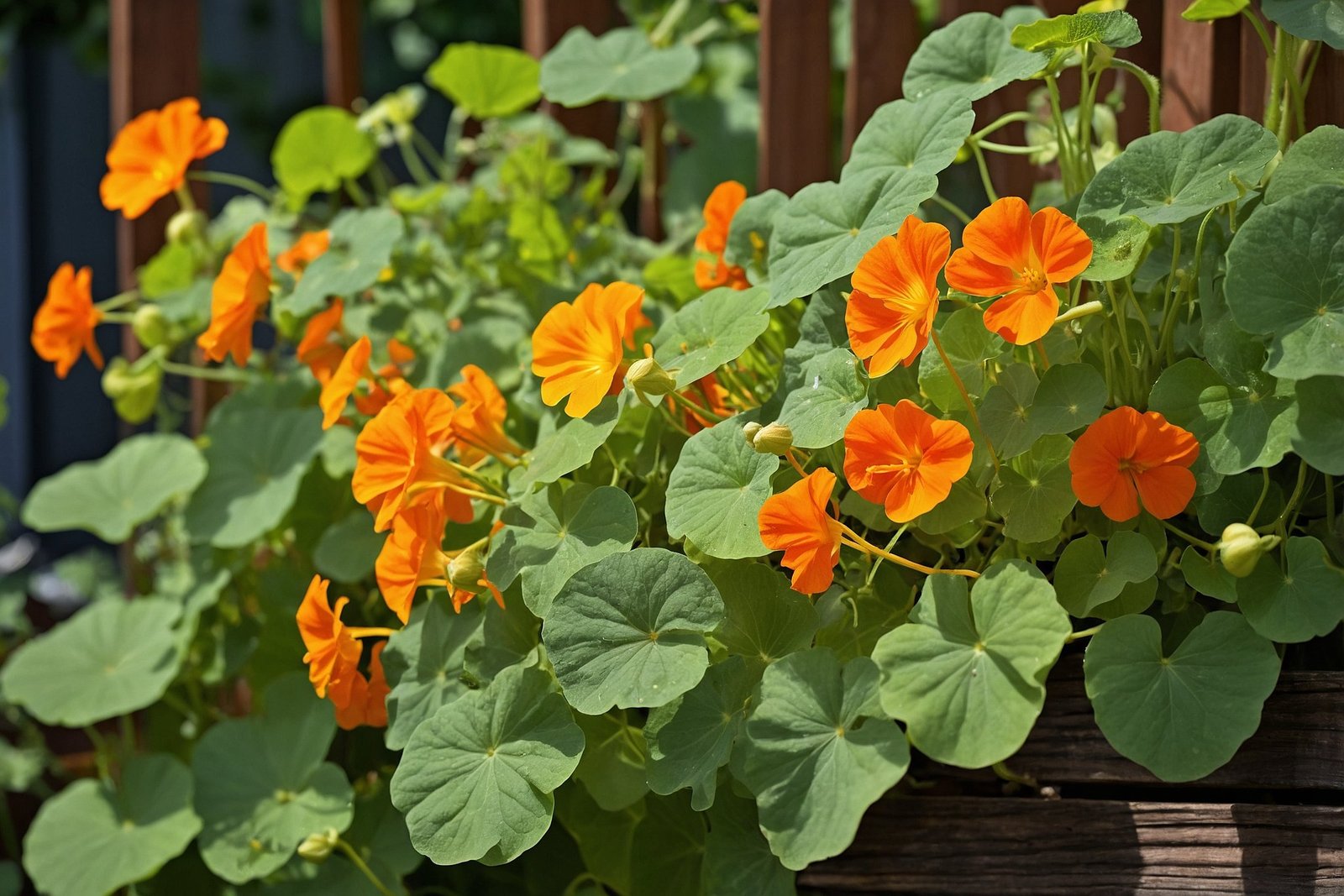
Nasturtiums act as a trap crop for aphids — aphids are drawn to nasturtiums preferentially, leaving neighboring cucumbers relatively unharmed. Nasturtiums also attract predatory insects like lacewings and ladybugs. The cheerful orange, yellow, and red flowers are beautiful trailing along a cucumber trellis, and both the flowers and leaves are edible. The Botanical Interests Nasturtium Seed Mix includes climbing and trailing varieties perfectly suited to growing alongside cucumbers.
What NOT to Plant Together
Fennel is allelopathic — it releases compounds that inhibit the growth of most garden vegetables including tomatoes, peppers, and beans. Keep fennel isolated in its own container. Onions and garlic should not be planted near beans or peas — the allium family inhibits legume growth and interferes with nitrogen-fixing bacteria. Avoid planting brassicas near grow strawberries in containersies, as they compete intensely and both suffer.
Getting Started: Seed Starting and Planning
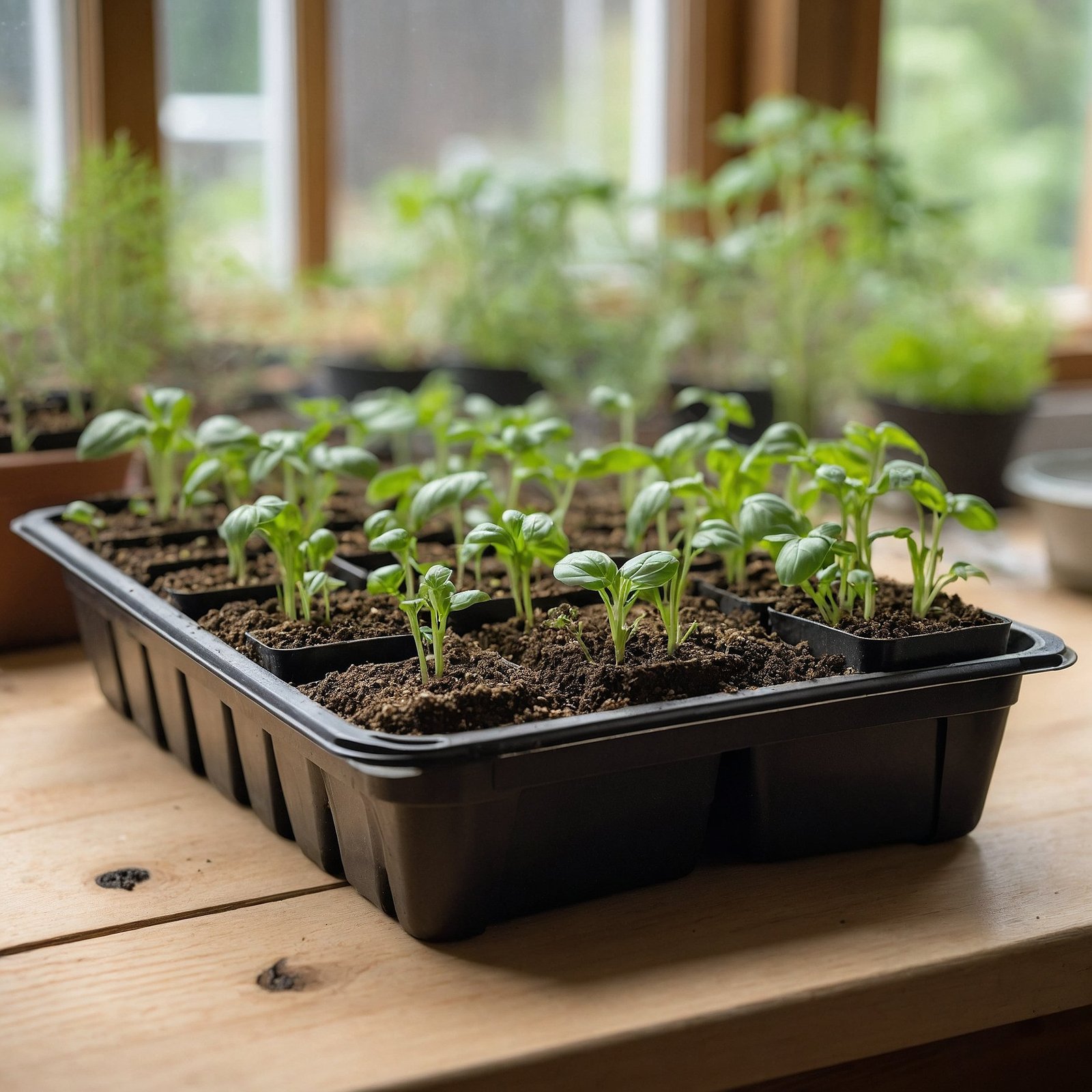
Start slow-germinating companions like onions and brassicas indoors using Jiffy Professional Organic Seed Starting Mix, which provides the fine, light texture that small starting seeds indoors need to germinate evenly. For starting multiple companion species simultaneously, a Burpee Biodegradable Seed Starting Tray Set is ideal — the cells go directly into the ground at transplant time, root disturbance is minimal, and they break down naturally in the soil.
A Living, Working Garden
The goal of companion planting is not to follow rigid rules but to observe how plants interact in your specific conditions and refine over time. Start with two or three of these pairings this season, watch closely, and let your own garden be the experiment. For more inspiration, browse our gardening guides. For more ideas, explore our gardening tips.