Hard Water Stains Are Not Dirt — That’s Why Regular Cleaners Don’t Work
If you have spent time scrubbing the same white haze off your shower glass, the same chalky ring around your faucet base, or the same brown-orange stain inside your toilet bowl — and none of your usual cleaning products make a dent — you are dealing with hard water deposits, and you are approaching them with the wrong tools. Hard water is water with a high concentration of dissolved minerals, primarily calcium and magnesium. Every time hard water evaporates — from shower spray, splashing faucets, or toilet bowl water — it leaves those minerals behind. The solution is not more scrubbing. It is acid. Calcium and magnesium deposits are alkaline, which means they dissolve readily when exposed to acidic cleaners.
Surface-by-Surface Guide to Removing Hard Water Stains
Shower Glass and Glass Shower Doors
For light to moderate buildup, spray generously with Lime-A-Way Bathroom Cleaner and allow it to sit for three to five minutes before wiping — the dwell time is essential. For heavy, long-standing deposits, Bar Keepers Friend Powder Cleanser applied as a wet paste dissolves mineral deposits without scratching glass. After cleaning, dry the glass immediately with a Hiware Stainless Steel Squeegee for Shower Glass. A squeegee takes about 20 seconds per shower and prevents mineral-laden water from drying on the glass surface in the first place.
Chrome Faucets and Fixtures
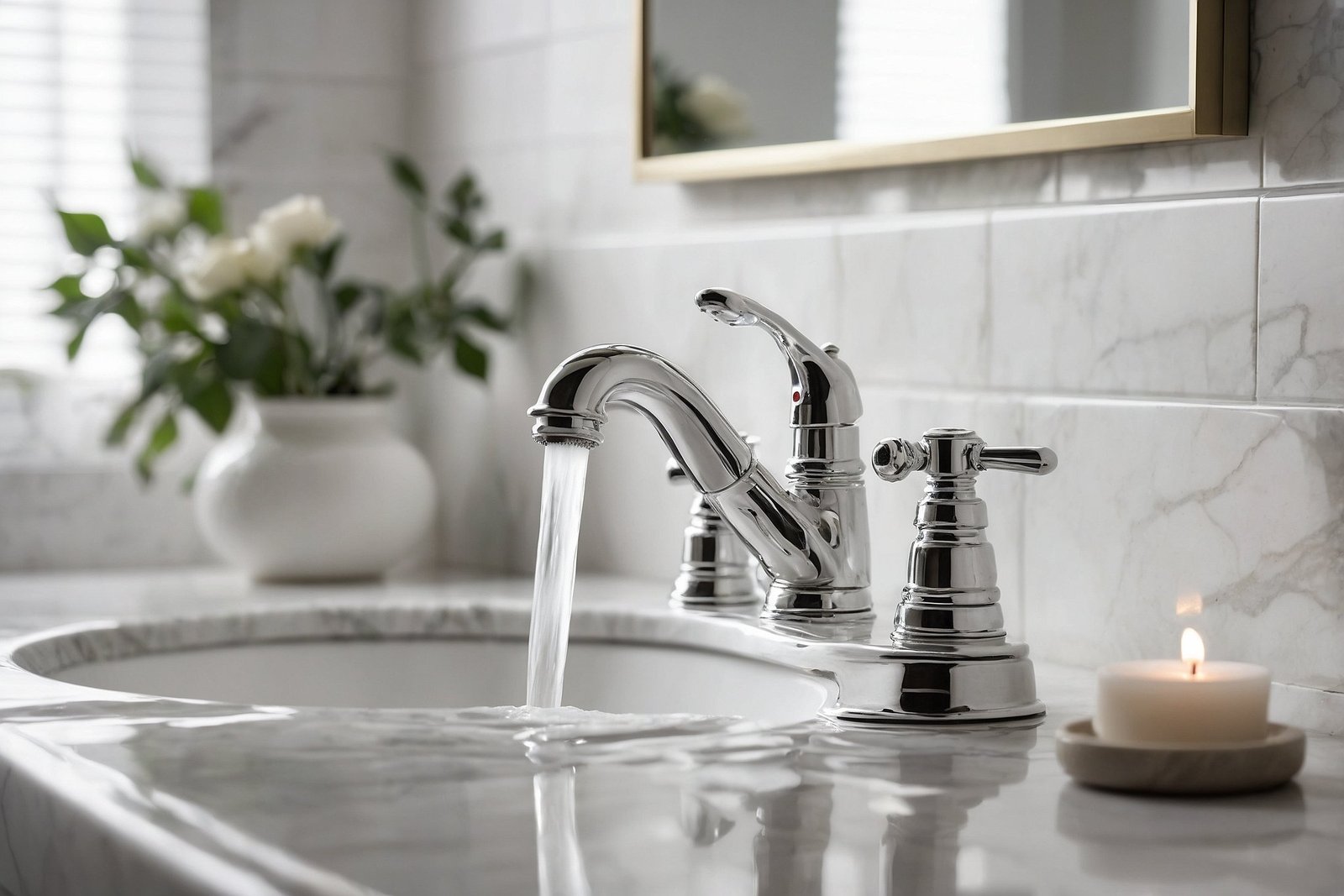
Soak a cloth in white natural cleaning with baking soda and vinegar and wrap it around the affected faucet base for 30 minutes to one hour. For the faucet aerator, unscrew it, drop it into a small bowl of undiluted white vinegar, and soak for one to two hours. For stubborn deposits, CLR Calcium Lime and Rust Remover works faster — apply diluted to chrome surfaces, allow no more than two minutes of contact time, scrub, and rinse immediately and thoroughly. Never leave CLR on chrome longer than directed.
Toilet Bowl Hard Water Stains
Turn off the water supply to the toilet, then flush to empty the bowl. Pour CLR Calcium Lime and Rust Remover directly onto the stained areas, use a toilet brush to spread it above the waterline, and allow it to sit for two minutes. For stubborn mineral rings, Bar Keepers Friend Powder Cleanser applied directly to a damp toilet brush is highly effective — the mild abrasive combined with oxalic acid breaks down the mineral deposits. Do not mix with bleach-containing products.
Stainless Steel Sinks
Spray the sink generously with undiluted white vinegar cleaning hacks and allow a five-minute dwell time. Rinse with water and dry immediately — never allow stainless steel to air dry, as this just adds another layer of mineral deposits. For the area around the drain, apply Bar Keepers Friend as a paste and rub in the direction of the metal grain with a soft cloth before rinsing.
Prevention: The Easiest Hard Water Stain Is One That Never Forms
After every shower, a 20-second squeegee of the glass doors and a quick wipe of the faucets with a dry cloth eliminates the vast majority of deposit buildup. A Hiware Stainless Steel Squeegee hung inside the shower makes this habit effortless. In areas with particularly hard water, applying a water-repelling glass treatment such as Rain-X to shower doors after cleaning creates a barrier that causes water to bead and run off rather than cling and evaporate.
What Not to Use on Hard Water Stains
Standard refresh your bathroom without renovating sprays, bleach, and multi-surface cleaners do not remove mineral deposits. Bleach in particular does nothing to calcium or magnesium deposits and can actually set some rust stains more firmly. Avoid steel wool and highly abrasive scrubbers on chrome, glass, and stainless steel — they cause scratches that make future buildup even harder to remove.
A Bathroom That Looks Clean Because It Is
Once you understand that hard water stains require an acid-based solution and a few minutes of dwell time rather than brute force, the same surfaces that resisted every previous cleaning attempt yield completely to the right product applied correctly. Your shower glass can be genuinely clear again. Your faucets can gleam. It just takes the right chemistry. For more inspiration, browse our cleaning hacks. For more ideas, explore our cleaning hacks.