
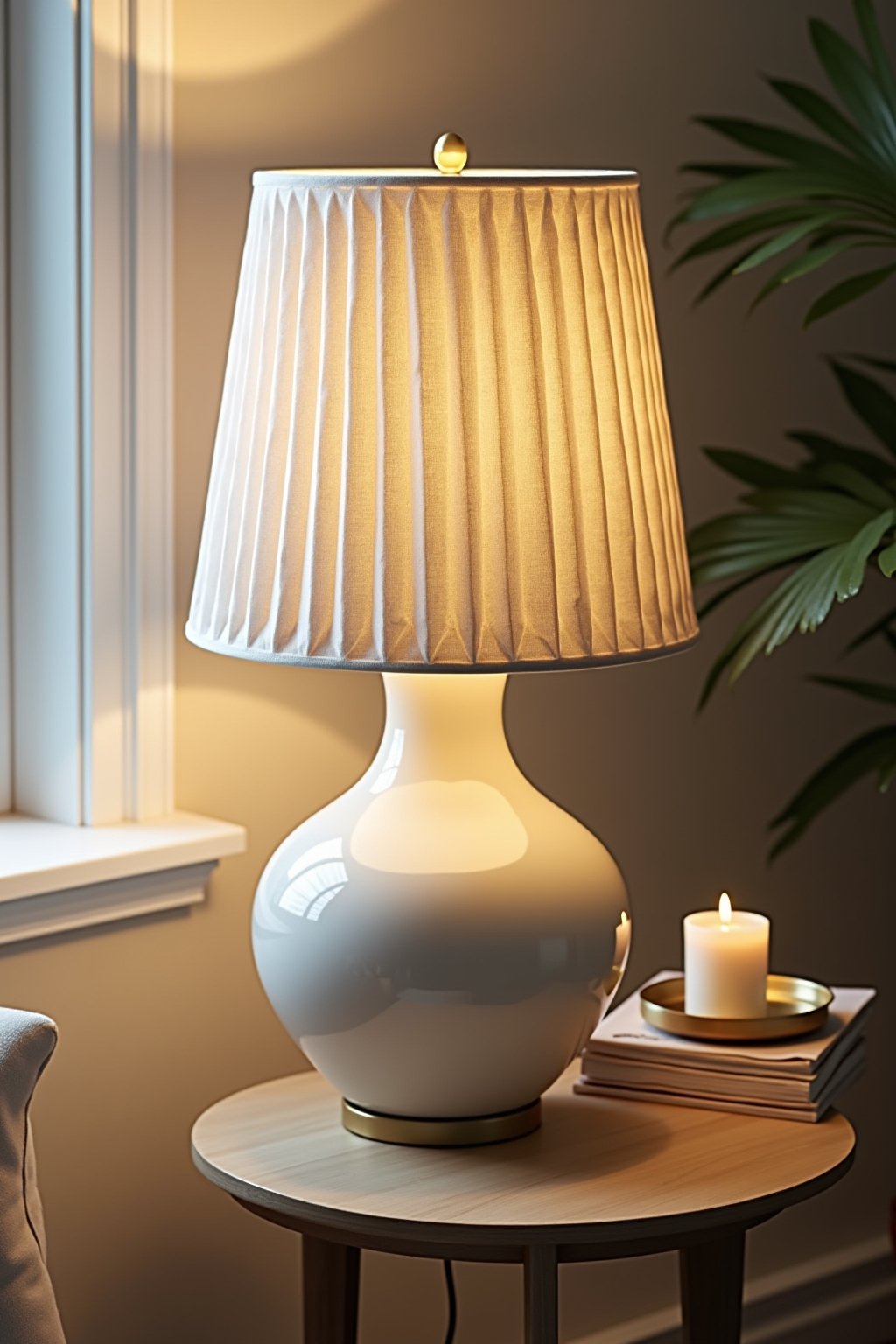
If you told me two years ago that I would be obsessively searching for a pleated lampshade at a vintage market, I would have laughed. Pleated shades felt like something your grandmother had on her nightstand — a little fussy, a little dated, definitely not cool.
Then suddenly they were everywhere. Pinterest, Instagram, designer showrooms, even Target. The pleated lampshade went from forgotten relic to the single most pinned lighting trend of 2026, and once I put one on a simple ceramic table lamp in my living room, I understood why. It added warmth, texture, and personality in a way that no plain drum shade ever could. This is the easiest, most affordable upgrade that makes any room feel instantly more collected and intentional.
The Step Most Recipes Skip
- Adds instant texture — pleated fabric creates beautiful light and shadow patterns that make a room feel warmer and more layered than a flat, plain shade
- Vintage meets modern — pairing a pleated shade with a modern ceramic or stone lamp base creates the collected, lived-in look that defines 2026 design
- Pinterest Predicts top trend — pleated lampshade searches have surged dramatically, and the trend shows no signs of slowing down through the rest of the year
- Budget-friendly transformation — swapping a lampshade takes thirty seconds and costs fifteen to forty dollars. It is one of the cheapest ways to completely change a room’s vibe
- Works everywhere — bedside tables, console tables, living room end tables, even floor lamps. Pleated shades scale beautifully from small accent lamps to statement pieces
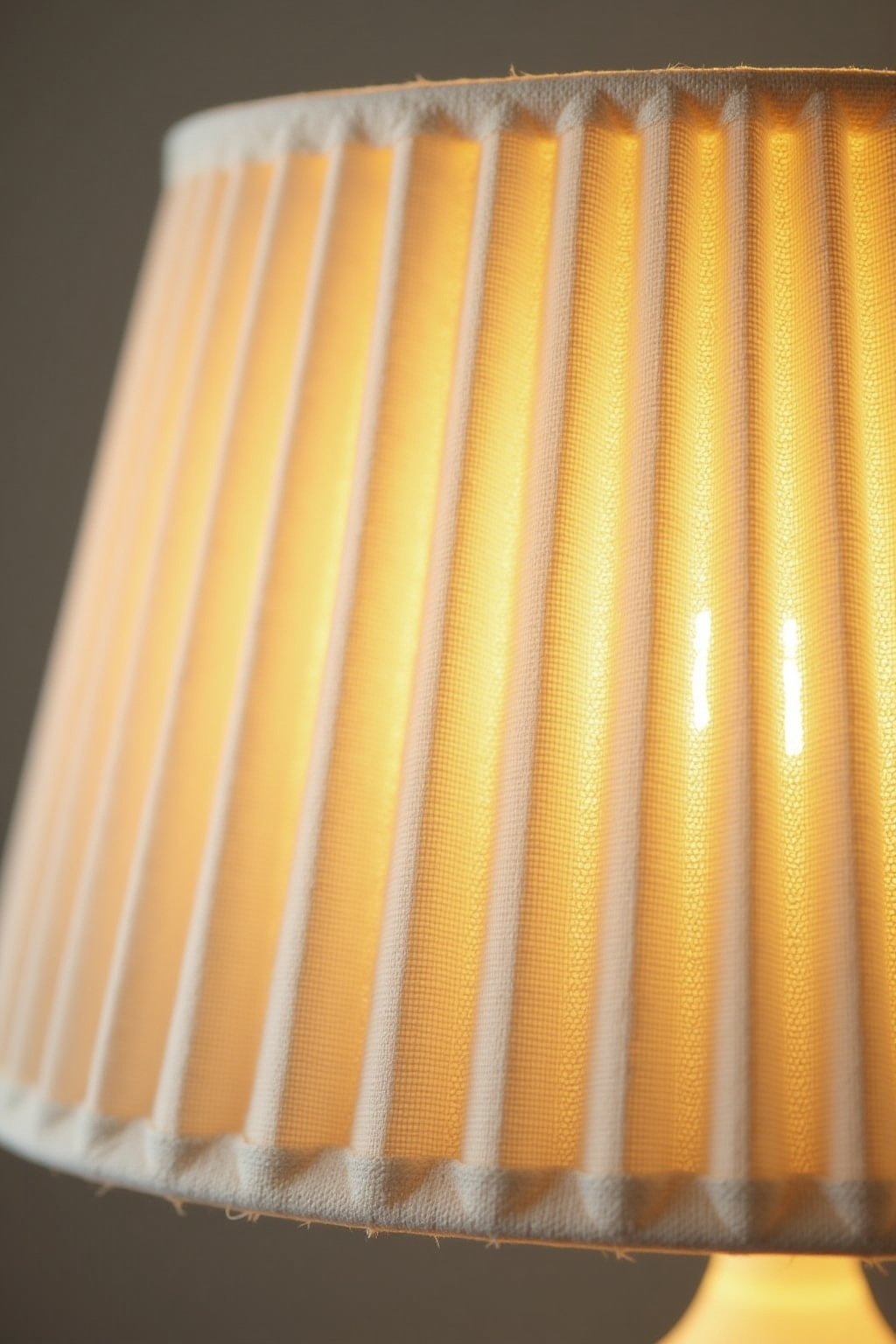
- Warm, flattering light — the pleated fabric diffuses light softly and evenly, creating an ambient glow that is more flattering than harsh direct light through a thin drum shade
What You’ll Need
Getting the pleated lampshade look is surprisingly simple:
- Pleated lampshade: Linen, cotton, or silk in cream, white, soft pink, or sage green — available at Target, Anthropologie, Etsy, and vintage shops
- Lamp base: A ceramic, stone, or wood base in a simple shape. The base should be understated so the shade becomes the focal point
- Proper harp and finial: Make sure your shade fits your lamp’s harp size. A brass or ceramic finial on top adds a finishing detail
- Edison or warm LED bulb: Use a warm-toned bulb (2700K) to complement the soft pleated fabric. Avoid daylight bulbs that look harsh through the folds
The Build
Choose the Right Shade Shape and Size
Pleated shades come in several shapes — empire, drum, bell, and coolie. For a modern-vintage balance, the empire shape (wider at the bottom, narrower at the top) is the most versatile and the most pinned. Bell shapes lean more traditional, while drum shapes keep things cleaner and more contemporary.
Size matters more than you think. The shade should be roughly two-thirds the height of the base and wide enough that the widest point extends just past the base on each side. Too small looks skimpy, too large looks top-heavy. When in doubt, go slightly larger rather than smaller.
Pick a Fabric and Color That Fits Your Room
Cream and off-white linen are the safest and most popular choices — they work in literally any room and create a warm, natural glow when lit. For more personality, soft pink reads romantic and feminine, sage green feels fresh and earthy, and terracotta adds warmth to a neutral room.
Fabric weight affects the light quality. Thicker linen creates a more muted, ambient glow with less light passing through, while thinner cotton or silk lets more light through and shows the pleats more dramatically when the lamp is on. Both look beautiful — it depends on whether you want accent lighting or task lighting.
Pair With the Right Lamp Base
The magic of the pleated shade trend is in the contrast between the ornate shade and a simple base. A chunky ceramic base in matte white, a turned wood base in natural oak, or a fluted stone base in travertine are all perfect pairings. The base should feel solid and grounded while the shade adds the personality.
Avoid ornate or heavily patterned bases — two busy elements competing will make the lamp look cluttered rather than collected. Think of it like an outfit: the shade is the statement piece, the base is the classic foundation. Vintage ceramic bases from thrift stores are perfect for this.
Place Lamps Strategically for Maximum Impact
One pleated lamp is nice. Two matching ones flanking a bed or sofa is a designer move that instantly makes a room feel polished and intentional. Symmetry is your friend with this trend — matching pairs on nightstands, on either end of a console table, or flanking a fireplace creates a sense of balance.
For a more eclectic, collected look, use mismatched bases with matching shades. Same pleated cream shade on two different ceramic bases — one white, one beige — looks intentionally curated rather than matchy-matchy. This is the approach most designers are using right now.
Layer With Other Lighting Sources
A pleated table lamp should not be your only light source. Layer it with overhead lighting, a floor lamp, and candles for the kind of warm, dimensional lighting that makes a room feel like a magazine spread. The pleated lamp provides the ambient glow while other sources handle task and accent lighting.
The combination of a pleated shade casting soft, textured shadows plus candlelight on a nearby surface creates an atmosphere that no single overhead fixture can match. This layered approach is exactly why the pleated shade trend has exploded — people are realizing that lighting is decor, not just function.
Where I See It Break
- Buying a shade that is too small — the number one mistake. A tiny pleated shade on a large base looks ridiculous. Measure your base and go slightly larger than you think you need
- Using a daylight bulb — cool white or daylight bulbs make pleated fabric look harsh and clinical. Always use warm-toned bulbs at 2700K for that cozy, golden glow
- Pairing with an equally ornate base — pleated shade plus a heavily textured or patterned base equals visual chaos. Keep one element simple so the other can shine
- Putting it somewhere with no visual context — a pleated lamp looks best on a styled surface. Add a small tray, a candle, and a book underneath to create a vignette rather than plopping it on a bare table
- Going too matchy — four identical pleated lamps in one room reads as costumey. Mix your lighting types and use pleated shades on one or two key lamps, not every fixture
Saving Some Cash
Thrift store lamp bases: Goodwill and estate sales are goldmines for ceramic and wood lamp bases. A ten-dollar thrift base paired with a new pleated shade looks like a designer piece. Clean it, swap the shade, and nobody will know it cost you twenty-five dollars total.
IKEA hack: Buy a basic IKEA table lamp and replace the included shade with a pleated one from Etsy or Target. Instant upgrade for minimal cost. The LAMPAN base in white works surprisingly well.
DIY option: Pleated shade kits are available on Etsy for crafty types. Styrene shade liners plus linen fabric and fabric glue let you make a custom pleated shade for under fifteen dollars.
Estate sales: Vintage pleated shades in excellent condition show up at estate sales constantly. Bring a lint roller and gently clean the pleats — most just need dusting to look brand new.
How It Comes Together
- Match shade warmth to room palette — cream shades in warm rooms, white shades in cool rooms. This small detail keeps the lighting feeling cohesive
- Use brass or gold finials — the small knob on top of the shade is a detail most people overlook, but a brass finial adds a finishing touch that makes the whole lamp look more expensive
- Try a floor lamp version — a tall floor lamp with an oversized pleated shade in a living room corner makes a dramatic statement and fills vertical space beautifully
- Group with different textures — place a pleated lamp next to a woven basket, a ceramic vase, and a stack of books. The mix of textures is what makes it look collected
- Consider the shade when off and on — a great pleated shade should look beautiful in daylight as a sculptural object and create gorgeous glowing patterns when lit at night
- Rotate seasonally — swap to a sage green or soft pink pleated shade in spring and back to cream in fall for an easy seasonal refresh
Where It Reads Right
Living Room
A pair of pleated cream linen shades on chunky ceramic bases flanking a sofa on matching end tables. Add a brass tray underneath each lamp with a small candle and a stack of coffee table books. The symmetry creates a designer look that is actually very easy to achieve and makes the whole seating area feel more intentional.
Bedroom
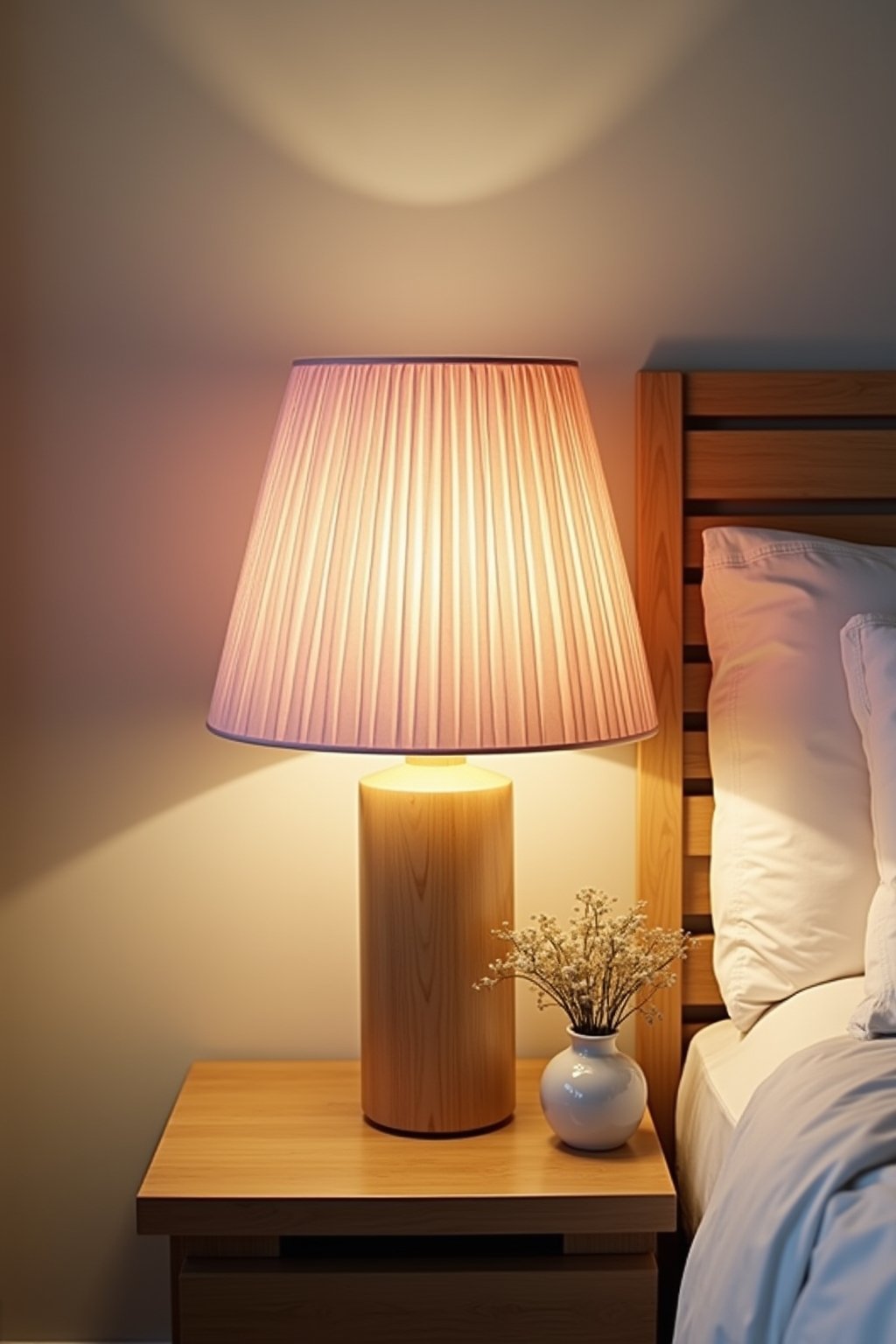
Matching pleated shades on the nightstands instantly make a bedroom feel like a boutique hotel. Choose a soft pink or cream shade on simple wood or stone bases. The warm, diffused glow through the pleats creates the perfect reading light and ambient mood lighting — no overhead fixture needed before bed.
Entryway
A single statement lamp with an oversized pleated shade on a console table in the entryway creates an inviting first impression. Pair it with a round mirror above, a small plant, and a decorative tray for keys. The lamp adds a warm glow that makes guests feel welcome the moment they walk in.
FAQ
Are pleated lampshades outdated or trendy?
Pleated lampshades are one of the biggest lighting trends of 2026. After years of plain drum shades dominating, the design world has swung back to textured, characterful shades. The modern versions use natural linen and cotton rather than the shiny polyester of decades past.
How do I clean a pleated lampshade?
Use a soft bristle brush or lint roller to gently remove dust from the pleats. For deeper cleaning, use a handheld vacuum on the lowest setting with a brush attachment. Avoid water on fabric shades as it can stain or warp the pleats.
What lamp base works best with a pleated shade?
Simple, solid bases work best — think matte ceramic in white or cream, natural wood, travertine stone, or glazed pottery. The base should ground the shade without competing with it. Avoid highly patterned or ornate bases.
Where can I buy pleated lampshades?
Target, Anthropologie, West Elm, and H&M Home carry modern pleated shades at various price points. Etsy has handmade and vintage options. For budget finds, check HomeGoods, TJ Maxx, and thrift stores.
Can I put a pleated shade on any lamp?
Most pleated shades use a standard harp-and-finial attachment or a clip-on fitting. Check your lamp’s harp size before buying. If your lamp uses a different fitting, universal shade adapters are available at hardware stores for a few dollars.
What size pleated shade do I need?
The shade should be roughly two-thirds the height of the lamp base, and the widest point should extend slightly beyond the base on each side. Measure your base height and width before shopping to avoid the most common mistake of buying too small.