
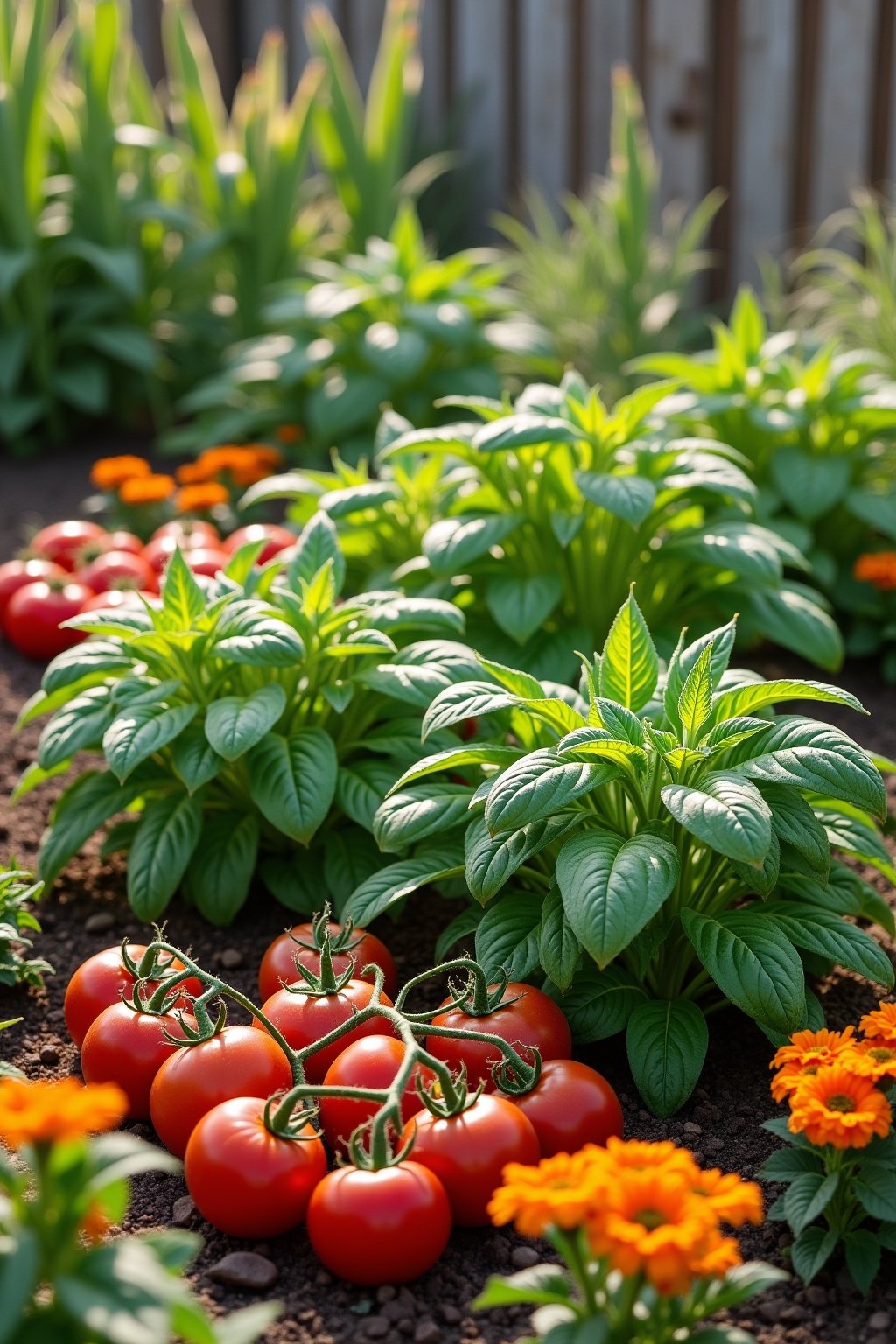
Companion planting is one of the oldest gardening techniques in existence — the Native American ‘Three Sisters’ method of planting corn, beans, and squash together has been used for thousands of years because the three plants genuinely help each other grow. Corn provides a trellis for beans to climb, beans fix nitrogen in the soil that feeds the corn and squash, and squash shades the ground to retain moisture and suppress weeds.
Modern companion planting applies the same principle across your entire garden. Certain plants grown together repel pests, attract beneficial insects, improve soil fertility, or enhance each other’s flavor. Other combinations are disastrous — some plants actively suppress each other’s growth through chemical warfare or compete for the same resources. This guide covers the combinations that work, the ones to avoid, and the science behind why it all matters.
Quick Facts
| Sun | Varies by crop (see individual planting guides) |
| Difficulty | Beginner to Intermediate |
| Season | Plan in winter, implement at planting time |
| Zone | All USDA Zones |
| Time to Harvest | Varies (companion planting improves existing timelines) |
Initial Setup
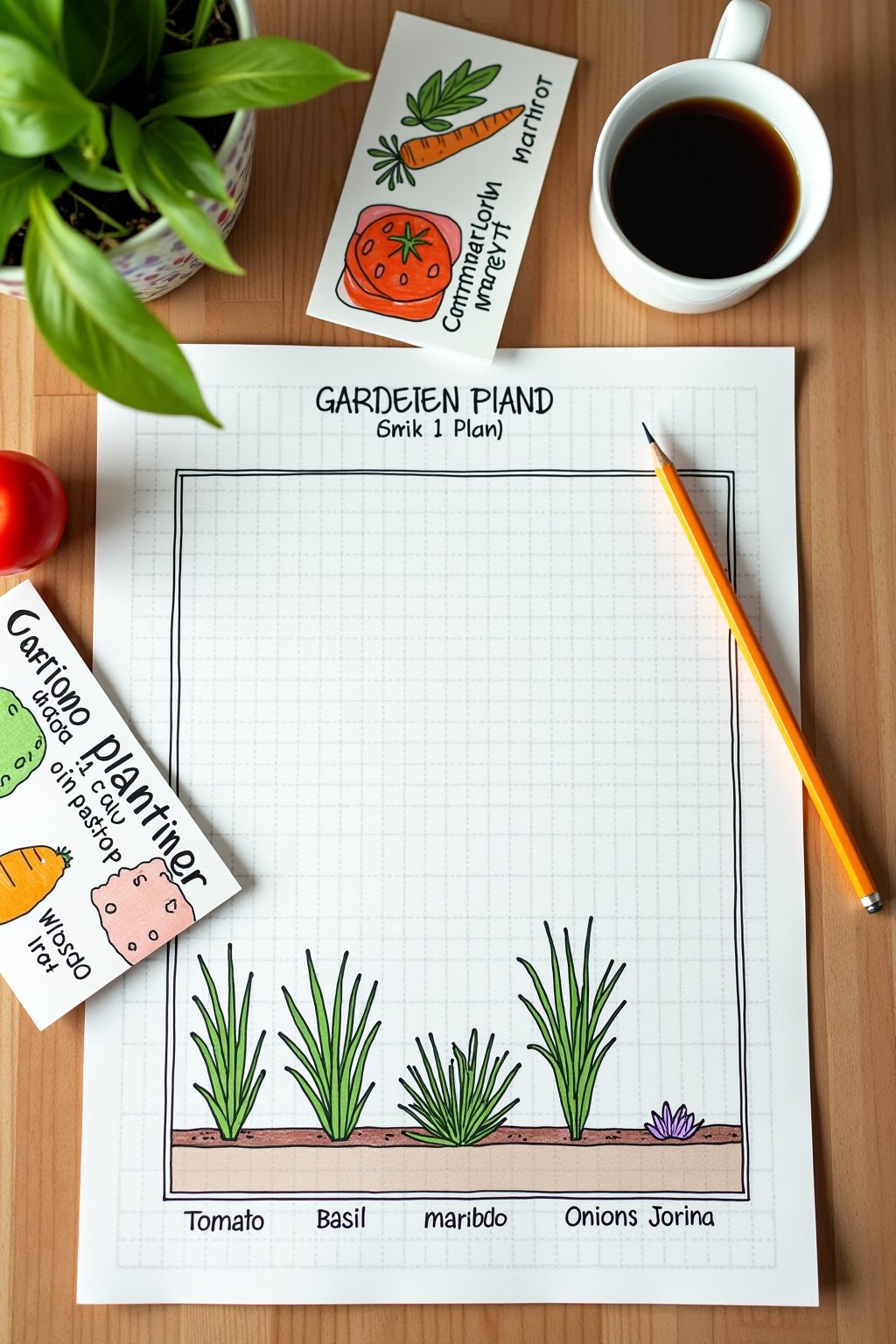
- Garden plan or sketch (map out companion groupings before planting)
- Seeds and transplants for companion crops
- Marigolds (the ultimate companion plant — plant everywhere)
- Basil (repels aphids and flies near tomatoes)
- Nasturtiums (trap crop for aphids — sacrificial decoy plant)
- Herbs for border planting (dill, cilantro, fennel attract beneficial insects)
- Garden journal to track what works in your specific garden
Start with the classics: If companion planting is new to you, start with the best-documented combinations: tomatoes + basil, carrots + onions, corn + beans + squash, and marigolds everywhere. These have centuries of anecdotal evidence plus modern research backing.
Marigolds are magic: French marigolds release chemicals from their roots that kill nematodes (destructive microscopic worms) in the soil. They also repel whiteflies, aphids, and many beetles. Plant them throughout your vegetable garden, especially around tomatoes, peppers, and squash.
Keep a journal: Companion planting results vary by climate, soil, and local pest pressure. What works perfectly in one garden may be less effective in another. Track your combinations and results each season so you build a personalized companion planting guide for your specific conditions.
Step 1: Learn the Best Companion Pairings
The most reliable and well-documented companion planting combinations are:
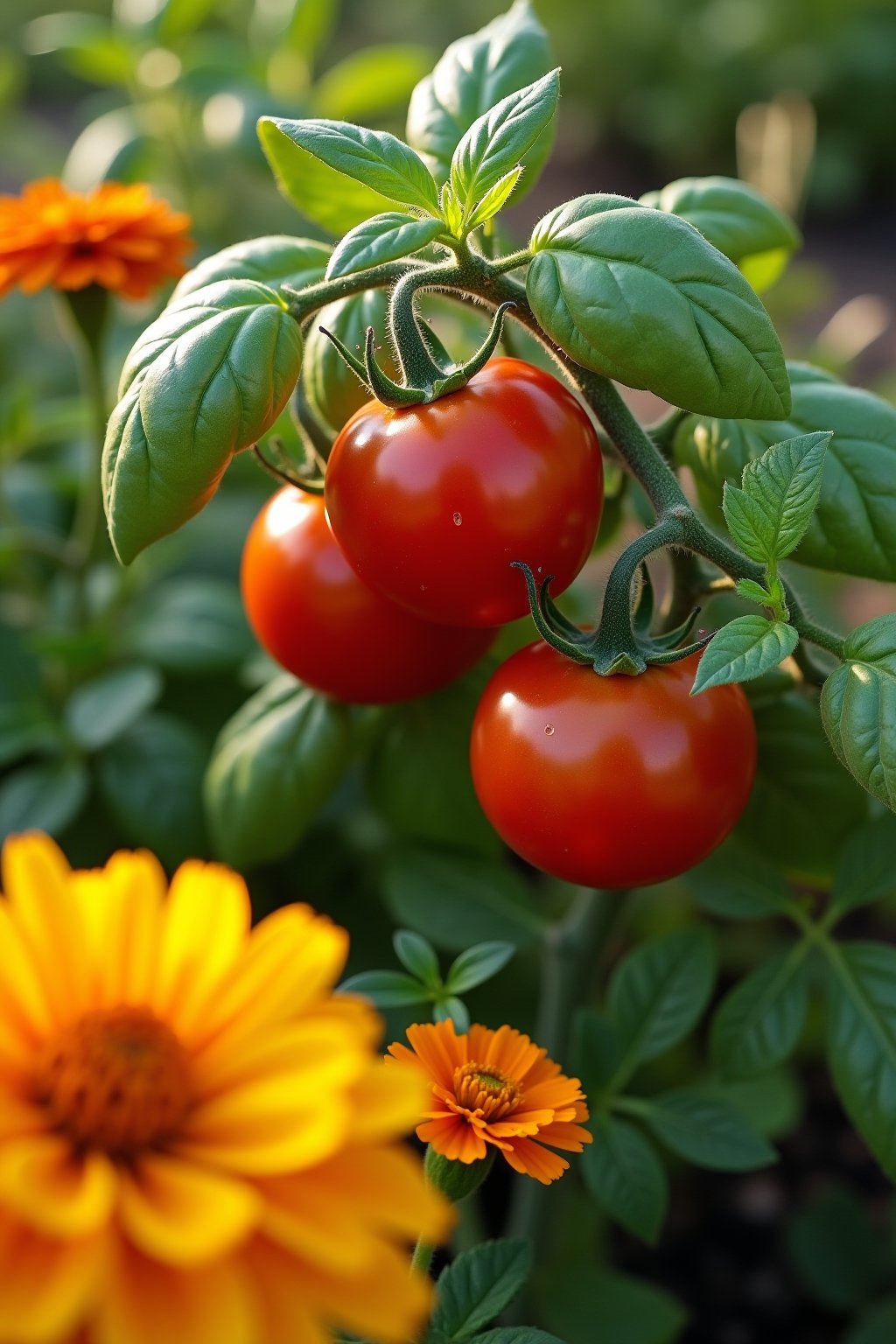
- Tomatoes + Basil: Basil repels aphids, whiteflies, and mosquitoes. Some gardeners report improved tomato flavor (debated, but basil definitely doesn’t hurt).
- Carrots + Onions: Onion scent repels carrot fly. Carrot scent repels onion fly. They protect each other.
- Corn + Beans + Squash (Three Sisters): Corn = trellis for beans. Beans fix nitrogen for corn and squash. Squash shades soil and blocks weeds.
- Cabbage + Dill: Dill attracts parasitic wasps that eat cabbage caterpillars.
- Roses + Garlic: Garlic repels aphids, Japanese beetles, and rose chafer beetles.
- Lettuce + Tall Plants: Lettuce benefits from the shade of taller crops in summer heat.
Step 2: Know What to Keep Apart
Some combinations actively harm each other. The worst pairings to avoid:
- Fennel + Almost Everything: Fennel releases chemicals that inhibit the growth of most garden plants. Grow it in its own isolated area or in a pot.
- Tomatoes + Brassicas (Cabbage, Broccoli): Brassicas are heavy feeders that compete directly with tomatoes for the same nutrients.
- Beans + Onions/Garlic: Alliums (onions, garlic, leeks) inhibit bean growth through chemical compounds released by their roots.
- Potatoes + Tomatoes: Same plant family (Solanaceae) — growing them together concentrates soilborne diseases and late blight.
- Dill + Carrots (when flowering): Dill can cross-pollinate with carrots and stunt their root development when allowed to flower.
- Cucumbers + Aromatic Herbs: Strong herbs like sage and mint can inhibit cucumber growth.
Step 3: Use Flowers as Pest Control Allies
Flowers are not just decorative in a vegetable garden — they are powerful pest management tools. The most effective companion flowers:
- Marigolds: Kill nematodes in soil, repel whiteflies and aphids. Plant throughout the entire garden.
- Nasturtiums: Act as a trap crop — aphids prefer nasturtiums over your vegetables, concentrating on the sacrificial flowers instead.
- Zinnias: Attract ladybugs and hoverflies (both eat aphids by the hundreds).
- Sweet Alyssum: Low-growing ground cover that attracts hoverflies and provides habitat for ground beetles that eat slugs.
- Sunflowers: Attract pollinators, provide shade for heat-sensitive crops, and their stalks can serve as bean trellises.
Step 4: Plant Herbs as Living Pest Repellents
Herbs pull double duty — you harvest them for the kitchen while they protect your vegetables. The best pest-repelling herbs:
- Basil: Repels aphids, flies, and mosquitoes. Plant next to tomatoes and peppers.
- Rosemary: Repels carrot fly, cabbage moth, and bean beetles.
- Thyme: Deters cabbage worms. Plant near brassicas.
- Chives: Repel aphids and Japanese beetles. Excellent border plant for raised beds.
- Dill and Cilantro (when flowering): Attract parasitic wasps, lacewings, and other beneficial insects that eat garden pests. Let some bolt to flower on purpose.
Step 5: Design Your Garden Layout With Companions in Mind
When planning your garden, group companions together and separate antagonists. Here is a simple layout approach: divide your garden into zones based on plant families and their companions.
Zone 1 — Nightshade + Herbs: Tomatoes, peppers, eggplant with basil, marigolds, and nasturtiums.
Zone 2 — Root Crops: Carrots, onions, garlic, beets (protect each other from flies and beetles).
Zone 3 — Brassicas + Dill: Cabbage, broccoli, kale with dill and thyme (pest deterrents).
Zone 4 — Three Sisters: Corn, beans, squash together in their own dedicated area.
Zone 5 — Cucurbits: Cucumbers, melons, zucchini with nasturtiums as trap crops.
Step 6: Track Results and Adjust Each Season
Companion planting is part science, part observation. Keep a garden journal and note which combinations work in your specific garden. Record pest activity, yields, and any observations about plant health near different companions.
What works in one climate and soil may differ in another. The documented combinations above are strong starting points, but your own multi-year observations in your specific garden will eventually become your most valuable companion planting guide. Don’t be afraid to experiment — try new combinations each year and keep notes on what you learn.
Troubleshooting
Companion planting didn’t reduce pests: Companion planting reduces pest pressure, it does not eliminate pests entirely. Think of it as one tool in an integrated approach that includes mulching, hand-picking, row covers, and encouraging beneficial insects. Also, some combinations take a full season to show effects — root-zone nematode reduction from marigolds, for example, requires an entire growing season.
Plants near companions growing poorly: Check spacing — companion plants still need adequate room. Crowding causes competition for water and light. Also check the antagonist list — you may have inadvertently planted a bad combination.
Trap crops attracting more pests to the garden: This means the trap crop is working — pests are concentrated on the sacrificial plant instead of your vegetables. Monitor and remove heavily infested trap crop plants to prevent pest populations from overflowing to nearby crops.
Herbs bolting too fast: Let them flower — that is when they attract the most beneficial insects. Flowering herbs are doing their companion planting job. Sow successive batches so you always have both fresh herbs for the kitchen and flowering herbs for pest control.
A Seasonal Rhythm
Winter (Planning Season): Sketch your garden layout with companion groupings. Order seeds with companions in mind. Review last year’s journal notes.
Spring: Plant companions together: tomatoes with basil and marigolds, carrots with onions, brassicas with dill. Sow nasturtiums as trap crops around the garden perimeter.
Summer: Observe and record which combinations are working. Let some herbs bolt to flower for beneficial insect attraction. Plant the Three Sisters when soil warms.
Fall: Plant garlic near where roses or fruit trees will grow next year. Sow a cover crop (clover or winter rye) to fix nitrogen and suppress weeds — the ultimate companion planting for soil.
Stuff Most Skip
- Marigolds are the number one companion plant — plant them everywhere in your vegetable garden. French marigolds in particular kill root-knot nematodes and repel numerous flying pests.
- Let some herbs flower on purpose — flowering dill, cilantro, and fennel attract parasitic wasps and hoverflies that eat aphids, caterpillars, and other garden pests by the thousands.
- Nasturtiums are the best trap crop — aphids prefer nasturtiums over anything else. Plant them at the garden edge as sacrificial plants that draw pests away from your vegetables.
- Fennel is the garden loner — it inhibits almost everything. Grow fennel in a pot or isolated corner far from other crops. It is a wonderful herb but a terrible neighbor.
- Rotate companion groupings annually — just like crop rotation, moving companion groups to different areas each year prevents soil depletion and disease buildup.
- Start a garden journal — companion planting results vary by location. Your personal observations over 2-3 seasons are more valuable than any chart because they reflect your specific conditions.
Quick Answers
Does companion planting really work?
Yes — many companion planting combinations are backed by scientific research. Marigolds killing root-knot nematodes is well documented. Onions repelling carrot fly has been demonstrated in studies. The Three Sisters method has been used for thousands of years for good reason. Some claimed benefits (like basil improving tomato flavor) are less proven but widely observed by gardeners.
What are the best plants to grow next to tomatoes?
Basil (repels aphids and flies), marigolds (repel whiteflies and nematodes), nasturtiums (trap crop for aphids), carrots (break up soil around tomato roots), and parsley (attracts beneficial insects). Avoid planting tomatoes next to brassicas, fennel, or other nightshade family plants like potatoes.
What plants should never be planted together?
The worst combinations: fennel + anything (it inhibits most plants), beans + alliums (onions suppress beans), tomatoes + potatoes (share diseases), and cabbage + strawberries (stunt each other). Also keep mature dill away from carrots — it can cross-pollinate and stunt root development.
How close should companion plants be?
Close enough to interact but not so close they compete for resources. A general rule: within 2-3 feet for pest repellent effects, within 1 foot for soil interactions. Interplanting (alternating companion plants within the same row or bed) is the most effective approach.
What is the Three Sisters planting method?
A Native American technique of planting corn, beans, and squash together. Corn provides a natural trellis for beans to climb. Beans fix nitrogen in the soil that feeds all three plants. Squash covers the ground with large leaves, suppressing weeds and retaining soil moisture. It’s one of the most elegant companion planting systems ever developed.
Can I companion plant in containers?
Absolutely. The same principles apply. Plant basil with container tomatoes, marigolds with container peppers, and chives with potted roses. Use large containers (5+ gallons) so both plants have enough root space. Container companion planting is especially useful on balconies and patios where space is limited.