
I’ll be honest — when my teenage daughter first showed me a TikTok cleaning video where someone poured an entire box of baking soda into a toilet bowl and called it “life-changing,” I rolled my eyes so hard I nearly pulled a muscle. I’ve been cleaning professionally and writing about cleaning methods for years, and the idea of getting advice from 30-second videos felt, well, ridiculous.
But then I kept seeing the same hacks over and over. Millions of views. Thousands of comments saying “this actually works.” So I did what any self-respecting cleaning nerd would do — I tested every single viral TikTok cleaning hack I could find. I spent three full weekends scrubbing, soaking, and spraying my way through the most popular ones. Some were genuinely brilliant. Others were a complete waste of time. Here are the 10 that actually earned a permanent spot in my cleaning routine.
| ⏱ Time Required: | Varies per hack |
| 📈 Difficulty: | Easy |
| 💰 Supplies Cost: | $5-15 total |
| 🔄 How Often: | On laundry day |
Daily-Use Notes
- Real-world testing removes the guesswork — every hack here has been personally tested on actual household grime, not staged for camera
- Time savings add up fast — most of these hacks cut standard cleaning time by 30-50 percent on specific tasks
- Budget-friendly ingredients — the majority use pantry staples like baking soda, vinegar, and dish soap you already own
- No specialty tools required — you won’t need to buy gadgets or expensive products to try any of these
- Backed by cleaning science — the hacks that work do so because of real chemical reactions, not internet magic
- Safe for most surfaces — each hack includes notes on which surfaces to avoid so you don’t accidentally cause damage
First Things First
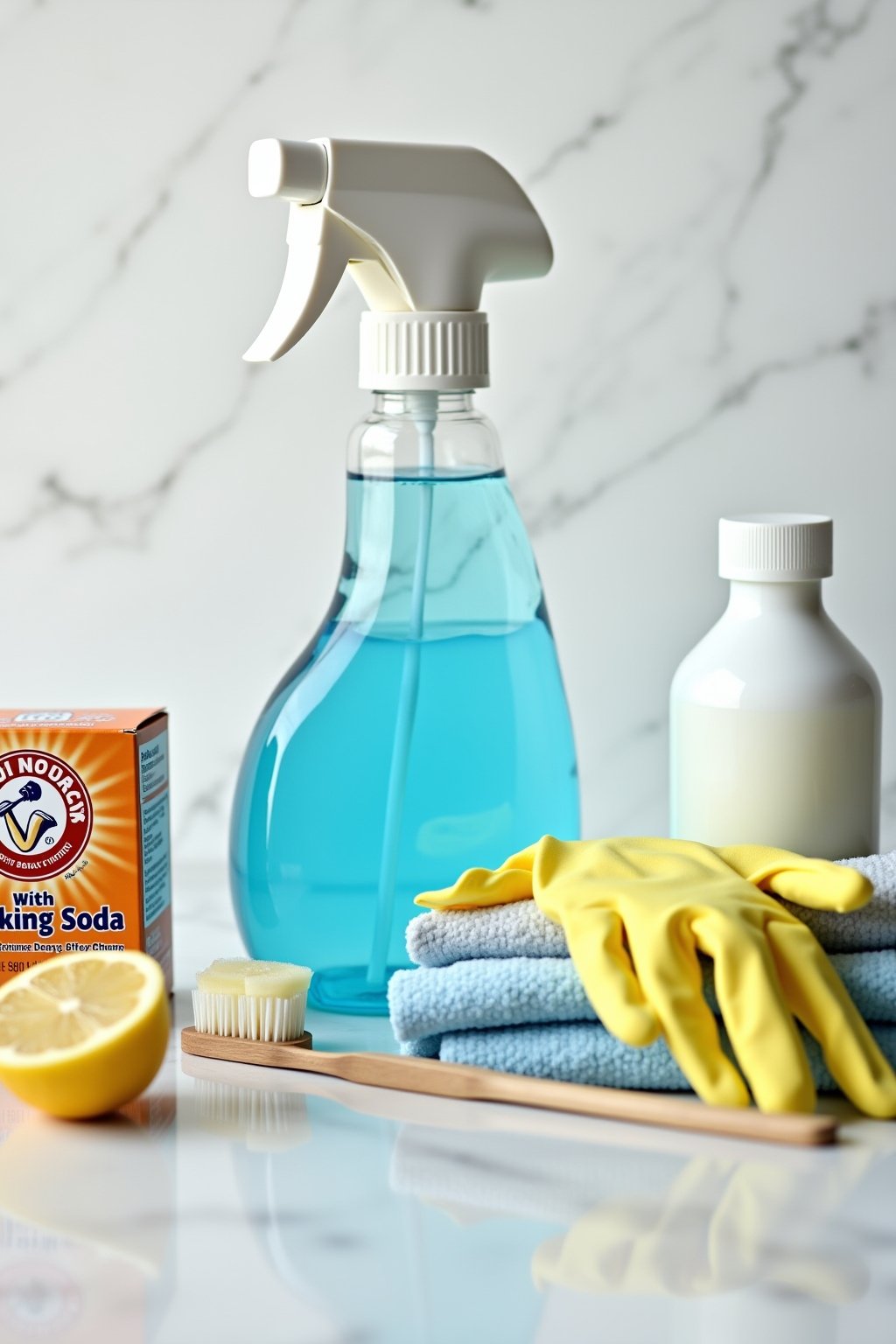
Here are the supplies you’ll want on hand to try all 10 hacks. You probably already have most of these:
- Baking soda — the workhorse ingredient in at least four of these hacks; buy a large box
- White distilled vinegar — creates a fizzing reaction with baking soda that loosens grime and deodorizes
- Dawn dish soap — the blue original formula is a powerful degreaser used in several viral methods
- Hydrogen peroxide (3%) — the standard drugstore concentration for stain removal and whitening
- Microfiber cloths — essential for streak-free results on glass, stainless steel, and countertops
- Spray bottles — you’ll want at least two for mixing custom solutions
- Old toothbrush — perfect for grout lines, faucet bases, and tight corners
- Rubber gloves — protect your hands when working with hydrogen peroxide or extended scrubbing
The Steps
The Baking Soda Paste for Sheet Pan Grime
This hack went viral for good reason. Mix three tablespoons of baking soda with one tablespoon of hydrogen peroxide to form a thick paste. Spread it across your stained sheet pans and let it sit for two to three hours, or overnight for really baked-on grime. The peroxide works as a mild bleaching agent while the baking soda provides gentle abrasion.
When you come back, scrub with a non-scratch sponge and rinse. I tested this on a sheet pan that had been through at least 200 uses and had dark brown staining I’d accepted as permanent. After an overnight soak, about 80 percent of the staining lifted. It won’t make old pans look brand new, but the improvement is genuinely impressive. Pro tip: this also works on muffin tins and casserole dishes with baked-on residue.
The Dishwasher Tablet in the Toilet Hack
Drop one dishwasher tablet into your toilet bowl, let it dissolve for 15 to 20 minutes, then scrub with a toilet brush and flush. The enzymes and surfactants in dishwasher tablets are designed to break down food residue and hard water deposits, which is essentially what toilet bowl stains are made of. I was skeptical, but this one works remarkably well on mineral rings and light staining.
The key is giving the tablet enough time to fully dissolve and react. Don’t rush it. I tested this alongside a standard toilet bowl cleaner on two equally stained toilets, and the dishwasher tablet performed almost identically. For heavy limescale buildup, you may need to repeat the process twice. One important note: this is not a replacement for regular toilet cleaning — it’s a deep-clean boost you can use monthly.
The Vinegar Shower Head Soak
Fill a plastic bag with white vinegar, secure it around your shower head with a rubber band so the head is fully submerged, and leave it overnight. In the morning, remove the bag, run hot water for two minutes, and wipe the nozzles with an old toothbrush. This dissolves mineral deposits that clog the spray holes and reduce water pressure over time.
I noticed a significant improvement in water pressure after just one overnight soak. If your shower head has visible white or green mineral buildup around the nozzles, this will absolutely help. For extremely clogged heads, you may need to repeat for two consecutive nights. This hack is especially effective in areas with hard water. The only caution: if your shower head has a special finish like oil-rubbed bronze or brushed nickel, check the manufacturer’s guidelines first — prolonged vinegar contact can dull certain finishes.
The Dawn and Vinegar Shower Spray
Heat one cup of white vinegar in the microwave for 60 seconds (warm, not boiling), then pour it into a spray bottle and add one cup of blue Dawn dish soap. Shake gently to combine. Spray generously on shower walls, glass doors, and tub surfaces, then let it sit for 30 minutes before wiping down with a damp cloth. This combination dissolves soap scum and hard water stains without heavy scrubbing.
This was the hack that honestly converted me. I sprayed it on a glass shower door that had months of soap scum buildup and walked away. When I came back, the scum wiped off with almost zero effort. The Dawn cuts through the greasy film while the vinegar dissolves mineral deposits. I now keep a bottle of this premixed under my bathroom sink permanently. Make a fresh batch every two weeks for best results, since the vinegar slowly neutralizes over time when mixed with soap.
The Lint Roller on Lampshades and Upholstery
Run a lint roller over fabric lampshades, upholstered headboards, throw pillows, and couch cushions to remove dust, pet hair, and lint in seconds. This seems almost too simple to count as a hack, but the speed and effectiveness are what make it brilliant. A lint roller picks up surface debris that vacuuming often pushes deeper into fabric fibers.
I tested this on a velvet lampshade that was visibly dusty and a linen headboard covered in cat hair. The lint roller removed virtually everything in under a minute each. The trick is to use slow, deliberate rolls rather than quick swipes — pressing firmly so the adhesive makes full contact with the fabric. Keep a lint roller in your cleaning caddy permanently. It’s also incredible for quickly de-fuzzing throw blankets before guests arrive.
The Ice Cube Trick for Carpet Dents and Garbage Disposal Cleaning
For carpet dents left by heavy furniture, place an ice cube directly on each dent and let it melt completely (about four hours). Once melted, bluff the fibers upward with a fork or spoon, then vacuum. The water rehydrates compressed carpet fibers and allows them to spring back to their original height. I moved a bookcase that had been sitting in the same spot for two years and the dents were deep — after the ice cube treatment, they were about 90 percent restored.
For garbage disposals, toss a handful of ice cubes and half a cup of coarse salt into the disposal, run it for 30 seconds, then flush with cold water. The ice and salt act as a natural abrasive that scrapes built-up food residue off the blades and walls of the disposal. Follow with half a lemon pushed through the running disposal for a fresh citrus finish. Do this weekly to prevent odor buildup — it takes less than two minutes and the difference in smell is immediate.
The Pillow Fluff Test and the Mattress Baking Soda Refresh
Two bonus hacks that are quick but impactful. First, the pillow test: fold your pillow in half and release it. If it springs back to flat, it’s still good. If it stays folded, it’s lost its support and needs replacing. This simple test has saved me from sleeping on dead pillows I didn’t realize were shot. Second, strip your bed, sprinkle a generous layer of baking soda over the entire mattress surface, let it sit for 30 minutes to an hour, then vacuum thoroughly with an upholstery attachment.
The baking soda absorbs moisture, neutralizes odors, and loosens dust mites and skin cells trapped in the surface fibers. I do this every time I wash my sheets — roughly every two weeks — and the mattress consistently smells noticeably fresher. For stubborn odors, add five drops of lavender essential oil to the baking soda before sprinkling. The combination of deodorizing and light fragrance makes your bedroom feel like a hotel. These two hacks take under five minutes of effort and the payoff in sleep quality is real.
Likely Culprits
- Mixing vinegar and bleach — some TikTok videos show this combination, but it creates toxic chlorine gas that can cause serious respiratory damage; never combine these two chemicals under any circumstances
- Using undiluted vinegar on natural stone — the acid in vinegar etches marble, granite, and travertine surfaces permanently; always check your surface material before applying any vinegar-based hack
- Skipping the wait time — most of these hacks rely on chemical reactions that need 15-30 minutes minimum to work; wiping too early gives mediocre results and wastes product
- Assuming one application fixes everything — years of buildup won’t disappear in one round; stubborn stains often need two or three applications before you see full results
- Trusting every viral video equally — view counts don’t equal effectiveness; always check comments for real user feedback and test new hacks in a small hidden area first
When This Is the Move
Kitchen
The sheet pan paste, garbage disposal ice trick, and Dawn-vinegar spray are your kitchen power trio. Use the paste on all your baking sheets and roasting pans monthly. Run the ice-and-salt disposal hack weekly. Keep the Dawn-vinegar spray under the sink for quick stovetop and counter degreasing — it cuts through cooking grease faster than most commercial sprays.
Bathroom
The Dawn-vinegar spray and shower head soak will transform your bathroom routine. Spray the shower walls and glass door after every third shower to prevent soap scum buildup entirely. Soak the shower head once a month, and use the dishwasher tablet toilet hack on the same schedule. Together, these three hacks keep the bathroom sparkling with minimal weekly scrubbing.
Bedroom and Living Room
The lint roller, mattress baking soda refresh, and pillow test belong here. Lint-roll lampshades and upholstery weekly during your regular dusting routine. Do the mattress refresh every time you wash sheets. Test your pillows every three months and replace any that fail — your neck will thank you. The carpet dent ice cube trick is useful anytime you rearrange furniture.
FAQs From Comments
Are TikTok cleaning hacks safe for all surfaces?
No, and that’s the most important thing to verify before trying any hack. Vinegar-based methods will damage natural stone like marble and granite. Baking soda can scratch delicate surfaces like certain cooktops. Always test in a small, hidden area first and check your surface material before applying anything new.
Why do some TikTok cleaning hacks not work for me?
The most common reason is not giving the product enough contact time. Many hacks rely on chemical reactions that need 15 to 30 minutes to fully work. If you spray and wipe immediately, you’re doing all the work yourself instead of letting the chemistry do it. Water temperature, product concentration, and the age of the stain also matter.
Can I mix baking soda and vinegar for cleaning?
You can, but the fizzing reaction is mostly water and carbon dioxide — it looks dramatic but the cleaning power comes from the individual ingredients, not the reaction itself. The fizzing can help loosen debris in drains and crevices through physical agitation, but for flat surfaces, using them separately is actually more effective.
How often should I deep clean using these methods?
Most of these hacks work best on a monthly rotation. Do the shower head soak, toilet tablet, and mattress refresh once a month. The sheet pan paste and disposal ice trick can be done as needed. The Dawn-vinegar shower spray is effective enough to use weekly as a preventive measure.
Is the Dawn dish soap brand specifically important?
Dawn’s original blue formula has a specific surfactant concentration that makes it particularly effective as a degreaser. Other dish soaps will work in a pinch, but Dawn consistently outperforms them in these hacks. The key is using the original blue formula, not the ultra-concentrated or scented varieties.
Are these hacks safe around pets and children?
The baking soda, vinegar, and dish soap hacks are generally safe once rinsed and dried. Hydrogen peroxide should be used in ventilated areas and rinsed thoroughly. Never leave open containers of any cleaning solution where pets or children can access them. If you have birds, avoid using any aerosol sprays — their respiratory systems are extremely sensitive.