
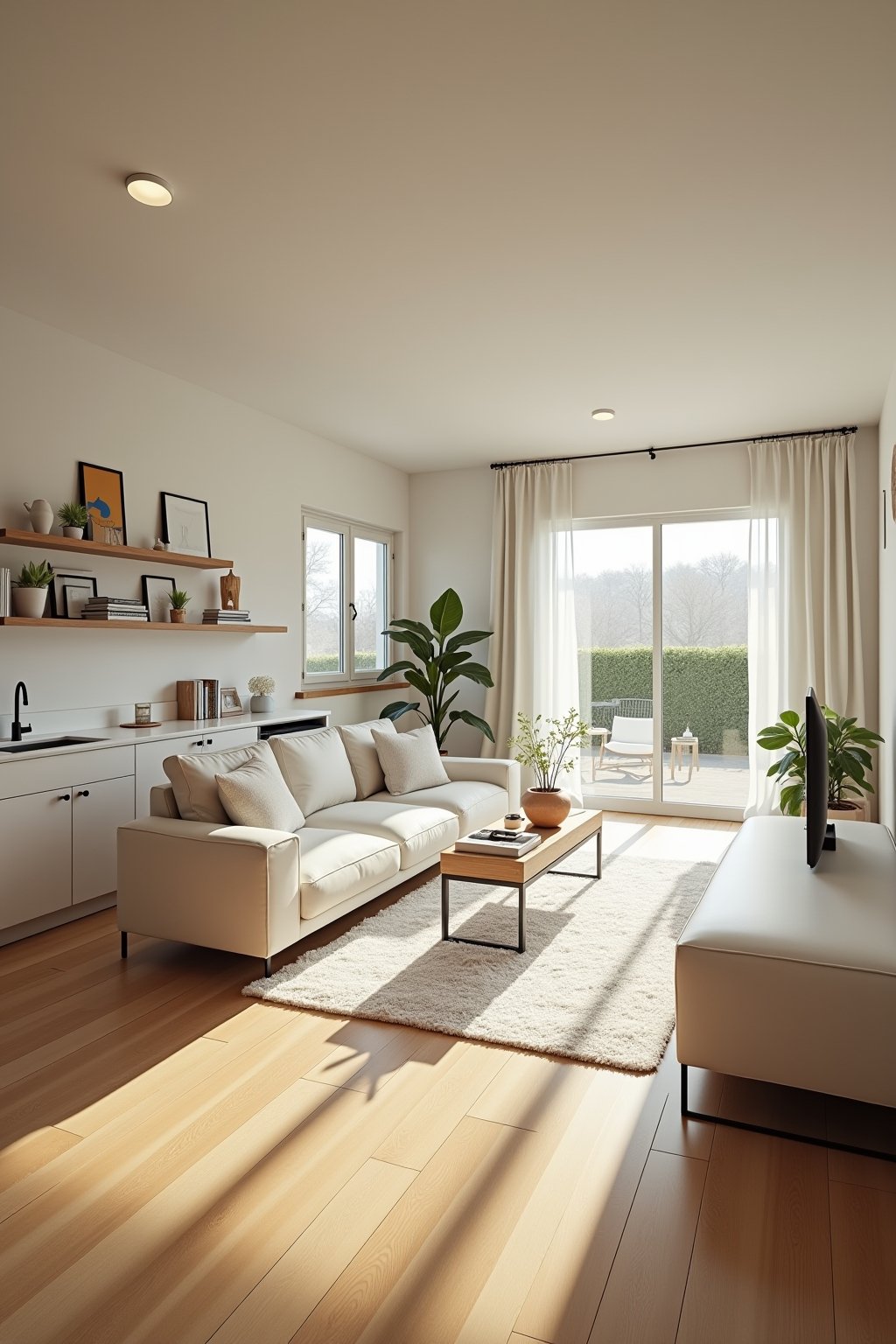
The first time I timed myself cleaning my entire house, it took almost six hours. Six. I was scrubbing things that did not need scrubbing, reorganizing drawers that were fine, and going back and forth between rooms like a confused Roomba. I was exhausted, frustrated, and the house still did not look that much better because I’d spent most of my energy on invisible tasks.
So I studied what professional house cleaners actually do — and it changed everything. Pros clean a standard three-bedroom home in about two hours because they follow a ruthlessly efficient system. They never backtrack. They carry their supplies. They clean top to bottom and left to right. Once I adopted their methods, my cleaning time dropped from an entire afternoon to exactly two hours, and the results are noticeably better. Here is the exact system, room by room, minute by minute.
| ⏱ Time Required: | Under 30 minutes |
| 📈 Difficulty: | Easy |
| 💰 Supplies Cost: | $5-15 |
| 🔄 How Often: | Whenever it comes up |
Why I Keep Coming Back to This
- Professional cleaners use this method daily — the top-to-bottom, left-to-right system is the industry standard because it eliminates wasted motion
- Two hours is psychologically manageable — knowing there is a hard stop makes it easier to start and stay motivated throughout
- Covers every visible surface — you are not deep cleaning, you are making every room look and feel noticeably cleaner in the shortest time possible
- Works for any home size — adjust time per room proportionally and the system scales from apartments to four-bedroom houses
- Eliminates backtracking — moving through rooms in order with all supplies in hand means you never retrace your steps
- Leaves a genuinely clean home — this is not just picking up clutter; you are actually cleaning surfaces, floors, and fixtures
On the Front End
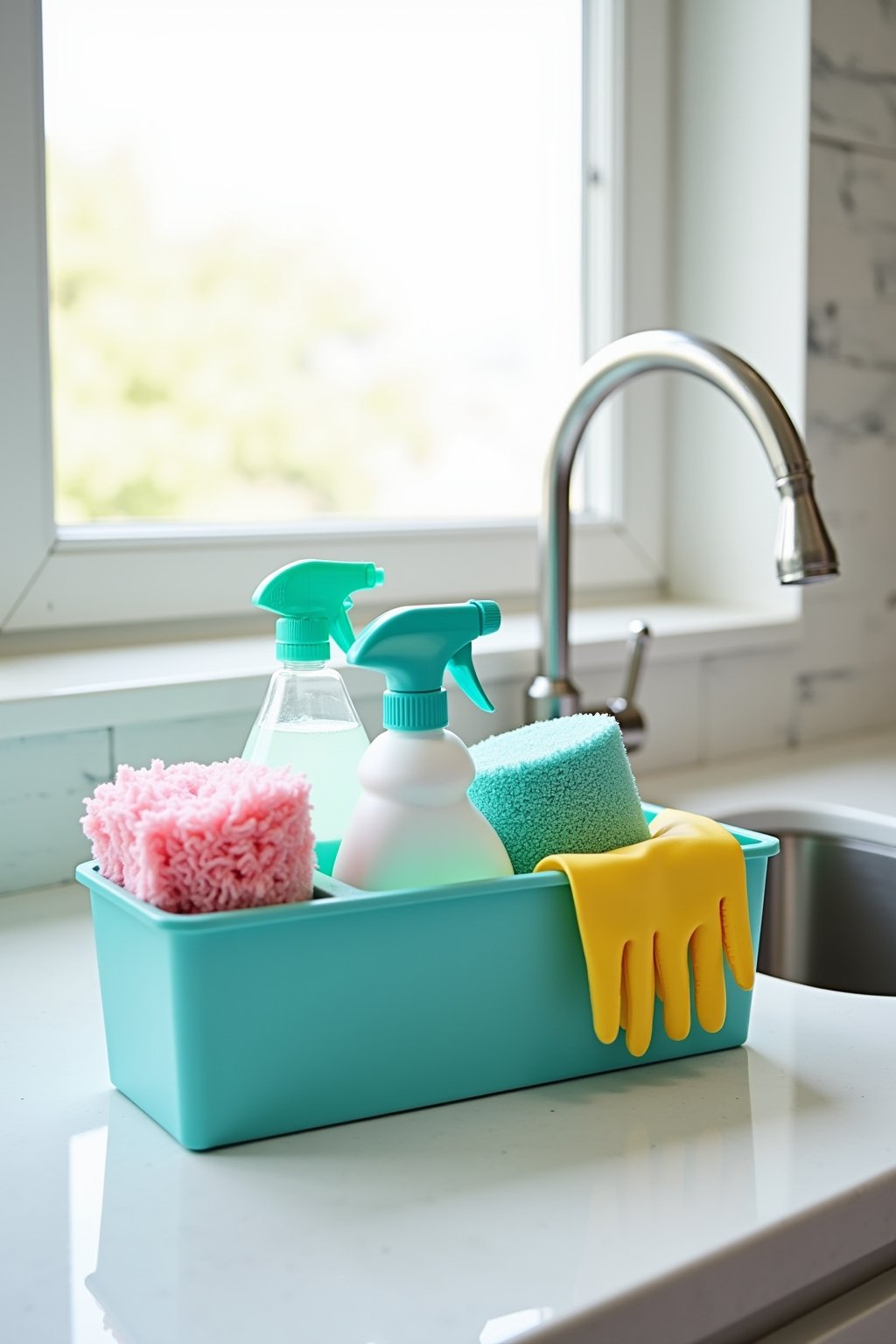
Carry everything with you in a cleaning caddy or bucket so you never waste time walking back for supplies:
- Cleaning caddy or bucket — the single most important speed cleaning tool because it keeps everything within arm’s reach
- All-purpose spray cleaner — one product for counters, sinks, appliance exteriors, and general surfaces
- Glass cleaner — for mirrors and glass doors
- Toilet bowl cleaner — squirt and soak while you clean the rest of the bathroom
- 4–6 microfiber cloths — carry them tucked into your waistband or apron for instant access
- Scrub sponge — one with an abrasive side for stubborn spots
- Extendable duster — for ceiling fan blades, top of door frames, and high shelves without a ladder
- Vacuum with attachments — leave it plugged in centrally and grab it at the end for a whole-house floor pass
- Large trash bag — carry one with you and toss trash from every room as you go
The Walk From A to Z
Minute 0–5: The Speed Declutter Blitz
Before you spray a single surface, do a five-minute speed declutter of the entire house. Grab a laundry basket and sprint through every room, scooping up anything that is out of place: dishes, shoes, toys, mail, random items that migrated from their homes. Do not stop to put things away — just dump everything into the basket. You will redistribute at the end. This step is critical because you cannot clean around clutter efficiently.
At the same time, squirt toilet bowl cleaner into every toilet in the house and close the lids. This gives the cleaner 30+ minutes to dissolve buildup before you scrub. Start a load of laundry if the hamper is full. These passive tasks work while you actively clean other things. Pro tip: put on upbeat music or a podcast — research shows you actually move faster when listening to high-tempo music.
Minutes 5–30: Clean the Kitchen (25 Minutes)
The kitchen takes the longest because it has the most surfaces and the most grime. Start by loading the dishwasher with anything in the sink — do not hand wash unless absolutely necessary. Spray all countertops, the stovetop, and the microwave interior. Start at one end of the counter and wipe continuously to the other end, pushing crumbs into your hand or a cloth. Wipe the stove from back to front, lifting grates only if there are visible spills underneath.
Spray and wipe the fronts of the fridge, dishwasher, and oven — these collect fingerprints faster than any other surface. Wipe down the sink and faucet last (it gets splashed during the rest of the cleaning). Empty the kitchen trash and replace the bag. Do a quick sweep of the floor focusing on visible crumbs near the stove, table, and trash can. Pro tip: spray surfaces 30 seconds before wiping — the cleaner needs time to dissolve grease. Wiping immediately means you are doing the work the chemicals should be doing.
Minutes 30–55: Clean All Bathrooms (25 Minutes Total)
If you have two bathrooms, spend about 12 minutes each. If you have one, use the extra time on the kitchen. The bathroom system is: spray everything, then wipe everything. Spray the counter, sink, faucet, mirror, and toilet exterior all at once. Then start wiping from the cleanest surface (mirror) to the dirtiest (toilet). This order prevents cross-contamination and means you use fewer cloths.
Scrub the toilet bowl with the brush — the cleaner has been soaking for 30+ minutes now and most buildup comes off easily. Wipe the toilet seat, lid, base, and the floor directly around it. Replace hand towels if they look or smell tired. Wipe the floor with a damp cloth on your hands and knees if needed, or use a Swiffer for speed. Pro tip: keep a separate microfiber cloth specifically for toilets. Color-code your cloths: blue for glass, green for general surfaces, red for toilets. You will never accidentally wipe your mirror with a toilet cloth again.
Minutes 55–75: Living Room and Common Areas (20 Minutes)
Dust all visible surfaces from the top down: ceiling fan blades first (use your extendable duster), then shelves, then table surfaces. You are not pulling books off shelves or moving decorations — just hit the visible dust. Wipe the coffee table, TV stand, and side tables with all-purpose spray and a cloth. Fluff and arrange sofa cushions. Fold and drape any throw blankets neatly.
Use the vacuum hose attachment to quickly vacuum the sofa cushions if there is visible debris or pet hair. Dust the TV screen with a dry microfiber cloth (never spray liquid directly on screens). Wipe light switches and door handles as you pass them — these are germ hotspots that take two seconds each. Pro tip: clean glass surfaces like picture frames and TV screens last so they do not collect airborne dust from your dusting pass.
Minutes 75–90: Bedrooms (15 Minutes)
You are not changing sheets during a speed clean (save that for your weekly reset). Make the bed quickly: pull the comforter or duvet up, tuck the sides, arrange pillows. A made bed makes the entire room look 80% cleaner even if nothing else changes. Pick up any remaining stray items and toss them in your redistribution basket.
Dust nightstands and dressers with a microfiber cloth. If there are visible fingerprints on mirrors or glass surfaces, hit them with glass cleaner. Clear off any dishes or water glasses that collected during the week. Open blinds to let in natural light — a bright room always looks cleaner than a dark one. Pro tip: if time is tight, focus only on the primary bedroom and close doors to guest bedrooms. Nobody judges what they cannot see.
Minutes 90–110: Vacuum and Mop All Floors (20 Minutes)
This is the home stretch. Start vacuuming from the room farthest from your front door and work your way forward so you are never walking over clean floors. Hit the main walkways and visible floor areas only — do not move furniture. The vacuum’s edge attachment is your best friend for running along baseboards and corners without bending down.
If you have hard floors, follow the vacuum with a quick Swiffer or spray mop. Again, start at the back and work toward the door. Focus on high-traffic areas and any visible sticky spots. The floor does not need to be perfect — it needs to look and feel clean underfoot. Pro tip: vacuum in straight, overlapping lines rather than random directions. This picks up more debris per pass and leaves those satisfying vacuum lines that make floors look freshly cleaned.
Minutes 110–120: The Final Sweep
Take your redistribution basket and put every item back where it belongs. This takes five minutes and is the step that makes your home feel truly reset rather than just surface-cleaned. Hang up jackets, shelve books, return cups to the kitchen, sort mail into a designated spot. Empty and refill the cleaning caddy so it is ready for next time.
Empty all trash bags you collected into your main bin and take the trash out. Replace bags in every bathroom and the kitchen. Walk through the house one more time — this final two-minute walkthrough always catches one or two things you missed. Light a candle, open a window, or spray a light linen mist in the living room. Pro tip: the walkthrough is where you will notice things that need attention during your next deep clean. Make a quick note on your phone so you do not forget.
Likely Culprits
- Cleaning one room to perfection before moving on — perfectionism is the enemy of speed cleaning. Set a timer per room and move on when it rings, even if that room is not flawless
- Not carrying supplies with you — walking back to the kitchen for a cloth or spray bottle every few minutes adds up to 20+ minutes of wasted time over a two-hour clean
- Starting with floors — dust and debris fall downward, so cleaning floors first means they are dirty again by the time you finish upper surfaces
- Trying to organize while cleaning — sorting through a junk drawer or reorganizing a closet is not speed cleaning. Those are separate projects for a different day
- Ignoring the toilet soak step — skipping the pre-soak means you spend five minutes scrubbing what the chemicals would have dissolved in thirty seconds
Worth-It Times
Small Apartment (500–800 sq ft)
You should be able to speed clean a small apartment in about 60–75 minutes using the same system. Combine the kitchen and living room into one 20-minute block since they are often open-plan. A single bathroom takes 10–12 minutes. Spend the rest of the time on the bedroom and floors.
Large Family Home (2,000+ sq ft)
Budget 2.5 hours instead of 2, and recruit help. Assign one person to bathrooms and another to the kitchen while you handle living areas. Having two people working simultaneously with the same system can bring even a four-bedroom home down to 90 minutes.
Pre-Guest Emergency Clean
If company is arriving in 30 minutes, focus exclusively on the three areas they will see: the guest bathroom (wipe counter, mirror, toilet), the living room (declutter, fluff pillows, quick vacuum), and the kitchen (clear counters, wipe stovetop, load dishwasher). Close all bedroom doors.
Quick Answers
Can I really clean my whole house in two hours?
Yes, for a standard three-bedroom home with two bathrooms. The key is the system: carry your supplies, work top to bottom and left to right, never backtrack, and never stop to organize. Larger homes may need 2.5 hours, and smaller apartments can be done in about 60 to 75 minutes.
What is the best order to clean rooms?
Start with the kitchen since it takes the longest and has the most surfaces. Move to bathrooms next, then the living room, bedrooms, and finish with all floors. This order prevents tracking dirt through already-cleaned rooms and lets toilet cleaner soak while you work elsewhere.
How often should I speed clean?
Once a week works for most households. Pair it with daily maintenance like wiping kitchen counters and loading the dishwasher. If you do a quick tidy every evening, the weekly speed clean stays at or under two hours consistently.
What if I have pets that shed heavily?
Add five minutes to the vacuum step and use a lint roller on upholstered furniture before vacuuming. A rubber-bristle broom works better than a regular broom on hard floors for pet hair because the static charge attracts loose fur.
Should I dust or vacuum first?
Always dust first, then vacuum. Dusting dislodges particles that settle on the floor, which the vacuum picks up in the final pass. Vacuuming first means those settled dust particles end up right back on your clean floors.
What is the most important speed cleaning tool?
The cleaning caddy. Carrying all your supplies from room to room instead of walking back and forth saves an enormous amount of time. Professional cleaners never clean without one. A simple bucket or handled caddy works perfectly.