
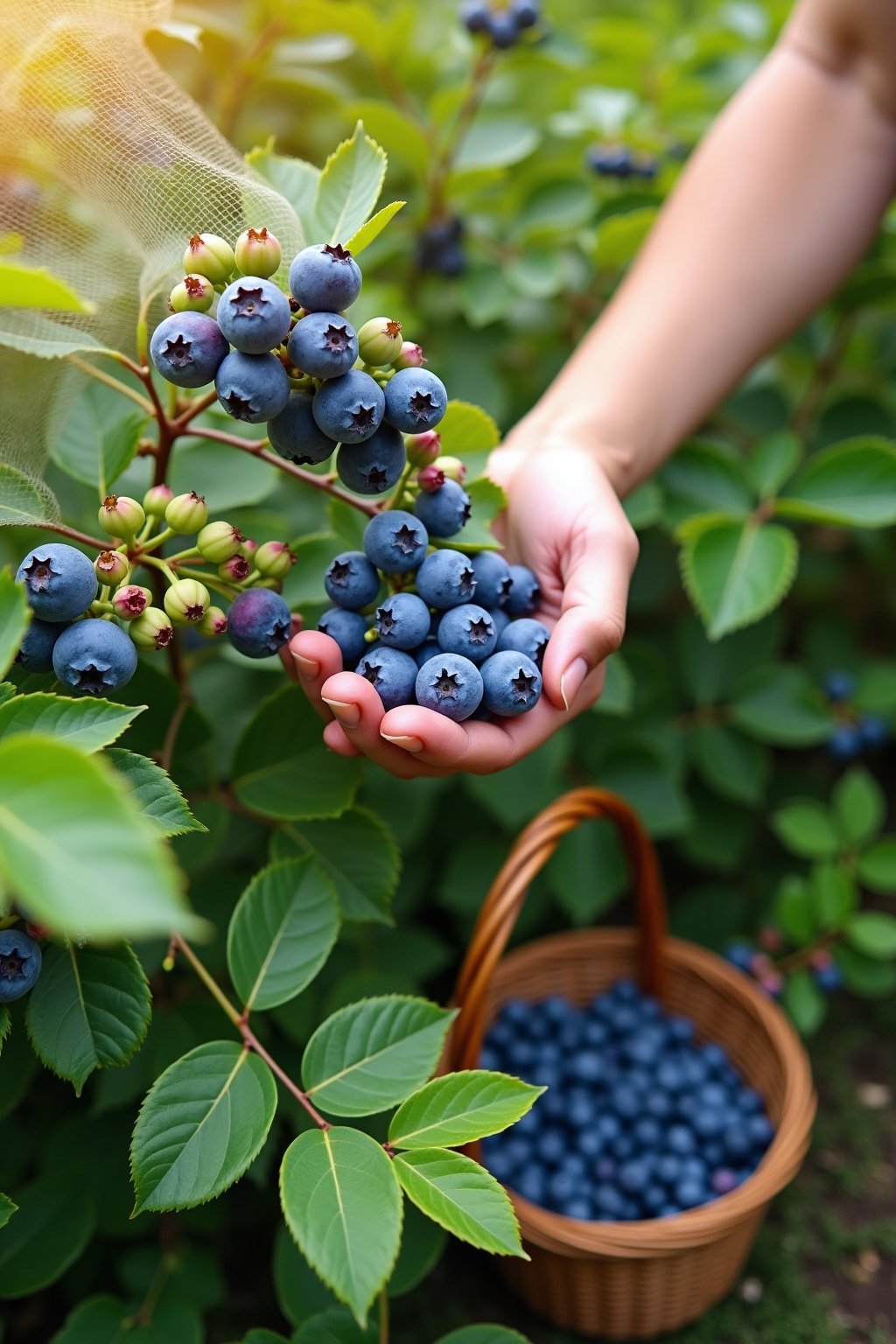
Fresh blueberries picked from your own garden are in a completely different league from store-bought. They are sweeter, more flavorful, and you can eat them warm from the bush, which is honestly one of the greatest simple pleasures in life. And the best part? Blueberry bushes are beautiful — they have delicate white spring flowers, gorgeous red fall foliage, and attractive branch structure in winter.
Growing blueberries at home is easier than most people think, but there is one critical requirement: acidic soil. Blueberries need soil with a pH of 4.5-5.5, which is more acidic than what most gardens naturally have. Get the soil right and everything else is straightforward. This guide covers everything from variety selection to your first harvest.
Quick Facts
| Sun | Full Sun (6-8 hours for best fruit) |
| Difficulty | Intermediate |
| Season | Plant in early spring or fall |
| Zone | USDA Zones 3-9 (variety dependent) |
| Time to Harvest | 2-3 years for significant harvest from young plants |
From the Top
- Blueberry bushes (2+ varieties for cross-pollination)
- Soil pH test kit
- Peat moss and sulfur for acidifying soil
- Acidic mulch (pine needles, pine bark, or wood chips)
- Acidic fertilizer (azalea/blueberry formula)
- Netting to protect from birds
- Container (for patio growing, 15-20 gallon minimum)
Acidic soil is non-negotiable: Blueberries need soil pH 4.5-5.5. Test your soil before planting. If your pH is above 5.5, amend heavily with peat moss and elemental sulfur. In alkaline soils (pH above 7), container growing with acidic potting mix is easier than trying to amend garden soil.
Plant at least 2 varieties for cross-pollination. While some blueberries are partially self-fertile, cross-pollination dramatically increases berry size and yield. Choose varieties that ripen at different times for an extended harvest season.
Three types: Highbush (most common, zones 4-7), Lowbush (cold hardy, zones 3-6), Rabbiteye (heat tolerant, zones 7-9). Choose based on your climate.
Step 1: Test and Prepare Acidic Soil
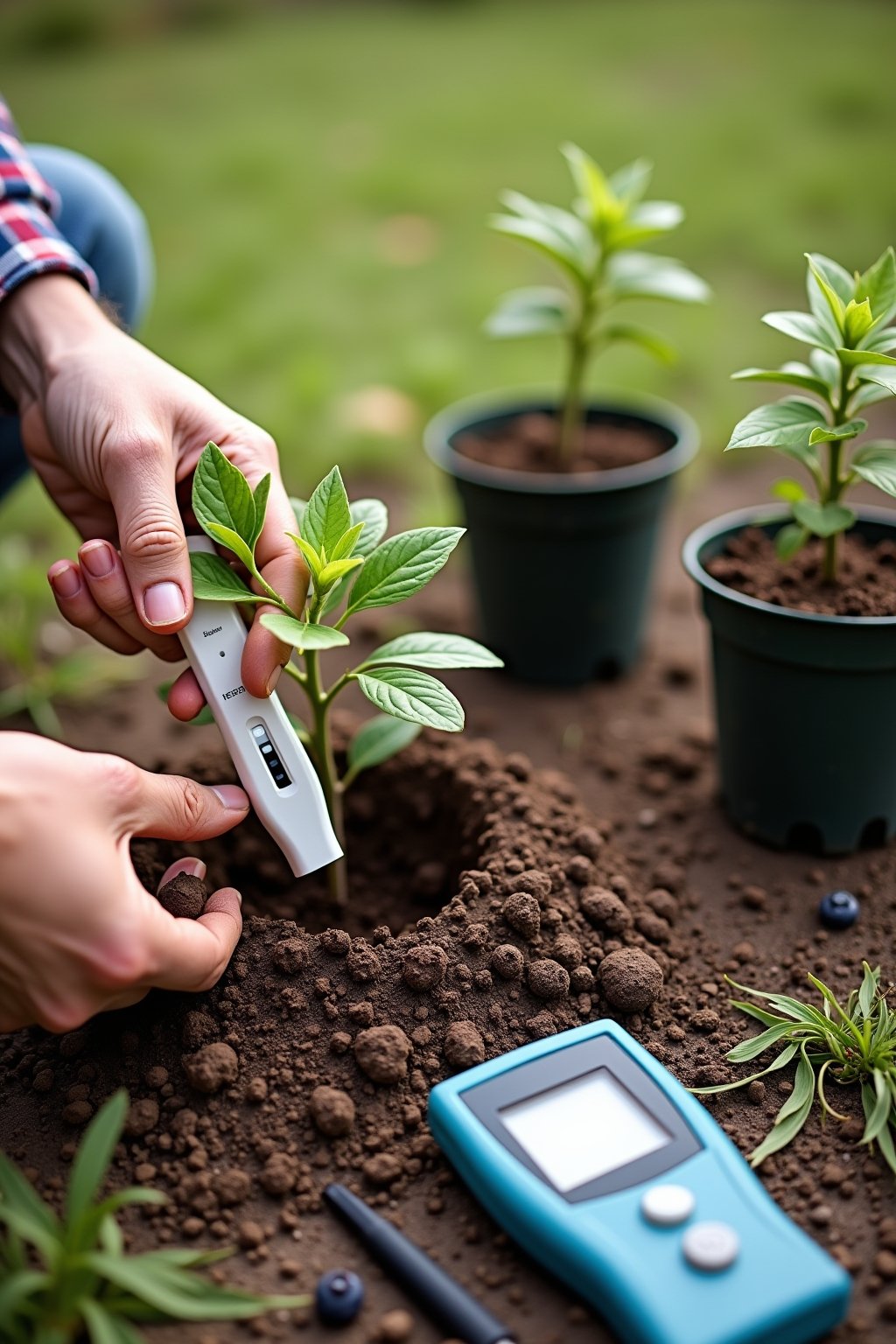
Before anything else, test your soil pH with an inexpensive test kit from any garden center. Blueberries absolutely require pH 4.5-5.5. Most garden soils are pH 6.0-7.0, which is too alkaline for blueberries.
To lower pH: mix 50% peat moss into the planting area (peat is naturally acidic, pH 3.5-4.5). For long-term acidification, apply elemental sulfur according to package rates. In highly alkaline soil, consider container growing with an acidic potting mix — it’s easier and more reliable than fighting your native soil.
Step 2: Choose Varieties for Your Climate and Cross-Pollination
Plant at least 2 different varieties that bloom at the same time for cross-pollination. Good northern combinations: Bluecrop + Duke or Patriot + Blueray (zones 3-7). Southern combinations: Brightwell + Tifblue (rabbiteye, zones 7-9).
Choose an early, mid, and late variety to extend your harvest from June through August. Space bushes 4-6 feet apart for highbush varieties. They take 2-3 years to produce a significant harvest but remain productive for 20+ years — this is a long-term investment.
Step 3: Plant at the Right Depth and Mulch Heavily
Dig a hole twice as wide but only as deep as the root ball. Blueberry roots are shallow and hate being planted too deep. Backfill with the peat moss-amended soil, making sure the top of the root ball is level with or slightly above the surrounding soil surface.
Immediately apply a 4-6 inch layer of acidic mulch (pine needles, pine bark, or wood chips) over the root zone. This retains moisture, keeps roots cool, suppresses weeds, and gradually acidifies the soil as it decomposes. Renew the mulch layer every spring.
Step 4: Water Consistently (Blueberries Are Thirsty)
Blueberry roots are shallow and fine, making them very sensitive to drought. Provide 1-2 inches of water per week, and more during hot weather and fruit development. The soil should stay evenly moist but never waterlogged.
Drip irrigation on a timer is ideal for blueberries — it provides consistent moisture without wetting the foliage. Avoid overhead sprinklers during fruiting, which can promote fungal diseases. Container blueberries may need daily watering in summer.
Step 5: Feed with Acidic Fertilizer
Use an azalea/blueberry/rhododendron fertilizer that maintains soil acidity. Apply in early spring when new growth begins and again after harvest. Do NOT use regular garden fertilizer — many contain nitrate nitrogen that raises soil pH over time.
Ammonium sulfate is a simple, effective fertilizer for blueberries that also helps maintain acidity. Apply 1-2 ounces per bush in the first year, increasing annually. Yellowing leaves with green veins indicate iron chlorosis from pH that’s too high — test and adjust soil pH if this occurs.
Step 6: Protect From Birds and Harvest at Peak Ripeness
Birds love blueberries as much as you do. Once berries start to color, cover bushes with bird netting or you may lose your entire crop in a single morning. Use lightweight netting draped over the bush, secured at the base so birds can’t get underneath.
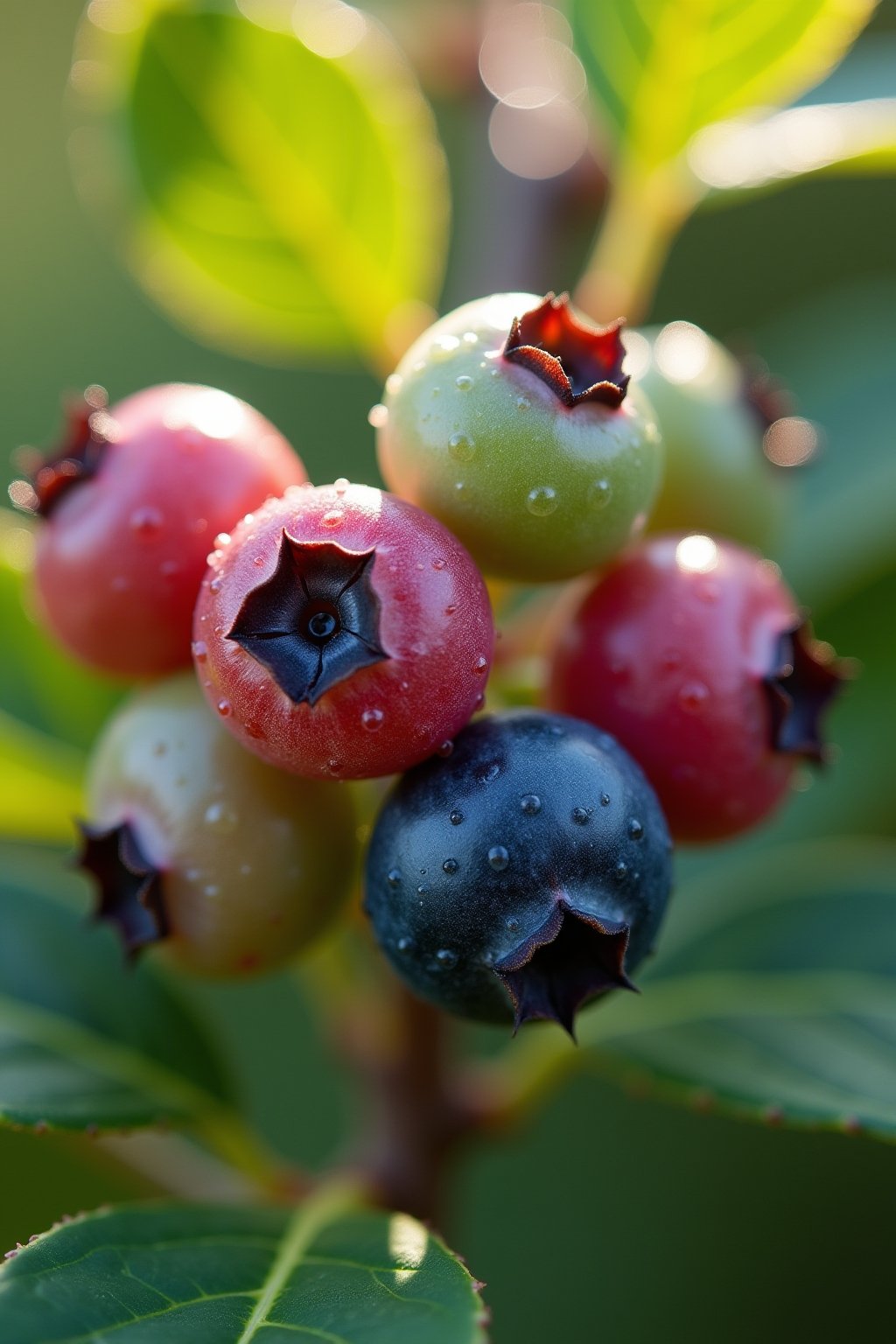
Harvest berries when they are fully blue all the way around, slightly soft, and detach easily with a gentle tug. Berries that are reddish-purple are not yet ripe — they will be sour. Ripe blueberries are sweet and should fall into your hand without effort. Check and harvest every 2-3 days during the ripe period.
If Something Tastes Off
Leaves turning yellow with green veins: Iron chlorosis caused by soil pH that’s too high. Test pH and lower it with sulfur and peat moss. Iron chelate provides a quick temporary fix while soil amendments take effect.
Flowers but few berries: Poor pollination. Make sure you have at least 2 different varieties. Cold, rainy weather during bloom reduces bee activity. Protect bushes from wind.
Birds eating all the berries: Netting is the only reliable solution. Drape it loosely over bushes and secure at the base. Reflective tape and fake owls are mostly ineffective — birds figure them out quickly.
Berries are small: Usually caused by overcrowding (too many fruit per branch), underwatering during fruit development, or inadequate fertilization. In the first 2 years, remove most flowers to let the plant put energy into root and branch development.
What Each Season Brings
Early Spring: Fertilize with acidic fertilizer as new growth emerges. Refresh mulch layer to 4-6 inches. Test soil pH and adjust if above 5.5. Prune out dead or damaged wood.
Late Spring: Flowers appear and bees pollinate. Protect from late frost by covering with frost cloth on cold nights. Water consistently as fruit begins to set.
Summer: Berry ripening season (June-August depending on variety). Install bird netting when berries start coloring. Harvest every 2-3 days. Keep watering — drought stress during ripening ruins berry quality.
Fall: Beautiful red fall foliage. Plant new bushes now or in early spring. Apply sulfur to lower pH if needed (works slowly over winter). Light pruning of crossing or weak branches.
Winter: Blueberries are deciduous and need winter chill (varies by variety). No watering or feeding during dormancy. Heavy pruning is done in late winter (February-March).
Useful Tweaks
- Test soil pH before planting — this is step zero — planting blueberries in alkaline soil is a guaranteed failure. pH 4.5-5.5 is the non-negotiable target.
- Plant at least 2 different varieties — cross-pollination increases berry size by up to 50% and total yield significantly. Even partially self-fertile varieties produce better with a partner.
- Pine needle mulch is free and perfect — if you have access to pine trees, those fallen needles are ideal blueberry mulch. They’re naturally acidic and decompose slowly.
- Remove flowers the first year — pinch off all blossoms the first spring after planting. This forces the plant to develop strong roots and branches instead of fruit. You’ll get much bigger harvests from year 2 onward.
- Net before berries turn blue — if you wait until berries are ripe, birds will beat you to them. Install netting when berries first start to change from green to purple.
- Blueberries are gorgeous year-round — white spring flowers, blue summer fruit, brilliant red fall foliage, and attractive branch structure in winter. They’re a beautiful landscape plant even without the fruit.
More to Sink Into
- How to Grow Strawberries in Containers (Patio, Balcony, or Porch)
- Succession Planting: How to Harvest Fresh Vegetables All Season Long
Quick Answers
How many blueberry bushes do I need?
Plant at least 2 different varieties for cross-pollination — this is essential for good fruit production. For a family of four, 4-6 bushes provide plenty of fresh berries plus extra for freezing. Each mature bush yields 5-10 pints of berries per year.
Can I grow blueberries in a container?
Yes! Use a container at least 15-20 gallons with good drainage. Fill with acidic potting mix (azalea/rhododendron mix works well). Container growing is actually easier in areas with alkaline soil because you control the pH completely. Water more frequently than in-ground.
How long until blueberry bushes produce fruit?
Young bushes produce a light crop in the second year and increasingly heavier harvests from year 3 onward. Remove flowers the first year to establish strong roots. A mature bush (5+ years) can produce 5-10 pints per year and remains productive for 20+ years.
Do blueberry bushes need full sun?
Blueberries produce the most and sweetest fruit in full sun (6-8 hours). They can tolerate partial shade (4-6 hours) but yields will be lower and berries may be smaller and less sweet. For best results, give them the sunniest spot available.
Why are my blueberry leaves turning red in summer?
Red leaves in summer (not fall) usually indicate phosphorus deficiency or soil pH problems. Test your soil pH — if it’s above 5.5, the plant can’t absorb nutrients properly even if they’re present. Amend with sulfur and acidic fertilizer.
When do I prune blueberry bushes?
Prune in late winter (February-March) while the bush is dormant. Remove dead, damaged, or crossing branches. On mature bushes (4+ years), remove the oldest, thickest canes at the base to encourage new productive growth. Light annual pruning is better than heavy occasional pruning.