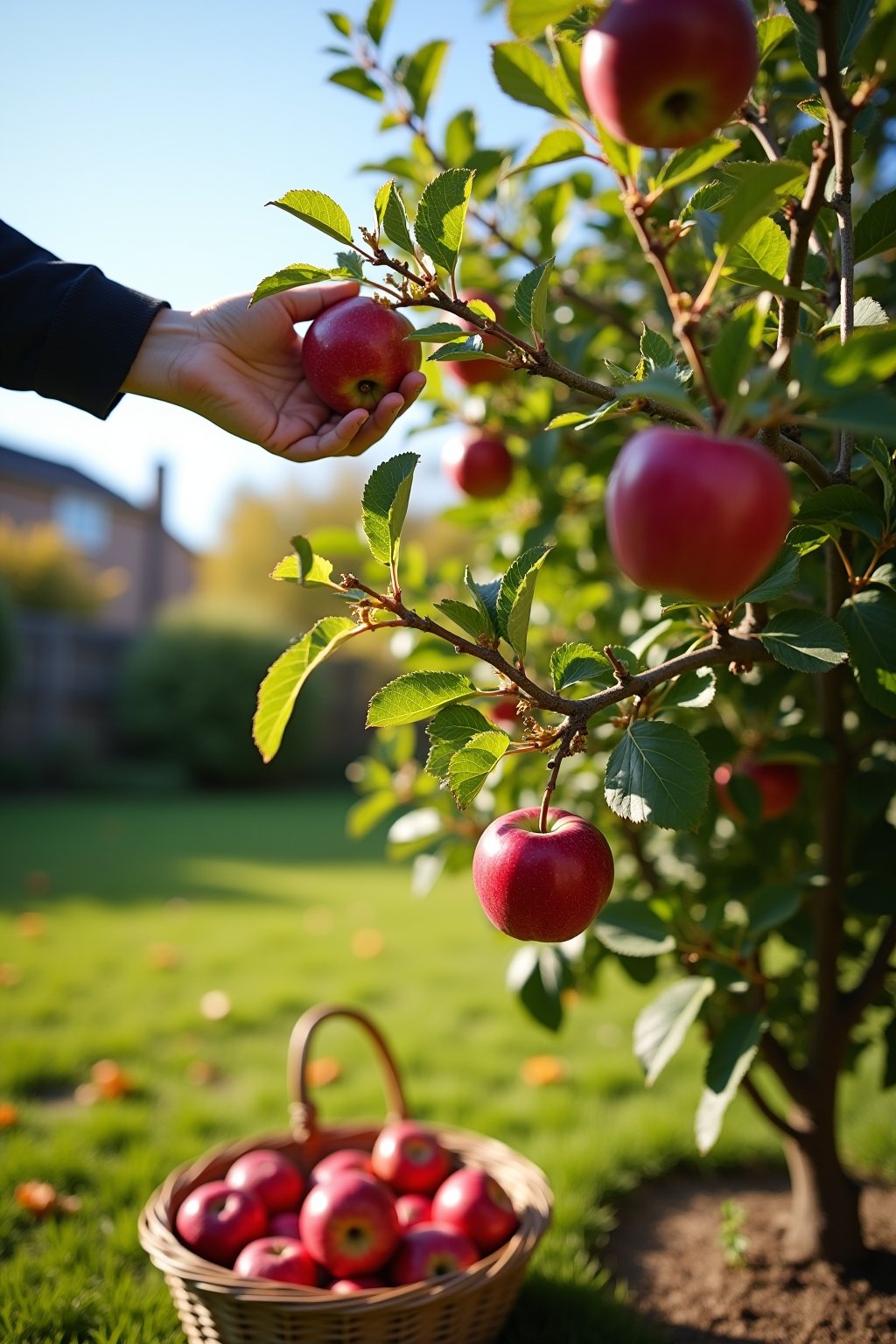
There is something deeply satisfying about picking a crisp apple from a tree in your own backyard. And contrary to what many people think, you do not need acres of land or years of experience to grow apples. Modern dwarf and semi-dwarf varieties are bred for small spaces and can produce fruit in as little as 2-3 years after planting.
The key to success with backyard apple trees is choosing the right variety for your climate, planting correctly, and understanding that most apple trees need a second variety nearby for cross-pollination. Get those three things right and you will have baskets of homegrown apples every fall for decades to come. This guide walks you through everything from variety selection to your first harvest.
Quick Facts
| Sun | Full Sun (6-8 hours minimum) |
| Difficulty | Intermediate |
| Season | Plant in early spring or fall |
| Zone | USDA Zones 3-8 (variety dependent) |
| Time to Harvest | 2-3 years for dwarf varieties, 4-6 years for standard |
What You’ll Need
- Apple tree (dwarf or semi-dwarf recommended for backyards)
- Second apple variety for cross-pollination
- Shovel for planting hole
- Compost and aged manure
- Mulch (wood chips or straw)
- Tree stake and ties (for first 1-2 years)
- Pruning shears and loppers
- Organic fruit tree fertilizer
- Tree guard (to protect trunk from rodents)
Dwarf vs semi-dwarf vs standard: Dwarf trees reach 6-10 feet tall and are perfect for small yards — you can even grow them in large containers. Semi-dwarf trees reach 12-18 feet and produce more fruit. Standard trees reach 20-30+ feet and need significant space. For most backyards, semi-dwarf is the sweet spot.
Cross-pollination is essential: Most apple varieties need pollen from a DIFFERENT apple variety to set fruit. Plant at least two different varieties that bloom at the same time. A few varieties like ‘Golden Delicious’ are partially self-fertile but still produce better with a pollinator partner.
Best beginner varieties: Honeycrisp (cold hardy, amazing flavor), Fuji (sweet, disease resistant), Gala (easy to grow), Liberty (disease resistant), and Anna (warm climates).
Step 1: Choose Varieties for Your Climate and Cross-Pollination
Select 2 varieties that are rated for your USDA hardiness zone and bloom at the same time. Nursery tags indicate bloom timing (early, mid, or late season). Plant one early-to-mid bloomer with a mid-to-late bloomer for the best overlap.
Popular combinations: Honeycrisp + Fuji (zones 3-7), Gala + Granny Smith (zones 5-8), Anna + Dorsett Golden (zones 8-10, warm climates). Buy bare-root trees in early spring or container-grown trees any time from spring through fall. Bare-root trees are cheaper and establish faster.
Step 2: Pick the Right Planting Spot
Apple trees need full sun (6-8 hours minimum), well-drained soil, and good air circulation. Avoid low spots where cold air and frost collect — cold pockets kill blossoms in spring and reduce your harvest. A gentle slope or elevated area is ideal.
Space dwarf trees 8-10 feet apart, semi-dwarf trees 12-15 feet apart, and standard trees 20-25 feet apart. Plant your two varieties within 50 feet of each other for effective cross-pollination. Bees do the pollination work, so the closer together, the better.
Step 3: Plant at the Right Depth
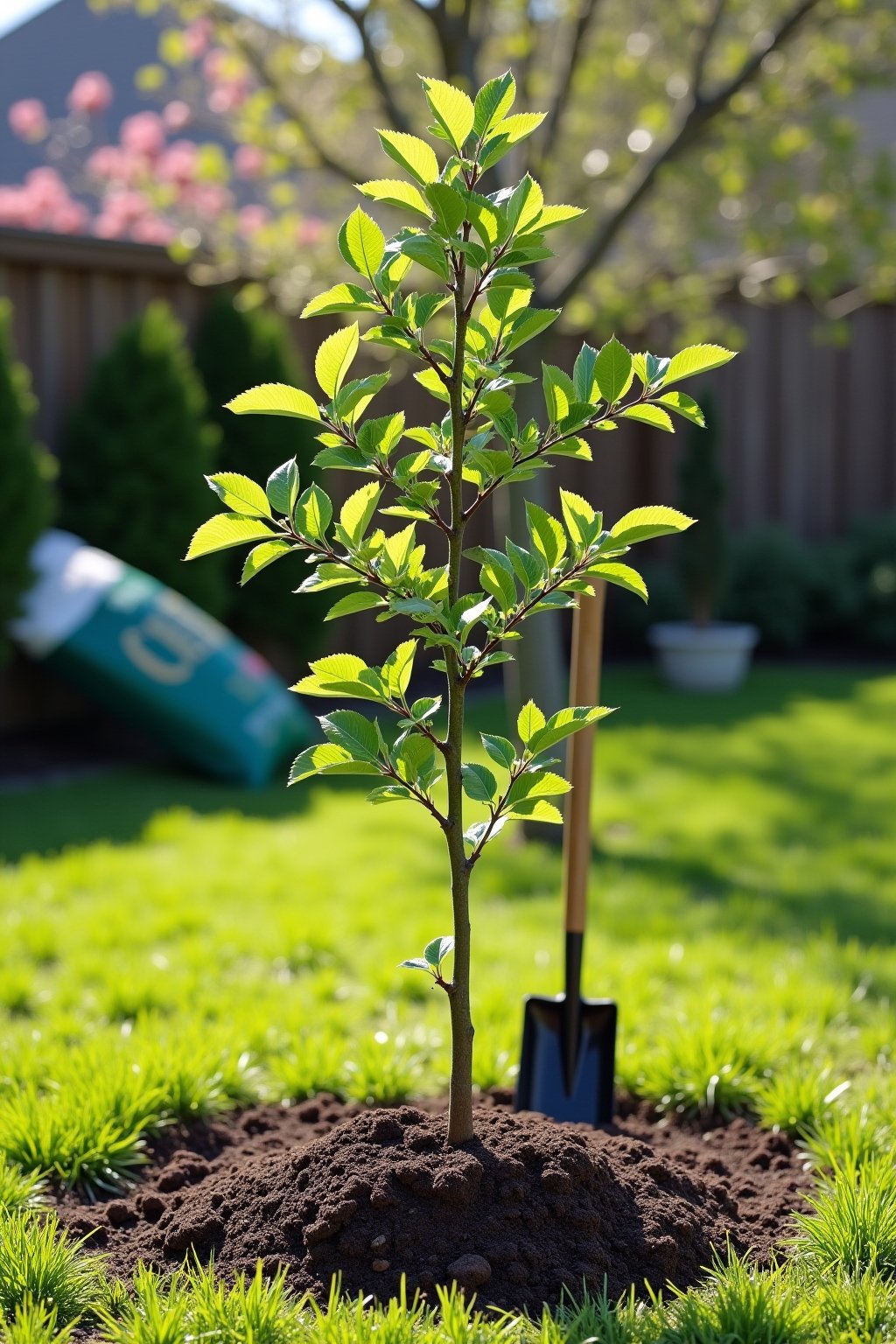
Dig a hole twice as wide as the root ball but only as deep. The graft union (the bulge where the fruiting variety was grafted onto the rootstock) must be 2-3 inches above soil level. If you bury the graft, the top variety may root on its own and override the dwarfing rootstock, turning your manageable tree into a 30-foot giant.
Spread the roots outward in the hole, backfill with native soil mixed with compost, and water thoroughly. Create a shallow basin around the tree to hold water during irrigation. Stake the tree for the first 1-2 years if it is in a windy location, and wrap the trunk with a tree guard to protect from rodent damage.
Step 4: Water Deeply the First Two Years
Newly planted apple trees need 1-2 inches of water per week during the growing season. Water deeply and slowly to encourage roots to grow downward. A slow drip from a hose for 30-60 minutes once a week is better than frequent shallow watering.
After 2 years, established trees are relatively drought-tolerant but still produce best with consistent moisture during fruit development (June-September). Mulch with 3-4 inches of wood chips or straw to retain soil moisture and suppress weeds — keep mulch 6 inches away from the trunk.
Step 5: Prune Annually for Shape and Production
Annual pruning is the most important maintenance task for productive apple trees. Prune in late winter (February-March) while the tree is dormant. The goal is to create an open center shape that allows sunlight and air to reach all branches.
Remove dead, diseased, or crossing branches first. Then thin out inward-growing branches to open up the center. Keep the main scaffold branches at wide angles (45-60 degrees) from the trunk. This angle produces the strongest branches with the most fruit. Light pruning every year is much better than heavy pruning every few years.
Step 6: Thin Fruit for Bigger, Better Apples
In late spring, after the natural fruit drop (June drop), thin the remaining apples to one fruit per cluster, spaced 6-8 inches apart. This feels wasteful but it is essential — without thinning, you get hundreds of tiny, inferior apples instead of dozens of large, flavorful ones.
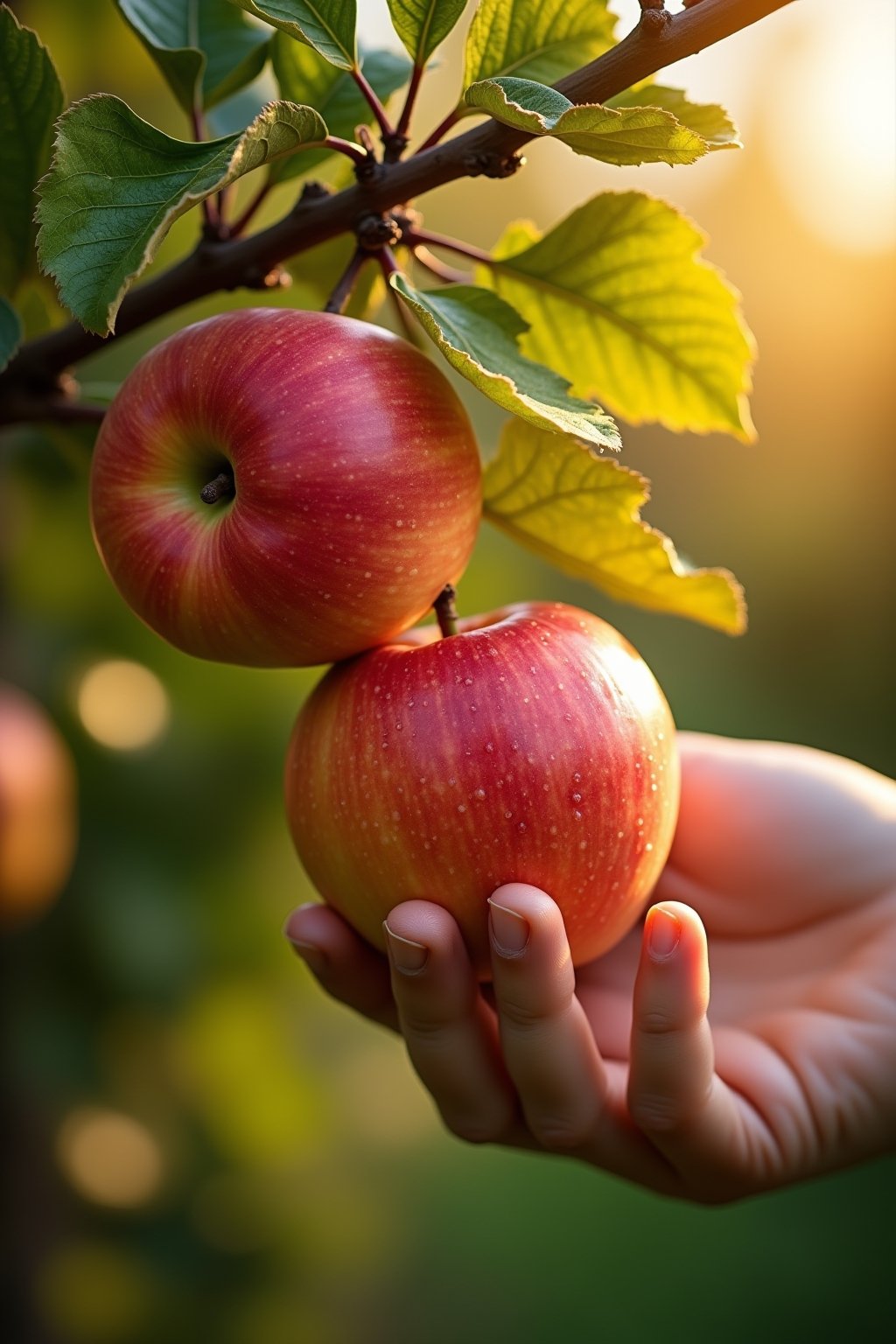
Thinning also prevents biennial bearing, where the tree produces heavily one year and barely anything the next. By reducing the fruit load, the tree has enough energy to develop flower buds for next year’s crop. Harvest apples when they twist off the branch easily with a gentle upward twist.
Reading the Signs
Flowers but no fruit: Almost always a pollination issue. You need a second apple variety (different from the first) blooming at the same time. A crabapple tree within 50 feet also works as a universal pollinator. Cold, rainy weather during bloom can also reduce bee activity and pollination.
Apples dropping before ripe: Some drop is natural (June drop). Excessive drop can indicate water stress, overcrowding (thin fruit), or pest damage. Check for codling moth larvae inside dropped fruit — organic pest management starts with good sanitation (remove dropped fruit).
Spots or scabs on fruit: Apple scab is the most common fungal disease. Choose disease-resistant varieties (Liberty, Enterprise, Freedom) and clean up fallen leaves in fall which harbor the fungus over winter.
Tree not growing: Check for girdling damage from rodents or string ties left on too long. Ensure the graft union is above soil level. Test soil drainage — apple roots drown in waterlogged soil.
The Yearly Cycle
Late Winter (Feb-Mar): Prune while dormant. Apply dormant oil spray to control overwintering pests and eggs. Plan any new tree plantings.
Spring (Apr-May): Bloom and pollination happen. Monitor for late frost that can kill blossoms (cover small trees with cloth on frost nights). Begin regular watering as growth resumes.
Summer (Jun-Aug): Thin fruit after June drop. Water consistently. Monitor for pests (codling moth, apple maggot). Maintain mulch.
Fall (Sep-Oct): Harvest when apples twist off easily. Clean up fallen fruit and leaves to break disease cycles. Plant new trees if desired (fall planting works well in zones 5+).
Winter (Nov-Jan): Protect young tree trunks from rodents with tree guards. Dormant season — no watering, fertilizing, or pruning until late winter.
Small Wins
- Always plant two different varieties — this is the most common beginner mistake. One apple tree alone (unless it’s a rare self-fertile variety) will flower beautifully but produce zero fruit without a pollination partner.
- Keep the graft union above ground — burying it defeats the purpose of the dwarfing rootstock. Check periodically that soil or mulch hasn’t piled up around the trunk.
- Thin fruit aggressively — leave only 1 apple per cluster, 6-8 inches apart. You’ll get bigger, better-flavored apples and avoid biennial bearing (heavy crop one year, nothing the next).
- Prune a little every year — annual light pruning keeps the tree productive and manageable. Neglecting pruning for years then cutting heavily shocks the tree and reduces fruit for 1-2 seasons.
- Clean up fallen fruit and leaves — most apple diseases and pests overwinter in fallen debris. Good garden hygiene in fall prevents 80% of pest and disease problems the following year.
- Start with disease-resistant varieties — Liberty, Freedom, Enterprise, and Pristine are bred to resist the most common apple diseases, dramatically reducing your workload.
Down This Path
- How to Prepare Your Garden Soil for Spring Planting (Step-by-Step)
- Succession Planting: How to Harvest Fresh Vegetables All Season Long
Common Questions
How many years until an apple tree produces fruit?
Dwarf trees typically produce fruit in 2-3 years after planting. Semi-dwarf trees in 3-5 years. Standard-sized trees in 5-8 years. Buying a tree that’s already 2-3 years old from the nursery shortens your wait.
Do I really need two apple trees?
Yes, for almost all varieties. Apples need cross-pollination from a different variety to produce fruit. Plant two different varieties that bloom at the same time. A crabapple tree within 50 feet can also serve as a pollinator for any apple variety.
Can I grow an apple tree in a container?
Yes — dwarf varieties grow well in containers of at least 20 gallons. Use well-draining potting mix, water frequently, and fertilize regularly since container soil leaches nutrients faster. You’ll still need a second variety nearby for pollination.
What is the easiest apple tree to grow?
Gala and Fuji are among the easiest — they’re productive, adaptable, and relatively disease resistant. For cold climates, Honeycrisp is excellent. For disease resistance, Liberty is nearly bulletproof against scab, cedar-apple rust, and fire blight.
When do I harvest apples?
Apples are ripe when they come off the branch with a gentle upward twist, have full color development, and taste sweet (not starchy). Different varieties ripen at different times — early varieties in August, mid-season in September, late varieties in October. Seed color is also a clue: ripe apple seeds are dark brown.
How do I protect apple trees from deer?
Young trees are vulnerable to deer rubbing and browsing. Use tree tubes or wire cages around the trunk for the first 3-4 years. For larger trees, deer fencing (8 feet tall) around your orchard area is the most reliable long-term solution.