My first garden was ten feet wide and six feet deep, and I was determined to grow everything. Tomatoes, beans, cucumbers, peas, squash — I crammed it all in shoulder to shoulder. By July the whole thing was a tangled mess. Cucumbers sprawled into the tomatoes, bean vines strangled the pea plants, and I could not walk through without stepping on something.
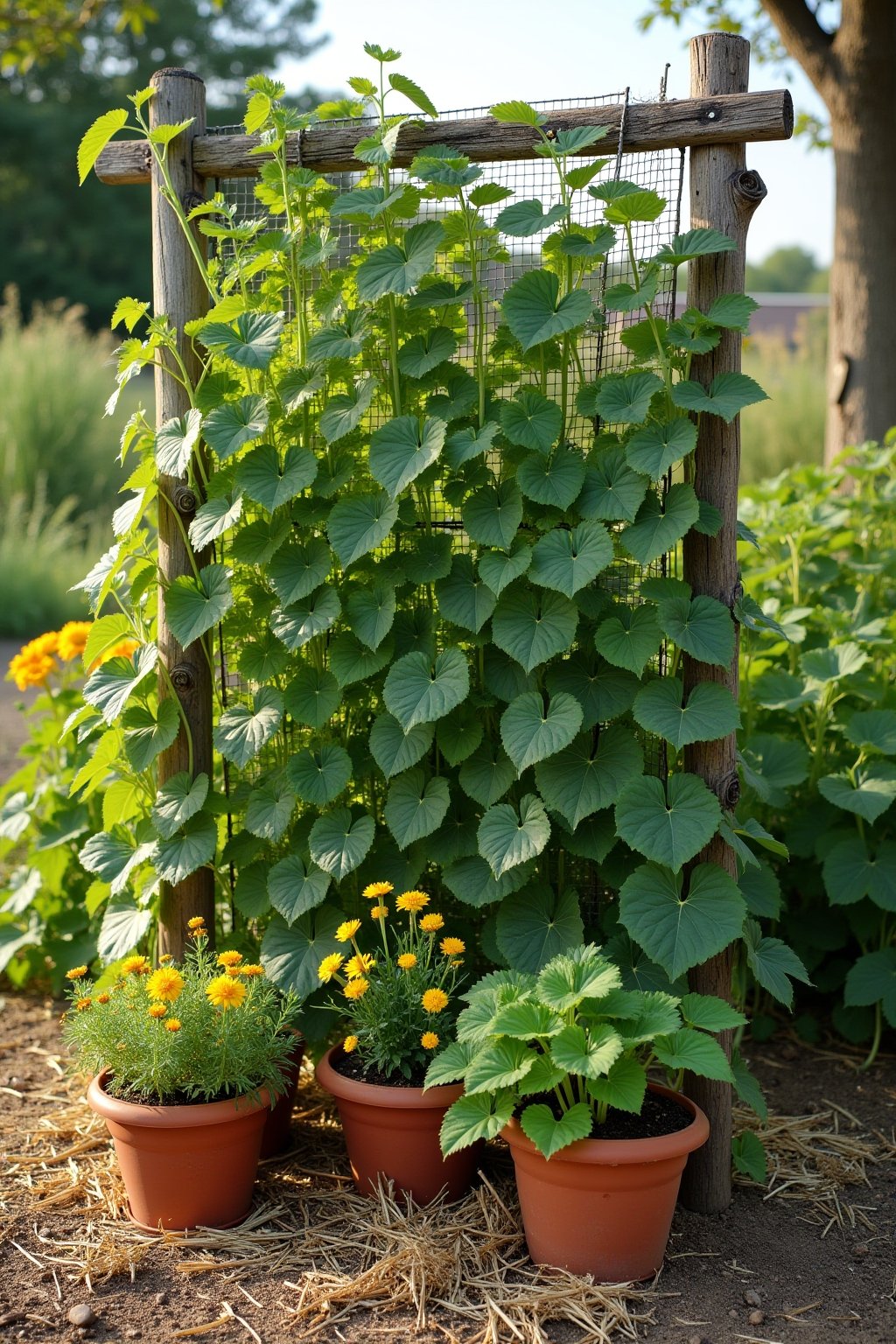
Then a neighbor showed me her garden. She grew twice as many vegetables in half the space, and every plant was easy to reach. Her secret was vertical gardening — training climbing vegetables up trellises, poles, and netting instead of letting them crawl along the ground. That one change tripled my harvest, eliminated most of my pest problems, and turned gardening from a wrestling match into something I actually enjoyed. Here is how to do it.
Quick Facts
| Sun | Full Sun (6-8 hours minimum) |
| Difficulty | Beginner |
| Season | Spring (plant after last frost for warm-season climbers) |
| Zone | All USDA Zones (plant selection varies) |
| Time to Harvest | 45-70 days depending on crop |
Pull Out
- Trellis, cattle panel, or sturdy garden netting (6-8 feet tall)
- T-posts or wooden stakes for anchoring
- Soft garden ties or twine (for training vines)
- Climbing bean seeds (pole beans, runner beans)
- Climbing pea seeds (sugar snap, snow peas)
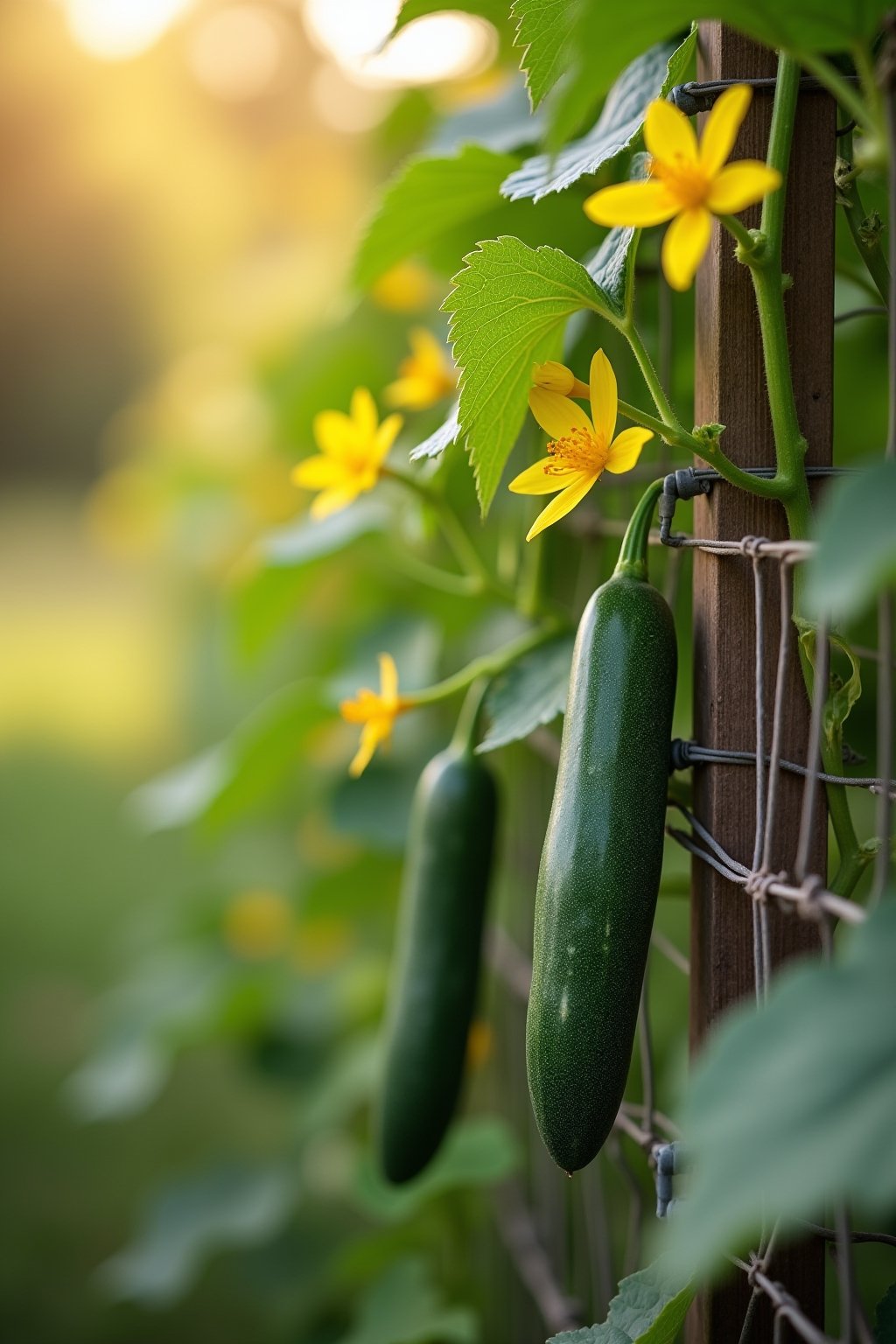
- Cucumber seeds (vining varieties, not bush)
- Compost and balanced organic fertilizer
- Mulch (straw or shredded leaves)
- Watering can or drip irrigation hose
- Zip ties or wire for securing trellis to posts
The most important choice is your trellis structure. It needs to be strong enough to support the weight of mature, fruit-laden vines in wind and rain. A loaded cucumber trellis can weigh 40-50 pounds — flimsy bamboo sticks will collapse. Cattle panels (16-foot welded wire panels from farm supply stores) are the gold standard — they are incredibly strong, last for years, and the 6-inch grid is perfect for climbing vegetables. Sturdy garden netting stretched between T-posts is a good budget alternative. Choose vining varieties of cucumbers and beans, not bush types — bush varieties do not climb. For peas, almost all varieties climb naturally.
Step 1: Install Your Trellis Before Planting
Always set up your trellis before you plant seeds or transplants. Trying to install a trellis after vines have started growing means stepping on plants, damaging roots, and bending young stems. Position the trellis on the north side of your garden bed so it does not cast shade on shorter plants nearby.
Sink posts at least 12 inches into the ground for stability. For cattle panels, bend the panel into an arch between two beds for a stunning tunnel effect, or attach it vertically to T-posts driven 18 inches deep. Whatever structure you choose, push hard on it before planting — if it wobbles now, it will fall over when loaded with vines.
Step 2: Prepare the Soil at the Base
Climbing vegetables are heavy feeders — they need rich, well-drained soil to fuel all that vertical growth. Work a 3-inch layer of compost and a handful of balanced organic fertilizer into the soil along the base of your trellis. The planting strip should be at least 12 inches wide.
Good drainage is critical. Climbing vegetables hate wet feet, and waterlogged soil at the base of a trellis leads to root rot and fungal problems. If your soil is heavy clay, consider building a narrow raised bed along the trellis and filling it with a compost-rich mix.
Step 3: Plant at the Right Spacing
Vertical growing lets you plant closer together than ground-sprawling crops, but do not overdo it. Pole beans: plant seeds 4-6 inches apart in a single row along the trellis, or plant 5-6 seeds around each pole in a teepee arrangement. Peas: sow seeds 2-3 inches apart in a double row on either side of a flat trellis. Cucumbers: space transplants or seed clusters 12 inches apart along the trellis base.
Resist the temptation to double or triple plant. Overcrowded vines compete for light and air circulation, which leads to lower yields and more disease. Vertical growing already saves space — you do not need to cram plants together.
Step 4: Train Vines onto the Trellis Early
Most climbing vegetables need a little help finding the trellis when they are young. Once vines are 6-8 inches tall, gently guide the growing tip toward the trellis and loosely tie it with soft garden twine or a fabric tie. Within a few days, the plant will grab on with its own tendrils or twining stems.
Peas and beans climb by wrapping around supports — they prefer thin structures like twine, netting, or narrow poles. Cucumbers climb with tendrils that grab anything they touch. Check your vines every few days during the rapid growth phase and redirect any that are heading sideways or away from the trellis. Once established, most climbing vegetables need very little ongoing guidance.
Step 5: Water and Feed for Vertical Growth
Vertical plants need consistent moisture because their roots support a much taller plant than ground-sprawling varieties. Drip irrigation along the base of the trellis is ideal — it delivers water directly to the root zone without wetting the foliage, which reduces fungal disease. Water deeply 2-3 times per week rather than lightly every day.
Feed climbing beans with a low-nitrogen fertilizer once they start flowering — too much nitrogen produces lush leaves but few beans. Cucumbers are heavier feeders and benefit from a side-dressing of compost or liquid fertilizer every 3 weeks during fruiting. Peas fix their own nitrogen and rarely need supplemental feeding if the soil was well-amended at planting.
Step 6: Harvest Regularly to Keep Vines Producing
The number one mistake with climbing vegetables is not harvesting often enough. When beans and cucumbers are left on the vine too long, the plant receives a chemical signal that it has successfully reproduced and slows down or stops producing new fruit. Pick beans when they are pencil-thin and snap easily. Harvest cucumbers when they are 6-8 inches long and dark green — do not wait for them to turn yellow.
Check your trellis every 1-2 days during peak production. Fruit growing vertically is easy to spot and easy to reach, which is one of the biggest advantages of trellis growing. A single missed cucumber can grow to baseball bat size in just a few hot days.
Where Things Tend to Slip
Trellis collapsed under the weight: Your structure was not strong enough. Replace flimsy bamboo or thin stakes with cattle panels, T-posts, or 4×4 lumber. A mature cucumber trellis loaded with fruit can weigh 40-50 pounds and catch significant wind.
Vines not climbing: Some plants need initial help. Gently tie the first 6-8 inches of vine to the trellis with soft twine. Also check that you planted a vining variety — bush beans and bush cucumbers do not climb no matter what you do.
Cucumbers are bitter or misshapen: This is almost always a watering problem. Inconsistent moisture causes bitterness and curved fruit. Switch to deep, consistent watering 2-3 times per week rather than light daily sprinkles.
Powdery mildew on leaves: Vertical growing actually helps prevent this because of better air circulation. If it still appears, remove affected leaves immediately, water only at the base (not overhead), and ensure plants are not overcrowded.
A Seasonal Rhythm
Here is a vertical vegetable planting timeline:
| Crop | When to Plant | Days to Harvest | Trellis Height |
|---|---|---|---|
| Snap Peas | 4-6 weeks before last frost | 55-70 days | 4-6 feet |
| Snow Peas | 4-6 weeks before last frost | 55-65 days | 4-6 feet |
| Pole Beans | After last frost (soil 60°F+) | 55-65 days | 6-8 feet |
| Runner Beans | After last frost | 60-70 days | 8-10 feet |
| Cucumbers | 2 weeks after last frost | 50-65 days | 5-6 feet |
| Small Melons | 3 weeks after last frost | 70-90 days | 6 feet (needs sling support for fruit) |
Peas are the first climbers you can plant in spring — they tolerate frost and actually prefer cool weather. As peas finish in early summer, plant pole beans or cucumbers to take over the same trellis for a double harvest from one structure.
Where Experience Pays
- Use cattle panels — they are the best trellis investment — A single 16-foot cattle panel costs about $25 at a farm store, lasts 15+ years, and supports anything from peas to small pumpkins. Nothing else comes close for durability per dollar.
- Plant peas first, then beans on the same trellis — Peas finish producing by early summer. Cut the spent vines and plant pole beans at the base of the same trellis for a second harvest using the same structure.
- Grow cucumbers vertically for straighter fruit — Gravity pulls hanging cucumbers into perfectly straight shapes. Ground-grown cucumbers curl and flatten where they touch the soil.
- Mulch heavily at the base — A thick layer of straw mulch under vertical crops keeps soil moisture consistent, suppresses weeds, and prevents soil-borne fungal spores from splashing up onto lower leaves.
- Prune cucumber side shoots for bigger fruit — Pinch off the first 4-5 side shoots on cucumber vines and let the main stem grow tall before allowing branching. This directs energy into the main vine and produces larger, earlier fruit.
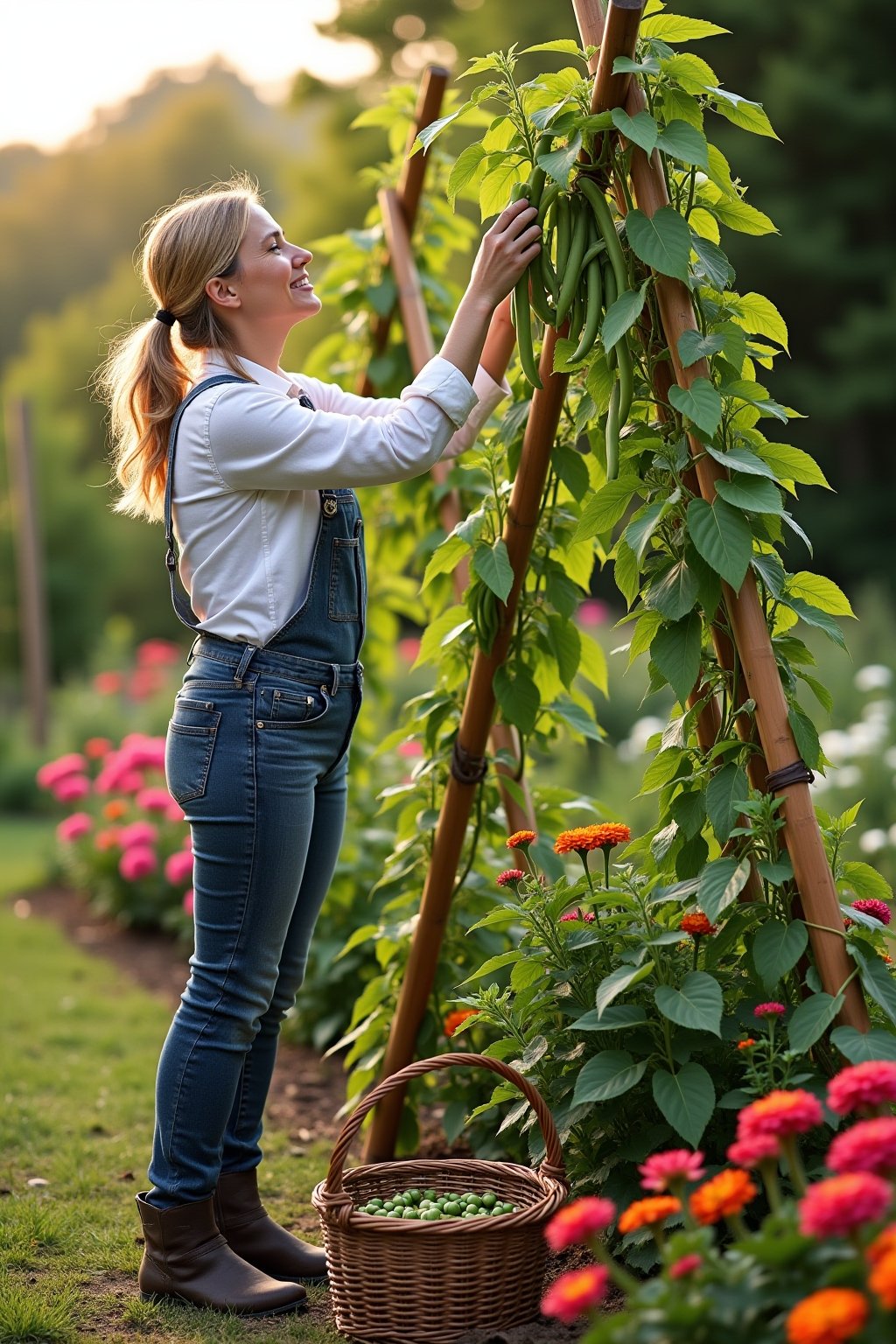
- Harvest at eye level every other day — The biggest advantage of vertical growing is that you can see and reach every fruit without bending. Check your trellises every 1-2 days — nothing should ever get oversized.
Threading Onward
Quick Answers
What vegetables can you grow vertically on a trellis?
The best climbing vegetables for trellises are pole beans, runner beans, peas (snap and snow), vining cucumbers, small melons, and miniature pumpkins. Indeterminate tomatoes and some squash varieties also grow well on sturdy trellises with extra support. Avoid bush varieties — they do not climb.
How tall should a vegetable trellis be?
For peas, 4-6 feet is sufficient. Pole beans need 6-8 feet. Runner beans can grow 10 feet or more. Cucumbers do well on 5-6 foot trellises. Build your trellis at least as tall as the expected mature height of your chosen crop, and make sure you can reach the top for harvesting.
Can you grow tomatoes on a trellis?
Yes, indeterminate (vining) tomato varieties grow well on sturdy trellises or cattle panels. Tie the main stem to the trellis every 12 inches as it grows, and prune suckers to keep the plant manageable. Determinate (bush) tomatoes are better suited to cages than trellises.
What is the cheapest way to build a vegetable trellis?
The cheapest effective trellis is string or twine strung between two sturdy end posts. Push two T-posts into the ground 6-8 feet apart, run horizontal lines of twine every 12 inches from ground to top, and tie vertical strings for the vines to climb. Total cost is under $10 for materials that support a full row of beans or peas.
Do climbing vegetables need more water than ground-growing ones?
Climbing vegetables growing vertically are more exposed to wind and sun, which can dry them out faster than ground-sprawling plants. Plan to water deeply 2-3 times per week and mulch thickly at the base to retain moisture. Drip irrigation along the base of the trellis is the most efficient watering method.
Can I grow climbing vegetables in containers with a trellis?
Yes, but use a large container (at least 5 gallons, preferably 10) and a sturdy trellis that is anchored well. Pole beans, peas, and compact cucumber varieties grow well in containers. Water more frequently since containers dry out faster than garden beds. Place the container against a sunny wall for extra warmth and wind protection.