
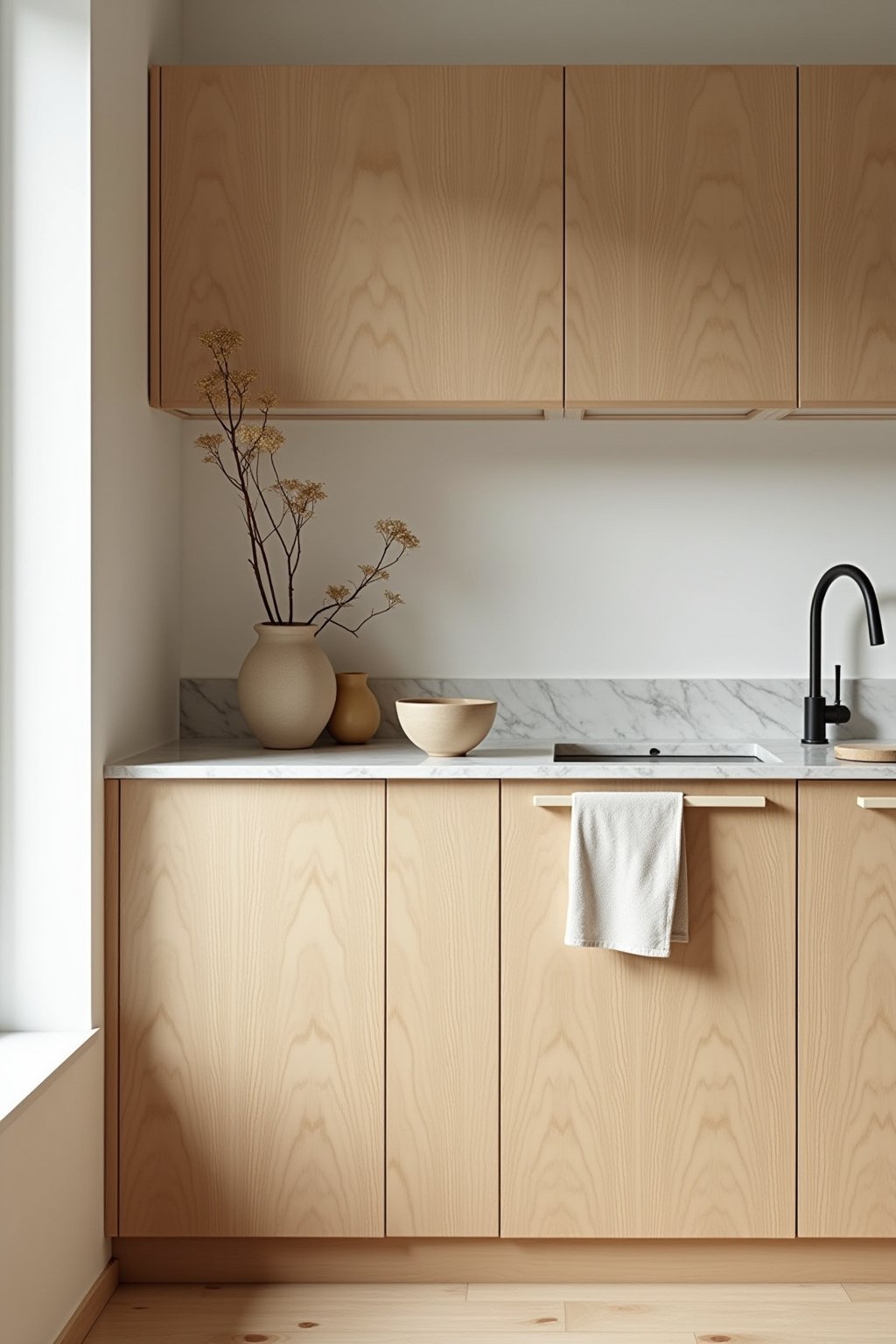
There’s a reason Japandi has moved from niche design blogs to mainstream Pinterest boards. It combines the best of two design philosophies: Japanese minimalism’s intentional simplicity and Scandinavian hygge’s warm coziness. The result is a kitchen that feels calm, warm, and effortlessly stylish.
I converted my cluttered kitchen to Japandi principles last year, and the difference in how I feel when I walk in is remarkable. Everything has a purpose, nothing is there just to fill space, and the materials are so beautiful you don’t need decoration. Here’s exactly how to achieve this look.
What Pulls Me Back
- Reduces visual stress — fewer items, better quality, intentional placement creates a calming cooking environment
- Emphasizes natural materials — wood, stone, ceramic, and linen dominate this aesthetic
- Less is genuinely more — you spend less on decor because the philosophy is about curating, not accumulating
- Timeless by design — both Japanese and Scandinavian design principles have endured for centuries
- Works in any kitchen size — minimalism actually works better in small kitchens where space is precious
What You’ll Need
Essential Japandi kitchen elements:
- Natural wood — light oak, ash, or pale maple for cabinets and shelving
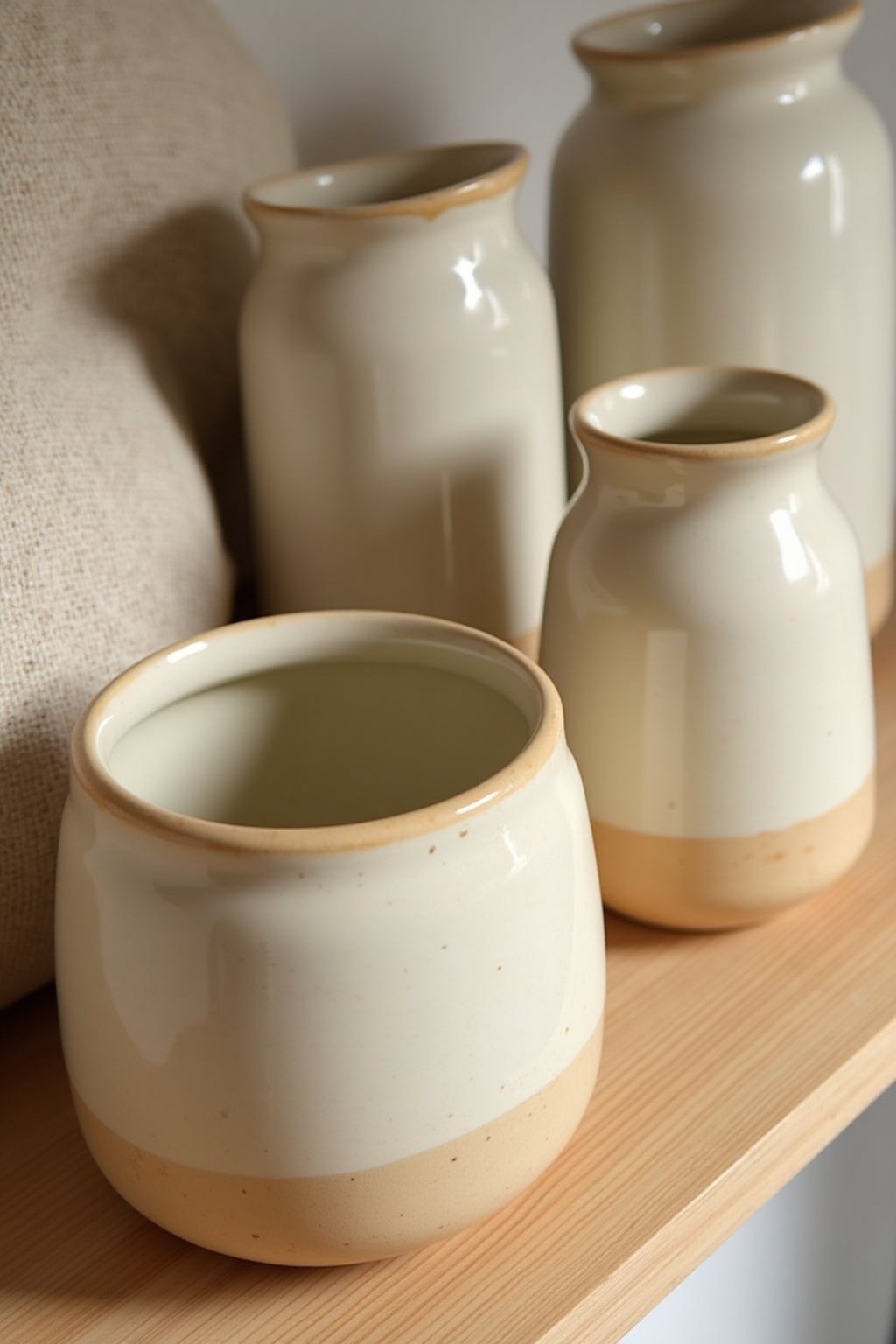
- Handmade ceramics — wabi-sabi pottery in earth tones (imperfect is perfect)
- Natural stone — a simple stone countertop or backsplash
- Linen textiles — undyed or earth-toned towels and curtains
- Minimal hardware — integrated pulls, finger pulls, or simple round knobs
- One statement piece — a beautiful kettle, a single plant, or an artisan bowl
The Build
Declutter Radically
Japandi starts with subtraction. Remove everything from your countertops and shelves. Only put back what you use daily or what brings genuine beauty. If you have 20 coffee mugs and use 4, keep 4. This editing process is the foundation of the entire aesthetic.
Store infrequently used items in closed cabinets. Japandi countertops are nearly bare.
Choose a Neutral, Warm Palette
The Japandi color palette is warm neutrals: cream, warm white, beige, pale wood, stone gray, and soft black accents. No bright colors, no busy patterns. The beauty comes from texture and material variation within this narrow range.
Paint walls in warm white or soft cream. Let the natural wood and stone provide the color.
Invest in Natural Materials
Replace plastic and synthetic items with natural alternatives. Wooden utensils, ceramic containers, glass storage, linen towels. Each piece should feel good in your hand and look beautiful on the shelf.
Quality over quantity is the core Japandi principle. One beautiful handmade ceramic bowl is better than six mass-produced ones.
Create Intentional Negative Space
In Japandi design, empty space is a feature, not a problem. Don’t fill every shelf. Leave countertop areas clear. Allow the eye to rest. This negative space is what makes the few items you do display feel special and noticed.
If a surface or shelf feels full, remove one item. Japandi always errs on the side of less.
Add One Organic Element
A single branch in a ceramic vase, a small bonsai, or one potted herb. Japandi connects to nature through restraint — one perfect plant is more impactful than a jungle of greenery. Choose something that’s easy to care for and looks intentional.
Change this organic element seasonally: a spring branch, summer herbs, autumn leaves, winter evergreen.
Reading What’s Wrong
- Confusing minimalist with cold — Japandi is warm through natural materials and soft textures, not stark white and metal
- Buying matching sets — Japandi celebrates handmade, slightly imperfect pieces. A matching set looks mass-produced
- Over-decorating the few items you keep — don’t style a sparse counter with fake plants and trendy accessories. Keep it genuinely minimal
- Using synthetic materials — plastic, laminate, and faux finishes are antithetical to Japandi. Every surface should be natural or honestly made
- Forgetting warmth — a Japandi kitchen that’s all white and gray is just minimalist. Wood, warm textiles, and handmade ceramics provide the essential warmth
Doing It for Less
Japandi is inherently budget-friendly because it’s about having less:
- Decluttering costs nothing and is the biggest transformation
- Replace items gradually — one beautiful ceramic bowl at a time
- Sand and refinish existing wood surfaces to reveal natural grain
- Shop for handmade ceramics at local pottery studios or craft fairs
- Linen tea towels from discount stores work just as well as designer ones
- A single branch from your yard in a simple vase is free and perfectly Japandi
Polishing the Whole Look
- Group items in threes — three ceramic vessels in graduated sizes is a classic Japandi arrangement
- Embrace wabi-sabi — a chipped rim on a handmade bowl adds character, not imperfection
- Use wooden trays to corral items — a wooden tray holds your olive oil and salt in an organized, intentional way
- Choose round over angular — rounded bowls, soft-edged ceramics, and organic shapes feel warmer than sharp geometry
- Let materials speak — a beautiful wood grain or stone pattern is all the decoration you need
- One texture per surface — a linen runner on wood, a ceramic bowl on stone, a glass jar on open shelf
Picking the Right Spot
Small Kitchen
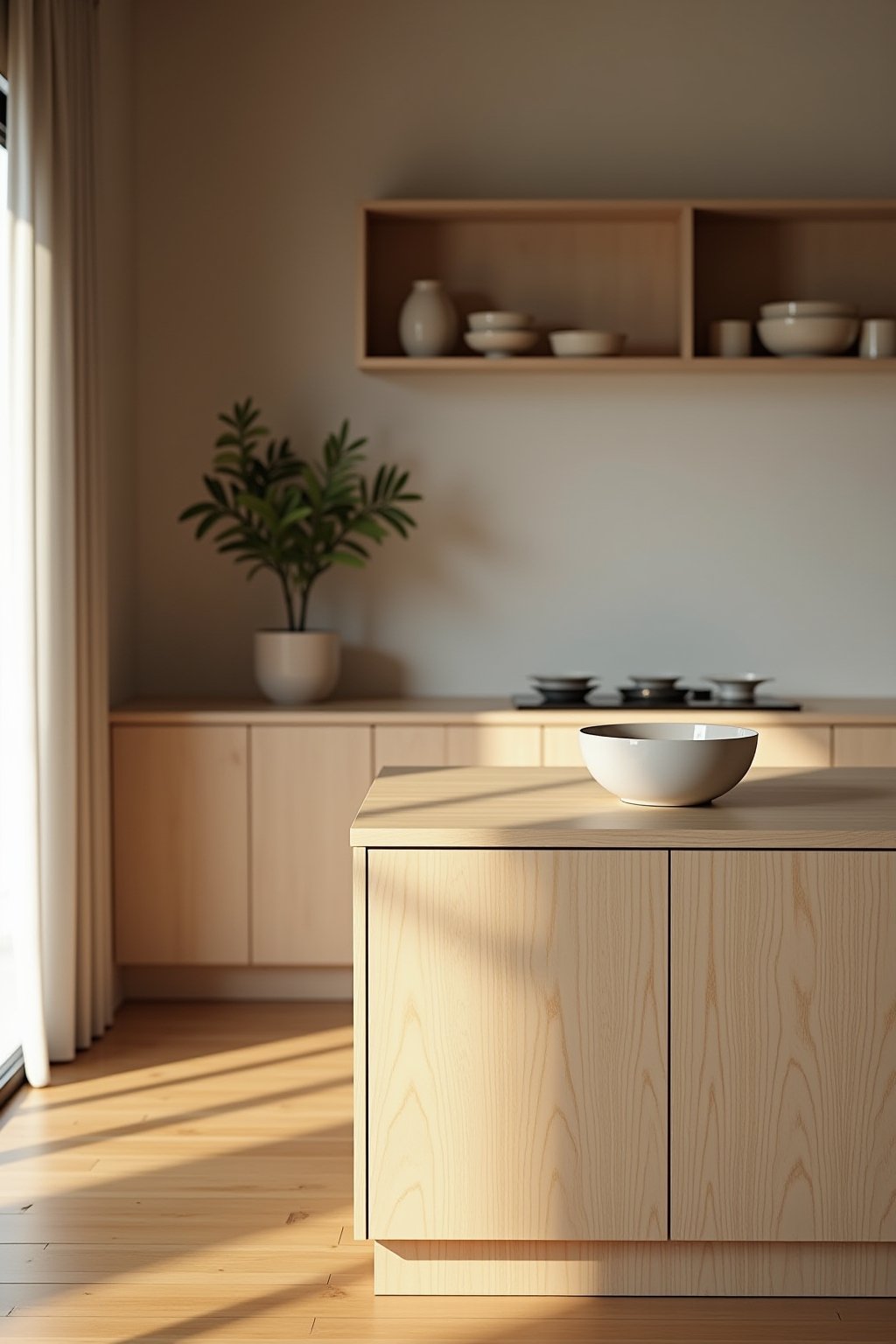
Japandi is ideal for small kitchens. Light wood cabinets, minimal countertop items, and one open shelf with three ceramic pieces. The lack of visual clutter makes the space feel twice its size.
Large Kitchen
In a large kitchen, Japandi prevents the space from feeling empty or cold. A long wooden island, intentional groupings on open shelving, and warm textiles create coziness within the minimalist framework.
Galley Kitchen
Clean lines, light wood, and almost-empty counters make a galley kitchen feel serene rather than cramped. One side for cooking, one side for display. Simple and beautiful.
Common Questions
What is Japandi kitchen style?
Japandi combines Japanese minimalism with Scandinavian hygge. In a kitchen, this means natural materials (wood, stone, ceramic), a warm neutral palette, minimal decor, intentional negative space, and a focus on quality over quantity.
Is Japandi just minimalism?
No — Japandi is warmer than typical minimalism. While both value simplicity, Japandi emphasizes natural materials, handmade items, and warm textures. It’s minimalism with soul and warmth.
What colors are used in a Japandi kitchen?
Warm white, cream, beige, natural wood tones, stone gray, and soft black accents. No bright colors or busy patterns. The palette is narrow but rich in texture and material variation.
How do I make a Japandi kitchen feel warm, not cold?
Use warm-toned wood (oak, ash, maple), handmade ceramics with irregular glazes, linen textiles, and warm lighting. The warmth comes from natural materials and tactile textures, not from color or decoration.
Where can I buy Japandi-style kitchen items?
Look for handmade ceramics at local pottery studios, wooden items at craft fairs, and linen textiles at home goods stores. Online artisan marketplaces also carry beautiful Japandi-appropriate pieces.
Can I convert my existing kitchen to Japandi without renovating?
Absolutely. Start by decluttering aggressively, replace synthetic items with natural materials gradually, add linen textiles, and style with intention. Paint walls warm white if needed. No renovation required.