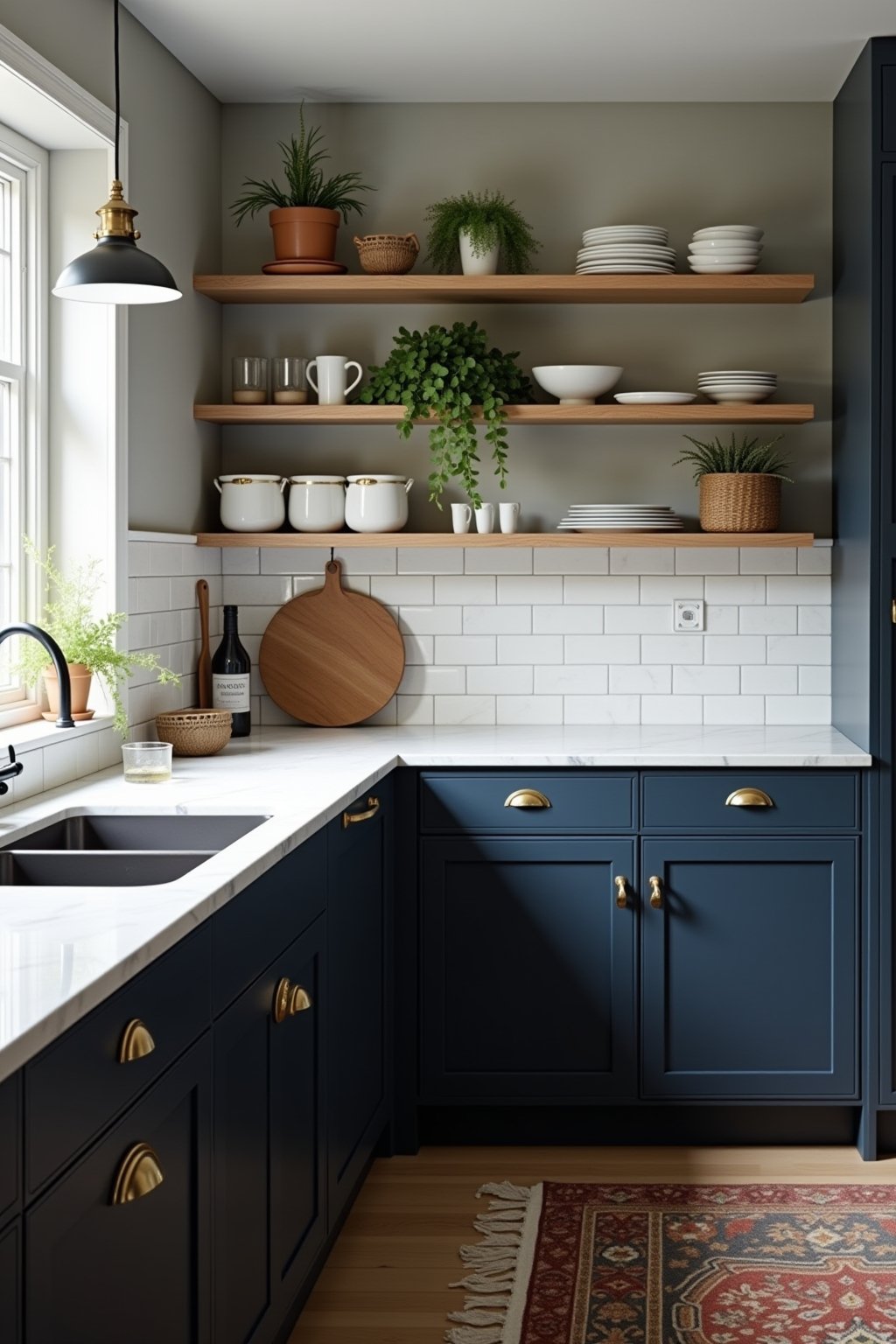
I never thought I’d paint my kitchen cabinets navy blue. White kitchens had been drilled into my brain as the only safe choice for resale value and timeless appeal. Then I visited a friend’s remodeled brownstone with the most gorgeous deep blue kitchen I’d ever seen, and my entire perspective shifted.
Dark, moody blue kitchens are having a massive moment right now. Pinterest searches for “moody blue kitchen” are up over 300%, and for good reason. A deep blue kitchen feels sophisticated, grounded, and surprisingly warm. Here’s how to create one that looks like it belongs in a design magazine.
What Quiet Step Mattes
- Hides wear beautifully — unlike white cabinets, dark blue doesn’t show every smudge, stain, and scratch
- Creates dramatic contrast — paired with brass hardware and marble countertops, the effect is stunning
- Works with multiple styles — from farmhouse to modern to traditional, moody blue adapts to any kitchen aesthetic
- Increases perceived value — dark painted cabinets signal custom, high-end design to potential buyers
- Pairs with warm wood tones — the trend away from all-white kitchens toward warm, natural materials is in full swing
What You’ll Need
Here’s what you’ll need for a moody blue kitchen transformation:
- Cabinet paint — choose a high-quality cabinet-grade paint in deep navy or midnight blue
- Primer — bonding primer specifically designed for cabinets
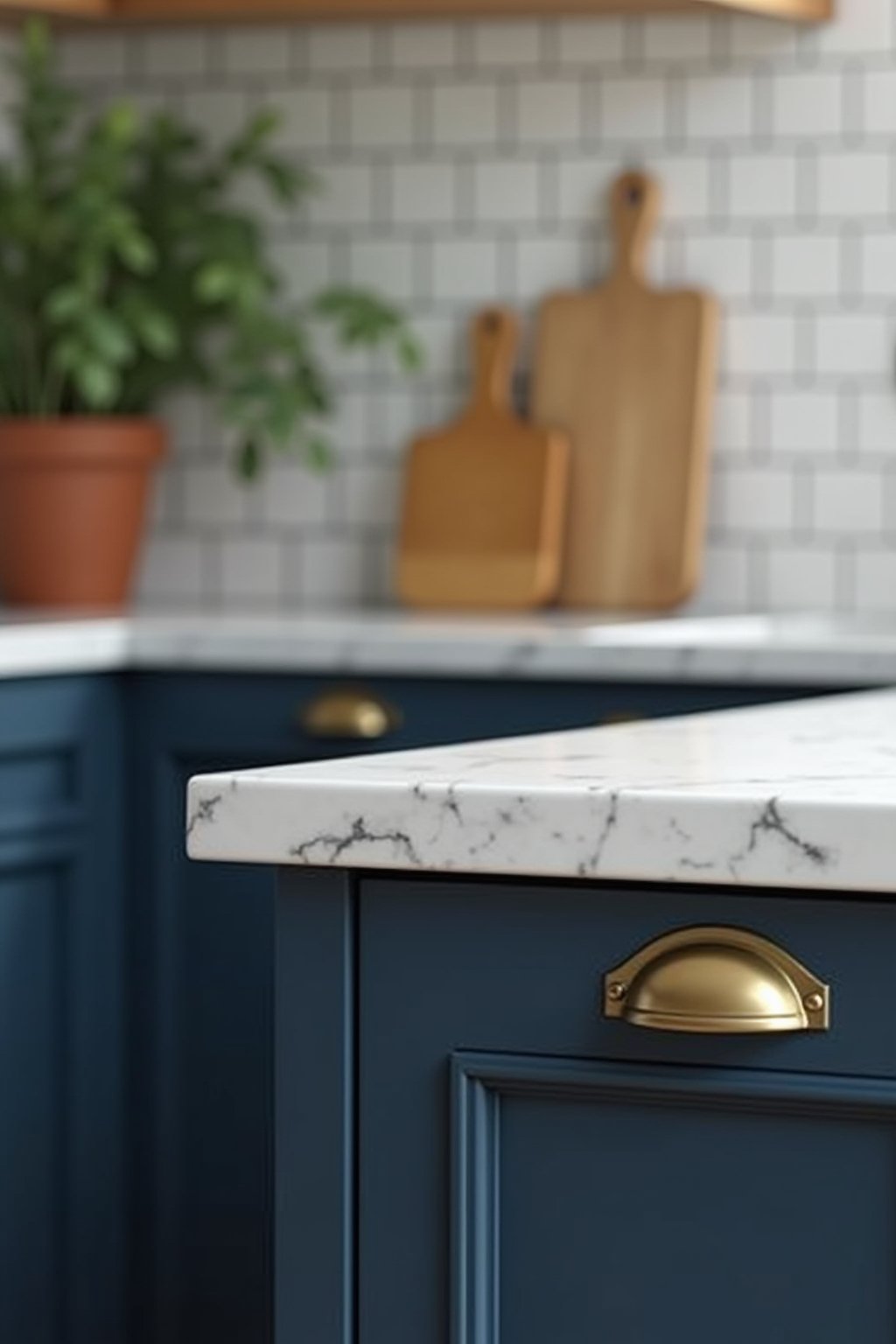
- New hardware — brass or unlacquered brass pulls and knobs
- Backsplash tile — white marble, subway tile, or natural stone
- Under-cabinet lighting — LED strip lights to brighten work surfaces
- Open shelving brackets — wood or brass for displaying dishes and plants
The Walk From A to Z
Choose the Right Blue
Not all blues are created equal. For a moody kitchen, you want a blue with depth — think midnight, navy, or inky blue with warm undertones. Avoid bright royal blue or anything that leans turquoise.
The best moody kitchen blues include Benjamin Moore “Hale Navy,” Farrow & Ball “Stiffkey Blue,” and Sherwin-Williams “Naval.” Test multiple samples on your actual cabinets in your kitchen’s lighting.
Prep and Prime Cabinets
Proper prep is 80% of a successful cabinet paint job. Remove all doors and hardware. Clean every surface with TSP (trisodium phosphate) to remove grease. Lightly sand with 150-grit sandpaper for adhesion.
Apply a coat of bonding primer (Zinsser or KILZ) and let it cure fully — at least 24 hours. This step is non-negotiable for durability.
Paint with a Smooth Finish
Use a small foam roller for flat surfaces and a high-quality brush for edges and details. Apply two to three thin coats rather than one thick coat. Sand lightly with 220-grit between coats for a glass-smooth finish.
Let the final coat cure for at least 7 days before reattaching hardware and hanging doors. Patience here prevents chips and peeling for years to come.
Install Brass Hardware
Hardware is the jewelry of your kitchen. Swap out existing pulls and knobs for brass. Unlacquered brass develops a beautiful patina over time, while lacquered brass stays shiny. Both look gorgeous against navy blue.
For a cohesive look, match your hardware to your faucet and lighting fixtures. All brass, all the time.
Brighten with Strategic Lighting
Moody blue cabinets absorb light, so you need to compensate. Install LED under-cabinet lighting to illuminate countertops. Add a statement pendant or two over the island. Use warm-toned bulbs (2700K-3000K) to prevent the blue from reading as cold.
A well-lit moody blue kitchen actually feels more inviting than a poorly-lit white one.
If Yours Doesn’t Look Right
- Choosing a blue that’s too bright — royal blue or cobalt reads as trendy-cheap rather than sophisticated. Stick to deep navy or midnight blue
- Painting all cabinets blue — consider doing just the lowers in blue and uppers in white or open shelving for a balanced look
- Skipping the primer — bonding primer is essential for kitchen cabinets. Without it, your paint will chip within months from heat and moisture
- Using the wrong hardware color — chrome and nickel clash with moody blue. Brass, gold, or black are your best options
- Forgetting under-cabinet lighting — dark cabinets without task lighting makes cooking difficult and the kitchen feels gloomy
Frugal Approach
Transform your kitchen without a full renovation budget:
- Paint existing cabinets instead of replacing them — this alone saves thousands
- Update just the lower cabinets in blue and add open shelving above — this costs a fraction of painting all cabinets
- Shop estate sales and salvage yards for brass hardware — vintage pulls have more character anyway
- Use peel-and-stick subway tile for a temporary backsplash upgrade
- LED strip lights are under $20 and make an enormous difference in a dark kitchen
The Edit Pass
- Add open wood shelving — warm wood shelves against blue walls create beautiful contrast and display space
- Use marble or white stone countertops — the light surface balances the dark cabinets perfectly
- Display white dishes and ceramics — white pottery on open shelves pops against navy blue
- Add greenery — herbs on the windowsill or a trailing pothos on a shelf bring life to the space
- Choose a warm wood cutting board collection — leaned against the backsplash, these add warmth and texture
- Install a statement light fixture — a brass pendant or industrial fixture ties the whole look together
Room Recommendations
Galley Kitchen
In a narrow galley kitchen, paint just one side of cabinets in moody blue and keep the opposite side light. This creates depth and prevents the narrow space from feeling dark.
Kitchen Island
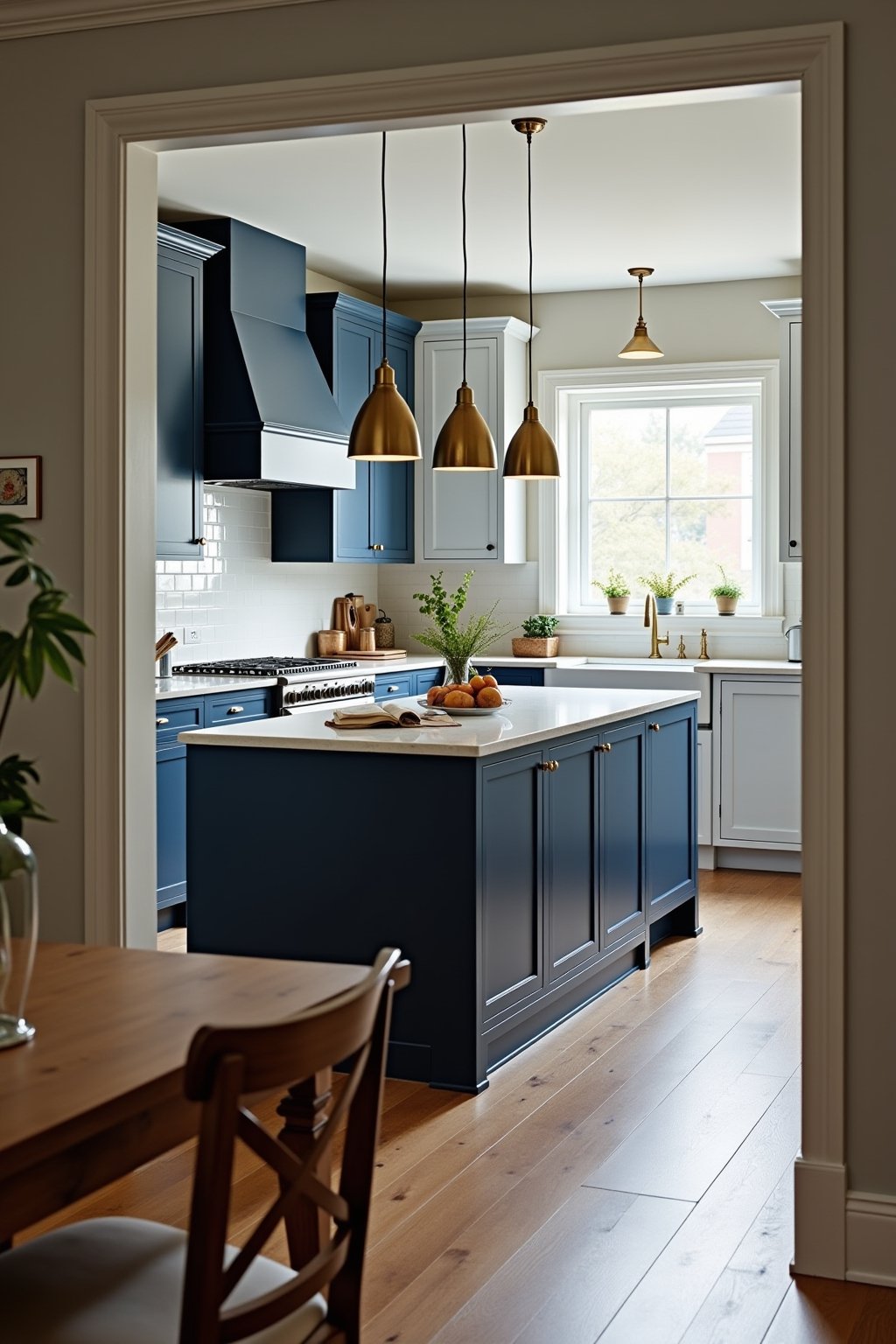
If full navy cabinets feel too bold, paint just the island in moody blue and keep perimeter cabinets white or wood-toned. This is the most popular way to introduce the trend.
Open-Concept Kitchen
In an open floor plan, moody blue cabinets help define the kitchen zone while making a design statement visible from the living area. It becomes the anchor of the space.
Common Questions
Will dark blue kitchen cabinets make my kitchen look smaller?
Not if you balance them properly. Pair dark blue lower cabinets with white or light upper cabinets, add plenty of task lighting, and use light countertops. The contrast actually creates depth.
What countertop color goes best with navy blue cabinets?
White marble, light quartz, or butcher block are the top choices. The key is a light-colored countertop to provide contrast against the dark cabinets.
How do I keep dark blue cabinets from looking dated?
Stick to classic navy or midnight blue rather than trendy teals or bright blues. Pair with timeless brass hardware and natural materials. These combinations have worked in design for decades.
Is it better to paint upper and lower cabinets the same blue?
Two-tone is actually more popular and practical. Navy lowers with white or open shelving uppers creates a lighter, more modern feel. All-blue works in large, well-lit kitchens.
What backsplash works with moody blue cabinets?
Classic white subway tile, marble mosaic, Zellige tile in white or cream, or even a warm natural stone. Keep the backsplash light to provide contrast and brightness.
Can I paint laminate cabinets dark blue?
Yes, with proper preparation. Use a deglosser or liquid sandpaper, then apply a bonding primer designed for laminate before painting. The result can look just as good as painting wood cabinets.