
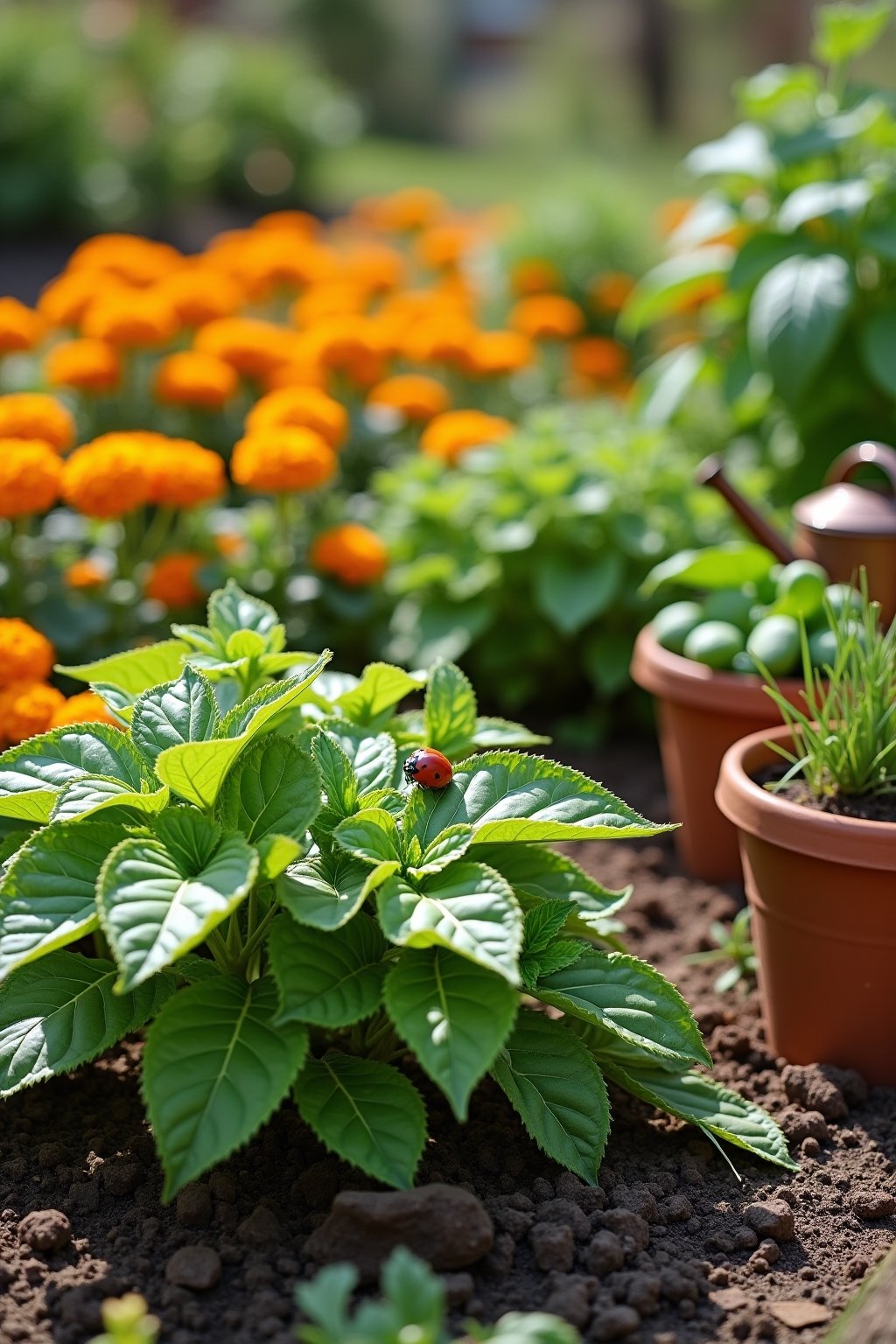
Every spring I watch gardeners reach for chemical pesticides at the first sign of a nibbled leaf, and every time I want to gently take the bottle from their hands and say: there is a better way. I have been gardening without synthetic chemicals for years, and my garden is healthier, more productive, and more alive with beneficial insects than it has ever been. The secret is not ignoring pests — it is outsmarting them.
Natural pest prevention is not about letting bugs eat your garden. It is about creating an ecosystem where pests are kept in check by natural predators, physical barriers, and smart planting strategies. The approach takes a little more thought than spraying, but the results are better — healthier soil, safer food, and a garden buzzing with the bees, butterflies, and ladybugs that make it beautiful. Here are nine proven, natural methods I rely on every spring to protect my plants without reaching for a single chemical.
Quick Facts
| Sun | All light conditions (prevention applies to all gardens) |
| Difficulty | Beginner |
| Season | Spring (with year-round strategies) |
| Zone | All USDA Zones |
| Time to Harvest | N/A (prevention methods) |
Pull Out
- Neem oil (cold-pressed, pure)
- Food-grade diatomaceous earth
- Floating row cover fabric
- Insecticidal soap (or castile soap for DIY)
- Sticky yellow traps
- Companion plants: marigolds, basil, nasturtiums, chives
- Beneficial insect attractants (dill, fennel, yarrow, alyssum)
- Copper tape or mesh (for slugs)
- Spray bottle for homemade solutions
- Garden journal for tracking pest patterns
You do not need a garage full of products to manage pests naturally. The essentials are neem oil, diatomaceous earth, row covers, and companion plants — these four tools handle the vast majority of garden pest problems. Neem oil must be cold-pressed and pure (not a synthetic extract) to be effective. It works as both a repellent and a growth disruptor for soft-bodied insects. Food-grade diatomaceous earth (not pool-grade, which is dangerous) is a fine powder made from fossilized algae that physically damages the exoskeletons of crawling insects. Floating row covers are lightweight fabric that lets light and water through but physically blocks insects from reaching plants — this is the most effective pest prevention tool in any garden. For homemade sprays, pure castile soap (like Dr. Bronner’s) diluted in water makes an effective insecticidal soap for soft-bodied insects.
Step 1: Start With Healthy Soil — Your First Line of Defense
Healthy plants grown in rich, living soil are naturally more resistant to pest damage. This is not gardening folklore — research consistently shows that plants in nutrient-balanced, biologically active soil produce more natural defense compounds and recover faster from insect damage. Before the growing season begins, add 2-3 inches of quality compost to your beds. Compost feeds the beneficial microorganisms that make nutrients available to plant roots. Avoid over-fertilizing with nitrogen, which produces lush, soft growth that is irresistible to aphids and other sap-sucking insects. A soil test (available through your county extension office) tells you exactly what your soil needs so you can amend specifically rather than guessing. Healthy soil also supports earthworms and beneficial soil organisms that keep root-feeding pests in check.
Step 2: Use Floating Row Covers as Physical Barriers
Floating row covers are the single most effective organic pest prevention tool, and they are dramatically underused by home gardeners. These lightweight, spun-bonded fabric sheets drape directly over plants or over wire hoops, allowing 85-90 percent of sunlight and all rain to pass through while physically blocking insects. Use row covers to protect brassicas (cabbage, broccoli, kale) from cabbage moths, squash from vine borers and squash bugs, and beans from Mexican bean beetles. Install covers at planting time, before pests arrive — they are preventive, not reactive. Seal the edges with soil, rocks, or landscape staples to prevent insects from sneaking underneath. Remove covers when plants bloom if they need pollination (squash, cucumbers) or when temperatures under the covers get too hot. For crops that do not need pollination (root vegetables, leafy greens, brassicas), you can leave covers on for the entire season.
Step 3: Apply Neem Oil Preventively — Before Pests Arrive
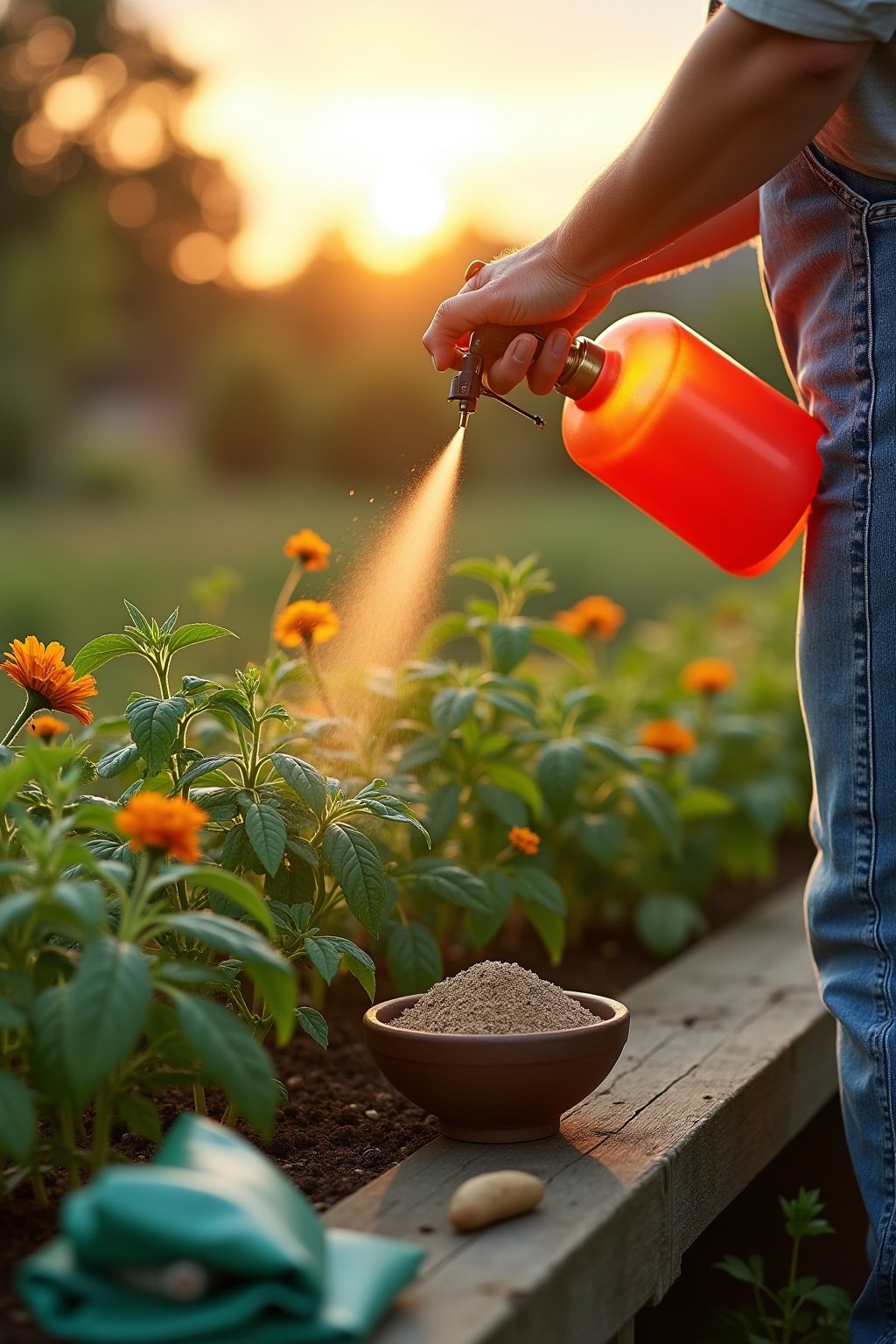
Neem oil is extracted from the seeds of the neem tree and is one of the most versatile organic pest management tools available. It works in multiple ways: as a repellent (many insects dislike the smell and taste), as a feeding disruptor (insects that eat neem-coated leaves lose their appetite), and as a growth regulator (it interferes with the molting process of immature insects). Mix 2 tablespoons of pure, cold-pressed neem oil with 1 teaspoon of liquid soap (as an emulsifier) in a gallon of warm water. Shake well and spray the tops and undersides of leaves. Apply in the evening or early morning — never in direct hot sun, which can burn leaves. Reapply every 7-14 days and after rain. Start spraying before you see pest damage. Neem is most effective as a preventive; once a heavy infestation is established, it works more slowly. Neem is safe for bees when applied in the evening after they have returned to the hive, and it breaks down within 1-3 days.
Step 4: Deploy Diatomaceous Earth for Crawling Pests
Diatomaceous earth (DE) is a fine white powder made from the fossilized remains of tiny aquatic organisms called diatoms. To crawling insects, it is like walking on broken glass — the microscopic sharp edges puncture their exoskeletons, causing them to dehydrate and die. It is effective against slugs, snails, earwigs, ants, flea beetles, and crawling aphids. Dust a thin layer of food-grade DE (never pool-grade, which is heated and dangerous to inhale) around the base of plants, along bed edges, and on the soil surface where pests crawl. The biggest limitation of DE is that it must stay dry to work. Rain, heavy dew, and overhead watering wash it away, and you must reapply after every wetting. Apply DE in the morning after dew has dried, and reapply after rain. Be mindful that DE does not distinguish between harmful and beneficial crawling insects — avoid applying it directly to flowers where pollinators land.
Step 5: Practice Companion Planting for Natural Pest Repellence
Companion planting is the strategy of growing specific plants near each other to deter pests, attract beneficial insects, or improve growing conditions. Here are the most effective combinations:
Marigolds: Their strong scent repels aphids, whiteflies, and nematodes. Plant them as borders around vegetable beds — they are especially effective near tomatoes, peppers, and squash.
Basil near tomatoes: Repels aphids, whiteflies, and tomato hornworms. It also improves the flavor of nearby tomatoes (gardeners have sworn by this for centuries).
Nasturtiums as trap crops: Aphids love nasturtiums even more than your vegetables. Plant them nearby and they will attract aphids away from your food crops. Then remove the infested nasturtiums.
Chives and garlic near roses: The allium family repels aphids, which are roses’ biggest pest. A border of chives around a rose bed is both beautiful and functional.
Dill and fennel for beneficial insects: These attract parasitic wasps, ladybugs, and lacewings — the predators that eat your pest insects. Let some go to flower rather than harvesting everything.
Step 6: Attract Beneficial Insects — Your Garden’s Army
A healthy garden is full of predator insects that eat pest insects for you — and they work for free. Your job is to attract and keep them. The most valuable beneficial insects for home gardens include:
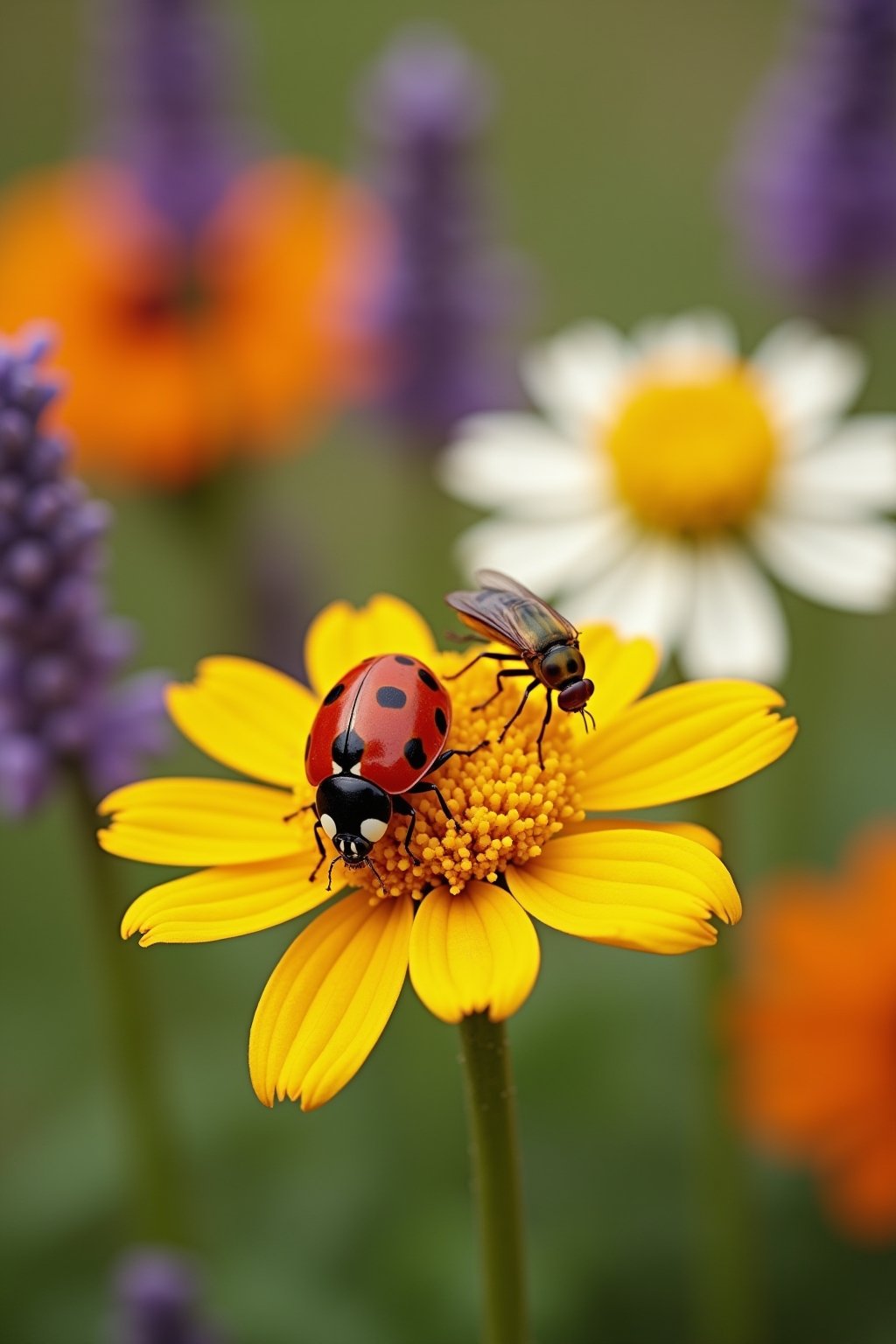
Ladybugs: A single ladybug can eat up to 5,000 aphids in its lifetime. Attract them with yarrow, dill, fennel, and dandelions.
Lacewings: Their larvae are called ‘aphid lions’ and they devour aphids, mealybugs, and small caterpillars. Attract adults with sweet alyssum, coreopsis, and cosmos.
Parasitic wasps: Tiny, non-stinging wasps that lay eggs inside caterpillars and aphids, killing them. Attract them with dill, fennel, yarrow, and Queen Anne’s lace.
Ground beetles: Nighttime predators that eat slugs, snails, and cutworms. Provide habitat with mulch, stones, and ground cover plants.
Hoverflies: Adults pollinate flowers; larvae eat hundreds of aphids. Attract with marigolds, sweet alyssum, and herbs allowed to flower.
Plant a beneficial insect border along one edge of your garden with a mix of yarrow, sweet alyssum, dill, fennel, cosmos, and calendula. This ‘insectary strip’ is the single best investment you can make in natural pest control.
Step 7: Use Insecticidal Soap for Targeted Treatment
When you do see an active infestation of soft-bodied insects (aphids, whiteflies, spider mites, mealybugs), insecticidal soap is an effective, targeted treatment that breaks down quickly and does not harm the soil. You can buy commercial insecticidal soap or make your own: mix 1 tablespoon of pure castile soap (not detergent — it must be true soap) in 1 quart of water. Spray directly on the insects, coating them thoroughly. The soap breaks down the insects’ protective waxy coating, causing them to dehydrate. Insecticidal soap only works on contact — it has no residual effect, which means it does not harm insects that arrive after the spray dries. Apply in the morning or evening (never in hot sun) and repeat every 3-5 days until the infestation is controlled. Test on a small area first — some plants (especially hairy-leaved varieties and sweet peas) are sensitive to soap sprays.
Step 8: Practice Smart Garden Hygiene
Many pest problems start not with this year’s bugs but with last year’s eggs and larvae overwintering in garden debris. Smart hygiene prevents these time bombs from going off. In early spring, remove all dead plant material from beds — fallen leaves, old stalks, and spent mulch can harbor pest eggs, fungal spores, and slug eggs. Do not compost plant material from plants that were heavily infested or diseased last year. Bag it and dispose of it with household waste. Rotate crops annually: do not plant the same family in the same spot two years in a row. Many soil-dwelling pests are specialists — moving crops breaks their lifecycle. Rotate in four groups: nightshades (tomatoes, peppers), brassicas (cabbage, broccoli), legumes (beans, peas), and cucurbits (squash, cucumbers). Keep the area around your garden free of weeds, which serve as alternate hosts for many pest insects.
Step 9: Monitor Early and Act Fast — The 5-Minute Daily Walk
The most powerful pest prevention tool costs nothing and takes almost no time: a daily 5-minute garden walk. Every morning or evening, walk through your garden and look at your plants closely. Check the undersides of leaves, look at stem bases, and notice any changes in leaf color or texture. Early detection is everything in natural pest management. Three aphids on a leaf are easy to squish with your fingers or blast off with a hose. Three hundred aphids on a plant require serious intervention. Keep a simple garden journal — note what pests you see, when they appear, and which plants are affected. After a season or two, you will see patterns and can prepare in advance. Set yellow sticky traps near susceptible plants as an early warning system — they catch whiteflies, fungus gnats, and aphids, alerting you to problems before they become visible on plants. The combination of observation, prevention, and targeted treatment is more effective than any chemical spray — and it gets easier every year as your garden ecosystem becomes more balanced.
If You Hit Trouble
Aphids keep coming back despite treatment: Aphids reproduce incredibly fast — a single aphid can produce 80 offspring in a week. Blast them off with a strong spray of water from the hose (many cannot climb back up), then follow up with neem oil spray every 7 days. Most importantly, attract ladybugs and lacewings by planting their favorite flowers — they will control aphids naturally once established.
Slugs destroying seedlings overnight: Slugs are worst in cool, wet spring weather. Apply diatomaceous earth around seedlings (reapply after rain), set up beer traps (shallow dishes of cheap beer sunk into the soil), and lay copper tape around raised bed edges — slugs get a mild electric shock from copper. Water in the morning, not evening, so soil surface is drier at night when slugs are active.
Cabbage moth caterpillars on brassicas: Row covers installed at planting time are the best prevention. If caterpillars are already present, pick them off by hand (check daily) and spray with Bt (Bacillus thuringiensis), a natural soil bacterium that kills caterpillars when they eat treated leaves. Bt is organic, specific to caterpillars, and harmless to other insects.
Flea beetles riddling leaves with tiny holes: These tiny jumping beetles are worst on eggplant, brassicas, and radishes in early spring. Row covers are the most effective barrier. Sprinkle diatomaceous earth on leaves when they are dry. Interplant with basil and catnip, which deter flea beetles.
Beneficial insects not showing up: It takes time to build a balanced ecosystem. Plant an insectary border this spring and be patient — beneficial insects will colonize over the season. Avoid killing any insects indiscriminately in the meantime, including the ‘ugly’ ones like ground beetles and parasitic wasps that are actually your allies.
A Seasonal Rhythm
Follow this seasonal pest prevention calendar to stay ahead of problems:
| Timing | Prevention Tasks |
|---|---|
| Late Winter (Feb-Mar) | Clean up all garden debris and spent mulch. Order row covers, neem oil, and beneficial insect seeds. Review last year’s garden journal for pest patterns. Soil test and amend beds with compost. |
| Early Spring (Mar-Apr) | Install row covers over newly planted brassicas and early crops. Set yellow sticky traps. Sow companion plants (marigolds, nasturtiums, alyssum) alongside vegetables. Begin daily garden walks. |
| Late Spring (May) | Apply first preventive neem oil spray. Dust diatomaceous earth around slug-prone areas. Transplant beneficial insect border plants. Check for aphids on new growth weekly. |
| Early Summer (June) | Monitor for squash vine borers (remove row covers from squash for pollination — or hand-pollinate). Release purchased ladybugs if needed (evening release). Refresh DE after rain. |
| Mid-Summer (Jul-Aug) | Watch for mildew, spider mites (hot, dry weather), and second-generation pests. Maintain neem spray schedule. Let some herbs and flowers go to seed to feed beneficial insects. |
| Fall (Sep-Oct) | Clean up spent crops immediately — do not leave debris over winter. Note pest problems in garden journal. Plant cover crops to build soil health. Compost healthy material; discard diseased plants. |
What Trial-and-Error Taught Me
- Prevention beats treatment every time — Row covers, companion planting, and healthy soil prevent 80 percent of pest problems before they start. Spend your time on prevention rather than buying remedies for infestations.
- Spray neem oil in the evening, never midday — Applying neem in direct sun can burn leaves and harm foraging bees. Evening application lets the spray dry overnight, and by morning it is safe for pollinators while still effective against pests.
- Let some pests live — A completely pest-free garden has no food for beneficial insects, which means they leave. Tolerate minor pest presence — a few aphids on a leaf are feeding the ladybugs you want. Only intervene when damage is significant.
- Water in the morning, not the evening — Wet soil and foliage overnight creates ideal conditions for slugs, snails, and fungal diseases. Morning watering lets the soil surface and leaves dry by nightfall.
- Create a permanent insectary strip — Dedicate one border to yarrow, sweet alyssum, dill, fennel, cosmos, and calendula. This permanent habitat for beneficial insects is the single most effective long-term pest prevention strategy.
- Keep a garden journal — Write down what pests appeared, when, and on which plants. After 2-3 seasons, you will see clear patterns and can prepare specific defenses weeks before pests arrive.
Pages That Link Up
Frequently Asked Questions
Does neem oil really work for garden pests?
Yes, neem oil is one of the most effective organic pest management tools available. It repels many insects, disrupts feeding in those that do eat treated leaves, and interferes with the growth cycle of immature insects. It works best as a preventive — apply before pests arrive and reapply every 7-14 days. Use pure, cold-pressed neem oil mixed with a soap emulsifier, not synthetic neem extracts.
Is diatomaceous earth safe to use around pets and children?
Food-grade diatomaceous earth is generally considered safe around pets and children. It is non-toxic when ingested in small amounts and is even used as a food additive. However, the fine dust can irritate lungs if inhaled in large quantities, so wear a mask when applying and avoid creating dust clouds. Never use pool-grade DE, which is chemically treated and dangerous.
How do I attract ladybugs to my garden naturally?
Plant ladybug-attracting flowers like yarrow, dill, fennel, tansy, dandelions, and sweet alyssum. Ladybugs need both prey (aphids) and pollen to thrive. Avoid broad-spectrum pesticides that kill ladybugs along with pests. Provide a shallow dish of water with pebbles for drinking. It takes a season or two to build a resident population, but once established, ladybugs return year after year.
What is the best natural way to get rid of slugs?
The most effective natural slug controls are copper barriers (tape or mesh around raised beds), beer traps (shallow dishes sunk into the soil), diatomaceous earth around plants (reapply after rain), and morning watering instead of evening watering so soil surfaces are dry at night. Encouraging ground beetles, frogs, and birds also provides natural predation. Hand-picking at dusk with a flashlight is surprisingly effective for small gardens.
Do companion plants really repel pests?
Yes, but with caveats. Companion planting works best as part of a broader integrated pest management strategy rather than a standalone solution. Marigolds have been scientifically shown to reduce nematodes and repel whiteflies. Basil near tomatoes reduces aphid populations. Nasturtiums work as genuine trap crops for aphids. The effects are real but moderate — combine companion planting with other methods for best results.
When should I start pest prevention in spring?
Start as soon as you plant. Install row covers at planting time, sow companion plants alongside your vegetables, and begin your daily garden walk immediately. Apply the first preventive neem oil spray once plants have a few true leaves. Many spring pests (flea beetles, cabbage moths, aphids) arrive within days of planting, so prevention needs to be in place from the start.