
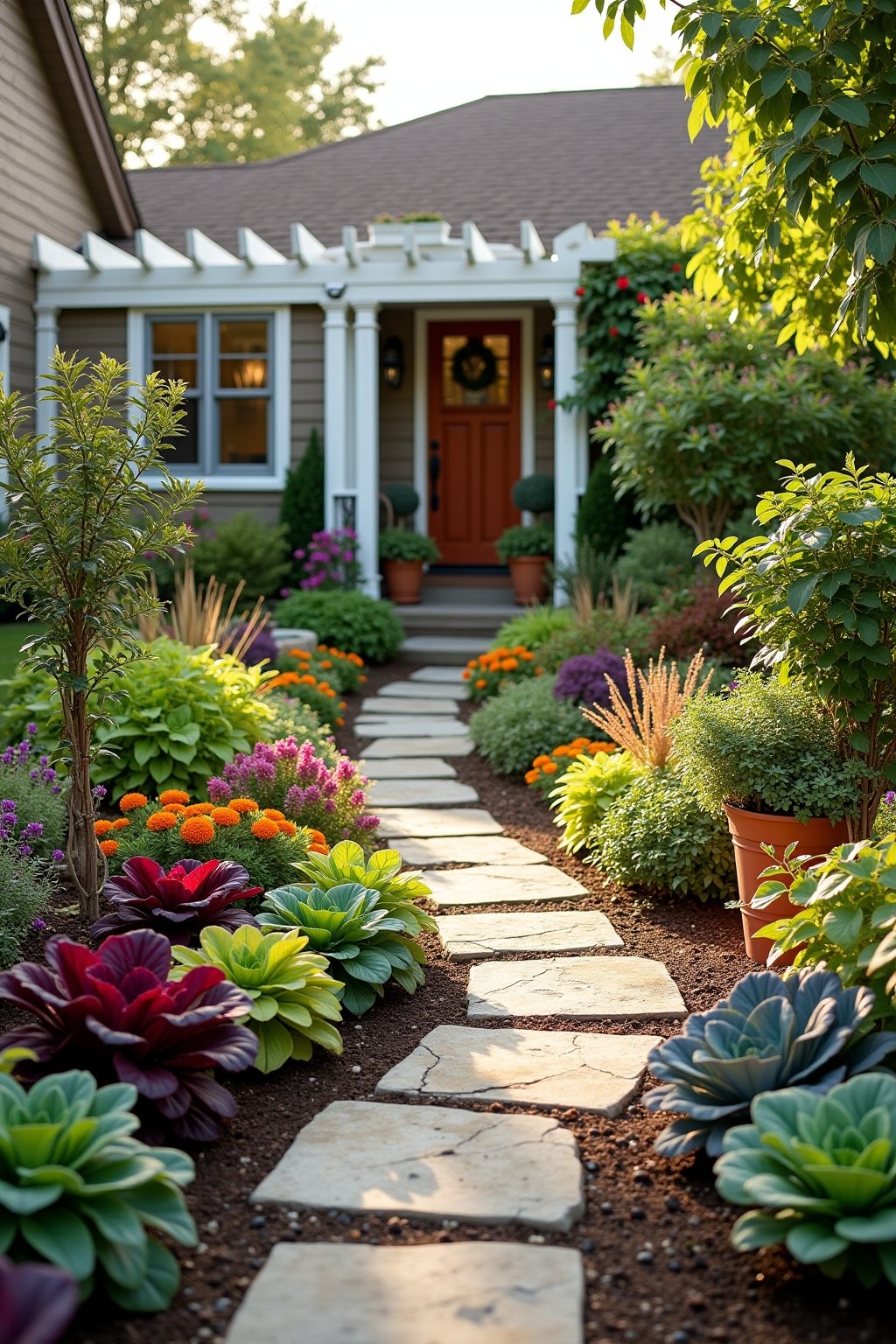
What if the most beautiful yard on your street also happened to feed your family? That is exactly what edible landscaping is about — replacing purely ornamental plants with food-producing ones that look just as gorgeous. I started tucking herbs and berry bushes into my flower beds years ago, and now half my front yard is edible and my neighbors think it is the prettiest garden on the block.
The trick is that edible landscaping is not about ripping out your lawn and planting rows of corn. It is about blending food plants into an attractive design so seamlessly that most people do not even realize they are looking at a vegetable garden. Swiss chard as a border plant, blueberry bushes instead of boxwood, rosemary hedges in place of privet — these swaps are beautiful, practical, and surprisingly easy to pull off. In this guide I will show you exactly how to plan, design, and plant an edible front yard that looks magazine-worthy and keeps your kitchen stocked.
Quick Facts
| Sun | Full Sun to Partial Shade (varies by plant) |
| Difficulty | Intermediate |
| Season | Spring through Fall (planning in winter) |
| Zone | USDA Zones 3-10 (plant selection varies) |
| Time to Harvest | Varies by crop — 30 days (herbs) to 2-3 years (fruit trees) |
Gather These
- Graph paper or garden design app for layout planning
- Soil test kit
- Compost and aged manure for soil amendment
- Edible plants: herbs, berry bushes, dwarf fruit trees, colorful vegetables
- Ornamental edging plants (lavender, chives, thyme)
- Mulch (wood chips, cocoa hulls, or straw)
- Drip irrigation supplies or soaker hoses
- Decorative containers or raised bed materials (optional)
- Arbor or trellis for climbing edibles (optional)
- Stepping stones or gravel for pathways
Edible landscaping does not have to cost a fortune. Start with a soil test — knowing your pH and nutrient levels prevents expensive mistakes later. A garden design sketch on graph paper is essential before you buy a single plant; it keeps you from impulse-purchasing things that do not fit your layout. Invest in drip irrigation early because a front yard garden needs to look good at all times, and wilted plants are not a great look. For structure and year-round interest, include at least a couple of evergreen edibles — rosemary, bay laurel (in warm climates), or wintergreen — so the garden does not look bare in the off-season. Decorative elements like a painted arbor for climbing beans or grapes add height and charm while producing food.
Step 1: Assess Your Space, Sun, and Local Rules
Before you plant anything, spend a few days observing your front yard. Note which areas get full sun (6+ hours), partial shade, and full shade — this determines what can grow where. Check your HOA rules and local ordinances. Many areas are increasingly friendly to edible gardens, but some HOAs still have restrictions on front yard vegetable gardens. The good news is that most edible landscaping looks so ornamental that it flies under the radar even in strict neighborhoods. Measure your space and note existing features you want to keep: mature trees, a nice walkway, the mailbox, utility access points. Finally, test your soil — most county extension offices do this for free or at very low cost, and the results will tell you exactly what amendments you need.
Step 2: Design With Layers and Structure First
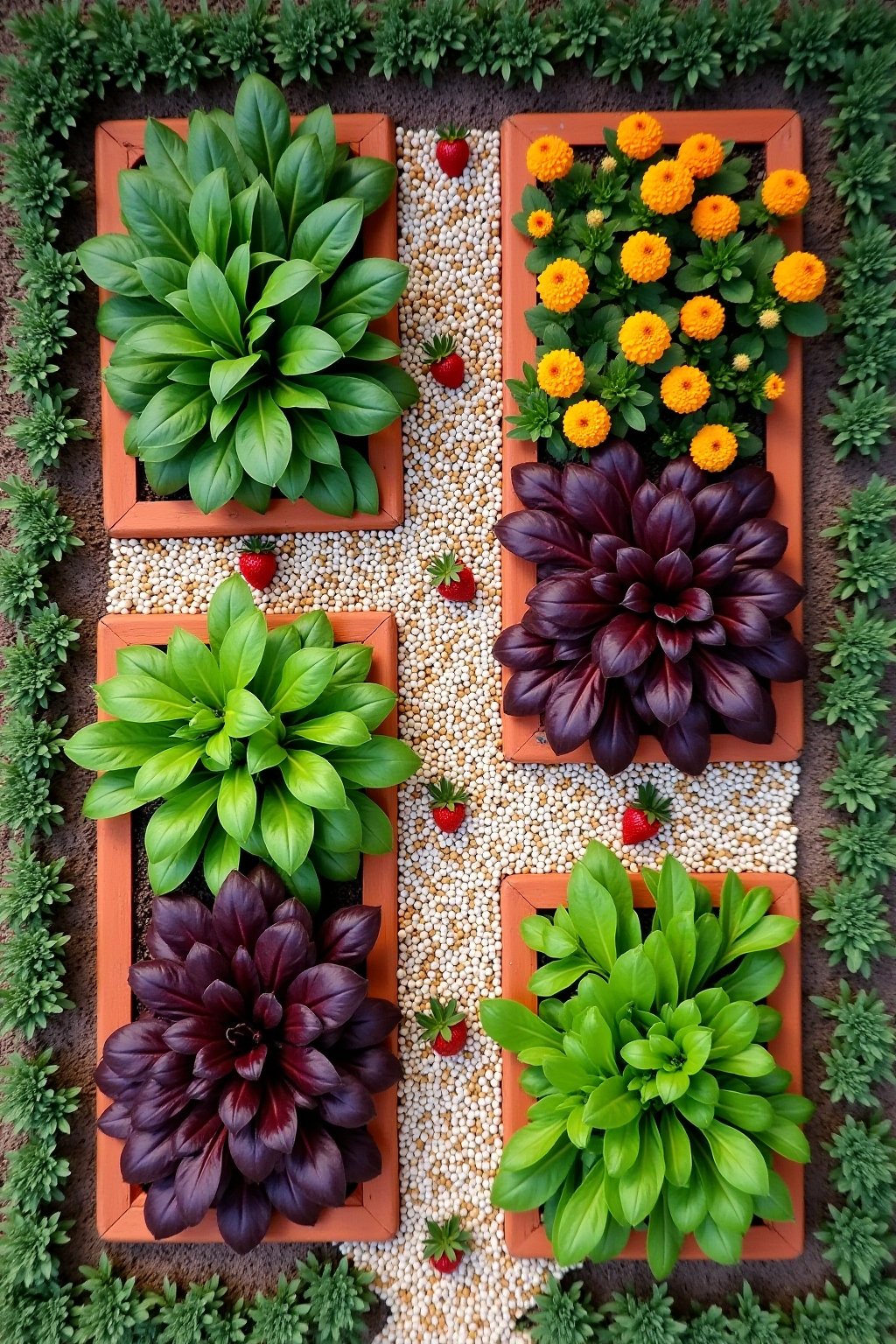
Great edible landscapes follow the same design principles as any attractive garden: layers, repetition, and focal points. Think in three layers. The back layer (tallest, closest to the house or fence) includes dwarf fruit trees, espaliered fruit, or tall plants like sunflowers and corn. The middle layer includes medium-height plants: blueberry bushes, pepper plants, tomato cages, artichokes, or ornamental kale. The front layer (edging) uses low-growing plants: strawberries, thyme, chives, lettuce, parsley, or compact herbs. Sketch this layout on graph paper first. Include a pathway for access (stepping stones or gravel work well) and at least one focal point — an arbor, a colorful container grouping, or a specimen fruit tree.
Step 3: Choose Edibles That Double as Ornamentals
This is the fun part. Many edible plants are genuinely stunning. Here are the best dual-purpose swaps:
Instead of boxwood hedges: blueberry bushes (gorgeous fall color), rosemary, or dwarf bay laurel.
Instead of ornamental grasses: asparagus ferns, lemongrass, or bronze fennel.
Instead of hostas in shade: rhubarb (dramatic red stems), alpine strawberries, or lettuce in colorful varieties.
Instead of flowering shrubs: elderberry, currant bushes, or ‘Bright Lights’ Swiss chard.
Instead of annual flower beds: rainbow chard, purple cabbage, frilly kale, red lettuce, and marigolds (also edible).
Instead of climbing hydrangea: grape vines, kiwi vines, or scarlet runner beans on an arbor.
Choose a color palette just like you would for a flower garden — purples, greens, and reds (red lettuce, purple basil, green herbs) create a rich, cohesive look.
Step 4: Prepare the Soil and Install Infrastructure
Amend your soil based on your test results. Most front yards that have been lawn for years will need generous additions of compost — work 3-4 inches into the top 8-10 inches of soil. If your soil is heavily compacted clay, consider building raised beds or raised mounds (berms) that look more landscaped than traditional rectangular beds. Install your irrigation system before planting. Drip lines or soaker hoses buried under mulch are invisible and efficient. Lay out pathways with stepping stones, pea gravel, or wood chips so you can access every part of the garden without stepping on the soil. If you are adding an arbor, trellis, or raised beds, build those now before plants are in the ground.
Step 5: Plant Your Permanent Framework First
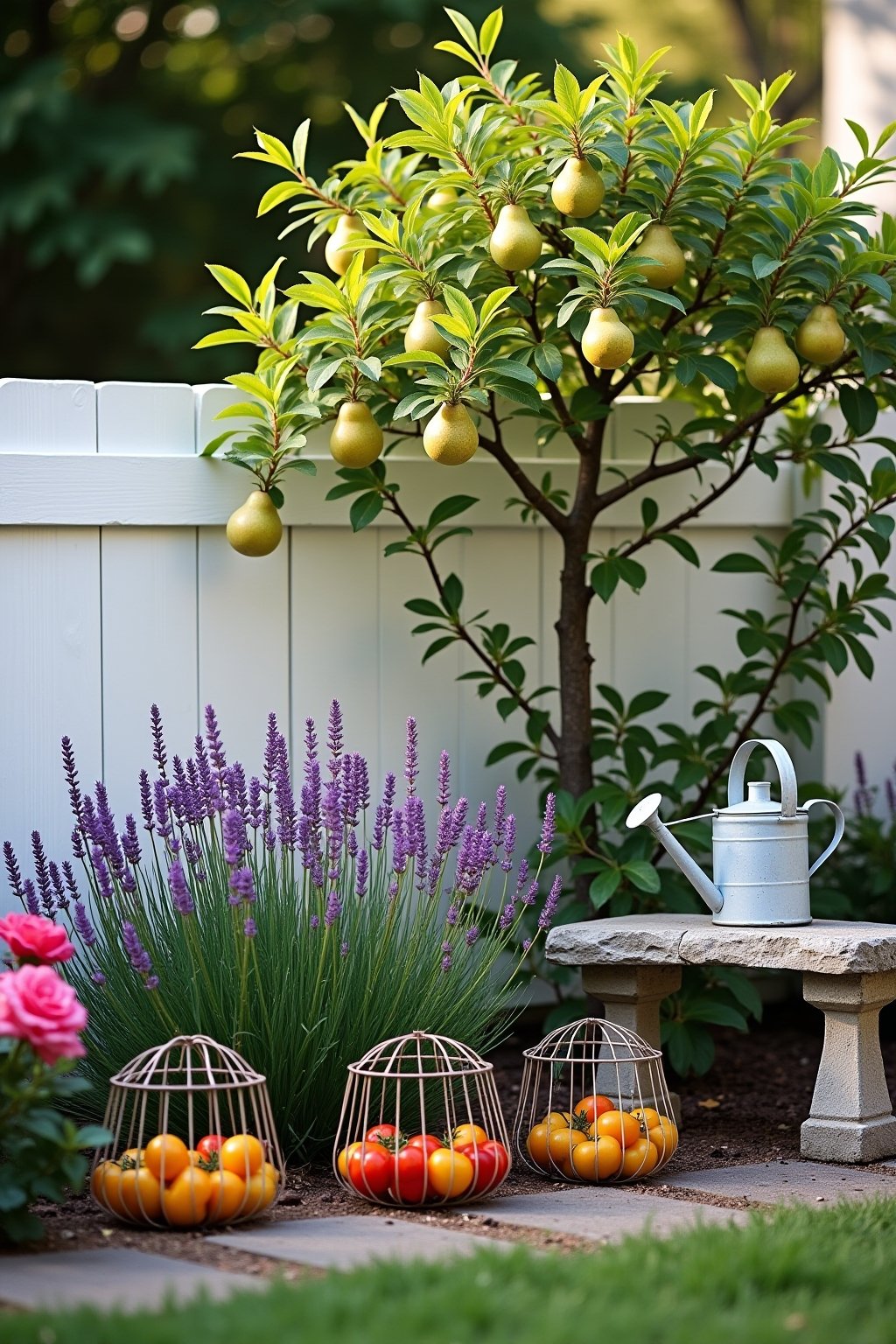
Start with the plants that take the longest to establish and give the garden its bones. Fruit trees and berry bushes go in first — they define the structure and are the most expensive to replace. Plant dwarf fruit trees (apple, pear, cherry, fig) at least 8-10 feet from your house foundation and consider espaliering them flat against a fence for a dramatic, space-saving look. Next, plant your perennial herbs and edible shrubs: rosemary, lavender, thyme, sage, blueberries, and currants. These plants come back year after year and fill in nicely over time. Finally, add any perennial vegetables — asparagus, rhubarb, and artichokes — in their permanent spots. These are the anchors of your edible landscape and you will not move them once established.
Step 6: Fill In With Seasonal Annuals and Edible Flowers
Once your permanent framework is in, fill the gaps with colorful annual vegetables and edible flowers that change with the seasons. In spring, plant lettuces, peas, pansies (edible), and radishes. In summer, swap to tomatoes, peppers, basil, nasturtiums, and zinnias. In fall, plant kale, ornamental cabbage, mums, and late-season herbs. The beauty of this approach is that your garden always looks full because the permanent plants hold the structure while the annuals provide seasonal color and variety. Use succession planting — sow new lettuce or radish seeds every 2-3 weeks — so there are never empty patches. Edible flowers like calendula, borage, and nasturtiums fill gaps beautifully and attract pollinators.
Step 7: Mulch, Maintain, and Keep It Tidy
Front yard gardens need to look neat. Apply a 2-3 inch layer of attractive mulch — cocoa shell mulch, shredded hardwood, or fine wood chips — around all plants. This suppresses weeds, retains moisture, and gives the garden a polished, intentional look. Deadhead flowers regularly, harvest ripe produce promptly (overripe tomatoes on the vine look messy), and keep pathways swept. Prune herbs and berry bushes to maintain shape — rosemary hedges should be trimmed just like ornamental hedges. Plan on spending about 30 minutes twice a week on front yard maintenance during the growing season. It is more visible than a backyard garden, so tidiness matters more.
Step 8: Manage the Off-Season for Year-Round Appeal
The biggest challenge with edible landscaping is avoiding a barren look in winter. Plan for this from the start by including evergreen edibles in your design: rosemary, bay laurel (zones 8+), winter savory, and evergreen thyme. Add structural elements that look good year-round: a painted arbor, attractive raised bed frames, decorative containers, or a birdbath. In mild climates, plant winter vegetables like kale, collards, Brussels sprouts, and leeks — they look beautiful with a light frost on them. In cold climates, apply a clean layer of mulch over empty beds and consider adding winterberry holly (technically edible for birds, gorgeous red berries) or ornamental kale for winter color.
Working Backwards From a Problem
HOA pushback: Present your plan as an ornamental garden with the language to match — say ‘pollinator garden’ and ‘perennial border’ rather than ‘vegetable garden.’ Most edible landscaping genuinely looks ornamental, and many states now have laws protecting residents’ right to grow food on their property. Check your local regulations.
Plants looking messy or overgrown: This is a maintenance issue, not a design issue. Prune herbs regularly, harvest promptly, stake tomatoes, and deadhead flowers. If specific plants consistently look untidy, replace them with neater alternatives — a sprawling squash vine is not ideal for a front yard, but a tidy blueberry bush is perfect.
Pest damage to visible plants: Front yard pest damage is more noticeable and embarrassing than backyard damage. Use companion planting (marigolds, basil, nasturtiums) to deter pests, pick caterpillars by hand, and remove damaged leaves promptly. Floating row cover over vulnerable crops works if you drape it neatly.
Bare spots between seasons: Always have transplants ready to go when you pull out spent crops. Keep a flat of seedlings growing in the backyard as replacements, and use fast-growing cover crops (crimson clover is beautiful) to fill gaps quickly.
A Seasonal Rhythm
Here is a seasonal calendar for maintaining a gorgeous edible front yard:
| Season | Tasks |
|---|---|
| Late Winter | Plan your layout on paper. Order seeds and plants. Prune fruit trees and berry bushes while dormant. Build or repair raised beds and structures. |
| Early Spring | Amend soil with compost. Plant cool-season annuals (lettuce, peas, radishes, pansies). Divide and transplant perennial herbs. Lay fresh mulch. |
| Late Spring | Transplant warm-season crops after last frost. Install drip irrigation if not already done. Plant edible flowers (nasturtiums, calendula, borage). |
| Summer | Harvest regularly — never let ripe produce sit. Succession-plant lettuce and herbs. Water consistently. Prune and shape hedging herbs. Deadhead flowers. |
| Fall | Replace spent summer crops with fall vegetables (kale, cabbage, chard). Plant garlic and spring bulbs. Add final round of mulch. Plant any new perennials or fruit trees. |
| Winter | Enjoy evergreen herbs and winter structure. Plan next year’s improvements. Start seeds indoors for early spring transplanting. |
The Slow-Learning Curve
- Start small and expand — Convert one bed or border the first year rather than tearing up the whole yard. This lets you learn what works in your specific conditions before committing to a full redesign.
- Espalier fruit trees against fences — An espaliered apple or pear tree looks like living art, takes up almost no space, and produces a surprising amount of fruit. It is the ultimate edible landscaping move.
- Use edible ground covers — Creeping thyme, strawberries, and chamomile make beautiful living carpets that replace traditional ground covers. Creeping thyme even handles light foot traffic.
- Group by water needs — Put drought-tolerant edibles (rosemary, lavender, thyme) together and thirsty plants (tomatoes, lettuce, berries) in a separate zone. This makes irrigation efficient and keeps everything healthy.
- Include something for every season — Plan for at least one showy edible per season: spring blossoms on fruit trees, summer tomatoes and peppers, fall kale and chard, winter rosemary and bay laurel.
- Add a ‘snacking path’ — Line your front walkway with strawberries, cherry tomatoes, and snap peas so you can grab a bite every time you walk to the mailbox. Kids love this especially.
Related on the Site
Quick Answers
Is it legal to grow vegetables in my front yard?
In most places, yes. Many states including Florida, Illinois, and California have passed laws explicitly protecting homeowners’ right to grow food gardens on their property, including the front yard. However, some HOAs still have restrictions. Check your local ordinances and HOA rules, and consider presenting your plan as an ornamental garden if needed.
What are the best edible plants that look ornamental?
Some of the most beautiful edible plants include ‘Bright Lights’ Swiss chard (rainbow stems), purple basil, blueberry bushes (stunning fall color), rosemary hedges, artichoke plants (dramatic silvery foliage), scarlet runner beans (gorgeous red flowers), and dwarf fruit trees in bloom. Nasturtiums, calendula, and borage are edible flowers that rival any ornamental.
How do I handle edible landscaping in winter?
Include evergreen edibles like rosemary, thyme, bay laurel, and winter savory for year-round structure. In mild climates, grow winter vegetables like kale, collards, and leeks. Add permanent structural elements — arbors, attractive raised beds, and decorative containers — that look good even when plants are dormant. A clean layer of mulch over empty beds keeps everything tidy.
Will an edible front yard attract pests?
Not more than a traditional ornamental garden. Diverse plantings actually attract beneficial insects that control pests naturally. Use companion planting, keep the garden tidy, and harvest produce promptly to avoid attracting animals. If deer are a concern, use fencing or focus on deer-resistant edibles like rosemary, lavender, and most herbs.
How much does it cost to create an edible landscape?
You can start converting a small bed for under 100 dollars with seeds, a few herb plants, and compost. A full front yard redesign with fruit trees, berry bushes, raised beds, and irrigation can run 500 to 2000 dollars depending on size and materials. Start small and expand each year to spread the cost. Growing food also saves money on groceries over time.
What are the lowest-maintenance edible plants for front yards?
Rosemary, lavender, thyme, sage, blueberry bushes, and strawberry ground cover are all very low maintenance once established. Perennial herbs need minimal watering after the first year, and berry bushes mainly need annual pruning. Avoid high-maintenance crops like staked tomatoes or corn in areas you do not want to fuss over.