
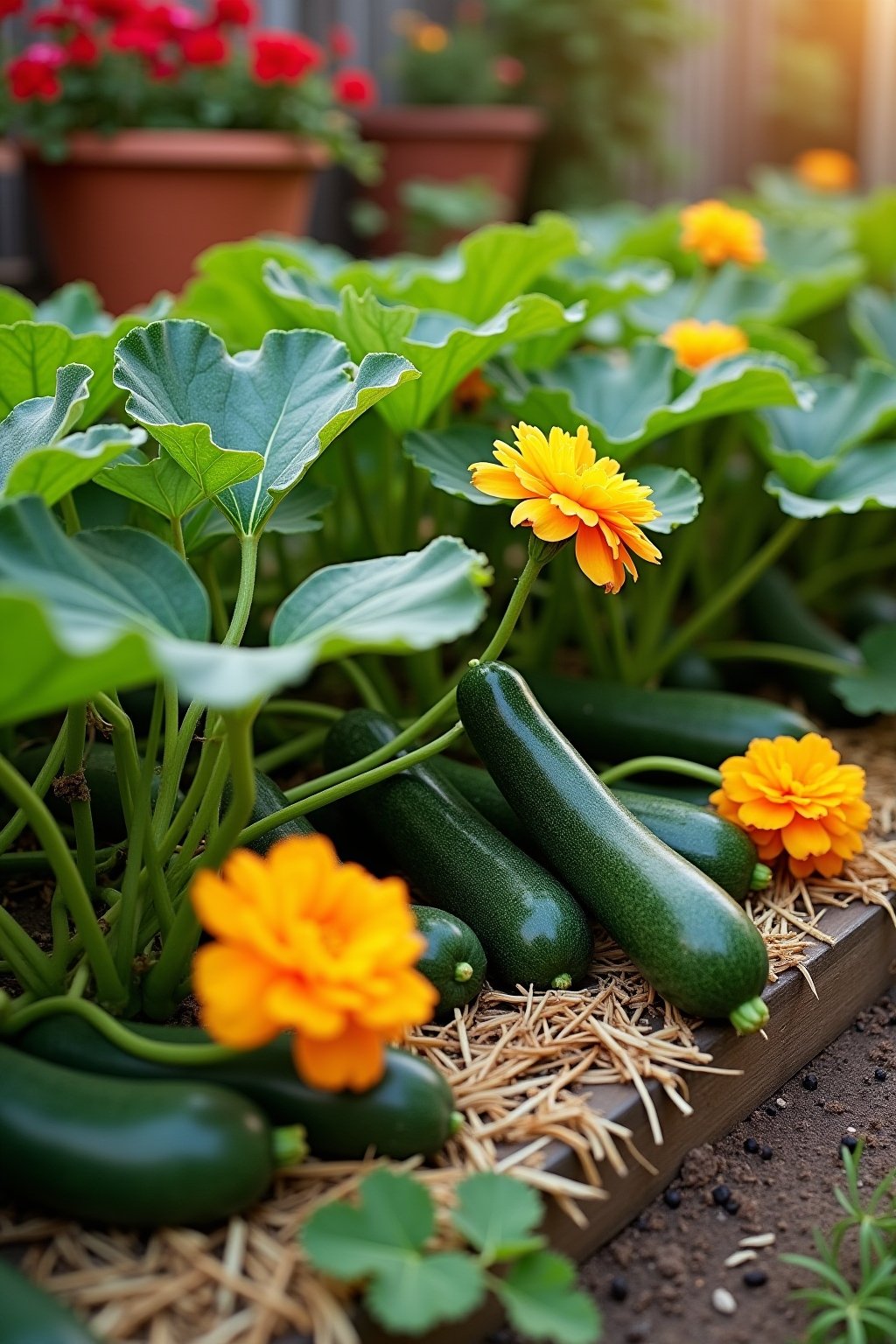
If you have never grown zucchini before, let me warn you in the most delightful way possible: you are about to have more squash than you know what to do with. Zucchini and summer squash are the overachievers of the vegetable garden, and they reward even the most inexperienced gardener with an almost embarrassing abundance of fruit. I still remember my first summer growing zucchini — I was leaving bags of them on my neighbors’ doorsteps by August.
The secret to a great zucchini harvest is not complicated, but there are a few things that make the difference between a plant that thrives and one that fizzles out to powdery mildew by mid-July. In this guide I will walk you through everything from soil temperature and direct sowing to pollination tricks and the right moment to pick your squash. Whether you are planting in a raised bed, a container, or straight into the ground, these tips will set you up for your most productive summer yet.
Quick Facts
| Sun | Full Sun (6-8 hours minimum) |
| Difficulty | Beginner |
| Season | Summer |
| Zone | USDA Zones 3-11 |
| Time to Harvest | 45-65 days from seed |
Stock Up On
- Zucchini and/or summer squash seeds (bush or vining variety)
- Compost or aged manure
- All-purpose organic fertilizer (10-10-10 or similar)
- Mulch (straw, shredded leaves, or wood chips)
- Soil thermometer
- Row cover fabric (optional, for pest protection)
- Watering can or drip irrigation supplies
- Garden trowel
- Small paintbrush or cotton swab (for hand pollination)
You do not need anything fancy to grow incredible summer squash. The most important investment is high-quality compost — squash are heavy feeders and they will thank you for rich, well-amended soil. A soil thermometer is a small but genuinely useful tool because zucchini seeds will rot in cold soil. Wait until the soil reaches at least 60°F (70°F is ideal) before sowing. If squash vine borers are common in your area, lightweight row cover fabric draped over young plants is one of the best defenses you can have. For containers, choose a pot that is at least 24 inches wide and 12 inches deep — bush varieties like ‘Patio Star’ or ‘Astia’ do especially well in pots.
Step 1: Choose the Right Varieties for Your Space
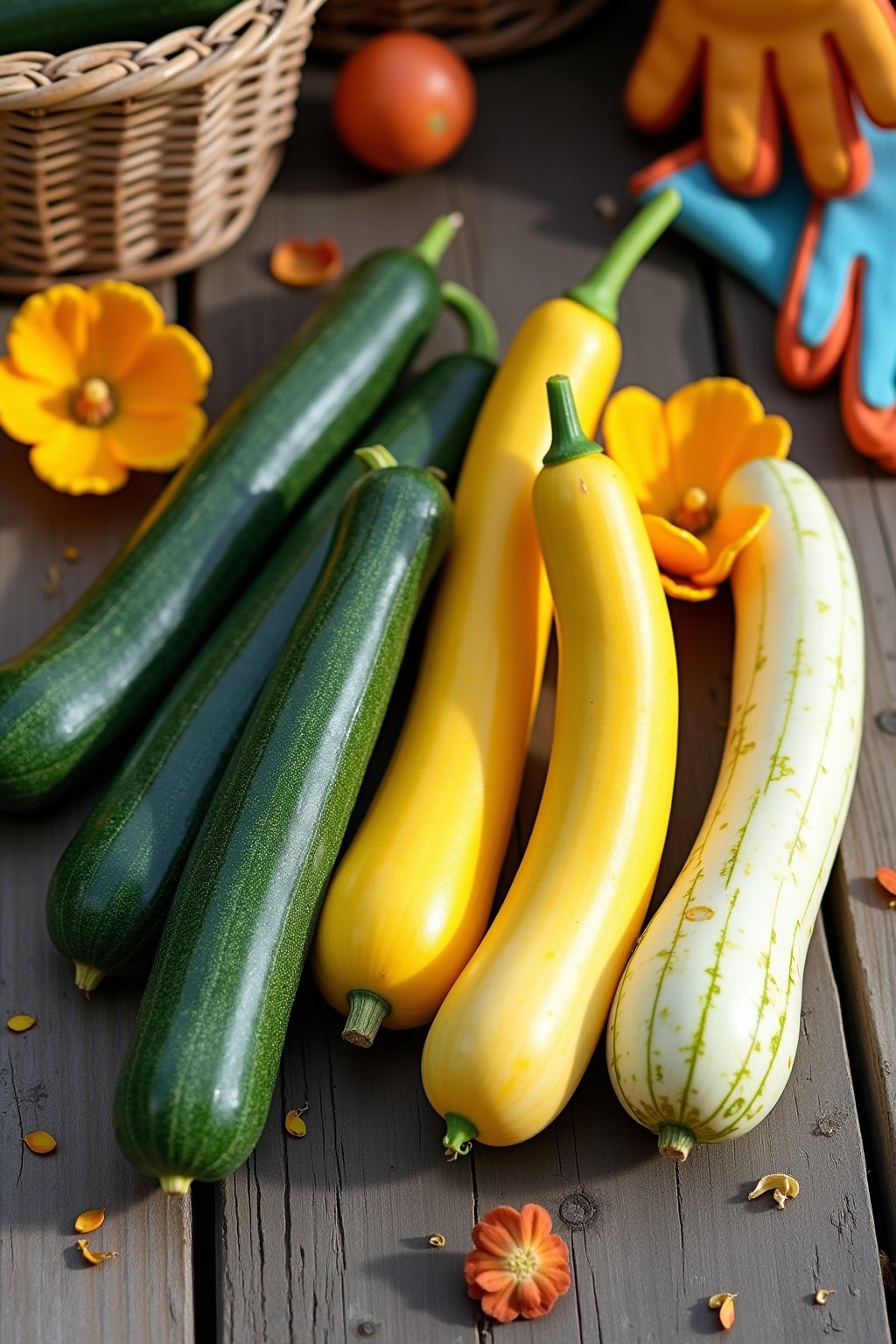
Bush varieties like ‘Black Beauty’ zucchini, ‘Golden Zucchini,’ and ‘Patio Star’ stay compact and are ideal for raised beds and containers. Vining varieties like ‘Costata Romanesco’ and ‘Tromboncino’ produce beautiful ribbed or curved fruit but need 6-8 feet of sprawl room or a sturdy trellis. For summer squash, ‘Yellow Crookneck,’ ‘Straightneck,’ and ‘Pattypan’ (also called scallop squash) are all beginner-friendly and prolific. If you are growing in a small garden, stick with one or two bush plants — trust me, that is plenty.
Step 2: Prepare Your Soil for Heavy Feeders
Zucchini and summer squash are nutrient-hungry plants that perform best in rich, well-draining soil with a pH between 6.0 and 7.0. About two weeks before planting, work 3-4 inches of compost or aged manure into the top 8-10 inches of soil. If you are using raised beds, mix compost into your existing soil blend at a ratio of roughly one-third compost to two-thirds soil. Add a handful of balanced organic fertilizer to each planting hole and mix it in well. Squash roots spread wide rather than deep, so focus on amending a broad area rather than digging one narrow hole.
Step 3: Sow Seeds at the Right Soil Temperature
This is the step that trips up most beginners. Squash seeds planted in cold, wet soil will simply rot. Use a soil thermometer and wait until the soil is consistently at least 60°F, ideally 70°F or above. In most of the US, that means late May through mid-June. Sow seeds 1 inch deep in small mounds or flat rows. If you are planting in hills (mounds), place 3-4 seeds per hill and thin to the strongest 2 seedlings after they develop their first true leaves. For row planting, space seeds 24-36 inches apart for bush types and 48-72 inches apart for vining types. Water gently after sowing and keep the soil moist but never waterlogged. Seeds typically germinate in 5-10 days when the soil is warm.
Step 4: Water Deeply and Mulch Generously
Summer squash need about 1-2 inches of water per week, delivered in deep soakings rather than light daily sprinkles. Deep watering encourages roots to grow down rather than staying near the surface, which makes your plants more drought-resistant. Always water at the base of the plant rather than overhead — wet leaves are an open invitation for powdery mildew and other fungal diseases. Once your seedlings are a few inches tall, apply a 3-4 inch layer of mulch (straw is my favorite for squash) around the base of each plant. Mulch keeps the soil cool, retains moisture, and prevents soil-borne diseases from splashing up onto the leaves.
Step 5: Fertilize Throughout the Growing Season
That initial dose of compost and fertilizer is just the starting point. Once your squash plants begin to flower, give them a boost with a side dressing of compost or a liquid organic fertilizer every 3-4 weeks. Look for a fertilizer that is slightly higher in phosphorus and potassium (the middle and last numbers) to support fruit production. Too much nitrogen will give you enormous, gorgeous leaves and very little squash — so do not overdo the nitrogen once flowering starts. If your plants look pale green or yellowish, they are likely hungry; if the leaves are dark green and lush but you see no fruit, you may be over-feeding with nitrogen.
Step 6: Understand Pollination (and Help When Needed)
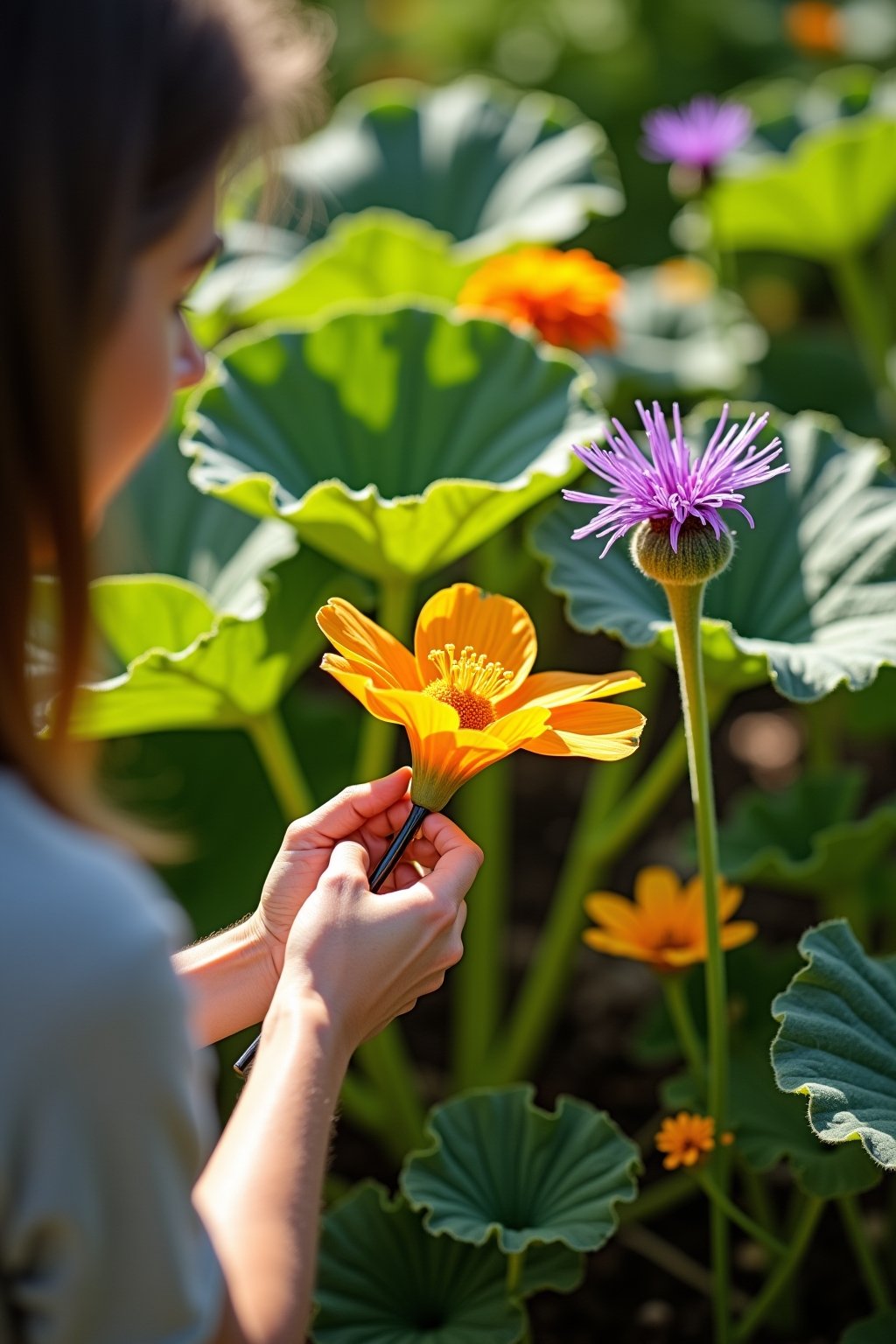
Squash plants produce separate male and female flowers, and you need both for fruit to develop. Male flowers appear first (often a week or more before female flowers), grow on thin straight stems, and produce pollen. Female flowers have a tiny bulge at their base that looks like a miniature squash — because it is. Bees and other pollinators normally do the work, but if you notice that small fruits are shriveling and falling off, you may need to hand-pollinate. Use a small paintbrush or cotton swab to collect pollen from the inside of a male flower and gently transfer it to the center of a female flower. Do this in the morning when flowers are freshly open. It sounds fussy, but it takes less than a minute and can save your harvest.
Step 7: Prevent Powdery Mildew Before It Starts
Powdery mildew is the most common squash disease and it appears as white, powdery spots on leaves, usually mid- to late summer. Prevention is much easier than treatment. Space plants generously to promote air circulation — crowded plants are mildew magnets. Water at the base, never overhead. Remove any leaves that touch the ground. As a preventive spray, mix 1 tablespoon of baking soda and a few drops of liquid soap in a gallon of water and spray the tops and bottoms of leaves once a week. Neem oil spray (applied in the evening to avoid leaf burn) also works as a preventive. If mildew does appear, remove the worst affected leaves immediately and increase air flow around the plant.
Step 8: Watch for Squash Vine Borers and Other Pests
The squash vine borer is enemy number one. Adult moths lay eggs at the base of stems in early summer, and the larvae bore inside, causing sudden wilting. Wrap the bottom 3-4 inches of the stem with aluminum foil or row cover fabric as a physical barrier. Inspect stems regularly for small holes or sawdust-like frass — if you catch borers early, you can carefully slit the stem with a razor, remove the larva, and bury the damaged section in moist soil to encourage new root growth. Squash bugs are another common pest. Check the undersides of leaves daily for bronze-colored egg clusters and scrape them off. A board laid near the base of your plant overnight will attract squash bugs — flip it in the morning and dispose of them.
Step 9: Harvest at the Right Size for Best Flavor
Here is the golden rule of summer squash: smaller is better. Zucchini is at its most tender and flavorful when it is 6-8 inches long and about 2 inches in diameter. Yellow squash and crookneck taste best at 4-6 inches. Pattypan squash is ideal at 3-4 inches across. Once squash gets large, the skin toughens, the seeds get big, and the flesh becomes watery and bland. Use a sharp knife or pruners to cut the fruit from the vine, leaving about an inch of stem attached. Never twist or pull — you will damage the plant. Check your plants every 1-2 days during peak season because zucchini can go from perfect to baseball-bat-sized in 48 hours. Frequent harvesting also encourages the plant to keep producing.
Step 10: Extend Your Harvest and Plan for Succession Planting
A single zucchini plant can produce 6-10 pounds of fruit over the season, but plants typically start to decline after 8-10 weeks. For a continuous supply, do a succession planting: sow a second round of seeds about 4 weeks after your first planting. This way, fresh plants are hitting their stride just as the original ones are winding down. At the end of the season, pull spent plants out completely (do not compost them if they had disease) and note what worked and what did not. Rotate your squash to a different spot next year to reduce soil-borne disease and pest pressure.
If the Texture Is Off
Fruit shriveling or falling off: This is almost always a pollination issue. If you do not see many bees visiting your garden, hand-pollinate in the morning. Early fruit drop is also normal — the first few female flowers often fail before the plant hits its stride.
Yellow leaves: Lower leaves naturally yellow and die as the plant matures, which is nothing to worry about. If upper leaves are yellowing, check for nutrient deficiency (side-dress with compost), overwatering (let soil dry slightly between waterings), or squash vine borer damage (inspect the stem base).
Blossom end rot (dark, sunken spots on the bottom of fruit): Usually caused by inconsistent watering that disrupts calcium uptake. Maintain even soil moisture and mulch well. It is rarely an actual calcium shortage in the soil.
Powdery mildew spreading fast: Remove the most infected leaves, improve air circulation, and apply a baking soda or neem oil spray. Plants can still produce fruit even with moderate mildew — do not pull the whole plant unless it is severely affected.
Bitter-tasting fruit: Occasional bitterness is caused by cucurbitacin, a natural compound that increases under stress (drought, extreme heat, cross-pollination with ornamental gourds). Taste a small piece before cooking a whole batch. Do not save seeds from bitter fruit.
Timing Across the Year
Here is a month-by-month timeline to keep your summer squash on track:
| Month | Task |
|---|---|
| March-April | Order seeds and plan your garden layout. Start seeds indoors 2-3 weeks before last frost only if your season is very short — direct sowing is preferred. |
| May | Check soil temperature with a thermometer. When soil hits 60-70°F, direct sow seeds. Apply mulch once seedlings are established. |
| June | Thin seedlings, begin regular deep watering, watch for first male flowers. Apply row covers if vine borers are in your area. Side-dress with compost when plants begin to flower. |
| July | Peak harvest season begins. Pick every 1-2 days. Watch for powdery mildew and treat preventively. Sow a second succession round of seeds. |
| August | Continue harvesting. Remove heavily diseased leaves. Second planting starts producing. Keep up with watering during hot spells. |
| September | Harvest slows as temperatures drop. Pull spent plants and clean up debris. Note any pest or disease issues for next year’s planning. |
Quiet Improvements
- Grow vertically — Vining varieties like ‘Tromboncino’ do brilliantly on a trellis or cattle panel arch, saving ground space and improving air circulation.
- Pick zucchini small — Harvest at 6-8 inches for the best flavor and texture. Oversized squash are spongy and seedy. Daily checking during peak season prevents baseball bats.
- Bury the stem for vine borer insurance — Mound soil over a leaf node along the vine. The plant will root from that node, so even if borers damage the main stem, the plant survives.
- Attract pollinators with flowers nearby — Plant marigolds, zinnias, or borage around your squash bed. Borage is particularly effective because bees love it and it blooms all summer.
- Freeze the surplus — Shred extra zucchini and freeze it in measured bags for winter baking. One medium zucchini yields about 2 cups of shredded flesh, perfect for bread or muffin recipes.
- Do not compost diseased plants — Powdery mildew spores and vine borer pupae can survive in compost. Bag and dispose of affected plant material with household waste.
Worth Your Next Click
Quick Answers
How many zucchini plants do I need for a family of four?
Two to three zucchini plants are more than enough for a family of four. Each healthy plant produces 6-10 pounds of fruit over the season. Most beginner gardeners overplant squash and end up overwhelmed — start with two plants and add more next year if you want more.
Why is my zucchini plant producing flowers but no fruit?
Zucchini plants produce male flowers first, often for a week or more before any female flowers appear. This is completely normal. Once you see female flowers (they have a small bulge at the base), fruit should follow. If female flowers appear but fruit shrivels, the issue is poor pollination — try hand-pollinating with a paintbrush in the morning.
Can you grow zucchini in a container?
Yes, bush varieties like ‘Patio Star,’ ‘Astia,’ and ‘Bush Baby’ grow well in containers that are at least 24 inches wide and 12 inches deep. Use high-quality potting mix, water daily in hot weather, and fertilize every two weeks because nutrients leach from containers faster than from garden beds.
What is the difference between zucchini and summer squash?
Zucchini is a type of summer squash. The term ‘summer squash’ also includes yellow crookneck, straightneck, pattypan (scallop), and cousa squash. All summer squash are harvested immature with soft, edible skin, unlike winter squash which are left to mature with hard shells.
How do you prevent powdery mildew on squash?
Space plants at least 3 feet apart for good air circulation, water at the base rather than overhead, remove leaves that touch the ground, and apply a preventive spray of 1 tablespoon baking soda mixed with a few drops of liquid soap per gallon of water once a week. Start spraying before you see any mildew for best results.
When should I pick summer squash for the best taste?
Pick zucchini at 6-8 inches long, yellow squash at 4-6 inches, and pattypan at 3-4 inches across. At these sizes the skin is tender, the seeds are small, and the flavor is sweet and nutty. Check plants every one to two days during peak season because squash grows incredibly fast in warm weather.