
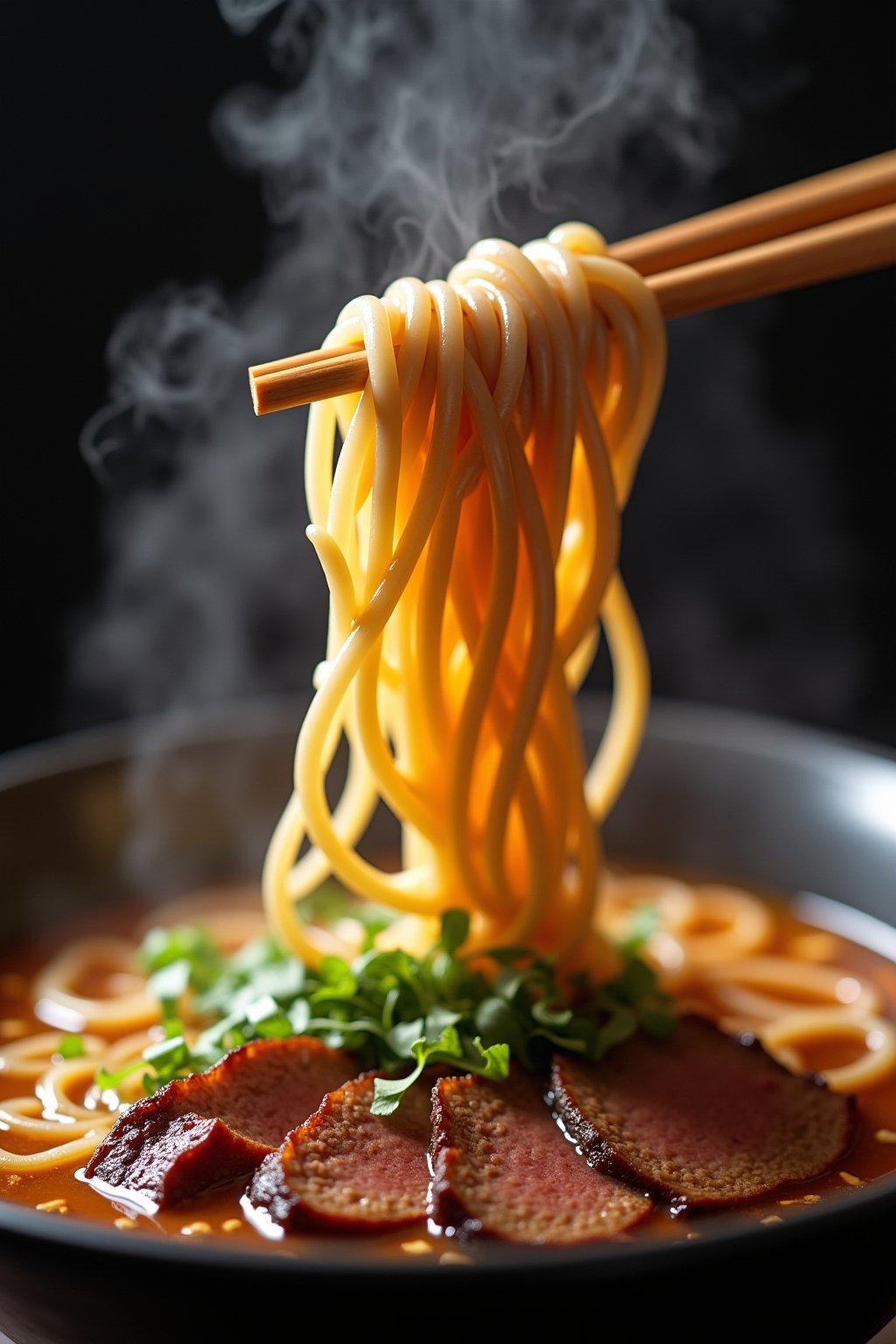
There’s regular ramen and then there’s this — a rich, deeply savory beef ramen that tastes like it simmered for hours but actually comes together in one pot in about 30 minutes. We’re talking tender sliced beef, chewy noodles swimming in a ginger-garlic broth, and all the toppings that make ramen absolutely irresistible.
I know homemade ramen can sound intimidating, but this version strips away the complexity without sacrificing any flavor. The broth builds layers of umami from soy sauce, miso, and sesame oil, and the beef cooks right in the pot so every drop of meaty flavor stays in that beautiful broth.
Whether it’s a cold Tuesday night or you’re nursing a cold, this is the kind of bowl that wraps you in warmth from the first slurp to the last.
What Holds It Together
- One pot, minimal cleanup — everything cooks in a single pot for easy weeknight dinners
- 30-minute comfort food — rich, complex-tasting ramen without hours of simmering
- Deeply savory umami broth — soy sauce, miso, and sesame oil create restaurant-quality depth
- Tender sliced beef — quick-seared and simmered until melt-in-your-mouth tender
- Fully customizable toppings — load it up with your favorite ramen garnishes
- Better than instant ramen — real ingredients, real flavor, and almost as easy
What You’ll Need
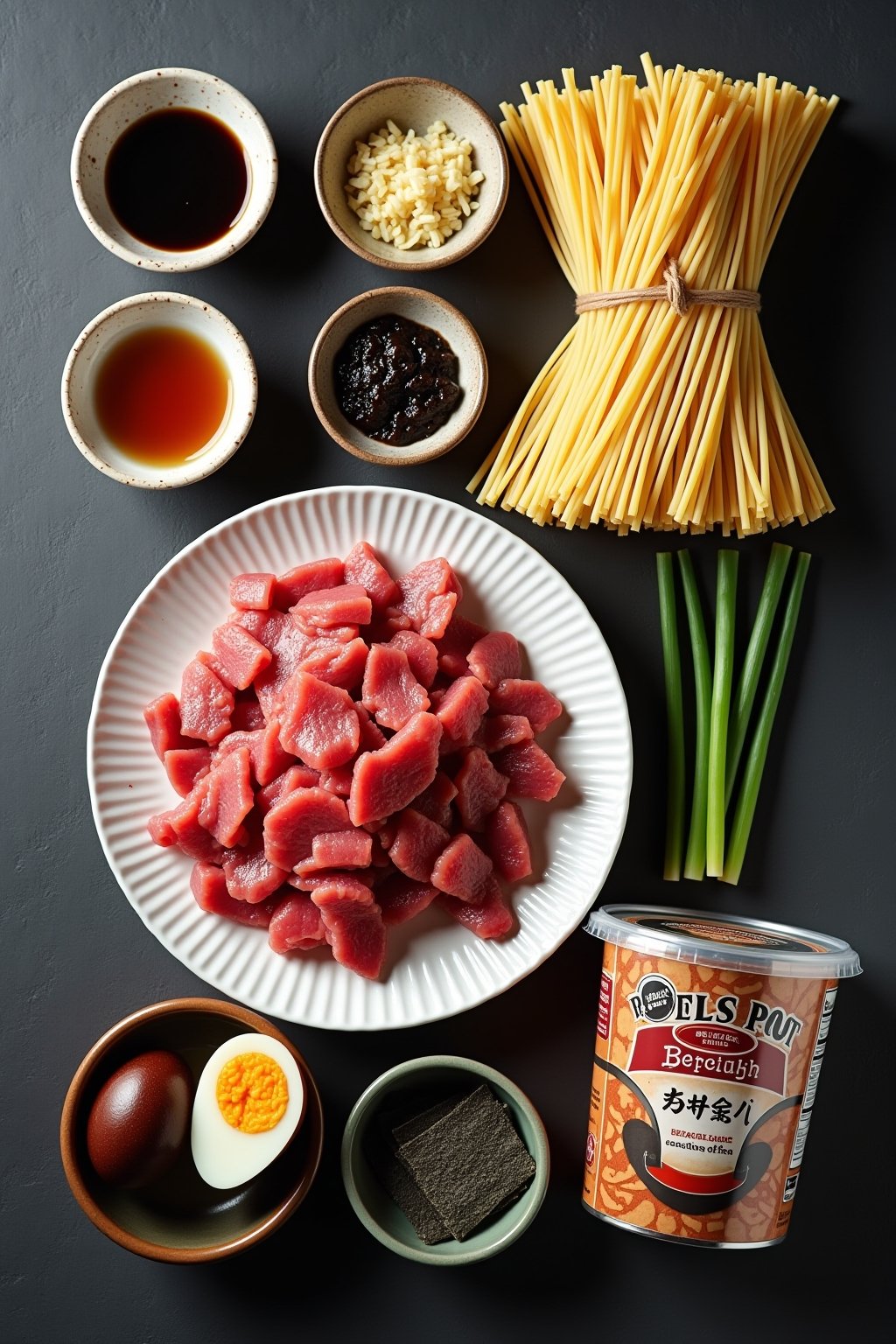
Flank steak is ideal because it slices thin and stays tender when quickly seared. Sirloin or skirt steak also work well. For the most tender results, slice against the grain as thin as possible — partially freezing the steak for 20 minutes makes this much easier.
Miso paste adds incredible umami depth to the broth. White (shiro) miso is mellow and slightly sweet; red miso is saltier and more intense. Either works, but white is more traditional for this style.
Ramen noodles — fresh ramen from the refrigerated section is best, but dried ramen cakes (just toss the seasoning packets) work perfectly fine. Rice noodles are a great gluten-free swap.
Soy sauce — use regular soy sauce, not low-sodium, for the best flavor. The broth needs that full hit of salt and umami. Tamari is a good gluten-free alternative.
One-Pot Beef Ramen Noodles
Ingredients
Equipment
Method
-
Slice the steak as thin as possible against the grain. If you’re having trouble, pop the steak in the freezer for 15-20 minutes first to firm it up for easier slicing.
-
Heat vegetable oil in a large pot or Dutch oven over high heat until smoking. Add the sliced beef in a single layer (work in batches if needed) and sear for 1-2 minutes until browned on one side. Don’t stir — you want a nice crust. Transfer to a plate.
-
Reduce heat to medium. Add garlic and ginger to the same pot and stir for 30 seconds until fragrant, scraping up any browned beef bits from the bottom.
-
Pour in the beef broth and water. Add soy sauce, miso paste, sesame oil, rice vinegar, and sriracha. Stir well to dissolve the miso paste completely.
-
Bring the broth to a boil over high heat. Once boiling, reduce to a simmer and let the flavors meld for 5 minutes.
-
Add the ramen noodles to the simmering broth and cook according to package directions (usually 3-4 minutes for dried, 1-2 minutes for fresh), stirring occasionally to separate the noodles.
-
Return the seared beef to the pot along with the chopped spinach or bok choy. Stir gently and cook for 1-2 minutes until the greens are just wilted and the beef is heated through.
-
Taste the broth and adjust seasoning — add more soy sauce for salt, more sriracha for heat, or a splash of rice vinegar for brightness.
-
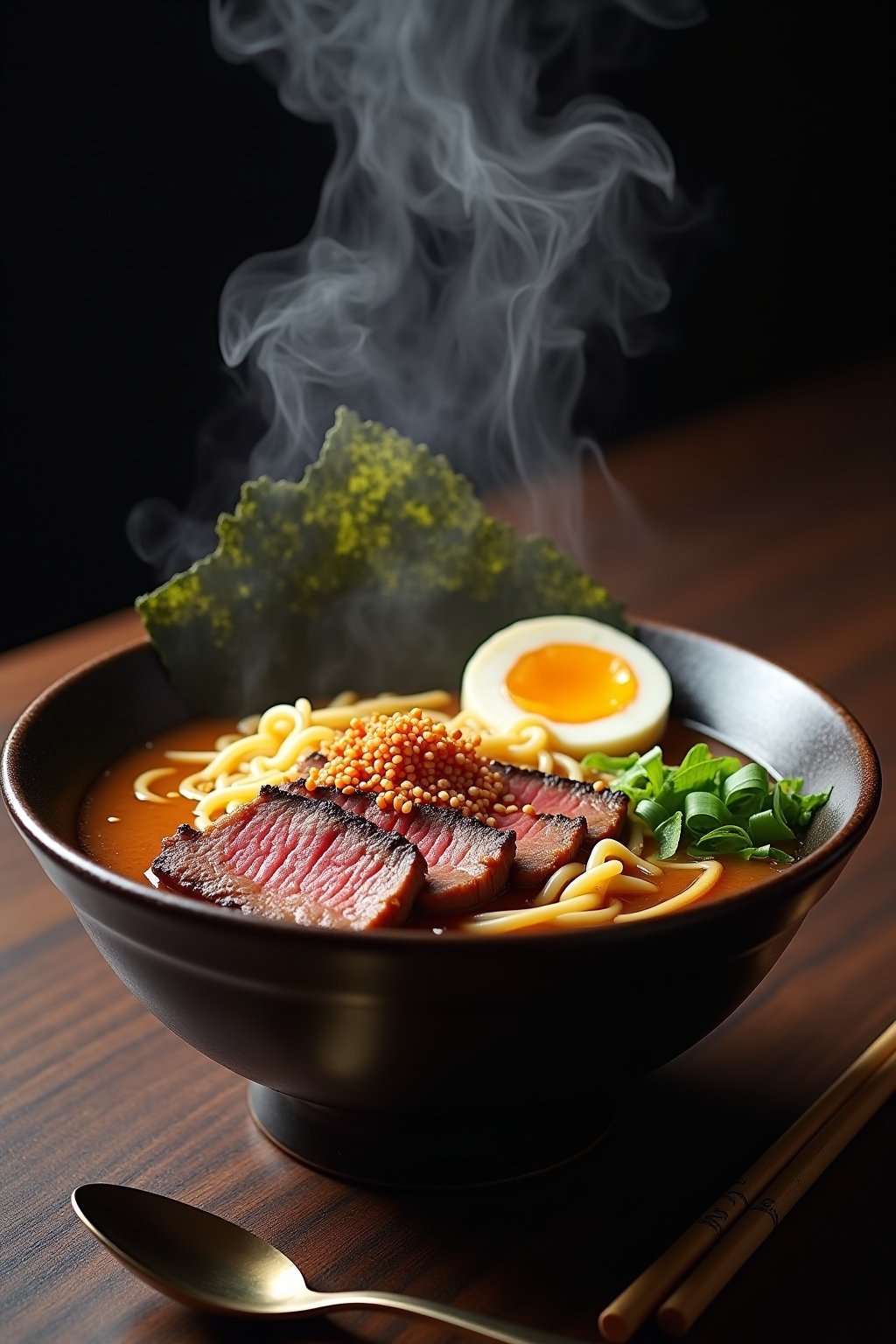
Ladle the ramen into deep bowls, making sure each bowl gets plenty of noodles, beef, and greens. Top each bowl with soft-boiled halves, sliced green onions, nori strips, sesame seeds, and a drizzle of chili oil.
-
Serve immediately while the broth is steaming hot. Slurping is not only allowed — it’s encouraged.
Notes
Nutrition Facts
Per serving
| Calories | 520 |
| Total Fat | 18g |
| Saturated Fat | 5g |
| Carbohydrates | 48g |
| Fiber | 2g |
| Sugar | 4g |
| Protein | 38g |
| Sodium | 1350mg |
| Potassium | 680mg |
| Vitamin A | 20% |
| Vitamin C | 10% |
| Calcium | 6% |
| Iron | 18% |
* Percent Daily Values are based on a 2,000 calorie diet.
Hold It Over for Tomorrow
Refrigerator: Store the broth and toppings separately from the noodles for best results. Noodles absorb broth as they sit, so keeping them apart preserves the texture. Broth with beef keeps for 3-4 days. Cook fresh noodles when reheating.
Freezer: The broth (without noodles) freezes beautifully for up to 3 months. Thaw overnight in the fridge and reheat on the stove. Add fresh noodles and toppings when serving.
Reheating: Reheat broth and beef on the stove over medium heat until simmering. If the noodles were stored in the broth, add a splash of water or extra broth since the noodles will have absorbed liquid. Microwave works but stovetop is much better for ramen.
Different Takes
- Chicken Ramen — swap beef for sliced chicken thighs and use chicken broth instead of beef broth
- Spicy Miso Ramen — add 2 tablespoons gochujang (Korean chili paste) to the broth for a fiery, fermented kick
- Mushroom Ramen (Vegetarian) — skip the beef, use vegetable broth, and add sliced shiitake mushrooms and extra miso
- Kimchi Beef Ramen — stir in 1/2 cup chopped kimchi when adding the noodles for tangy, funky depth
- Coconut Curry Ramen — add 1 can coconut milk and 2 tablespoons curry paste for a Thai-Japanese fusion bowl
- Garlic Butter Ramen — stir 2 tablespoons butter and extra minced garlic into the finished broth for an ultra-rich version
- Seafood Ramen — add shrimp and sliced fish cake during the last 3 minutes of cooking
- Low-Carb Option — replace ramen noodles with spiralized zucchini or shirataki noodles
A Few More Adjustments
- Sear the beef hard and fast — high heat and no stirring for the first 1-2 minutes creates a deep, caramelized crust that adds incredible flavor to the broth.
- Dissolve miso off the heat — miso can clump if added to boiling liquid. Whisk it into a small amount of warm broth first, then add it back to the pot for smooth, even flavor.
- Don’t overcook the noodles — ramen noodles continue to soften in hot broth. Cook them 1 minute less than the package suggests if you won’t be serving immediately.
- Partially freeze the steak for thin slices — 15-20 minutes in the freezer firms the meat just enough to slice paper-thin, which is the key to tender beef in ramen.
- Build your bowl thoughtfully — place noodles first, then ladle broth over them, then arrange toppings on top. This keeps everything looking beautiful and prevents the toppings from sinking.
- Finish with something acidic — a splash of rice vinegar or squeeze of lime right before serving brightens the entire bowl and balances the rich, salty broth.
Best Plate-Mates
- Gyoza (Japanese dumplings) — pan-fried potstickers are the ultimate ramen side
- Edamame with sea salt — simple, salty, and perfect for snacking alongside your bowl
- Japanese pickled ginger — the tangy zing cuts through the rich broth beautifully
- Steamed white rice — for when you want to turn the leftover broth into a rice soup at the end
- Seaweed salad — bright, fresh, and a classic Japanese pairing
- Crispy tempura vegetables — the crunch contrasts perfectly with the silky noodles
- Cold Japanese beer — an ice-cold Sapporo or Asahi is the traditional drink pairing
Looking for more recipe ideas? Check out these favorites:
- Slow Cooker Beef Stew with Root Vegetables
- Easy Chicken Fried Rice (Better Than Takeout)
- Quick Vegetable Stir Fry with Ginger Soy Sauce
What You Can Do Tonight
Make the broth ahead: The entire broth (with beef) can be made up to 2 days in advance and refrigerated. The flavors deepen beautifully overnight. Just reheat and add noodles and fresh toppings when ready to serve.
Prep the soft-boiled portions ahead: Make them up to 3 days in advance. For extra flavor, marinate peeled portions in a mixture of soy sauce, mirin, and water in the fridge — they become the famous “ramen style” marinated variety.
Slice the beef ahead: Slice the steak, pat dry, and store in a sealed container in the fridge for up to 24 hours. This cuts your active cooking time significantly on busy nights.
Recurring Questions
What’s the best cut of beef for ramen?
Flank steak is the top choice because it slices thin, cooks quickly, and stays tender. Sirloin and skirt steak are also great options. For a more luxurious version, thinly sliced ribeye melts in your mouth. Avoid lean cuts like round steak, which can get tough.
Can I use instant ramen noodles for this?
Absolutely! Just discard the seasoning packets (this homemade broth is way better). The noodle cakes work perfectly fine. For an upgrade, look for fresh ramen noodles in the refrigerated section of your grocery store — the texture is noticeably better.
How do I make the broth richer?
Add an extra tablespoon of miso paste, a splash of fish sauce, or a tablespoon of butter stirred in at the end. You can also add a piece of kombu (dried kelp) while the broth simmers for deep umami. A drizzle of chili oil on top adds richness and heat.
Can I make this vegetarian?
Yes! Skip the beef, use vegetable broth, add an extra tablespoon of miso paste, and load up on mushrooms (shiitake, enoki, or king oyster). Marinated baked tofu is a great protein substitute. The broth will still be incredibly savory.
Why are my noodles mushy?
You likely overcooked them. Ramen noodles cook very quickly and continue to soften in hot broth. Cook them 1 minute less than the package suggests and serve immediately. If making ahead, cook noodles separately and add them to bowls before ladling in hot broth.
How do I make the perfect soft-boiled topping for ramen?
Start with cold ones from the fridge, lower into boiling water, cook for exactly 6 minutes and 30 seconds, then immediately transfer to an ice bath for 5 minutes. Peel gently under cool running water. The result should be a set white with a jammy, slightly runny golden center.