
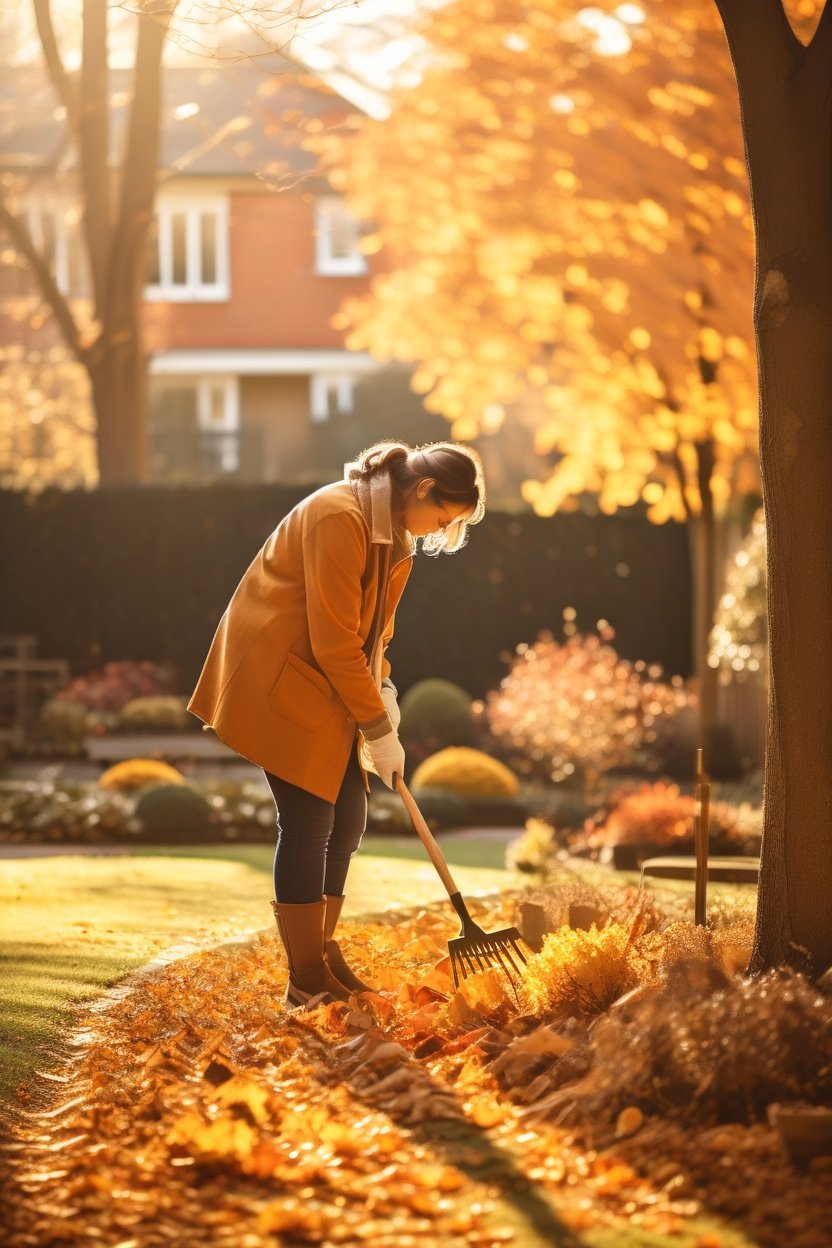
What you do in fall and early winter has a bigger impact on next year’s garden than almost anything you do during the growing season. A properly winterized garden is easier to manage come spring, has healthier soil, fewer pest problems, and earlier harvests. The work takes a few weekends, but the payoff lasts all year.
Here’s a complete fall and winter garden preparation guide that applies to vegetable beds, flower gardens, and lawn care alike.
The Most Important Fall Task: Soil Amendment
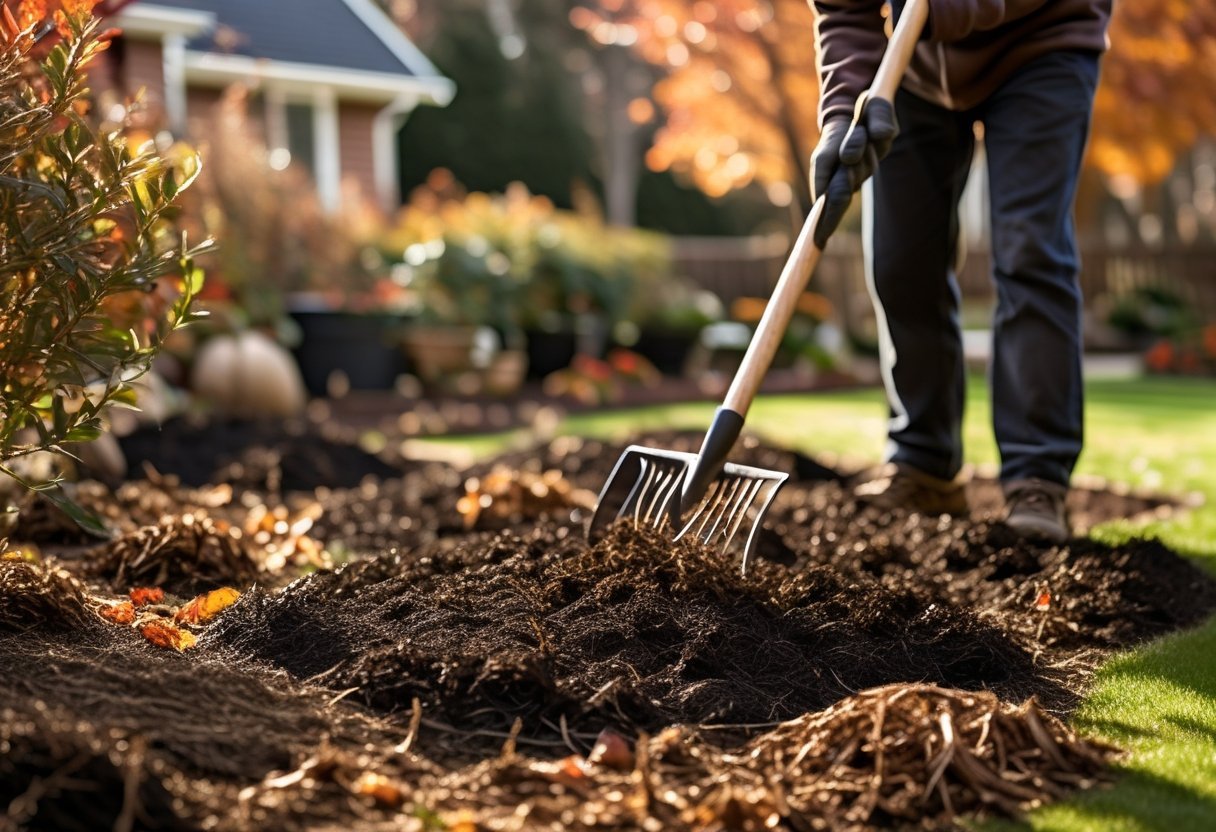
Adding a 2-3 inch layer of start composting at home to your beds in fall is the highest-ROI garden task you can do. As it breaks down over winter, it improves soil structure, adds nutrients, and increases beneficial microbial activity — all of which translates to stronger plants next season. Apply it after clearing spent plants but before the ground freezes. Work it in lightly or leave it on the surface for worms and microorganisms to incorporate naturally.
What to Cut Back and What to Leave
The trend in ecological gardening is to leave more than we cut. Hollow plant stems shelter native bees that overwinter. Seed heads feed birds through winter. Dead plant material decomposes and feeds the soil. The rule of thumb: cut back anything diseased (to prevent overwintering pathogens), and leave everything else until late winter. This includes ornamental grasses, coneflower seed heads, and most best low-maintenance perennials stems.
Clearing and Cleaning Vegetable Beds
Remove spent vegetable plants entirely — unlike ornamentals, old grow tomatoes that actually taste good and squash plants often harbor disease and pests that overwinter and reinfect next year’s crop. Compost healthy plants; bag and discard anything that showed disease symptoms. Clean and store stakes, cages, and supports. Till the top 6 inches of soil to expose pest eggs and larvae to winter cold, then apply compost and a layer of straw or shredded leaves as mulch.
Planting Garlic and Spring Bulbs
Fall is the ideal time to plant garlic — it needs a cold period to develop properly and will be ready to harvest the following summer. Plant cloves 2 inches deep and 6 inches apart, pointed end up, in a well-draining bed. It will establish roots in fall, go dormant in winter, and shoot up in early spring.
Fall is also the only window for planting spring bulbs: tulips, daffodils, crocuses, hyacinths, and alliums. Plant them now and they’ll be the first 2026 home color trends of the new garden year in March and April. Layer different bulbs at different depths for a succession of blooms from early to late spring.
Protecting Tender Perennials
plant a perennial gardens that are borderline hardy in your zone benefit from winter mulching. After the ground freezes (not before — wait until after the first hard freeze), apply a 4-6 inch layer of straw, shredded leaves, or wood chips around the base of vulnerable plants. This insulates the roots from freeze-thaw cycles that cause heaving and damage. Remove the mulch gradually in early spring as temperatures rise.
Garden Tool Care
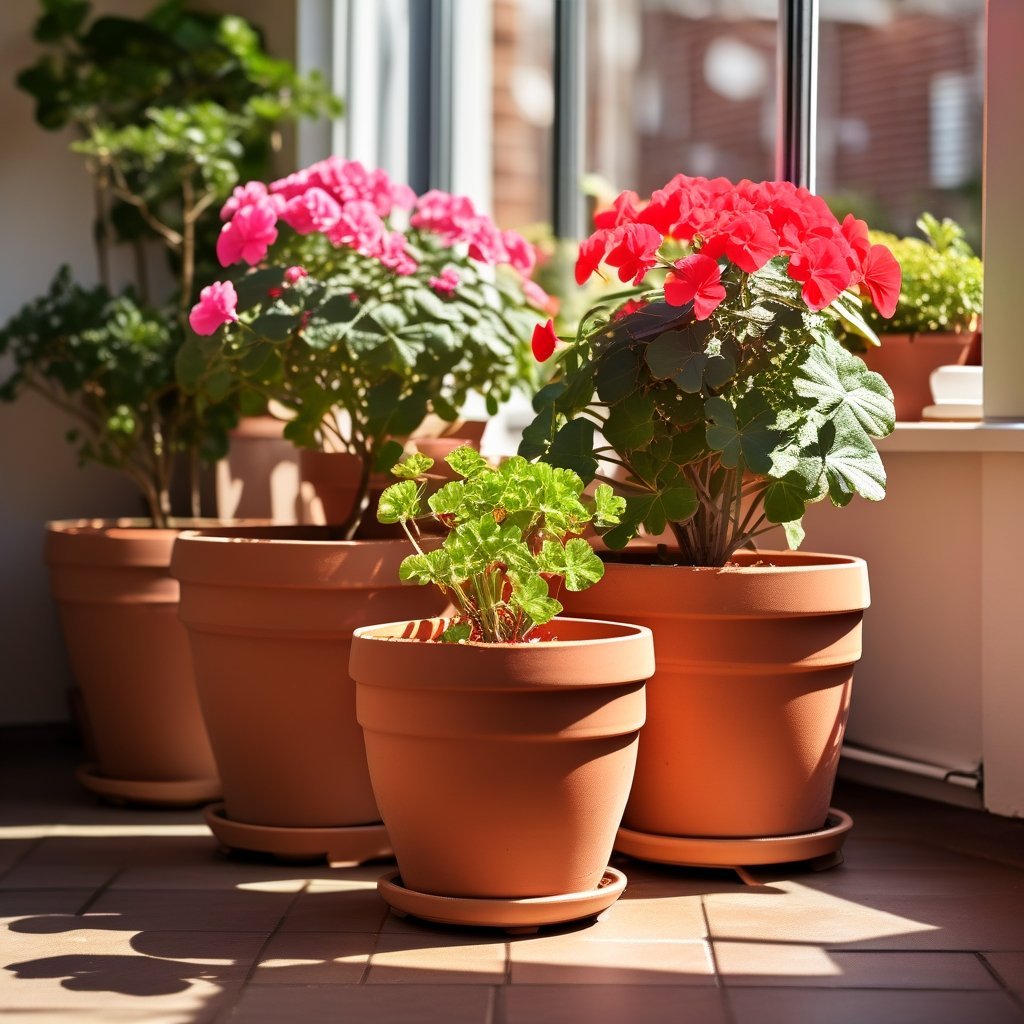
Before putting tools away for winter, clean off any soil, sharpen blades (sharp tools are dramatically easier to use), and rub metal parts with a light coat of oil to prevent rust. Drain and store hoses — water left in hoses can freeze and crack them. Drain, empty, and store any container plants that won’t survive frost, or bring them indoors before temperatures drop below freezing.
A garden that’s been properly put to bed for winter is a garden that springs to life more easily in March. The work you do now is an investment in next year’s growing season — and it’s genuinely satisfying to close out the gardening year with everything in order. For more ideas, explore our gardening tips.