
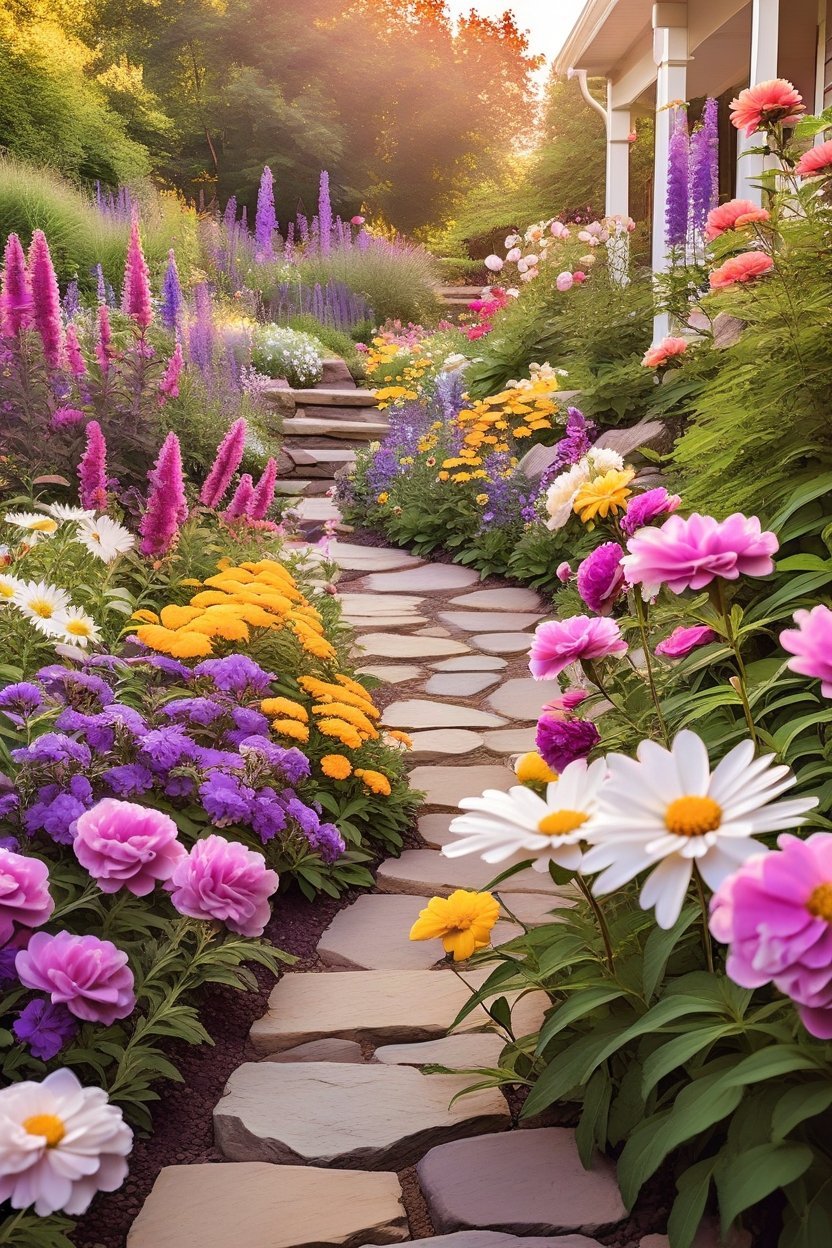
Planting a best low-maintenance perennials garden is one of the best long-term investments in your create an outdoor living space space. Unlike annuals, which you replant every year, perennials come back season after season — growing larger and more beautiful over time, requiring less maintenance as they establish, and rewarding you with an evolving, increasingly lush garden that costs almost nothing after the first year.
The key is choosing the right plants for your conditions and combining them thoughtfully so something is blooming from early spring through late fall.
Understanding Perennials vs. Annuals
Perennials are plants that live for three or more years, dying back in winter and returning from the roots in spring. They’re generally slower to establish than annuals in year one but increasingly self-sufficient from year two onward. Annuals complete their entire life cycle in one growing season and must be replanted each year — they typically bloom longer and more intensely than perennials, but require a recurring investment of time and money.
The Best Perennials for a Low-Maintenance Garden
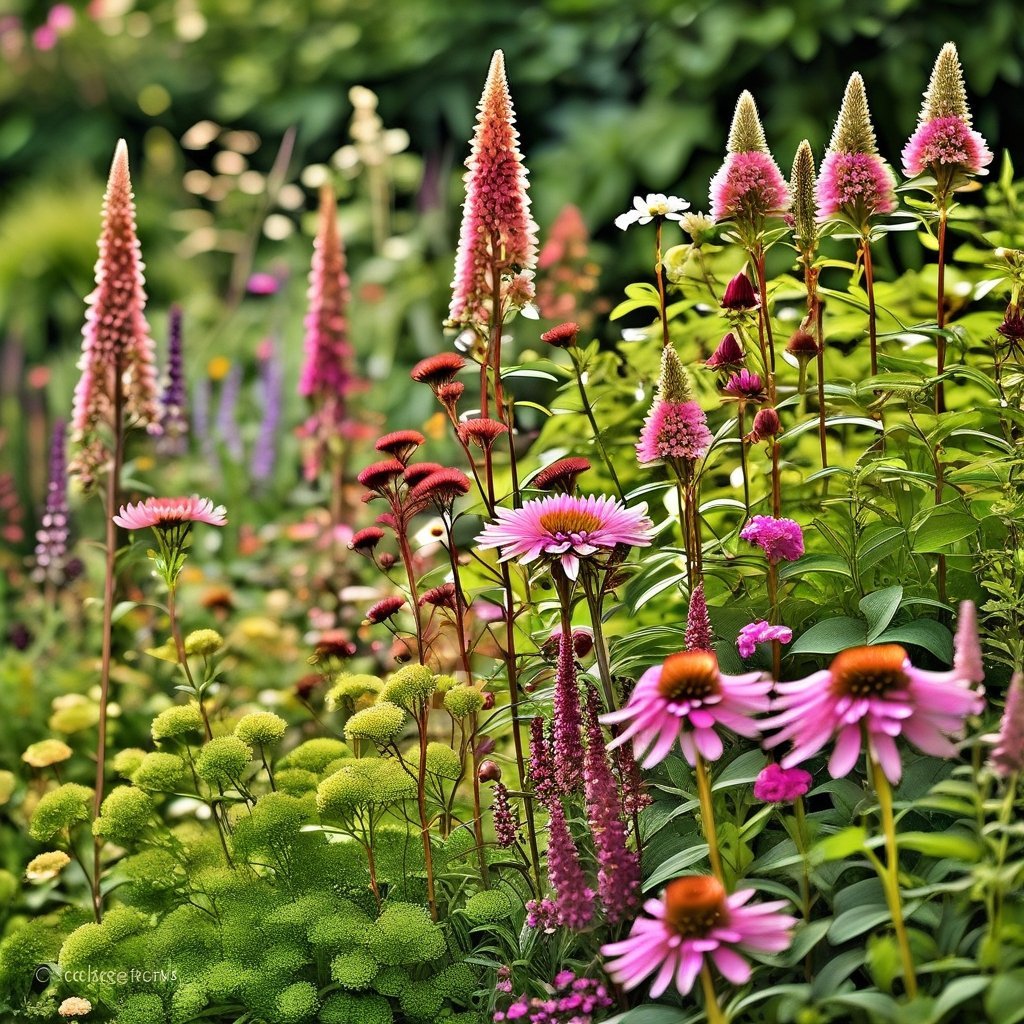
Coneflower (Echinacea): Reliable, drought-tolerant, and beloved by pollinators. Blooms midsummer through fall in pink, orange, white, and purple. Self-starting seeds indoors freely.
Black-eyed Susan (Rudbeckia): Bright golden-yellow flowers that bloom reliably from midsummer through frost. Extremely tough and drought-tolerant once established.
Salvia: Long-blooming, deer-resistant, and irresistible to hummingbirds and bees. Blue salvia is especially striking in summer gardens.
Lavender: Fragrant, drought-tolerant, and useful in cooking as well as the garden. Needs excellent drainage and full sun.
Hostas: The best shade perennial available. Enormous variety of leaf sizes, 2026 home color trendss, and textures. Nearly indestructible once established.
Ornamental grasses: Add movement, texture, and winter interest. Little bluestem and Karl Foerster feather reed grass are exceptional choices.
Designing for Continuous Bloom
The goal of a well-designed perennial garden is to have something blooming from early spring through the first hard frost. This requires intentional planning: spring bloomers (bleeding heart, creeping phlox, hellebore), early summer bloomers (salvia, catmint, allium), midsummer bloomers (coneflower, rudbeckia, bee balm), and late summer through fall bloomers (asters, ornamental grasses, goldenrod). Layer them so later bloomers fill the gaps left as earlier ones finish.
Planting and Establishment
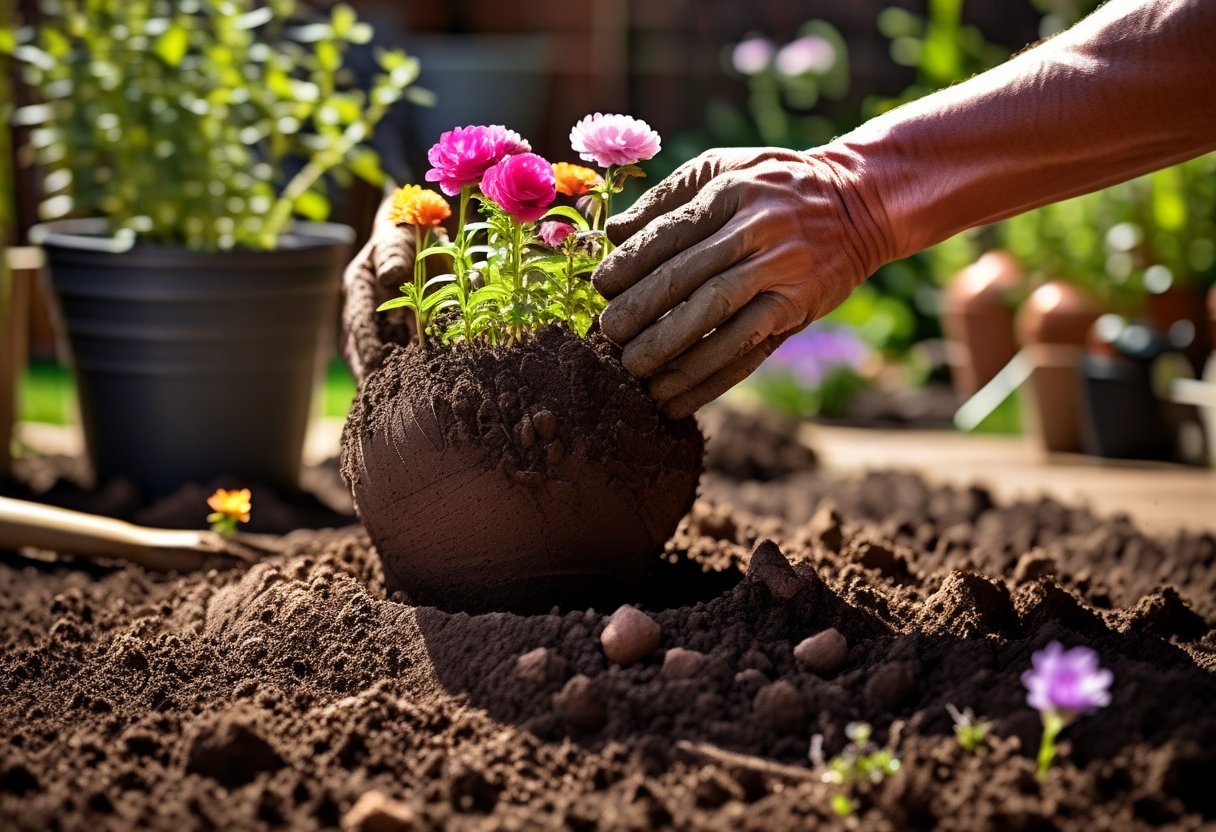
Plant perennials in fall or early spring when temperatures are cool — this gives roots time to establish before the stress of summer heat. Dig a hole twice as wide as the root ball and the same depth. Backfill with native soil amended with start composting at home, water thoroughly, and mulch. Water regularly for the first season as plants establish. The old gardening saying applies perfectly: perennials sleep the first year, creep the second year, and leap the third.
Maintenance Through the Seasons
Spring: Cut back dead growth from last season, divide overcrowded clumps, and top-dress with compost. Summer: Deadhead spent blooms to encourage reblooming, water during dry spells, and stake tall plants if needed. Fall: Leave seed heads for birds and beneficial insects to overwinter in stems — cut back in late winter rather than fall. This is one of the most impactful things you can do for local wildlife.
A mature perennial garden — three or four years in — is one of the most rewarding things a gardener can create. It works with you rather than requiring constant attention, and it gets better every single year.