Why Every Garden Needs Pollinators (And Why They Need You)
Here’s a fact that might change how you think about your backyard: one out of every three bites of food you eat exists because a pollinator made it possible. Bees, butterflies, hummingbirds, and other pollinators are responsible for the reproduction of roughly 75% of flowering plants and 35% of global food crops. Without them, there are no tomatoes, no strawberries, no peppers, no blueberries.
And they’re in trouble. Habitat loss, pesticide use, and climate shifts have caused dramatic declines in pollinator populations worldwide. Monarch butterfly numbers have dropped by over 80% in the last two decades. Native bee species are disappearing at alarming rates. But here’s the encouraging part: even a small pollinator garden — a few square feet of the right plants — can make a genuine difference.
Building a pollinator garden isn’t just an act of environmental stewardship. It’s also one of the most beautiful, low-maintenance, and rewarding garden projects you can take on. Here’s how to do it right.
Choose Native Plants First — Always
The single most impactful thing you can do for pollinators is plant native species. Native plants have co-evolved with local pollinators over thousands of years, which means they provide exactly the right nectar, pollen, and habitat that local species need. Non-native ornamentals might look pretty, but many produce less nectar, bloom at the wrong times, or simply don’t attract the pollinators that need help most.
To find out which plants are native to your specific region, check your local cooperative extension service or use a native plant finder tool. As a general rule, here are some of the best pollinator plants that thrive across most of North America:
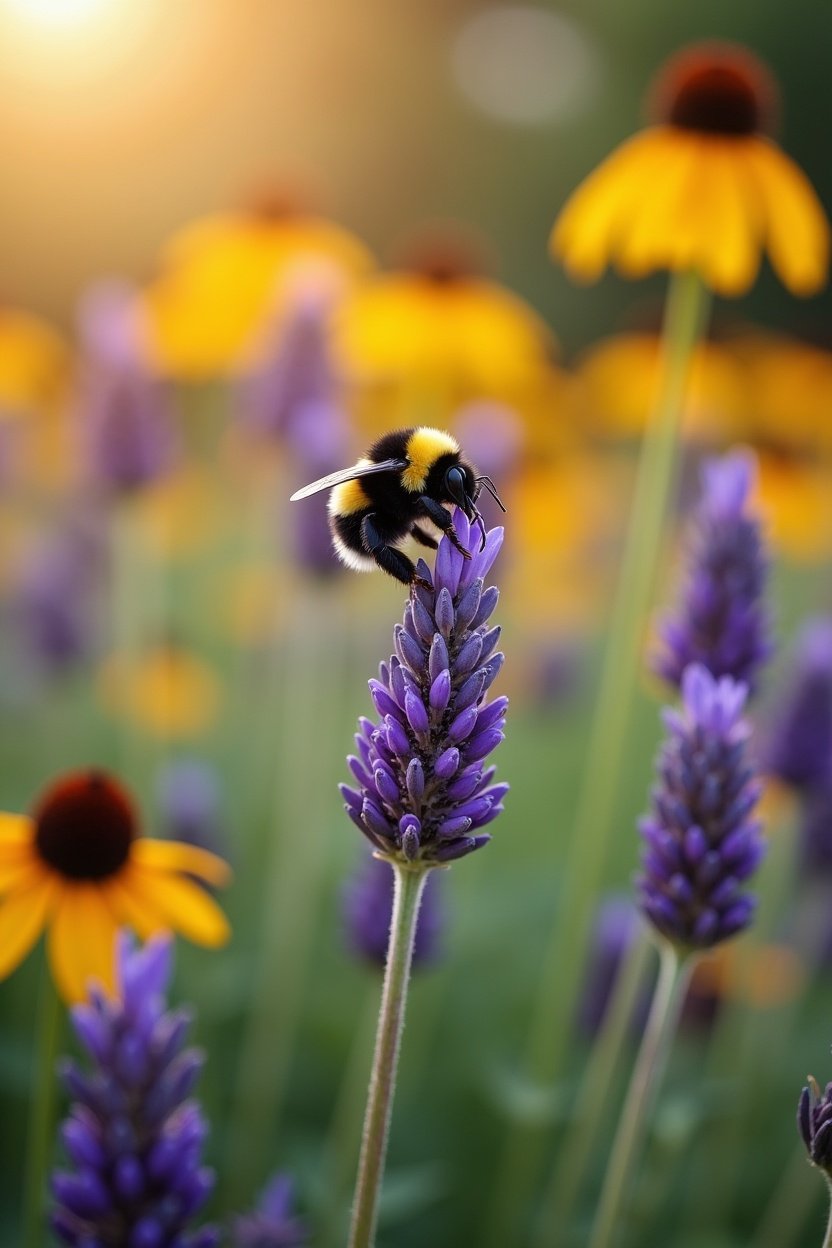
- For bees: Lavender, coneflower (Echinacea), bee balm (Monarda), black-eyed Susan, aster, goldenrod
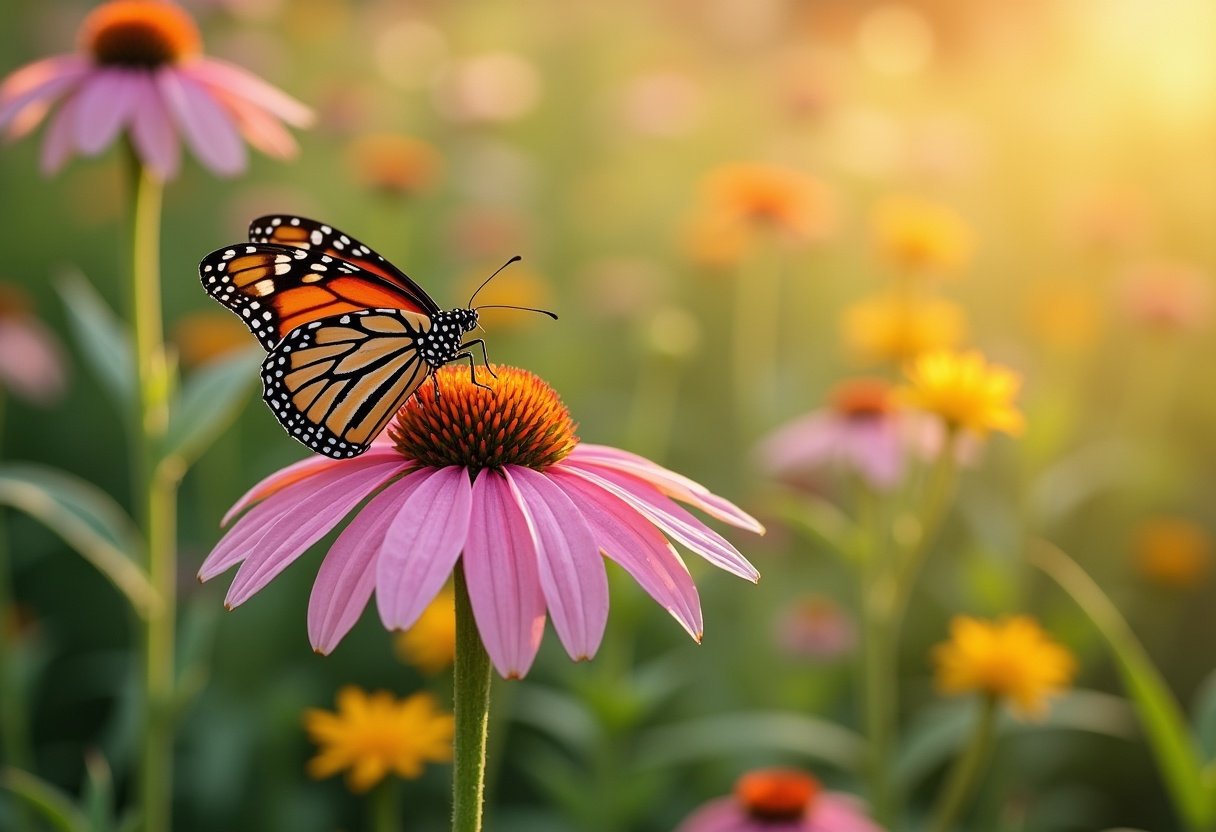
- For butterflies: Milkweed (essential for monarchs), butterfly bush, joe-pye weed, zinnias, lantana, verbena
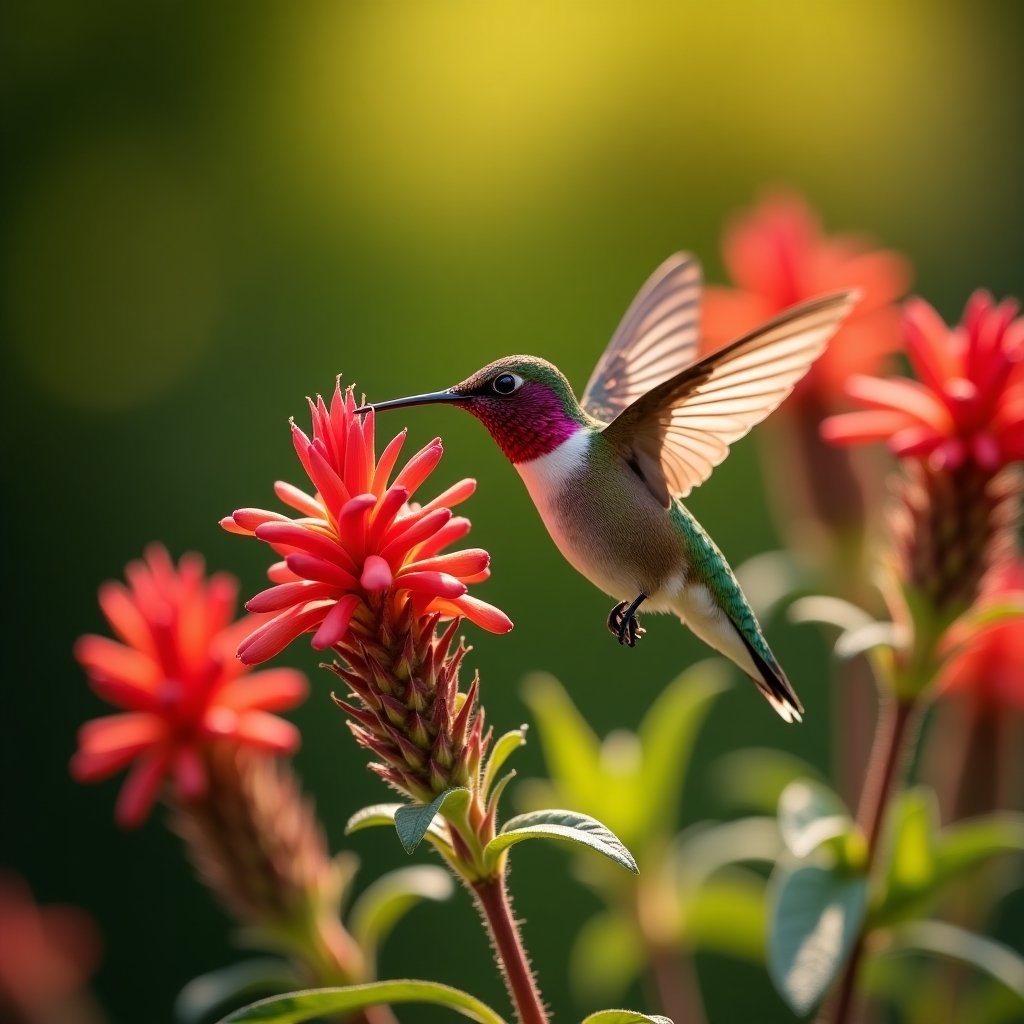
- For hummingbirds: Trumpet vine, cardinal flower, salvia, coral honeysuckle, bee balm, columbine
A Native Wildflower Seed Mix for Pollinators is one of the easiest ways to get started. These mixes are formulated with species suited to your region and provide blooms across multiple seasons.
Plan for Continuous Bloom: Spring Through Fall
One of the most common mistakes in pollinator gardening is planting for a single spectacular bloom period. Your garden might look amazing for three weeks in June and then offer nothing for the rest of the season. Pollinators need food from early spring through late fall, so your garden should provide a continuous buffet.
Here’s a simple bloom-succession plan:
- Early spring (March–April): Crocus, hyacinth, native violets, pussy willow, hellebore. These early bloomers are critical for bees emerging from winter dormancy when food is scarce.
- Late spring (May–June): Columbine, catmint, chives, iris, penstemon. These bridge the gap between early spring bulbs and summer perennials.
- Summer (July–August): Coneflower, bee balm, lavender, milkweed, black-eyed Susan, zinnias. This is peak pollinator season — load up on summer bloomers.
- Fall (September–October): Aster, goldenrod, sedum, chrysanthemum. Fall nectar sources are critical for monarchs migrating south and bees stocking up for winter.
Design Your Garden for Maximum Pollinator Appeal
Pollinators find food primarily through sight and scent, so how you arrange your garden matters as much as what you plant. Here are the design principles that attract the most pollinators:
Plant in clusters, not singles. A single lavender plant is easy for a bee to miss. A group of five or seven lavender plants creates a visible and fragrant beacon. Aim for clusters of at least 3 feet across for each species — this makes your garden visible to pollinators flying overhead.
Use a variety of flower shapes. Different pollinators have different feeding mechanisms. Tubular flowers (like salvia and trumpet vine) are perfect for hummingbirds with their long beaks. Flat, open flowers (like daisies and asters) are ideal for butterflies who land and feed. Small clustered flowers (like yarrow and dill) attract tiny native bees and beneficial insects.
Include a range of colors. Bees are particularly attracted to blue, purple, and yellow flowers. Butterflies love bright orange, red, and pink. Hummingbirds zero in on red and tubular shapes. A diverse color palette ensures you’re appealing to the broadest range of visitors.
Add Water, Shelter, and Nesting Sites
Nectar and pollen are only part of the equation. Pollinators also need water, shelter from wind and predators, and places to nest and overwinter.
Water: Create a shallow water source with landing spots. A simple saucer filled with pebbles and topped off with fresh water gives bees and butterflies a safe place to drink without drowning. Change the water every day or two to prevent mosquito breeding.
Shelter: Leave some areas of your garden a little wild. A brush pile, a patch of unmowed grass, or a log left to decompose provides shelter for countless pollinator species. Resist the urge to make everything tidy — messy edges are pollinator paradise.
Nesting sites: About 70% of native bee species nest in the ground. Leave patches of bare, undisturbed soil in sunny spots for ground-nesting bees. For cavity-nesting bees (like mason bees and leafcutter bees), a Mason Bee House mounted on a south-facing wall or fence provides ready-made nesting tubes. Place it 3-6 feet above the ground near your flowering plants.
The Milkweed Question: Why It’s Non-Negotiable
If you care about monarch butterflies — and you should, given their dramatic population decline — milkweed isn’t optional. It’s the only plant that monarch caterpillars can eat. Without milkweed, there are no monarchs. Period.
Common milkweed (Asclepias syriaca), swamp milkweed (Asclepias incarnata), and butterfly weed (Asclepias tuberosa) are all excellent choices depending on your growing conditions. Butterfly weed, with its vibrant orange flowers, is particularly ornamental and does well in well-drained, sunny borders.
A Milkweed Seed Collection (Mixed Native Species) gives you a variety suited to different conditions in your yard. Plant them in a sunny spot and be patient — milkweed can take a full season to establish before it really takes off.
What to Avoid: Pesticides and Common Mistakes
Building a pollinator garden while using pesticides is like putting out a bird feeder next to a cat. Even “organic” pesticides like pyrethrin can be lethal to bees. Here’s what to avoid:
- Neonicotinoid pesticides. These systemic insecticides are absorbed into every part of the plant, including nectar and pollen. They’re one of the leading causes of bee decline. Always check plant labels at garden centers — many commercially grown plants have been pre-treated with neonics.
- Spraying at the wrong time. If you absolutely must treat a pest problem, spray in the late evening when pollinators aren’t active, and never spray open flowers.
- Over-mulching. Thick mulch over every inch of soil prevents ground-nesting bees from accessing the bare earth they need. Leave some spots unmulched.
- Planting only non-native ornamentals. Double-petaled flowers (like many hybrid roses and dahlias) have been bred for human aesthetics at the expense of nectar production. Pollinators can’t access the pollen in heavily doubled flowers. Choose single-petal varieties when possible.
Getting Started: A Simple First-Year Plan
You don’t need to transform your entire yard overnight. Start with a small dedicated plot — even 4 by 4 feet is enough to make a difference. Here’s a simple first-year plan:
- Choose 5-7 species that provide bloom coverage from spring through fall.
- Include at least one milkweed variety for monarchs.
- Plant in clusters of 3 or more of each species.
- Add a shallow water dish with pebbles.
- Skip all pesticides in your pollinator zone.
- Leave fall cleanup for spring. Many pollinators overwinter in dead stems and leaf litter. Resist cutting everything back in autumn — clean up in late spring after temperatures consistently hit 50°F.
The beauty of a pollinator garden is that it gets better every year. Perennials fill in, self-seeding annuals spread, and as word gets out in the pollinator world, more and more visitors will find your garden. By year two or three, you’ll be watching monarch caterpillars on your milkweed, mason bees nesting in your bee house, and hummingbirds hovering over your salvia. That’s not just a garden — that’s an ecosystem. And you built it.