
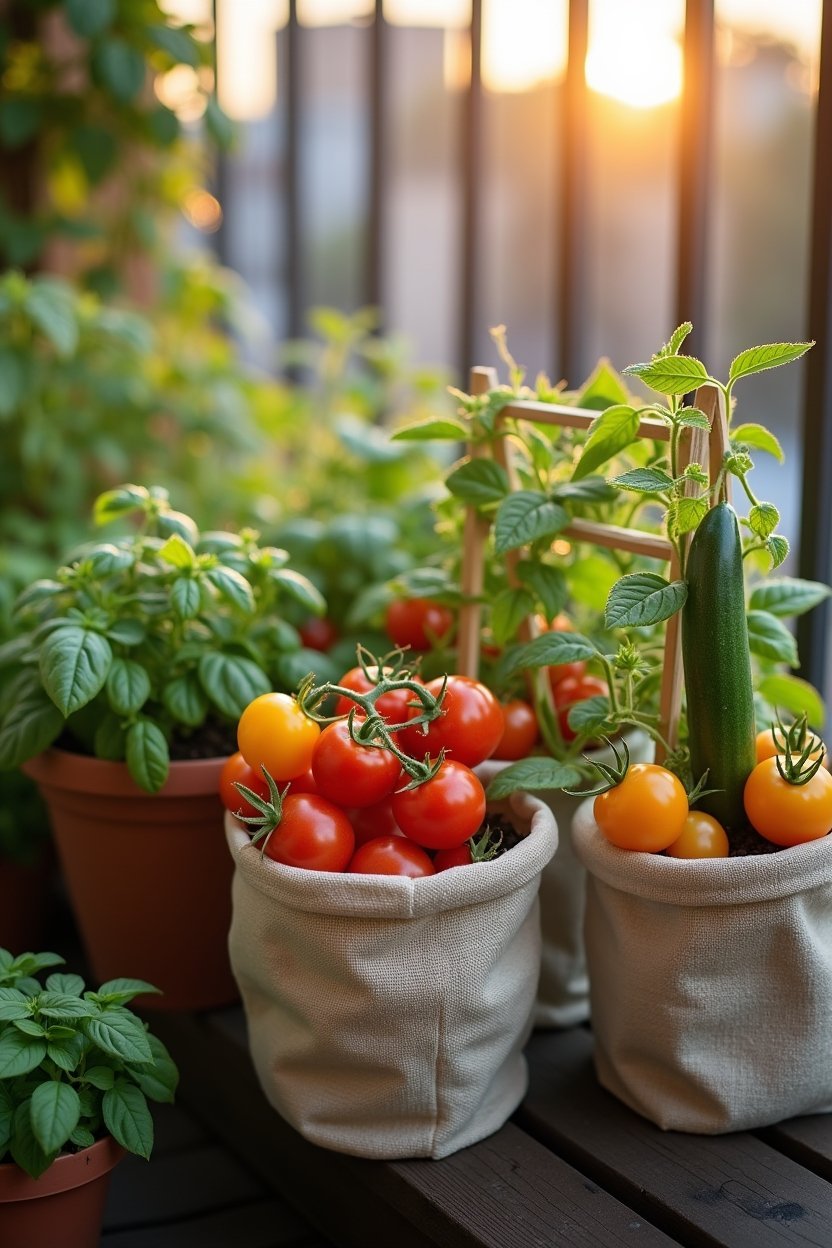
The Garden That Lives on Your Balcony — and Feeds You All Summer
A snack garden is exactly what it sounds like: a collection of edibles grown specifically for fresh, right-off-the-plant eating. No cooking required, no waiting, no grocery store. You step outside, pop a cherry tomato off the vine, grab a handful of sugar snap peas, snip some basil — and that’s lunch. The best part? You don’t need a yard. A sunny balcony, a small patio, a rooftop — the snack garden is the most space-efficient, highest-enjoyment food garden concept for modern living.
What Makes a Great Snack Garden Plant?
The best snack garden candidates share key traits: compact growth habit, high yield relative to space, continuous harvest (the best snack garden plants keep producing as you pick), and direct-from-plant flavor. A sun-warmed cherry tomato picked directly off the vine bears no resemblance to anything from a grocery store.
The Snack Garden All-Stars: Best Varieties for Containers
Cherry Tomatoes are the anchor crop — prolific, sweet, endlessly snackable, and perfectly sized for containers. Look for compact or determinate varieties: Tumbling Tom, Tiny Tim, Sweet Million, Sun Gold. A cherry tomato and pepper seed variety pack gives you multiple types to trial in your first season.
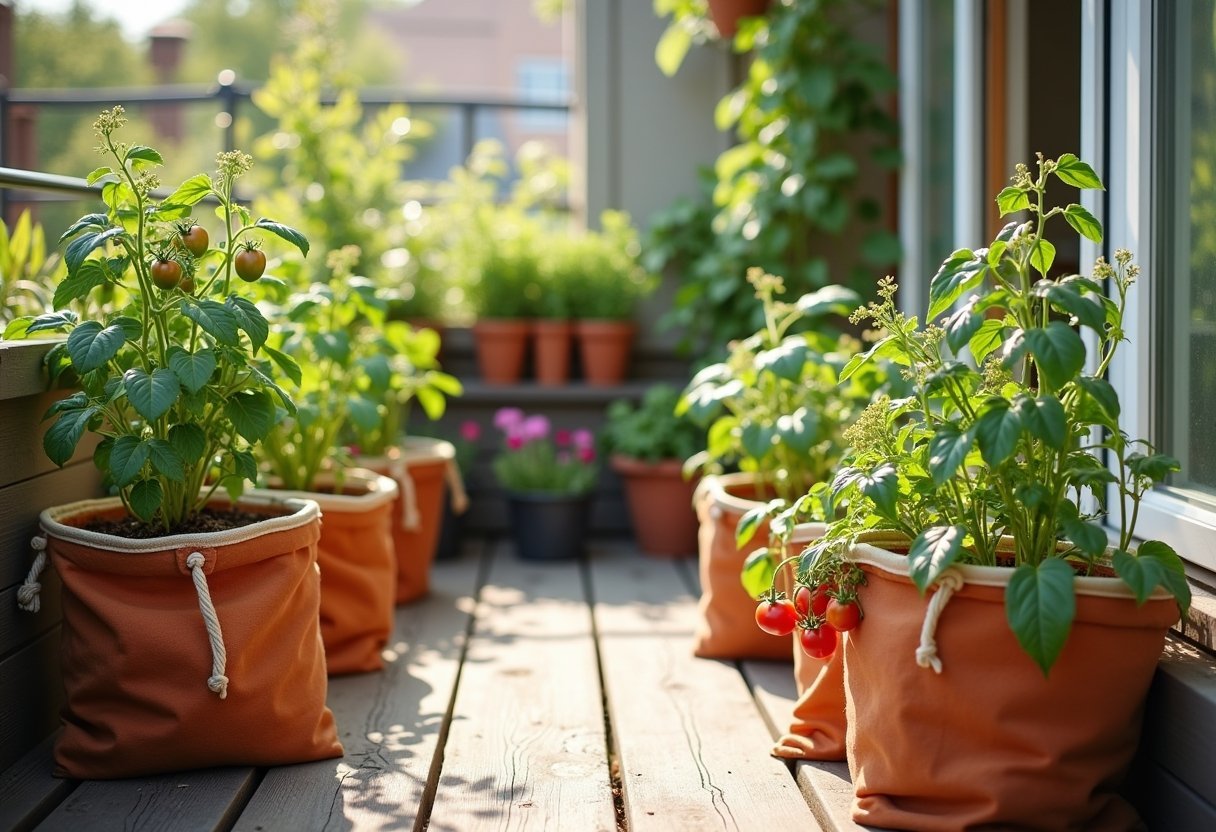
Sugar Snap Peas grow vertically (space-efficient), tolerate cooler temperatures, and crisp sweet pods are genuinely addictive. Plant in early spring — peas prefer cooler weather and will wind down when summer heat arrives.
Mini Cucumbers — Bush Pickle, Spacemaster, and Patio Snacker — are bred for small spaces. A single plant in a 10-gallon container will keep you in cucumbers all summer with regular watering and feeding.
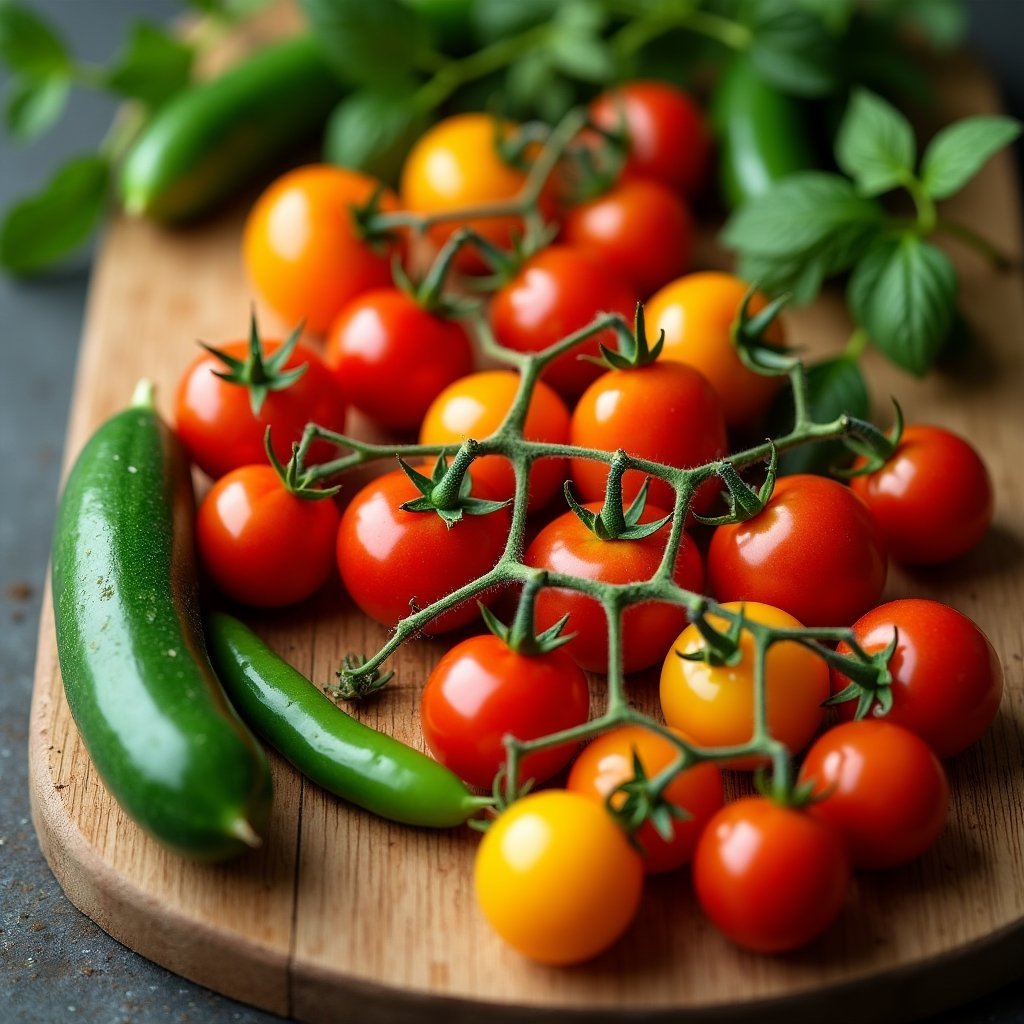
Herbs are the easiest snack garden addition and some of the highest-value. Basil, parsley, chives, mint, and cilantro from a grocery store are expensive and wilt before you can use them. A container herb garden provides more than you could ever use, all season long. Note: grow mint in its own container — it spreads aggressively and will take over shared pots.
Container Sizing: Getting This Right Matters Most
The most common mistake is undersizing. Minimum container sizes: cherry tomatoes — 10–15 gallons minimum; mini cucumbers — 10 gallons minimum per plant; sugar snap peas — 5–7 gallons for a cluster of 4–6 plants; strawberries — 5–7 gallons; herbs — 1–3 gallon pots per plant.
A large fabric grow bag set in 10-gallon size is the best value and performance option. Fabric bags air-prune roots (preventing root-circling that stunts growth), drain perfectly, fold flat for off-season storage, and are significantly lighter than ceramic containers of equivalent size — important on a balcony with weight limits.
Soil: Don’t Use Garden Soil in Containers
Garden soil compacts under repeated watering and restricts drainage. A quality premium potting soil container mix containing perlite or vermiculite for drainage and coir for moisture retention makes a substantial difference. Fill containers fresh each season — used potting mix becomes increasingly depleted and compacted.
Watering: The Container Garden’s Biggest Challenge
Container plants dry out dramatically faster than in-ground plants — on a hot day, a large fabric grow bag can need watering morning and evening. Self-watering planter inserts with reservoir systems dramatically reduce watering frequency, keeping moisture levels consistent even if you forget a day or go away for a weekend.
Supporting Your Plants
A compact tomato cage set sized for container use keeps plants upright, improves air circulation (reducing disease pressure), and makes harvesting easier. For climbing plants like cucumbers and peas, a simple bamboo tripod or a section of wire fencing zip-tied to a railing works perfectly and adds visual interest to your balcony setup.
Start Small, Scale Up
If this is your first container snack garden, start with two large fabric grow bags — one for a cherry tomato plant and one for a mix of herbs — and add from there. The snack garden pays dividends that go beyond the food itself. There’s genuine daily pleasure in stepping onto a balcony filled with growing things, checking on your plants, and eating something you grew with your own hands. This is the year to start.