Why February and March Are the Secret Weapons of Serious Gardeners
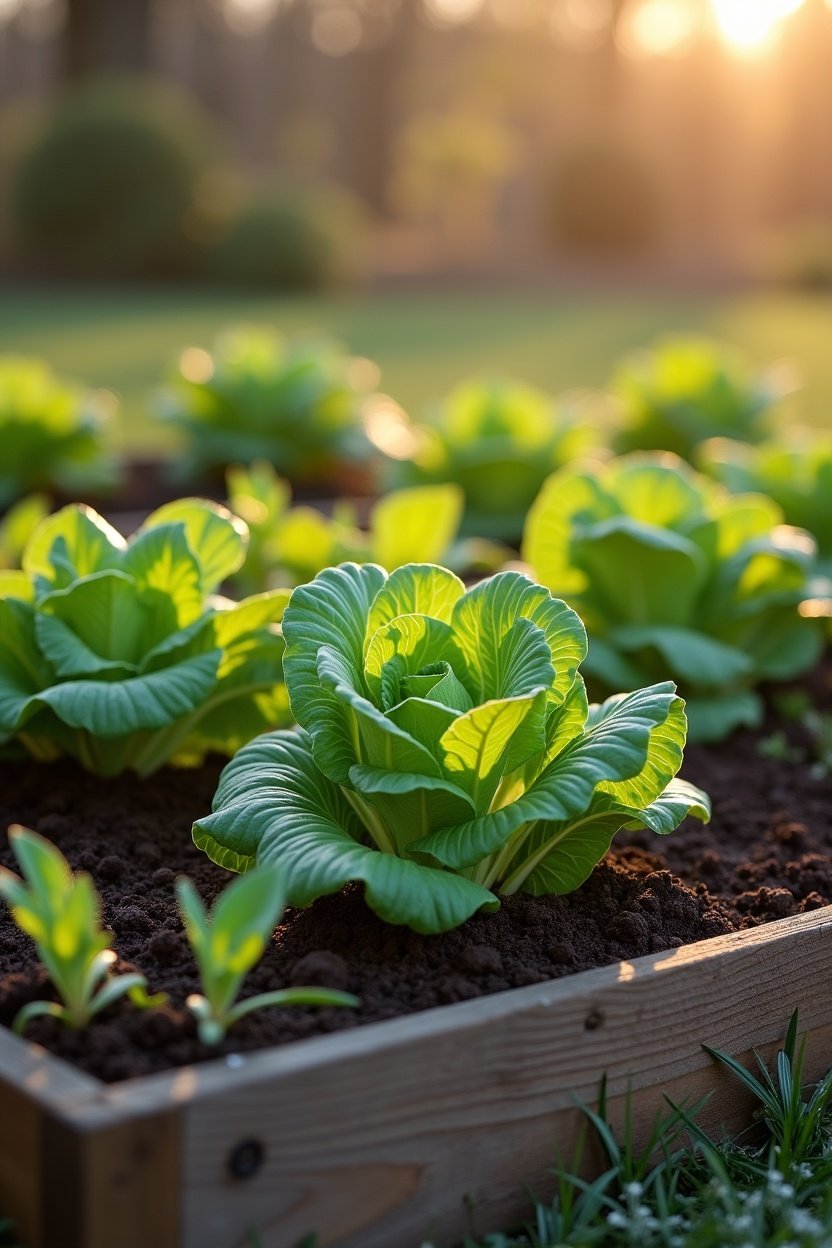
Most people assume the garden season doesn’t start until the last frost date has passed. But experienced growers know a different truth: some of the most productive, delicious vegetables actually prefer cold weather. February and March are prime planting windows for an entire category of crops that thrive in temperatures most gardeners consider off-season.
Understanding Cold Hardiness: What Frost Tolerant Actually Means
There’s an important distinction between frost tolerant crops (which can survive light freezes down to around 28–32°F) and frost hardy crops (which can withstand temperatures well below freezing, sometimes into the teens). Crops like spinach, kale, and established pea plants can survive a hard frost — and in many cases, a cold snap actually sweetens their flavor as the plant converts starches to sugars.
Zone-by-Zone February and March Planting Guide
- Zones 8–10: February is full planting season outdoors. Direct sow peas, spinach, lettuce, radishes, and kale directly into garden beds now.
- Zones 6–7: Start seeds indoors in late February for transplanting in mid-March. Direct sow spinach and radishes under row cover in early March.
- Zones 4–5: Use February and early March for indoor seed starting. Direct sowing outdoors typically begins late March to mid-April under protection.
- Zones 2–3: Focus on indoor starting through February and March. Outdoor planting is 6–8 weeks away, but starting now means you won’t miss a single growing day.
A soil thermometer is genuinely useful here — most cold-season crops germinate best when soil temps are between 40–65°F. A quick reading tells you whether direct sowing will actually work or whether you’re wasting seed.
The Cold-Season All-Stars: What to Plant Right Now
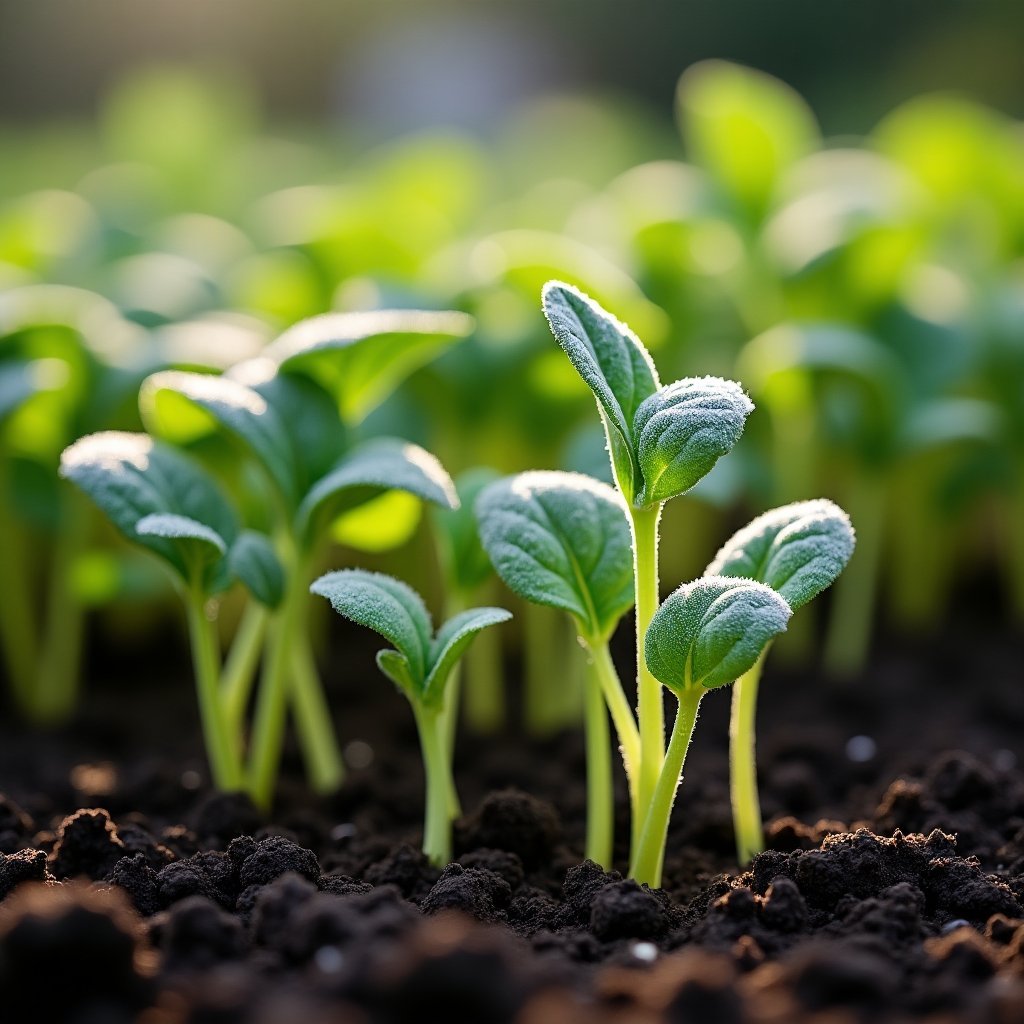
Peas need cold soil to germinate well and don’t transplant reliably. Get them in the ground 4–6 weeks before your last frost date. Soil temperature of 40°F is enough to get them started. Sow seeds 1 inch deep, 2–3 inches apart near a trellis.
Spinach is arguably the most cold-tolerant leafy green — established plants survive temperatures down to 20°F. It grows fast: most varieties reach harvest in 40–50 days. A cold-hardy seed assortment with spinach, kale, and lettuce is a smart buy for this season — you get variety in one package and these three crops share similar growing conditions.
Kale is practically bulletproof in cold weather. Lacinato and Red Russian are the most cold-tolerant varieties and taste better after a frost. Radishes are the instant-gratification crop: some varieties mature in as little as 22–25 days.
Direct Sow vs. Transplant
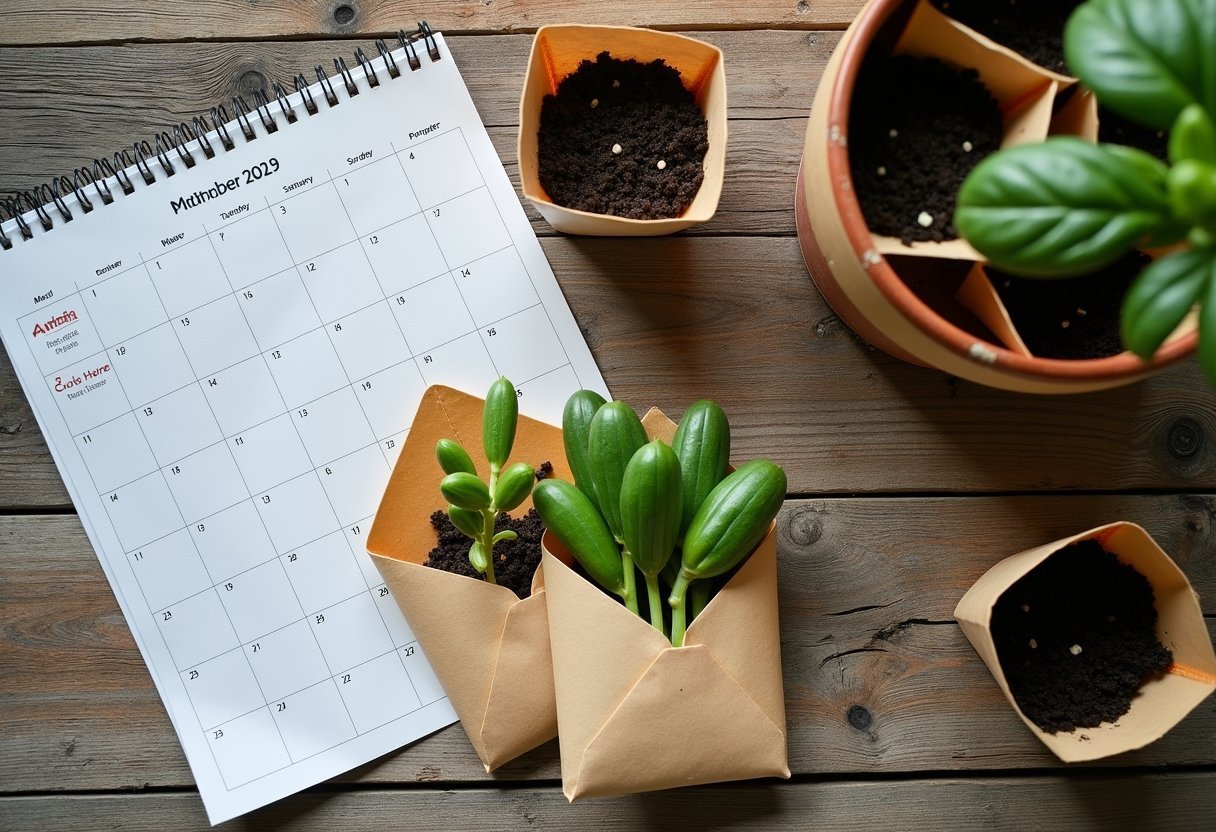
Direct sow outdoors: peas, radishes, spinach, carrots — these crops prefer to be sown where they’ll grow. Start indoors and transplant later: kale, lettuce, broccoli, cabbage. For indoor starting, use a quality seed starting soil mix rather than regular potting soil — seed starting mixes are lighter and drain better. Pair with biodegradable peat pots so you can transplant seedlings directly without disturbing roots.
Protecting Cold-Season Crops from Hard Freezes
Even cold-hardy crops have limits. A garden fabric frost protection cloth draped over hoops or directly over plants creates a microclimate that adds 4–8°F of frost protection while still letting in light and moisture. Row cover is one of the most versatile tools in the early-season gardener’s kit — it protects from frost, keeps out early pest pressure, and extends your harvest window on both ends of the season.
Get Growing — Winter Isn’t an Excuse Anymore
The gardeners who pull the earliest, most satisfying spring harvests aren’t lucky — they’re just a few weeks ahead. February and March cold-season planting is one of the highest-reward moves you can make as a home grower. Start simple: pick two or three crops from this list, get your seeds and a bag of seed starting soil mix, and put something in the ground this weekend. Your spring table will thank you.