
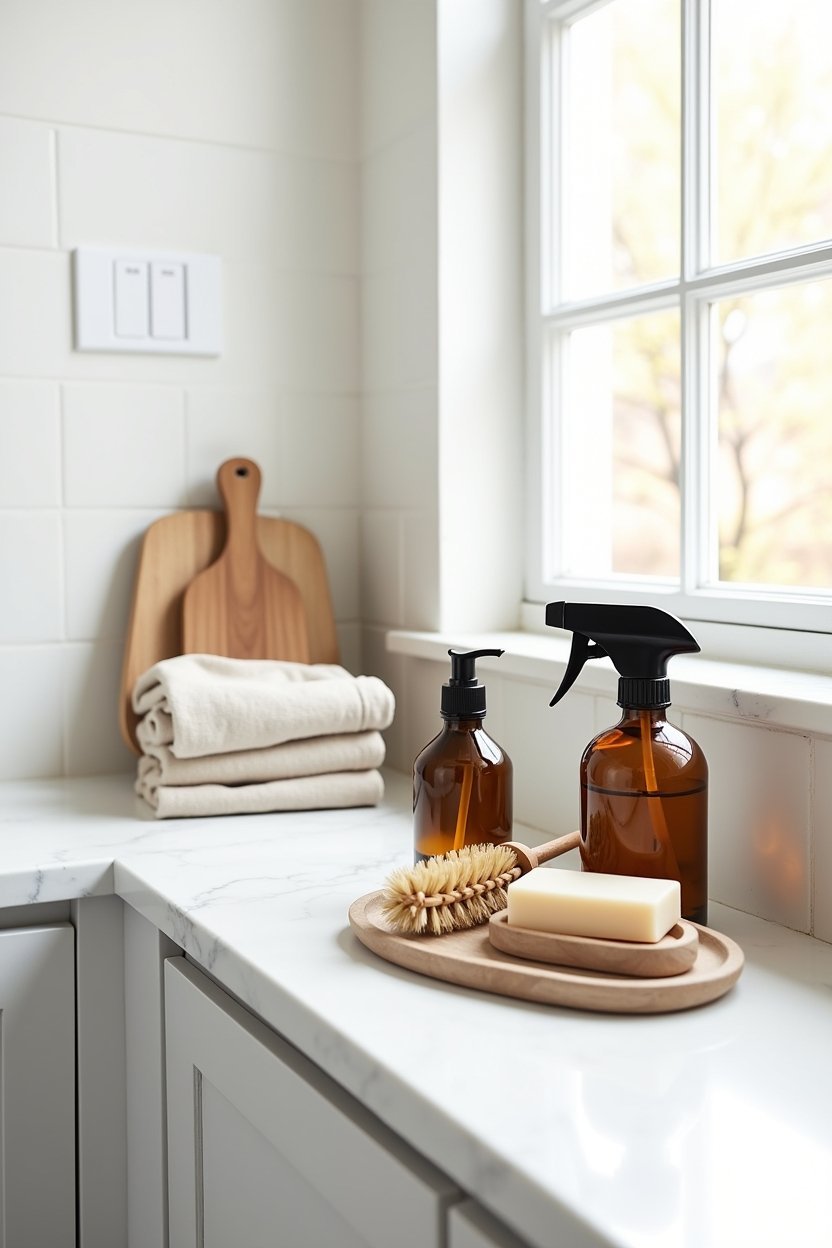
The Problem With Green Cleaning Products
Walk down any cleaning aisle and you will see an overwhelming number of products labeled “natural,” “green,” “eco-friendly,” or “plant-based.” Many of them contain synthetic fragrances, petroleum-derived surfactants, and packaging that ends up in a landfill despite the leaf on the label. Greenwashing is particularly rampant in the cleaning category.
The good news: the genuinely effective, genuinely eco-friendly options have gotten significantly better and more affordable. You no longer have to choose between a clean conscience and a clean home.
What Actually Makes a Cleaning Product Eco-Friendly?
- Ingredient safety: Surfactants derived from plant sources (coconut oil, corn, sugar beets) rather than petroleum. No synthetic fragrances — an unregulated catch-all category that can hide hundreds of chemical compounds. No chlorine bleach, ammonia, or phosphates.
- Biodegradability: Ingredients that break down naturally in wastewater systems rather than accumulating in waterways.
- Packaging: Recycled content, recyclable materials, refillable systems, or concentrated formulas that reduce plastic per unit of cleaning power.
- Manufacturing transparency: Companies that publish full ingredient lists and third-party certifications (EPA Safer Choice, EWG Verified, USDA Biobased).
Greenwashing Red Flags to Watch For
- “Natural” with no definition: The word “natural” has no regulatory definition in cleaning products.
- “Fragrance” on the ingredient list: This single word can represent dozens of undisclosed synthetic compounds.
- Vague certifications: Look for specific third-party certifications (EPA Safer Choice, EWG Verified) rather than company-designed seals.
- Ready-to-use packaging without a refill option: If a company makes “eco-friendly” claims but sells exclusively in single-use plastic bottles, the environmental calculus does not add up.
The Case for Concentrate Systems
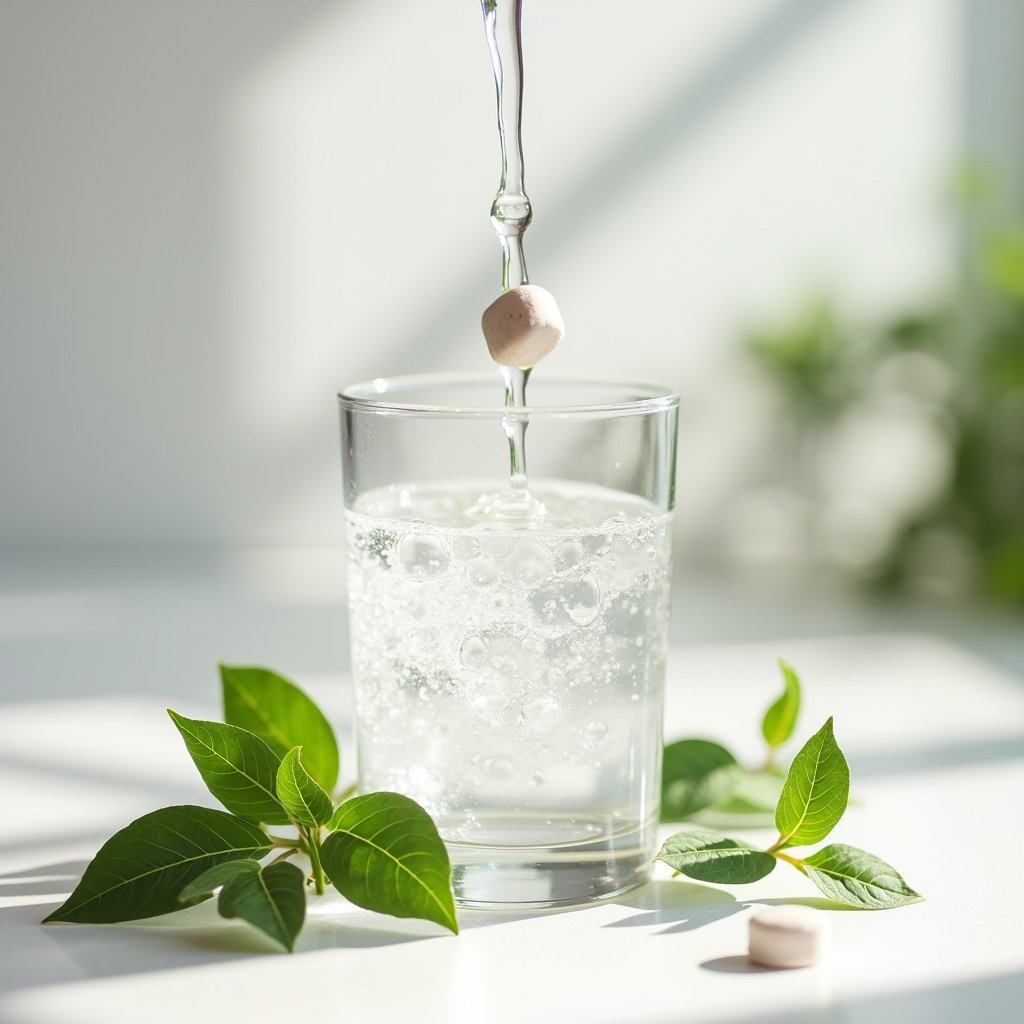
The most significant environmental impact of conventional cleaning products is not the formula — it is the packaging. Single-use plastic spray bottles, 90% of which is water, shipped across the country. A Plant-Based Multi-Surface Cleaner Concentrate changes this entirely. A small concentrated tablet or liquid pod dropped into a reusable spray bottle with water creates a full bottle of cleaner. One small package replaces ten to twenty conventional spray bottles.
Refillable Glass Spray Bottles: The One-Time Investment
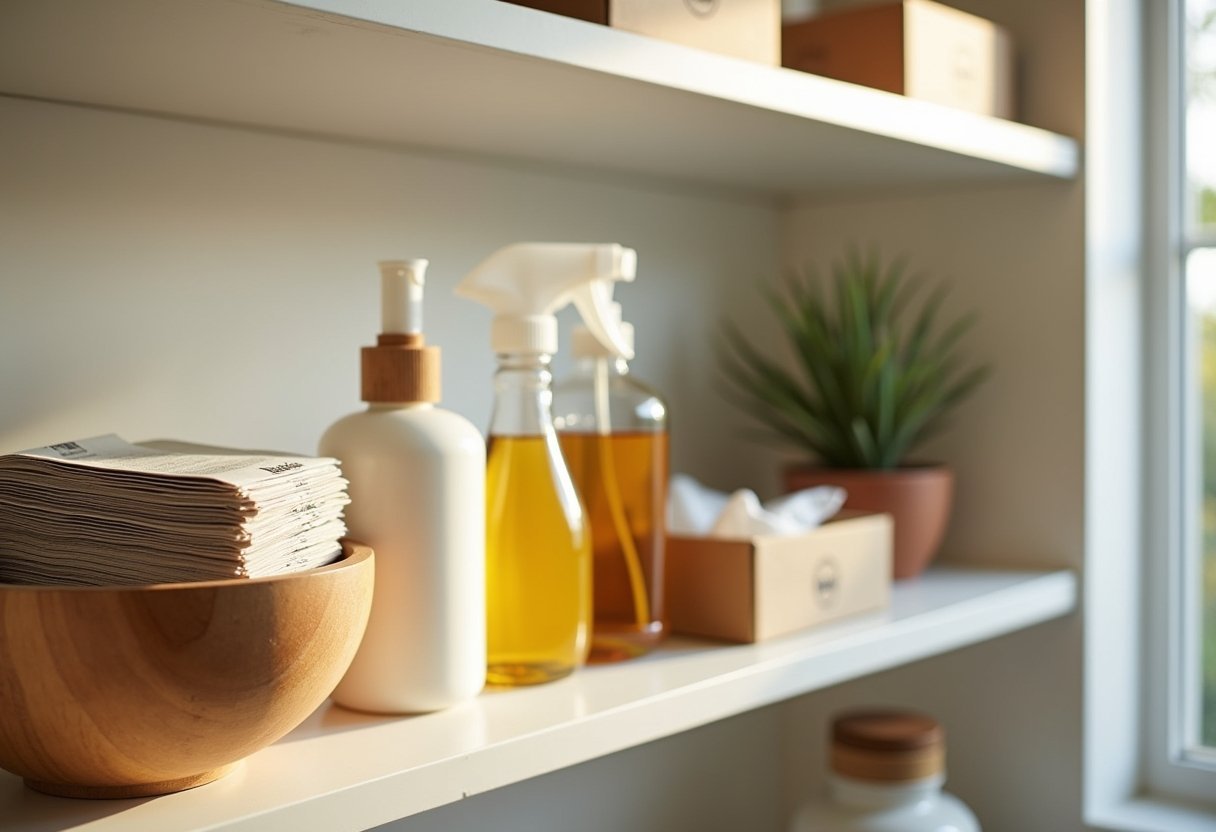
A Refillable Glass Spray Bottle Set is the infrastructure that makes concentrate systems practical. Glass does not absorb or leach compounds into the liquid inside, it is indefinitely recyclable, it lasts for years, and it genuinely looks better on your counter — which matters for whether you actually use the system. Look for bottles with a heavy-duty trigger sprayer rated for at least 100,000 pumps and measurement markings on the side for accurate dilution.
Castile Soap: The Multi-Purpose Foundation
Castile soap — made entirely from plant oils — is one of the most genuinely versatile cleaning ingredients available. A Castile Soap Bulk Purchase gives you the base for dozens of DIY cleaning applications: all-purpose spray, dish soap, floor cleaner, scrubbing paste when mixed with baking soda, and laundry (a quarter cup per HE load). Important: do not mix castile soap with vinegar — the acid reacts with the soap and reduces its effectiveness.
Compostable Wipes: When Convenience Meets Responsibility
Conventional wipes use petroleum-based synthetic fiber that does not biodegrade. Compostable Bamboo Cleaning Wipes are a genuinely better alternative. Bamboo fiber is naturally antimicrobial, rapidly renewable, and genuinely compostable in both industrial and home compost settings. Use these for quick wipe-ups where you would otherwise reach for a conventional wipe.
Enzyme-Based Drain Cleaners: The Chemical Alternative That Works
Conventional drain cleaners use sodium hydroxide (lye) or sulfuric acid — corrosive to old pipes, dangerous to handle, harmful to septic systems, and toxic in waterways. An Enzyme-Based Drain Cleaner contains live bacterial cultures and enzymes that literally eat the organic matter causing blockages — hair, soap residue, grease. They are completely safe for septic systems, safe for all pipe types, and non-toxic. Results are not instantaneous, but for maintenance and partial clogs, they are highly effective and prevent future buildup.
Building Your Eco Cleaning Kit: Practical Approach
Transition product by product as you run out of existing supplies rather than throwing away functional products. Priority order: first switch your all-purpose spray to a concentrate system (highest-use product), second replace paper towels with reusable microfiber cloths, third switch to castile soap for dish and surface use, fourth replace conventional wipes with compostable bamboo alternatives, fifth switch your drain cleaner to an enzyme formula.