
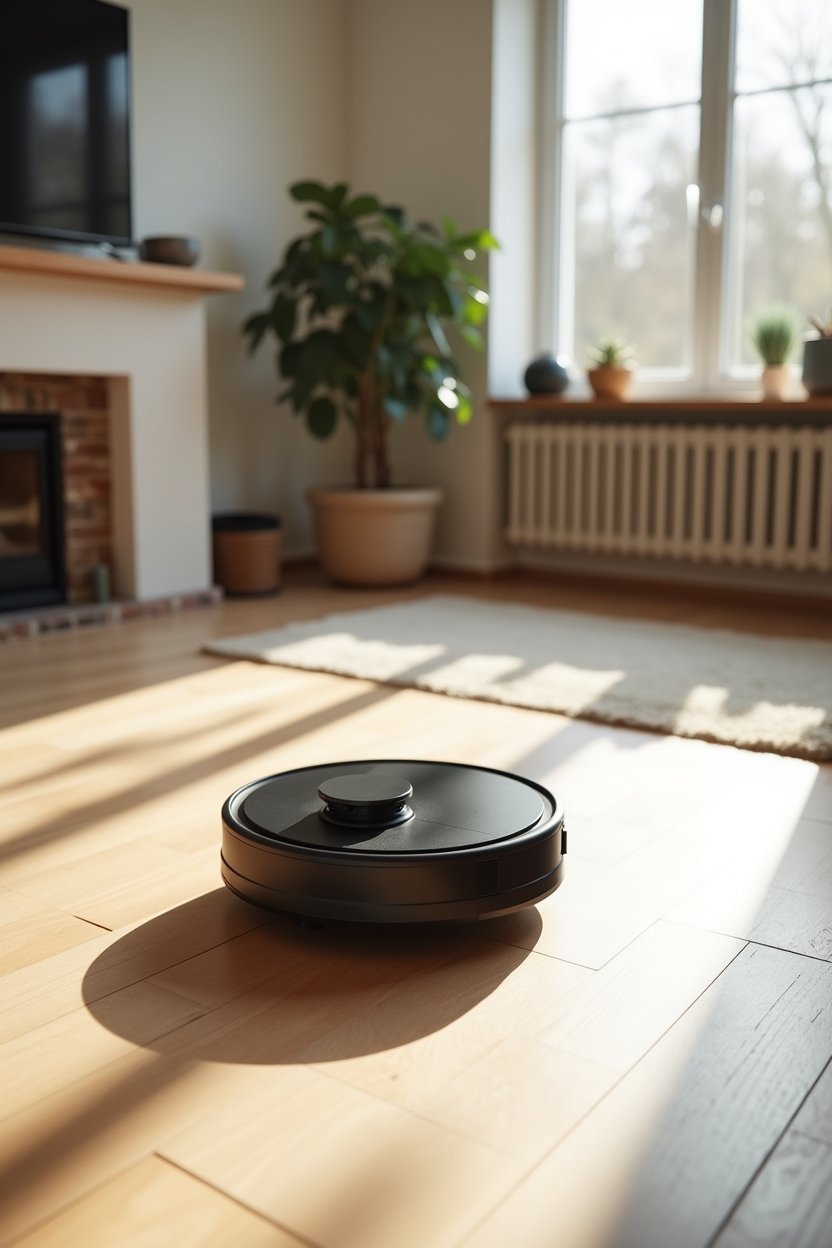
Robot Vacuums Are Finally Good Enough to Replace Your Upright
For years, robot vacuums were a novelty — something that bumped into furniture, got stuck under the couch, and needed to be rescued more often than they actually cleaned. That era is over. The machines available in 2026 are genuinely capable of maintaining a clean home between manual vacuuming sessions — and in many households, replacing upright vacuuming entirely. Room mapping via LiDAR navigation, HEPA filtration, smart home integration, self-emptying bases that hold weeks of dirt, and wet-dry mop combos have all gone from premium-only features to broadly available across multiple price points.
The Most Important Decision: HEPA vs. Standard Filtration
If anyone in your household has allergies, asthma, or respiratory sensitivity — or if you have pets — filtration quality is the single most important spec to evaluate. Standard filters capture large particles: visible dirt, debris, pet hair. What they do not capture is the fine particulate matter that actually triggers allergic reactions — dust mite feces, pollen, pet dander, and mold spores. An App-Controlled Robot Vacuum with HEPA Filtration is certified to capture 99.97% of particles at 0.3 microns — the hardest size to filter. It not just cleaner in appearance; it genuinely improves the air quality in your home with every cleaning cycle.
Navigation Technology: Why It Matters
LiDAR (Laser Distance Sensor) navigation emits a rotating laser that maps the room in real time, building a precise floorplan and navigating in systematic parallel rows. This is the gold standard — coverage is thorough and predictable. LiDAR also enables room-specific scheduling, no-go zones you draw in the app, and the ability to resume exactly where it left off after charging.
Self-Emptying Bases: Are They Worth It?
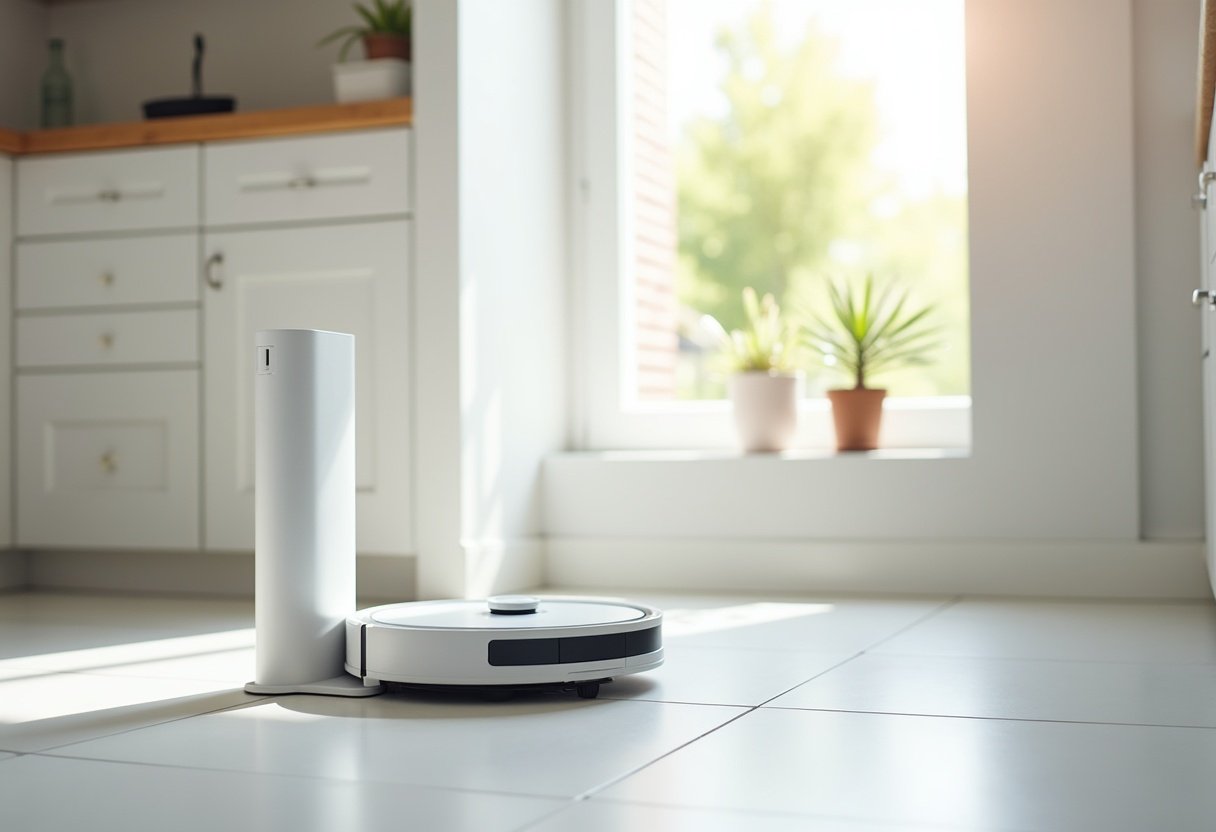
A Self-Emptying Robot Vacuum Base automatically vacuums the robot’s dust bin when it docks, depositing contents into a larger container inside the base that can go 30–60 days between emptying. The practical benefit: you set it and completely forget about it. Our verdict: if you’re buying a premium machine and plan to use it daily, the self-emptying base is worth every dollar.
Pet Hair: What to Prioritize
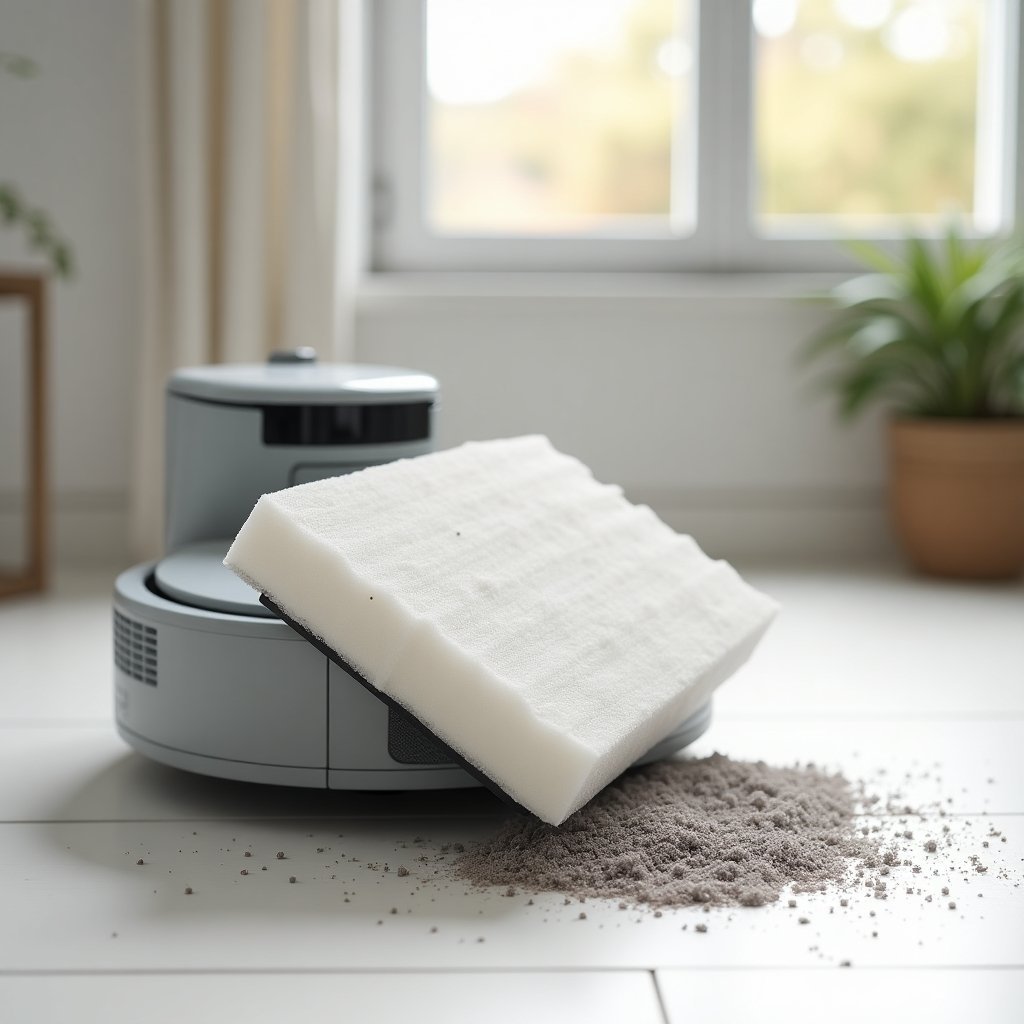
Pet hair is a robot vacuum stress test. It wraps around brush rolls, clogs filters, and compresses into dense mats inside the dust bin. If you have dogs or cats, prioritize rubber brush rolls instead of bristle (rubber fins repel hair rather than trapping it), HEPA filtration, large dust bin capacity, and high suction power (look for 2500+ Pa for embedded pet hair in carpet). Keep a HEPA Filter Replacement Pack on hand — filters should be changed every 2–3 months in pet homes.
Budget Guide: What You Get at Each Price Point
- Under $200: Basic navigation, standard filter, small bin. Good for small apartments on hard floors.
- $200–$400: LiDAR navigation, HEPA filter, app control with room mapping. The sweet spot for most homes.
- $400–$600: Mop combo functionality, stronger suction, better obstacle avoidance. Good for larger homes and pet owners.
- $600+: Self-emptying base, advanced AI obstacle avoidance, auto water refill for mopping. For genuine set-and-forget automation.
A Smart Robot Vacuum Mop Combo Wet/Dry from a quality brand features oscillating mop pads, pressurized contact with the floor, and auto-detection of carpet — a worthwhile upgrade for hard floor households.
Maintenance Tips for Long Robot Vacuum Life
- Clean the brush roll weekly if you have pets.
- Empty the dust bin after every 1–2 runs if you do not have a self-emptying base.
- Replace HEPA filters every 2–3 months for allergy sufferers, every 6 months for standard use.
- Clean sensors monthly with a dry microfiber cloth — dirty cliff sensors can cause falls down stairs.
The Bottom Line
The robot vacuum market in 2026 offers genuinely impressive technology at every price point. Start with your floor types and whether you have pets or allergy concerns, then use this guide to match specs to your needs. The daily maintenance a robot vacuum provides compounds into a cleaner home with less effort — and that is worth every dollar.