What Is Afrohemian Decor — And Why Is Everyone Obsessed With It?
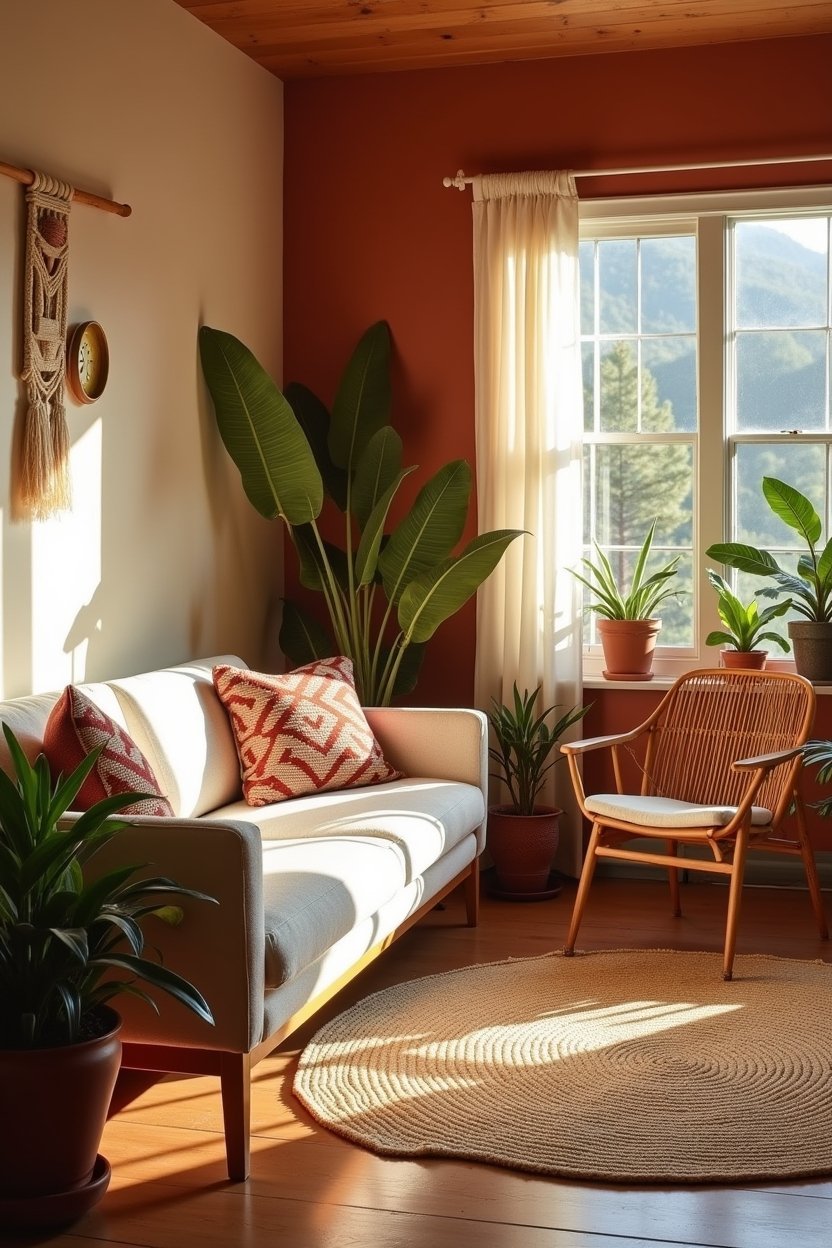
If you’ve been scrolling Pinterest lately and finding yourself drawn to rooms that feel simultaneously earthy, adventurous, and deeply layered, there’s a good chance you’ve been falling in love with Afrohemian small home decor changes. A portmanteau of African and Bohemian, Afrohemian style is one of the most exciting interior design movements of 2026 — and it’s so much more than a trend. It’s a full-blown aesthetic philosophy.
At its core, Afrohemian design celebrates the rich textile traditions, craft work, and visual boldness of African design while incorporating the free-layered, globally-sourced maximalism of bohemian interiors. The result? Rooms that feel curated over a lifetime, intentional without being stiff, and warm in a way that few other styles can match.
This isn’t about surface-level pattern slapping. Done well, Afrohemian decor tells a story through handwoven textures, natural materials, and purposeful 2026 home color trends. Here’s how to bring it home.
Start With a Grounded Color Palette
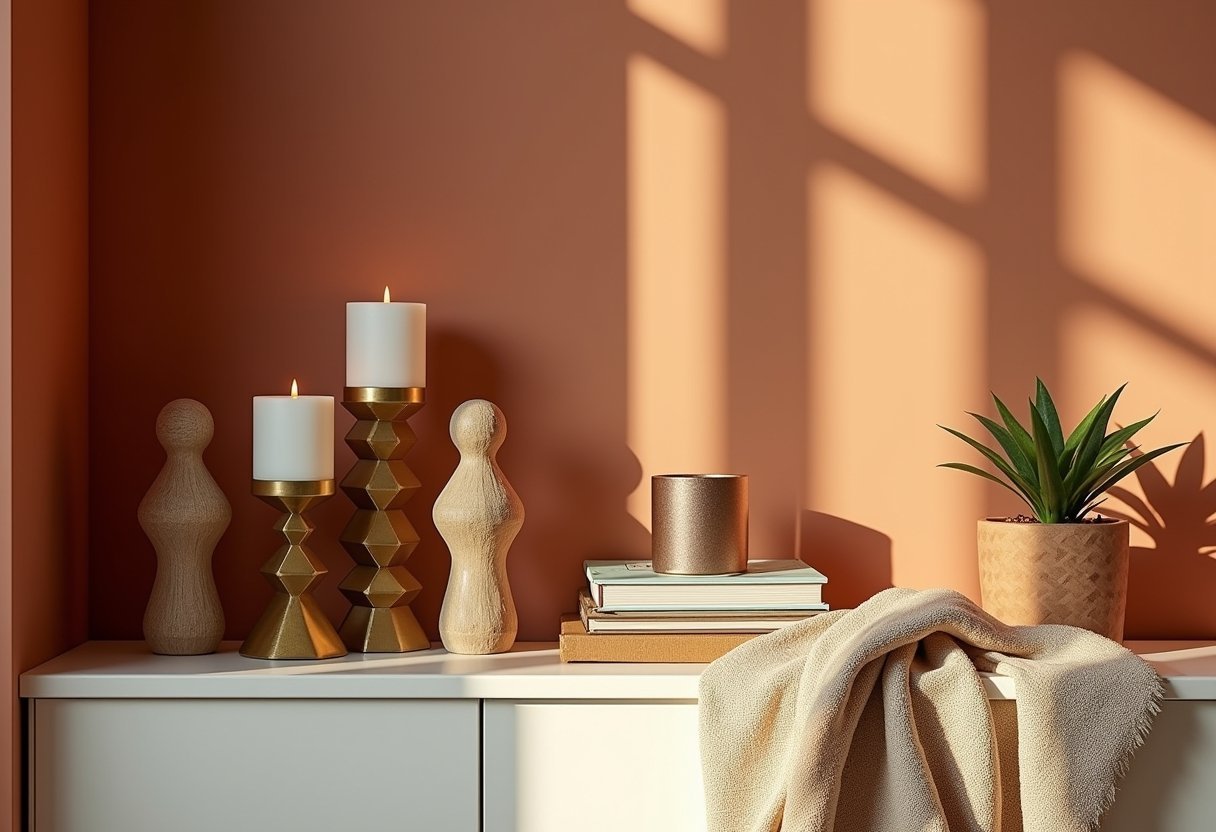
Afrohemian interiors are bold, but they don’t start chaotic. The foundation is almost always a warm, earthy base: think terracotta walls, cream plaster finishes, deep ochre, or warm taupe. These neutral anchors are what allow the bolder patterns and brass accents to sing without overwhelming a room.
From that base, you layer in your bold moments: rich burnt orange, deep rust, indigo blue, forest green, and black geometric contrasts. The key is balance — your walls and large furniture pieces should stay relatively calm so your textiles and decor objects can be the stars.
Mudcloth: The Cornerstone Textile
If there is one single fabric that defines Afrohemian interiors, it is mudcloth. Originating from Mali, traditional mudcloth is hand-woven cotton dyed with fermented mud to create bold, graphic patterns. Each piece is unique, and that authenticity is exactly what the Afrohemian aesthetic craves.
Start with African Mudcloth Throw Pillow Covers on your sofa. Go for a set of four to six, mixing patterns within a coordinated color palette of cream, black, and rust. Layer those with a couple of solid-colored velvet or linen cushions in a complementary earthy tone, and you’ve instantly transformed a plain sofa into an Afrohemian focal point.
Layer Your Rugs Like a Pro
Layered rugs are a hallmark of both bohemian and African-inspired interiors, and Afrohemian style leans into this hard. The classic move is to start with a large, neutral base rug and layer a smaller, more patterned rug on top.
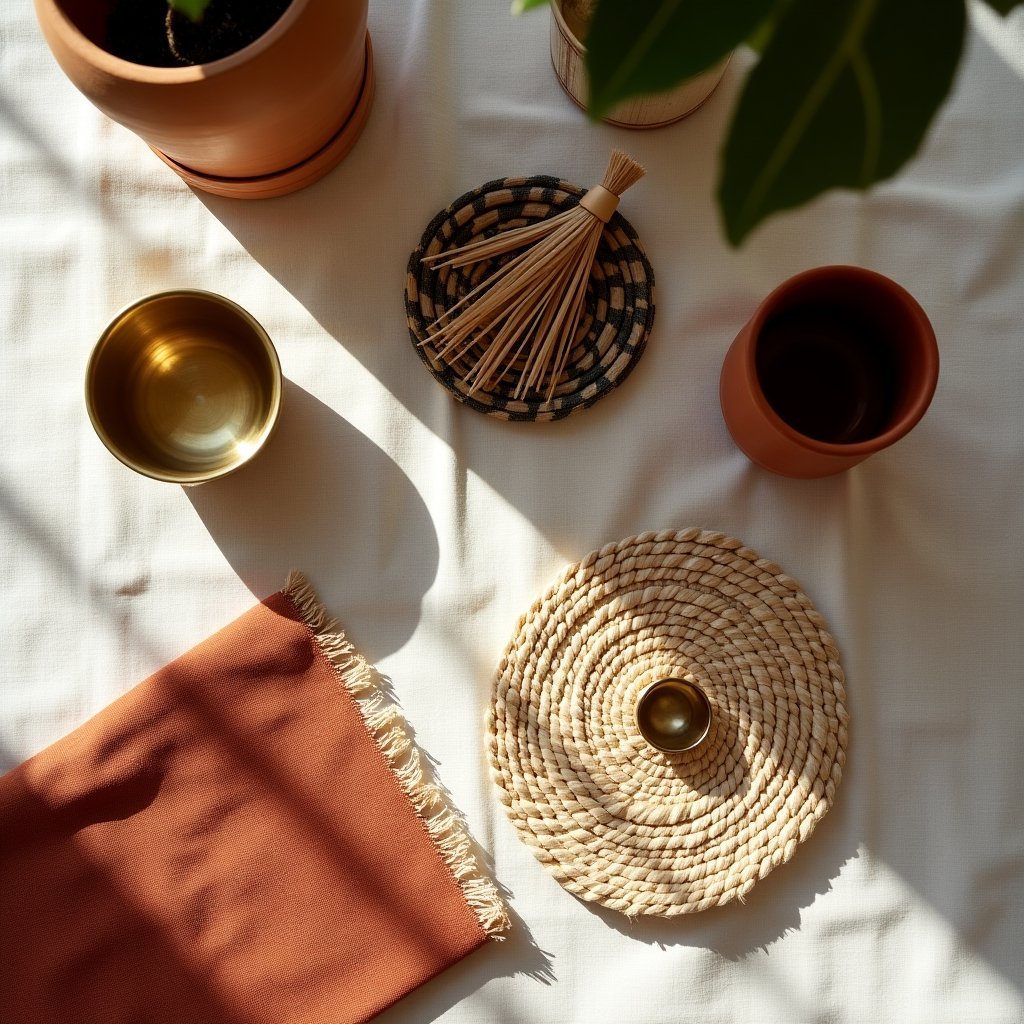
For the base layer, a Woven Jute Area Rug is ideal. Natural jute has exactly the right organic texture — it’s earthy, durable, and provides the perfect warm contrast against wood or concrete how to clean every type of floors. Go large: at least 8×10 feet for a cozy living room decor ideas so furniture legs can rest on it.
Brass, Copper and Metal Accents That Actually Matter
Metallics in Afrohemian interiors are warm, not cold. Forget chrome or silver — this aesthetic lives and breathes in brass, antique gold, and aged copper. Brass Geometric Wall Art is one of the easiest high-impact additions you can make. A large brass sunburst mirror or a set of geometric brass wall panels above a sofa creates an instant focal point that reads as both artistic and globally-inspired.
Macrame, Rattan and Natural Fiber Accents
Natural fibers — macrame, rattan, wicker, seagrass — are integral to this style and serve a critical function: they soften the boldness of geometric prints and add tactile warmth to a room. A large Macrame Wall Hanging above a bed or sofa adds instant bohemian texture. For furniture, a Rattan Furniture Accent Chair in a reading corner, draped with a mudcloth throw, is one of the most quintessentially Afrohemian moments you can create.
How to Style Your Shelves the Afrohemian Way
Shelves in an Afrohemian home are never sparse. Here’s a simple formula for Afrohemian shelf styling:
- Anchor with height: Include at least one tall element — a tall vase, a woven basket, a carved wooden figure.
- Add a plant: Trailing pothos, small succulents, or even dried pampas grass add the organic quality this style requires.
- Layer in books: Stack a few books horizontally. Choose art, travel, or African history books for thematic coherence.
- Include a brass or copper object: Even a small brass bowl anchors the shelf in the Afrohemian palette.
- Add a textile: Drape a small piece of mudcloth casually over a shelf edge for that relaxed layered quality.
Common Afrohemian Mistakes to Avoid
- Don’t mix too many pattern scales at once. If your rug is a large bold geometric, keep your pillows to a medium or small pattern scale.
- Avoid cold metals. Chrome and silver kill the warmth of this aesthetic instantly. Stick to brass, aged gold, and copper.
- Don’t skip plants. Living greenery is non-negotiable in Afrohemian design.
- Quality over quantity. Afrohemian interiors look best when built slowly, with intentional pieces.
Final Thoughts: Make It Yours
The best Afrohemian rooms don’t look like anyone else’s — because that’s entirely the point. This is a style that rewards personal expression, global curiosity, and a genuine appreciation for craft and texture. Start with one bold textile moment, add a layer of brass warmth, ground it in natural fiber, and build from there. Your home isn’t a showroom. It’s a collection of stories. Afrohemian decor just gives you the most beautiful way to tell them. For more inspiration, browse our home decor tips. For more ideas, explore our home decor ideas.