
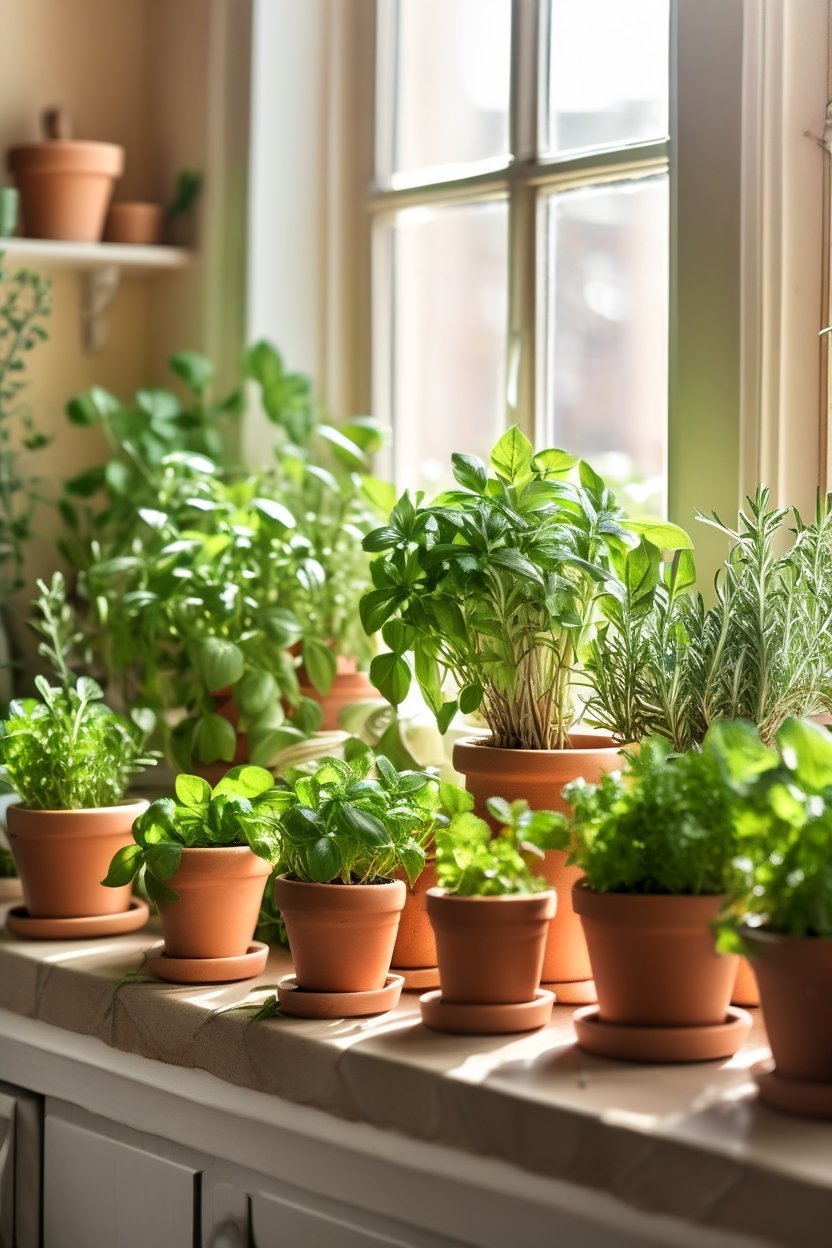
Fresh kitchen herb garden setups change cooking entirely. A handful of basil on pasta, fresh thyme in a roast, mint in a glass of water — none of this costs much when you grow it yourself. And despite what you may have experienced, growing herbs indoors successfully is straightforward once you know what they actually need.
The Two Things Herbs Actually Need
Before anything else: grow herbs indoors year-rounds need light and drainage. Almost every indoor herb failure comes from one of these two things being wrong. Get them right, and herbs are surprisingly forgiving of everything else.
Light: South-Facing Window or Grow Light
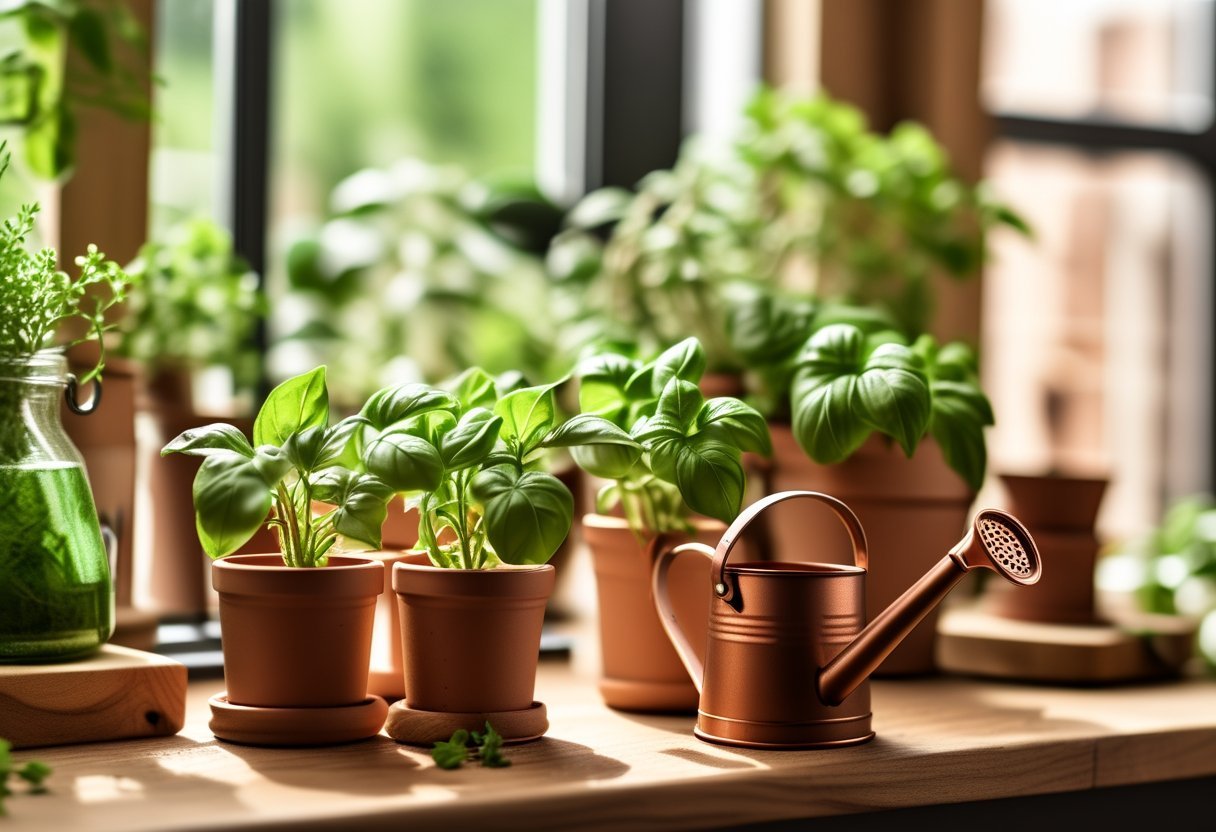
Most culinary herbs need at least 6 hours of direct sunlight daily. In most homes, only a south-facing window in a sunny room delivers this. If you don’t have a suitable window, a basic grow light (full-spectrum LED, set on a timer for 14–16 hours) works better than any windowsill for herb growing and costs about $30–$50.
The Best Herbs to Start With
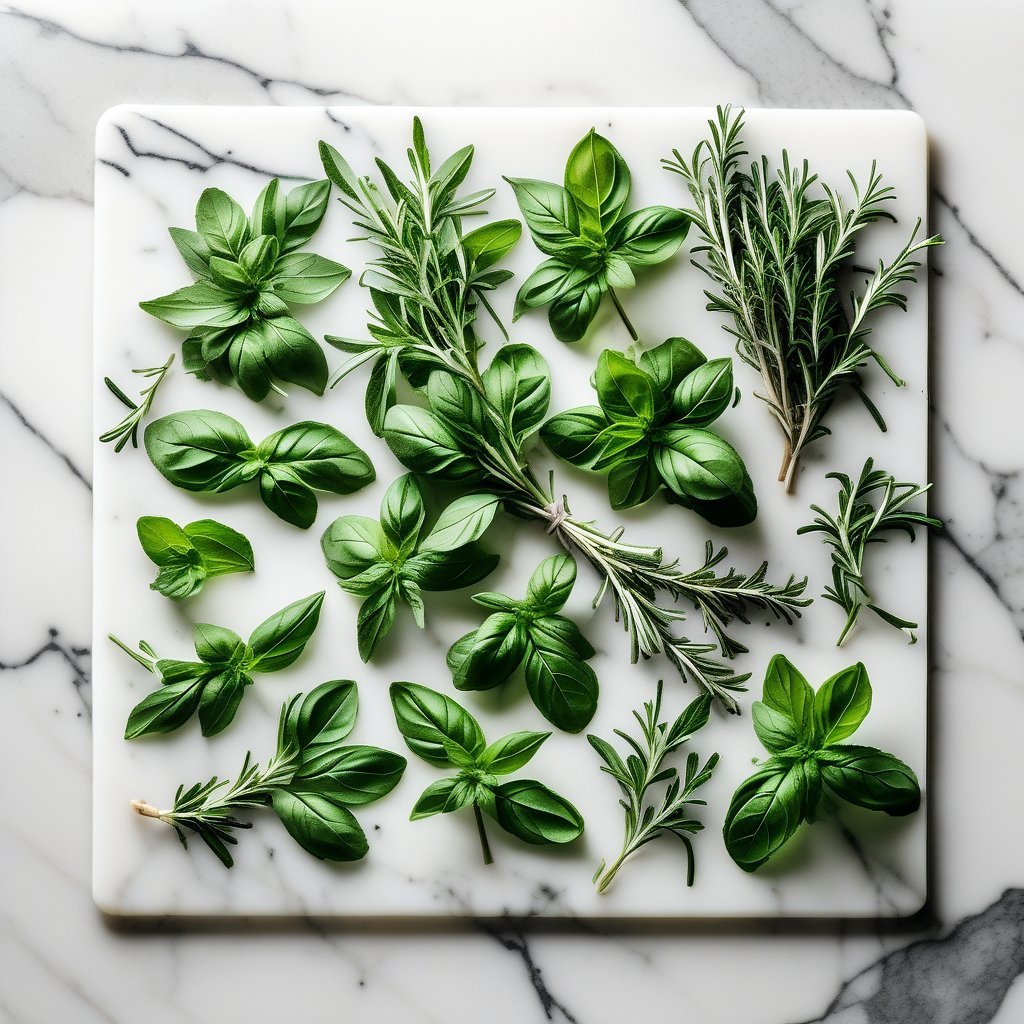
- Basil — Fast-growing, loves heat and sun. Pinch off flower buds the moment they appear to keep production going. Basil from the grocery store can be split and repotted successfully.
- Chives — The most forgiving herb for indoor growing. Tolerates lower light, grows back quickly after cutting.
- Mint — Vigorous to the point of invasive. Always grow in its own pot. Tolerates partial shade better than most herbs.
- Thyme — Drought-tolerant, Mediterranean herb that prefers drier conditions. Perfect for forgetful waterers.
- Parsley — Slower to establish but very reliable once going. Keep it consistently moist.
Soil and Pots
Use a well-draining potting mix — not garden soil, which compacts and holds too much moisture indoors. Terra cotta pots are ideal because they’re porous and help prevent overwatering by wicking moisture through the walls. Whatever pot you use: drainage holes are non-negotiable.
Watering: The Most Common Mistake
Herbs want to dry out slightly between waterings. Stick your finger an inch into the soil — if it still feels moist, wait. When you do water, water thoroughly until it drains from the bottom, then let the pot drain completely. Never leave herbs sitting in standing water in a saucer.
The Grocery Store Herb Rescue Method
Those small herb plants from the grocery store (basil especially) are actually multiple seedlings crammed into one small pot for short-term sale — not for long-term growing. When you get home, gently separate the root ball into 3–4 smaller clumps and repot each in its own container with fresh potting mix. They’ll each thrive independently for months.
Harvesting Correctly Makes More Growth
Never strip a plant bare. Take no more than one-third of the plant at a time, always cutting just above a leaf node (the point where leaves branch off the stem). Cutting above a node encourages the plant to branch and produce more growth. Cutting randomly or taking too much stresses the plant and slows recovery.
Feeding
A liquid fertilizer (fish emulsion or balanced liquid fertilizer) diluted to half strength, applied every two to three weeks during active growth, keeps indoor herbs producing vigorously. Too much fertilizer makes herbs grow fast but taste weak — less concentrated than those grown leaner.
Start with chives, mint, and thyme — they’re the most forgiving. Once you have those going, add basil in a sunny window or under a grow light. Within a few weeks, you’ll have fresh herbs on demand, and you’ll wonder why you ever bought the dried stuff. For more inspiration, browse our gardening guides. For more ideas, explore our gardening tips.